
Are you passionate about helping cats find loving homes? Opening a cat adoption facility could be the perfect way for you to make a real difference.
But where do you start? What steps do you need to take to turn your dream into reality? This guide will walk you through everything you need to know—from finding the right location to caring for your feline friends and connecting with the community.
Keep reading, and you’ll discover how to create a safe, welcoming space where cats and people come together for a brighter future. Your journey to saving lives begins here.

Credit: www.amazon.com
Planning Your Facility
Opening a cat adoption facility takes careful planning. You need to think about many important parts before you start. Planning helps you build a safe and happy place for cats and people.
This guide covers key steps for planning your facility. It explains how to pick a location, understand your community, and set clear goals.
Choosing The Right Location
Pick a location that is easy for visitors to find. It should be quiet and safe for cats. Look for a place with enough space for play areas and resting spots.
- Near busy streets or community centers
- Close to public transport stops
- With good parking options
- Away from loud noises and traffic
- Accessible for people with disabilities
Assessing Community Needs
Learn about the cats and people in your area. Find out how many cats need homes and what services are missing. Talk to local animal groups and residents to gather ideas.
| Community Aspect | Questions to Ask |
| Number of stray cats | How many stray cats live nearby? |
| Existing shelters | Are there enough shelters in the area? |
| Volunteer interest | Are people willing to help with cat care? |
| Adoption demand | How many cats are adopted yearly? |
| Local laws | What are the rules about animal shelters? |
Setting Goals And Mission
Create clear goals for your facility. Your mission explains why you are opening the adoption center. Good goals guide your work and help others understand your purpose.
- Provide safe shelter for homeless cats
- Find loving homes for every cat
- Educate the public about cat care
- Work with local groups to reduce stray cats
- Promote spaying and neutering
Legal And Financial Setup
Opening a cat adoption facility needs careful legal and financial planning. You must follow rules and manage money well.
This guide helps you register your business, get permits, and plan your budget.
Registering Your Business
Choose a business name that suits your cat adoption facility. Check if the name is available in your state or country.
Decide your business structure. Most choose a nonprofit or LLC for animal services. Register with your local government.
Obtaining Permits And Licenses
You need permits to run a cat adoption center legally. These may include animal welfare licenses and health department permits.
- Check local animal control laws for required permits
- Apply for a business license in your city
- Get a zoning permit to use your chosen location
- Ensure food safety permits if you feed cats on site
Budgeting And Fundraising
Plan your budget to cover rent, supplies, and staff. Fundraising helps cover ongoing costs.
| Expense | Estimated Monthly Cost |
| Rent | $1,000 |
| Food and Supplies | $500 |
| Staff Salaries | $2,000 |
| Utilities | $300 |
| Medical Care | $400 |
Use events, online campaigns, and partnerships to raise funds. Keep clear records of all income and expenses.
Designing The Space
Opening a cat adoption facility needs a well-planned space. Design helps cats feel safe and happy.
The space should work well for cats, staff, and visitors. Each area needs a clear purpose.
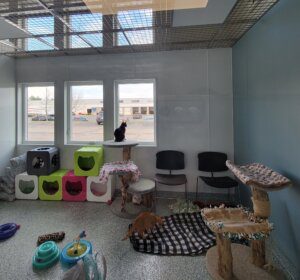
Creating Cat-friendly Areas
Cats need quiet, cozy spots to relax. Create different zones for play, rest, and eating.
Use soft beds, climbing shelves, and hiding places. Cats enjoy spaces where they feel safe.
- Provide vertical spaces like shelves or trees
- Include private hiding spots for shy cats
- Set up play areas with toys and scratching posts
- Keep food and water bowls in calm spots
Ensuring Safety And Hygiene
Safety is key in a cat adoption facility. Protect cats from injury and illness by using safe materials.
Clean spaces often to stop germs. Plan for easy cleaning and good air flow.
- Use non-toxic, durable surfaces
- Separate sick cats from healthy ones
- Provide plenty of litter boxes and clean daily
- Install secure doors and windows to prevent escapes
Planning For Staff And Visitors
Design areas for staff to work comfortably. Include spaces for meetings and breaks.
Visitors need clear paths and welcoming spaces. Make it easy to meet and adopt cats.
- Set up a reception area near the entrance
- Create quiet rooms for visitor-cat interactions
- Provide storage for supplies and paperwork
- Plan staff restrooms and break rooms
Credit: angelswish.org
Sourcing Cats For Adoption
Starting a cat adoption facility means finding cats that need homes. You must find healthy cats from good places.
This guide covers how to get cats through shelters, health checks, and proper intake steps.
Partnering With Shelters And Rescues
Work with local shelters and rescue groups to find cats ready for adoption. These groups often have cats that need homes fast.
- Build trust by visiting shelters regularly
- Offer to help with events or transport
- Agree on clear terms for cat transfers
- Share updates about adopted cats
- Keep communication open and honest
Screening And Health Checks
Check cats for health before bringing them in. This keeps your facility safe and cats healthy.
| Health Check | Purpose |
| Physical Exam | Identify injuries or illness |
| Vaccinations | Protect from common diseases |
| Parasite Control | Remove fleas and worms |
| Spay/Neuter | Prevent overpopulation |
| Behavioral Screening | Check temperament and social skills |
Managing Intake Procedures
Have clear steps to accept cats into your facility. This helps keep cats calm and safe.
- Record cat details like age and history
- Isolate new cats to watch for illness
- Perform health and behavior checks
- Prepare comfortable housing for each cat
- Update your records after intake
Staffing And Volunteers
Opening a cat adoption facility needs good people to help care for cats. Staff and volunteers make the work easier and better.
They handle daily tasks, help cats, and support adopters. Choosing the right team is very important.
Hiring Qualified Personnel
Hire staff with experience in animal care or shelter work. They should love cats and know how to handle them safely.
Look for people who are patient, organized, and good at talking to visitors. These skills help keep the facility running smoothly.
- Animal care experience
- Good communication skills
- Ability to work in a team
- Basic first aid knowledge
Training And Development
Training helps staff and volunteers learn how to care for cats well. Teach safe handling and cleaning routines.
Offer ongoing learning to improve skills. This keeps the team confident and ready to help cats and visitors.
- Cat behavior and health basics
- Cleaning and sanitation
- Customer service skills
- Emergency procedures
Volunteer Recruitment And Management
Volunteers bring energy and extra help. Recruit people who love cats and want to make a difference.
Manage volunteers well by scheduling shifts and giving clear tasks. Thank them often to keep them motivated.
- Advertise volunteer opportunities locally
- Use simple application forms
- Provide orientation sessions
- Assign duties based on skills
- Give regular feedback and appreciation
Adoption Process Setup
Setting up a clear adoption process helps find good homes for cats. It protects the cats and ensures adopters are ready.
Organizing the process into steps makes it easy to manage and follow. It builds trust with adopters and the community.
Developing Application Forms
Create application forms that gather important information about potential adopters. Ask about their home, lifestyle, and experience with pets.
- Full name and contact details
- Home type and living situation
- Work schedule and availability
- Experience with cats or other pets
- Reason for adopting a cat
- Agreement to follow adoption rules
Conducting Interviews And Home Visits
Interviews help understand adopters’ readiness and commitment. Home visits verify the living conditions are safe and suitable for a cat.
| Interview Focus | Home Visit Check |
| Adopter’s motivation | Secure windows and doors |
| Experience with pets | Clean and quiet environment |
| Family members’ approval | Space for cat’s food and litter |
| Time for cat care | Absence of hazards or toxic plants |
Finalizing Adoption Agreements
Prepare a clear adoption agreement to protect the cat and the facility. Include rules and responsibilities for adopters.
The agreement should cover:
- Care and medical needs
- Return policy if needed
- Prohibition of selling or abandoning the cat
- Permission for follow-up visits
Marketing And Community Engagement
Opening a cat adoption facility needs strong marketing and community support. These help you find homes for cats fast.
Use smart marketing and community activities to build trust. This brings more adopters and volunteers to your facility.
Building An Online Presence
Create a website that shows cats ready for adoption. Use photos and descriptions to attract visitors.
Use social media to share stories and updates. Post regularly to keep people interested and informed.
- Post pictures and videos of cats
- Share adoption success stories
- Use simple, clear messages
- Respond quickly to questions
Organizing Events And Campaigns
Host events like adoption days to meet potential adopters. Make events fun and welcoming to families.
Run campaigns to raise awareness about cat care and adoption benefits. Use flyers and social media posts to promote.
- Adoption fairs at parks or malls
- Fundraising drives for supplies
- Workshops on cat health and care
- Seasonal campaigns like “Find a Home for Winter”
Collaborating With Local Organizations
Partner with vets, pet stores, and shelters to share resources. This helps cats get better care and more exposure.
Work with schools and clubs to educate children about kindness to animals. This builds a caring community for cats.
- Joint adoption events with shelters
- Vet clinics offering discounted care
- Pet stores hosting adoption booths
- Schools holding animal care sessions
Maintaining Operations
Running a cat adoption facility requires ongoing effort. Keeping the place safe and welcoming helps cats and visitors.
Good management keeps cats healthy and adoption rates steady. Focus on key areas for smooth operations.
Health And Wellness Programs
Regular health checks keep cats happy and strong. Create programs for vaccinations, spaying, and neutering.
Offer daily exercise and playtime. This reduces stress and improves the cats’ moods.
- Schedule vet visits every few months
- Provide balanced food and fresh water
- Use toys and climbing spaces for exercise
- Monitor cats for illness or injury
Facility Upkeep And Cleaning
Keep the facility clean to prevent disease. Clean litter boxes and cages daily.
Maintain good air flow and control odors. Regularly sanitize feeding areas and common rooms.
- Clean floors and surfaces with pet-safe products
- Remove waste promptly
- Check for damages or leaks in the building
- Organize supplies for easy access
Monitoring Adoption Success
Track how many cats find new homes. This helps improve your adoption process.
Collect feedback from adopters to learn what works. Use this data to make changes that help cats get adopted faster.
- Keep records of each cat’s adoption date
- Follow up with adopters after adoption
- Note reasons for any failed adoptions
- Adjust marketing and outreach based on results

Credit: minicattown.org
Frequently Asked Questions
What Are The First Steps To Open A Cat Adoption Facility?
Start by researching local laws and obtaining necessary permits. Create a detailed business plan. Secure a suitable location with proper space for cats. Build relationships with animal shelters and vets for support and resources.
How Much Does It Cost To Start A Cat Adoption Facility?
Initial costs include rent, supplies, licenses, and staff salaries. Expect to spend between $10,000 and $50,000 depending on size. Ongoing costs cover food, medical care, and utilities. Fundraising and donations can help cover expenses.
What Legal Requirements Are Needed For Cat Adoption Centers?
You must comply with local zoning laws and animal welfare regulations. Obtain business licenses and permits for animal handling. Regular inspections may be required to ensure safety and hygiene standards. Consult with a lawyer for compliance.
How To Attract Adopters To A Cat Adoption Facility?
Use social media to showcase cats available for adoption. Host community events and partner with local businesses. Offer adoption promotions and provide excellent customer service. Positive reviews and word of mouth greatly increase visibility.
Conclusion
Opening a cat adoption facility is rewarding and vital. It supports animal welfare. Each step, from planning to execution, matters. Community involvement strengthens the mission. Volunteers and donations are key assets. Ensure the facility is welcoming and safe for cats.
Promote adoption events to attract families. Keep learning and adapting strategies. Build strong relationships with local vets and shelters. Success relies on compassion and dedication. Every adopted cat finds a loving home. Your efforts can make a significant difference. Start small, but dream big.
Your facility can change lives. Both feline and human.