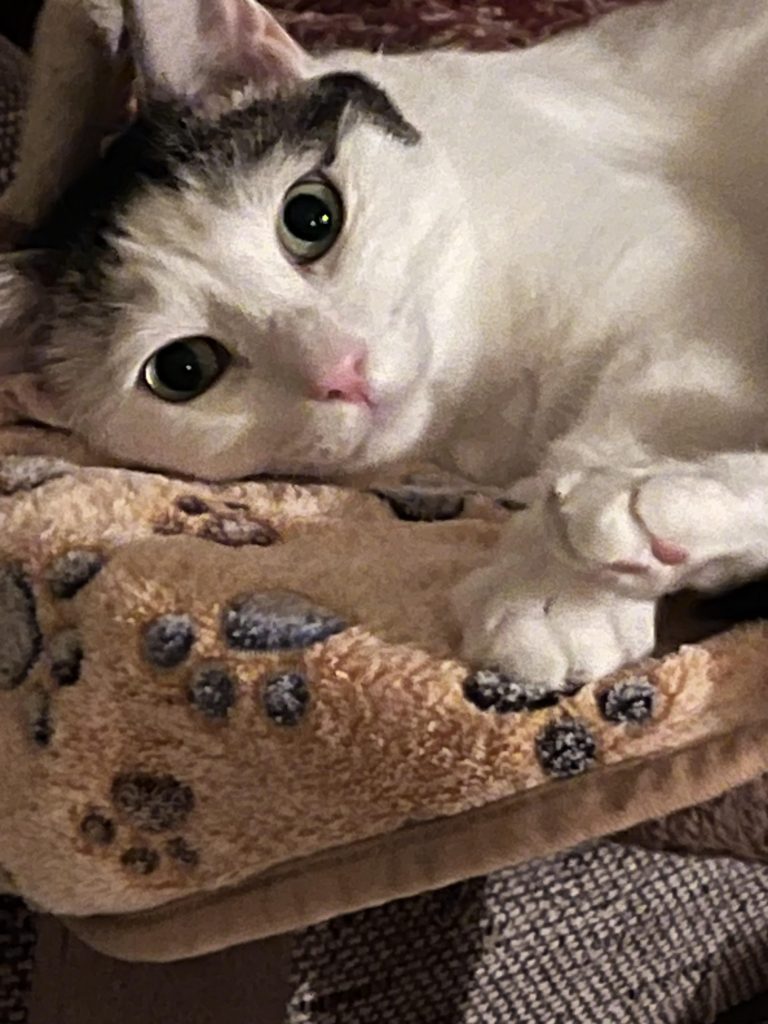
Have you ever thought about adopting a cat but felt overwhelmed by the process? You’re not alone.
Many people find cat adoption harder than they expected. It’s confusing, time-consuming, and sometimes even frustrating. But why is it so difficult to bring a furry friend into your home? Understanding the real reasons behind these challenges can help you navigate the process with confidence.
Keep reading, and you’ll discover the key obstacles—and how you can overcome them to give a cat a loving home.

Credit: www.reddit.com
Common Barriers To Cat Adoption
Adopting a cat can be a rewarding experience. Many people want to bring a cat home.
Still, many face challenges that make adoption hard. These barriers stop some from adopting.
Strict Adoption Requirements
Shelters often have strict rules for adopters. They want to ensure cats go to safe homes.
- Proof of residence or landlord approval
- No other pets or specific pet types allowed
- Limits on the number of pets in the home
- Home visits or interviews before approval
High Adoption Fees
Adoption fees cover medical care and shelter costs. These fees can be high for some people.
| Fee Type | Typical Cost |
| Spay/Neuter Surgery | $100 – $200 |
| Vaccinations | $50 – $100 |
| Microchipping | $25 – $50 |
| General Adoption Fee | $75 – $150 |
Limited Shelter Resources
Shelters have fewer staff and space. They cannot help every cat or adopter quickly.
Here are some common resource limits shelters face:
- Staff shortages reduce support for adopters
- Limited kennel or cage space means fewer cats available
- Less funding for medical care or outreach programs
Behavioral Challenges Of Cats
Adopting cats can be hard because they often show difficult behaviors. These behaviors make it tough for new owners to care for them.
Understanding why cats act this way helps us give them a better home. Many problems come from fear, change, or past bad experiences.
Fear And Anxiety Issues
Cats can feel scared in new places or around strangers. This fear leads to hiding, scratching, or biting.
Some cats are more nervous than others. Loud noises or sudden moves can make them panic.
- Fear causes cats to avoid people
- Anxiety can make cats aggressive
- Stress may lead to health problems
Adjustment To New Homes
Moving to a new home is hard for cats. They need time to learn where things are and feel safe.
Some cats take weeks or months to settle down. During this time, they may act shy or refuse to eat.
- New smells confuse cats
- Different routines cause stress
- Changes in environment affect behavior
Previous Trauma Effects
Many cats come from difficult pasts. Abuse or neglect can cause lasting fear and mistrust.
Traumatized cats may hide often or refuse to be touched. They need gentle care and patience to heal.
- Trauma leads to fear of humans
- Some cats show aggression to protect themselves
- Healing takes time and understanding
Misconceptions About Cats
Many people want to adopt cats but find it hard. Misunderstandings about cats stop them from choosing adoption.
These wrong ideas affect how people see cats and their needs. Clearing up these myths helps more cats find homes.
Myths Impacting Adoption Rates
Some think cats are unfriendly or hard to care for. Others believe cats cause allergies or damage furniture. These ideas make people avoid adopting cats.
- Cats do not like people.
- Cats are low-maintenance pets.
- All cats are the same in behavior.
- Cats cannot live happily indoors.
Preference For Specific Breeds
Many adopters want purebred cats. They think purebreds are healthier or better pets. This leaves many mixed-breed cats waiting for homes.
| Breed Type | Common Belief | Reality |
| Purebred | More healthy and calm | Can have breed-specific health issues |
| Mixed Breed | Less desirable | Often more adaptable and healthy |
Underestimating Lifespan Commitment
People often forget cats live 15 years or more. They don’t plan for this long care. Many give up cats when life changes.
Here are some important facts about cat lifespan:
- Cats live on average 12 to 16 years.
- Indoor cats usually live longer than outdoor cats.
- Regular vet visits extend cat’s life.
- Lifelong care means food, play, and love.
Shelter Environment Impact
Cat adoption can be hard because many cats come from shelters. The shelter environment affects cats a lot. It can make cats scared or stressed.
Understanding the shelter’s impact helps explain why some cats do not get adopted quickly. Shelters face many challenges that affect the cats’ behavior and health.
Stressful Conditions For Cats
Shelters are noisy places. Cats hear loud sounds from other animals and people. This noise makes cats nervous and scared.
Stress can cause cats to hide or act shy. Some cats may even stop eating or grooming themselves. This behavior scares potential adopters.
Overcrowding Problems
Shelters often have more cats than space allows. Too many cats in one room means less room to move and play.
Overcrowding can spread diseases quickly. It also makes cats feel trapped and unsafe. These issues lower the chance of adoption.
- Less personal space
- Higher risk of illness
- More competition for attention
Limited Socialization Opportunities
Cats need time with people to feel comfortable. Shelters have many cats and few staff. This limits the time cats get to interact with humans.
Without socialization, cats may act shy or scared around new people. This behavior can make adopters choose other cats.
Adopter Concerns And Expectations
Many people want to adopt cats, but some worries stop them. Understanding these concerns can help more cats find homes.
Adopters often have questions about allergies, lifestyle, and the time they must commit. These issues affect their choices.
Concerns About Allergies
Allergies to cats are a common problem for many people. Sneezing, itchy eyes, and breathing trouble make adoption hard.
Some adopters worry they will have to give the cat away if allergies start. This fear can stop them from adopting.
- Allergy symptoms can be mild or severe.
- Allergies may develop after bringing a cat home.
- Some breeds cause fewer allergy problems.
Lifestyle Compatibility
Adopters want to be sure a cat fits their daily life. Busy schedules and travel can make care difficult.
Cats need time, attention, and a calm space. People worry they cannot give these things due to their lifestyle.
- Long work hours limit time with pets.
- Frequent travel can stress cats.
- Some cats need more play and care.
Fear Of Long-term Commitment
Adopting a cat means caring for it for many years. Some people fear they cannot make such a long promise.
Changes in life like moving, new jobs, or family can make long-term care hard. This fear stops some from adopting.
- Cats live 10 to 20 years or more.
- Commitment means daily feeding and cleaning.
- Health care and vet visits need time and money.

Credit: www.reddit.com
Solutions To Improve Adoption Success
Adopting cats can be hard for many reasons. Some cats have behavior problems or need special care. Shelters and communities can work together to make adoption easier.
Helping cats and educating people can increase the chances of cats finding good homes. Changing some rules can also help more cats get adopted quickly.
Behavioral Support And Training
Many cats have fears or habits that make adoption harder. Offering training can help cats feel calm and friendly. This makes them more likely to be chosen by adopters.
Training also teaches new owners how to handle their cats. This lowers the chance that cats will be returned to shelters.
- Provide socialization sessions for shy cats
- Offer basic behavior training before adoption
- Give adopters tips on handling stress and anxiety
Community Education Efforts
Many people do not understand cat behavior or care needs. Educating the community helps them prepare for adoption. This creates better matches between cats and owners.
Workshops, flyers, and social media posts can spread useful information about cat care and benefits of adoption.
- Teach about cat health and nutrition
- Explain the importance of spaying and neutering
- Share stories of successful adoptions
Flexible Adoption Policies
Strict adoption rules can stop people from adopting cats. Shelters can help by being more flexible with requirements. This helps more cats find homes faster.
Flexible policies might include lower fees, trial adoption periods, or less paperwork. These changes reduce barriers for potential adopters.
- Offer trial periods for adopters to test compatibility
- Reduce or waive adoption fees for senior cats
- Simplify application and approval processes

Credit: www.reddit.com
Frequently Asked Questions
Why Is Cat Adoption Often A Lengthy Process?
Cat adoption is lengthy due to careful screening. Shelters assess potential adopters’ readiness and home environment. This ensures cats find safe, loving homes. The process protects both cats and adopters, leading to better long-term adoption success.
What Challenges Make Cat Adoption Difficult?
Challenges include strict adoption requirements and limited cat availability. Cats may have behavioral or health issues needing extra care. Additionally, many people prefer specific breeds, reducing chances for other cats to be adopted quickly.
How Do Shelters Ensure Cats Go To Good Homes?
Shelters use interviews, home visits, and references to verify adopters. This prevents neglect or abandonment. They also provide education on cat care to prepare adopters. These steps ensure cats receive proper care and a stable environment.
Can Cat Temperament Affect Adoption Chances?
Yes, cats with shy or aggressive behavior often face adoption delays. Potential adopters usually prefer friendly, social cats. Shelters may provide behavior training, but temperament influences how quickly cats find homes.
Conclusion
Adopting a cat can feel challenging. Many factors influence this process. Shelters have strict guidelines to ensure good homes for cats. People might find the paperwork and interviews overwhelming. Some cats need special care or have unique needs. This can make some adopters nervous.
Patience and understanding are key. Adoption can be rewarding and joyful. It’s about finding the right match. Both the cat and adopter benefit in the end. Approach adoption with love and commitment. The bond with a furry friend is worth the effort.