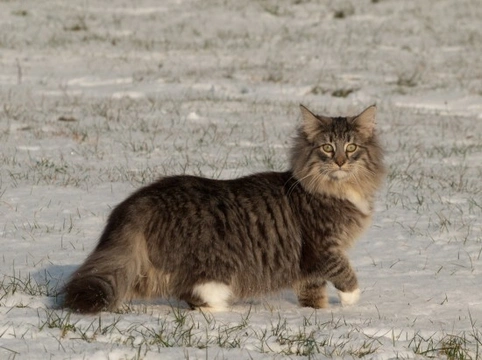
Have you ever wondered which domesticated cat holds the title of the biggest? If you think all house cats are small and cuddly, think again.
Some cats grow to surprising sizes, far beyond what most people expect. Knowing about the biggest domesticated cat isn’t just fun—it can change how you see these fascinating animals. Keep reading, and you’ll discover the truth about these giant felines and what makes them so unique.
Your curiosity is about to be rewarded with some eye-opening facts!
Largest Domestic Cat Breeds
Some domestic cats are much bigger than typical house cats. These large breeds are known for their size and gentle nature.
Knowing about these big cats helps you understand their care and personality better. Here are some of the largest domestic cat breeds.
Maine Coon
The Maine Coon is one of the biggest domestic cats. It has a long, thick coat and tufted ears.
Male Maine Coons can weigh up to 18 pounds or more. They are friendly, playful, and great with families.
- Weight: 13 to 18 pounds (males)
- Length: Up to 40 inches
- Coat: Long and dense
- Personality: Gentle and social
Savannah Cat
Savannah cats are tall and lean with long legs. They look wild because they come from crossing domestic cats with servals.
These cats can weigh between 12 and 25 pounds. They are very active and curious pets.
- Weight: 12 to 25 pounds
- Height: Up to 17 inches at the shoulder
- Body: Slim and muscular
- Behavior: Energetic and intelligent
Ragdoll
The Ragdoll is a large, fluffy cat with blue eyes. They are known for going limp when held.
Male Ragdolls can weigh 15 to 20 pounds. They have calm, gentle personalities and love being around people.
- Weight: 15 to 20 pounds (males)
- Length: About 40 inches
- Coat: Semi-long and soft
- Temperament: Calm and affectionate
Norwegian Forest Cat
The Norwegian Forest Cat has a strong, muscular body and thick fur. It is built for cold weather.
This breed can weigh up to 16 pounds. It is friendly, playful, and good with children.
- Weight: 13 to 16 pounds
- Coat: Long and water-resistant
- Body: Muscular and large
- Personality: Friendly and playful

Credit: www.yahoo.com
Physical Traits Of Giant Cats
Giant domesticated cats are known for their impressive size and unique features. These cats stand out from regular house cats due to their physical traits.
Understanding these traits helps to appreciate what makes these cats the biggest in the domesticated cat world.
Size And Weight
Giant cats can weigh much more than typical cats. Their length and height also exceed average sizes. Some of these cats weigh over 20 pounds.
- Weight range: 15 to 25 pounds
- Length: up to 40 inches from nose to tail
- Height: around 16 to 18 inches at the shoulder
Coat And Color Patterns
Giant cats show a wide range of coat colors and patterns. These patterns give each cat a unique look and personality.
| Coat Type | Common Colors | Patterns |
| Short Fur | Brown, Gray, Black | Tabby, Solid, Spotted |
| Medium Fur | White, Cream, Blue | Marbled, Striped |
| Long Fur | Orange, Silver, Calico | Patchy, Ticked |
Body Structure
These cats have strong and muscular bodies. Their bones are thicker, which supports their large size.
- Broad chest and shoulders
- Large paws with tufted fur
- Long, thick tail for balance
- Strong jaw and wide skull
Temperament Of Large Cat Breeds
Large domesticated cats have unique temperaments that differ from smaller breeds. Understanding their behavior helps owners provide better care.
These cats often show a mix of playful and calm traits. Their size does not always mean they are aggressive or wild.
Personality Traits
Large cat breeds tend to be gentle giants. They are usually loyal and enjoy attention from their owners.
- Friendly and social with humans
- Often curious and intelligent
- Can be independent but enjoy company
- Sometimes shy around strangers
- Usually patient and calm
Interaction With Families
These cats adapt well to family life. They often get along with children and other pets.
| Family Member | Typical Interaction |
| Children | Playful but gentle, good with supervision |
| Adults | Affectionate and loyal companions |
| Other Pets | Usually tolerant and social |
Activity Levels
Large cats have varied energy levels. They enjoy play but also rest a lot.
- Active during short bursts of playtime
- Need space to move around comfortably
- Enjoy climbing and exploring
- Rest quietly for many hours daily

Credit: worldanimalfoundation.org
Care Tips For Giant Cats
Giant domesticated cats need special care to stay healthy. Their size affects their diet, exercise, and grooming.
Understanding these care tips helps owners provide the best life for their big feline friends.
Diet And Nutrition
Large cats require a balanced diet with plenty of protein. Their meals should support muscle growth and energy.
- Feed high-quality cat food rich in animal protein
- Include wet food to keep them hydrated
- Provide fresh water daily
- Limit treats to avoid obesity
- Offer meals in small portions multiple times a day
Exercise Needs
Big cats need regular exercise to stay fit and avoid health problems. Playtime keeps them active and happy.
- Use large toys to encourage movement
- Set aside daily play sessions
- Create climbing spaces or cat trees
- Allow supervised outdoor time if possible
- Rotate toys to keep interest high
Grooming Requirements
Giant cats need grooming to keep their coat clean and skin healthy. Grooming also reduces shedding and hairballs.
| Grooming Task | Frequency | Purpose |
| Brushing | 3-4 times a week | Remove loose fur and prevent mats |
| Nail trimming | Every 2-3 weeks | Prevent nails from overgrowing |
| Ear cleaning | Once a month | Remove dirt and wax buildup |
| Bathing | Occasionally | Keep coat clean and reduce odors |
Choosing The Right Giant Cat
Giant domesticated cats like the Maine Coon or Savannah cat need special care. They are larger than typical cats and need more space and attention.
Before deciding on a giant cat, consider your home, time, and health readiness. These factors help you give the best life to your pet.
Living Space Considerations
Large cats need room to move and play. Small apartments may feel cramped for them. Outdoor access is ideal if safe.
- Provide tall cat trees or shelves
- Offer wide open areas for running
- Ensure quiet spots for resting
- Keep litter boxes clean and roomy
Time Commitment
Giant cats need daily interaction. They enjoy playtime and grooming. This helps keep them happy and healthy.
- Spend 30 minutes playing each day
- Brush their fur regularly to avoid mats
- Provide mental stimulation with toys
- Schedule regular vet visits
Health Concerns
Large cats may face special health issues. Joint problems and heart diseases are common in some breeds.
| Health Issue | Common in Breeds | Signs to Watch |
| Hip Dysplasia | Maine Coon | Difficulty jumping, limping |
| Hypertrophic Cardiomyopathy | Savannah Cat | Breathing trouble, lethargy |
| Obesity | All large cats | Weight gain, less activity |
Famous Giant Cats In History
The biggest domesticated cats have amazed people for centuries. Many cats grew much larger than usual.
These giant cats became famous due to their size and unique stories. People still remember them today.
Record Holders
Some cats hold records for being the largest ever. These cats often weighed over 30 pounds.
- Hercules, a Savannah cat, weighed about 35 pounds.
- Stewie, a Maine Coon, was over 48 inches long.
- Arcturus Aldebaran Powers, another large Maine Coon, measured 44 inches.
- Barivel, the longest domestic cat, reached 41.5 inches.
These cats set the bar for size in domestic cats worldwide.
Notable Owners
Some famous people owned giant cats and helped make them popular. Their stories spread in the media.
- William Windsor, a British Army cat, was known for his large size and charm.
- Jackson Galaxy, a cat behaviorist, owns large cats and shares their care tips.
- Famous internet personalities often showcase their giant cats to fans worldwide.
These owners helped giant cats become beloved around the world.

Credit: ca.news.yahoo.com
Frequently Asked Questions
What Is The Biggest Domesticated Cat Breed?
The biggest domesticated cat breed is the Maine Coon. It can weigh up to 18 pounds and measure over 40 inches long. Known for its friendly nature and large size, it is often called the “gentle giant” of domestic cats.
How Large Can A Maine Coon Cat Grow?
A Maine Coon cat can grow up to 40 inches in length, including its tail. They typically weigh between 13 to 18 pounds but can sometimes exceed this. Their large size is complemented by a muscular build and thick, water-resistant fur.
Are There Other Large Domesticated Cat Breeds?
Yes, other large breeds include the Savannah, Norwegian Forest, and Ragdoll cats. Savannah cats can weigh up to 20 pounds. These breeds combine size with unique physical traits and friendly temperaments, making them popular among cat lovers.
What Factors Contribute To A Cat’s Large Size?
Genetics, diet, and health are key factors. Large breeds inherit size traits from their lineage. Proper nutrition and regular veterinary care help cats reach their full size potential. Environment and exercise also influence overall growth and muscle development.
Conclusion
Discovering the biggest domesticated cat is truly fascinating. These majestic felines captivate many cat lovers. Whether it’s the Maine Coon or the Savannah, each breed amazes. Their size, beauty, and unique traits make them special pets. Owning such a cat requires understanding their needs.
They need space and exercise to thrive. Their companionship brings joy to many households. Choosing the right breed depends on lifestyle and preferences. Explore, research, and find your perfect feline friend. Enjoy the journey with these incredible cats. They truly enrich our lives with their presence and charm.