
Have you ever wondered why Big Cat Rescue, a place many loved and trusted, suddenly closed its doors? If you’re curious about what really happened behind the scenes, you’re not alone.
This isn’t just a simple story about a business shutting down. It’s about the future of big cats, the people who care for them, and what it means for all of us who want to make a difference. Keep reading to uncover the surprising reasons and what they could mean for your passion for animal protection.
Big Cat Rescue Background
Big Cat Rescue was a sanctuary for big cats. It aimed to provide a safe home for rescued animals.
The rescue worked to educate people about big cats and their needs in the wild.
Founding And Mission
Big Cat Rescue started in 1992. It grew from a small effort to a large sanctuary.
The main goal was to stop the private ownership of big cats. It also aimed to end animal abuse.
Popular Attractions
Visitors came to see many types of big cats up close. They learned about each species’ life and challenges.
- Tigers
- Lions
- Leopards
- Cougars
- Bobcats
Role In Wildlife Conservation
The rescue helped protect wild populations through education and advocacy. It worked to raise awareness about habitat loss.
| Conservation Effort | Description |
| Public Education | Teach people about big cats and dangers they face |
| Rescue Operations | Save abused and abandoned big cats |
| Advocacy | Promote laws against private ownership and abuse |

Credit: www.yahoo.com
Events Leading To Closure
Big Cat Rescue was once a popular sanctuary for big cats. Its closure surprised many animal lovers. Several events led to this decision.
Problems in money, law, and public opinion all played a role. Each issue made it harder for the rescue to stay open.
Financial Challenges
Big Cat Rescue faced many money problems. Running a large sanctuary costs a lot of money every day. Donations dropped over time.
Expenses for animal care and staff were very high. Without enough funds, it became hard to keep the rescue going.
- Rising costs for food and medical care
- Declining donations from supporters
- High maintenance costs for facilities
Legal Issues
The rescue faced many legal problems. Authorities investigated the rescue several times. Some rules about animal care were not fully followed.
Legal battles took time and money. These issues made it difficult to operate normally and caused stress for the staff.
- Investigations into animal welfare standards
- Disputes over permits and zoning laws
- Costs of defending legal claims
Public Controversies
Public opinion about Big Cat Rescue changed over time. Some people questioned how the rescue cared for its animals. This caused many negative news stories.
Criticism led to fewer visitors and less support. The controversy hurt the rescue’s reputation and finances.
- Questions about animal treatment and safety
- Disputes with former employees and volunteers
- Negative media coverage affecting public trust
Internal Management Problems
Big Cat Rescue faced many internal management problems. These issues played a big role in its closure.
Problems inside the organization affected its daily work and long-term success.
Staff Turnover
Big Cat Rescue had a high rate of staff turnover. Many employees left in a short time.
Frequent changes in staff made it hard to keep a steady workflow. Training new workers took time and resources.
- Loss of experienced workers
- Constant need for new hires
- Lower staff morale
- Disrupted daily routines
Operational Difficulties
The sanctuary struggled with many operational difficulties. These problems slowed down important tasks.
Managing finances and resources became harder. The team could not keep up with growing demands.
- Poor budget management
- Inadequate resource planning
- Failure to maintain facilities
- Difficulty in meeting regulations
Animal Care Concerns
Concerns about animal care increased over time. Internal problems made it tough to provide good care.
Staff shortages and lack of resources affected the animals’ health and safety.
- Inconsistent feeding schedules
- Delayed medical attention
- Improper enclosure maintenance
- Stress among animals due to changes
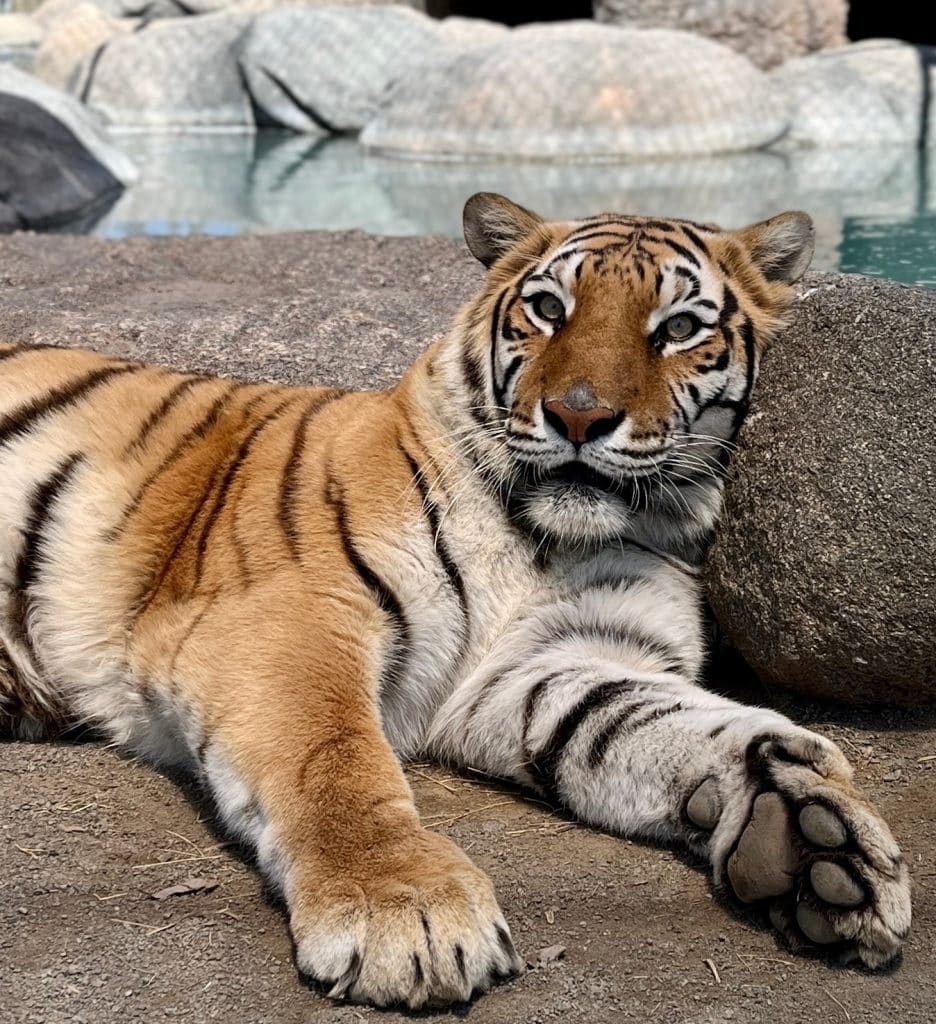
Credit: www.lionstigersandbears.org
Impact Of Social Media And Public Opinion
Big Cat Rescue faced many challenges from social media and public opinion. These forces shaped how people saw the sanctuary.
Social media gave a voice to both supporters and critics. This led to strong reactions on all sides.
Negative Campaigns
Some groups used social media to spread negative messages about Big Cat Rescue. These campaigns damaged its reputation.
- Accused the sanctuary of poor animal care
- Shared misleading videos and photos
- Encouraged public protests and petitions
- Targeted donors and partners to withdraw support
Supporter Backlash
Many supporters felt upset by the negative campaigns. Some stopped giving donations or volunteering.
| Effect | Description |
| Donations Drop | Fewer funds to care for animals |
| Volunteer Loss | Less help for daily tasks |
| Trust Issues | Supporters doubted sanctuary’s claims |
| Social Media Silence | Supporters less active online |
Media Coverage
News outlets reported on the controversies around Big Cat Rescue. Some stories were balanced, others were harsh.
Media coverage included:
- Interviews with critics and supporters
- Reports on legal battles and inspections
- Feature articles questioning sanctuary practices
- Social media posts going viral
Regulatory And Compliance Factors
Big Cat Rescue closed due to several rules and laws it could not follow. These rules are important for safety and animal care. The sanctuary faced challenges meeting all government standards.
Understanding the regulatory and compliance factors helps explain why Big Cat Rescue had to close its doors. These factors include inspection results, government actions, and licensing problems.
Inspection Reports
Regular inspections checked the conditions at Big Cat Rescue. Inspectors looked at animal health, safety, and facility upkeep. Several reports showed areas that needed improvement.
Failing to fix these issues caused more problems. Inspection reports noted concerns about enclosures and staff training. These findings led to stricter oversight from authorities.
Government Actions
Government agencies took steps to enforce rules at Big Cat Rescue. They issued warnings and fines for non-compliance. Actions aimed to protect both animals and the public.
Authorities sometimes ordered changes or temporary closures. These actions limited the sanctuary’s ability to operate normally. Ongoing government pressure made it difficult to stay open.
Licensing Issues
Big Cat Rescue faced problems renewing important licenses. Licenses are needed to care for and display big cats legally. Delays and denials affected their daily operations.
Licensing issues often came from not meeting all legal requirements. Without valid licenses, Big Cat Rescue could not continue its work. This was a key reason behind its closure.

Credit: protectallwildlife.blog
Aftermath Of Closure
Big Cat Rescue closed its doors after years of caring for exotic animals. The closure left many people wondering what happened next. The sanctuary had to handle many important tasks after closing.
This section covers what happened after Big Cat Rescue shut down. It talks about animal relocation, staff and volunteer reactions, and the legacy left behind.
Animal Relocation
After closing, the sanctuary moved all animals to new homes. Finding safe places was a top priority. Each animal needed special care during the move.
Many animals went to other sanctuaries and wildlife centers. The goal was to keep them healthy and safe in their new environments.
- Big cats were carefully transported by trained staff
- New homes offered similar care and space
- Animals were checked regularly after relocation
Staff And Volunteer Reactions
The closure deeply affected staff and volunteers. Many had worked there for years and felt sad about the ending. They shared memories and hopes for the animals’ futures.
Staff focused on helping with the animal moves and cleanup. Volunteers helped spread news and support for the animals’ new homes. The team stayed connected during the transition.
- Staff helped with animal care until the last day
- Volunteers organized fundraisers to assist relocation
- Many felt proud of their work despite the closure
Legacy And Future Plans
Big Cat Rescue left a lasting impact on animal care and awareness. Its work helped many big cats and educated the public. The sanctuary’s mission continues in new ways.
Plans include supporting other wildlife groups and spreading knowledge online. The team hopes to inspire future animal protection efforts. The legacy lives on through education and care.
- Supporting wildlife rescue and rehabilitation programs
- Sharing educational resources with the public
- Encouraging ethical treatment of big cats worldwide
Frequently Asked Questions
Why Did Big Cat Rescue Close Permanently?
Big Cat Rescue closed due to financial difficulties and legal challenges. Declining visitor numbers and increased operational costs made it unsustainable. The sanctuary faced regulatory pressures that impacted its ability to operate. These combined factors led to the decision to close permanently.
What Were The Main Reasons Behind Big Cat Rescue Closure?
The main reasons included financial strain, legal disputes, and regulatory hurdles. Increased expenses for animal care and facility maintenance exceeded income. Legal battles over permits and animal rights added pressure. These issues collectively forced Big Cat Rescue to shut down.
Did Big Cat Rescue Face Legal Issues Before Closing?
Yes, Big Cat Rescue encountered several legal issues related to permits and regulations. Authorities scrutinized their animal care practices and licensing. Ongoing legal battles drained resources and affected reputation. These challenges significantly contributed to the sanctuary’s closure decision.
How Did Big Cat Rescue’s Closure Affect The Big Cats?
After closure, most big cats were relocated to other accredited sanctuaries. The organization ensured animals continued to receive proper care and protection. Efforts were made to find suitable homes that met welfare standards. The closure aimed to minimize stress on the animals.
Conclusion
Big Cat Rescue closed due to financial and operational challenges. Caring for big cats requires significant resources and commitment. Declining donations and increasing costs made it unsustainable. Community support dwindled over time. This left the organization with tough decisions. The closure ensures the well-being of the animals.
They are now in safe and suitable homes. This closure highlights the need for sustainable conservation efforts. Protecting wildlife requires ongoing community involvement. Every effort matters in ensuring a future for these majestic creatures. Let’s continue supporting wildlife sanctuaries and conservation initiatives.
Together, we can make a difference.