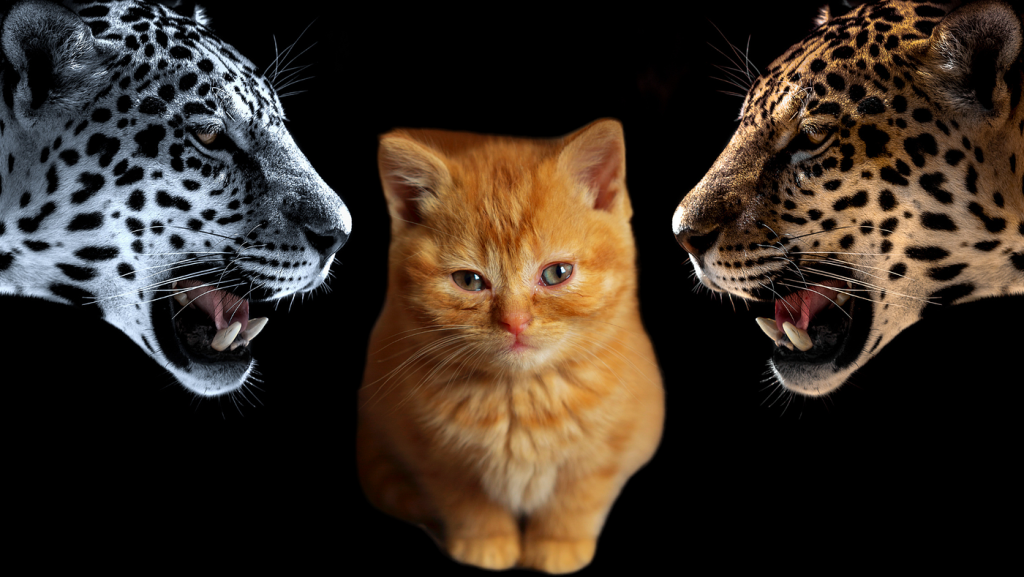
Have you ever wondered what the big cats are really called? You might know lions, tigers, and leopards, but do you know how they are grouped or what makes them special?
Understanding the names and categories of these majestic creatures can change the way you see the animal kingdom. Keep reading, and you’ll discover surprising facts that will make you see big cats in a whole new light. This isn’t just about names—it’s about unlocking the mystery behind some of the most powerful and fascinating animals on Earth.
Big Cats Overview
Big cats are large wild cats found in many parts of the world. They are known for their strength and hunting skills.
These cats include lions, tigers, leopards, and jaguars. They belong to the Panthera genus and share similar features.
Lions
Lions are large cats mostly found in Africa. They live in groups called prides.
Male lions have manes that make them look bigger. Lions are social animals and hunt together.
Tigers
Tigers are the largest big cats and live mainly in Asia. They have orange fur with black stripes.
They are strong swimmers and usually hunt alone at night. Tigers are very good at sneaking up on prey.
Leopards
Leopards have spotted fur and live in Africa and parts of Asia. They are very fast and climb trees well.
Leopards often carry their prey up trees to eat safely. They are good at hiding and hunting quietly.
Jaguars
Jaguars live mostly in South and Central America. Their fur is yellow with black spots and rosettes.
They are strong swimmers and like to hunt near water. Jaguars have the strongest bite among big cats.
Common Big Cat Species
Big cats are large wild cats known for their strength and beauty. They live in many parts of the world.
This article will introduce some common big cat species and their main features.
Lion
Lions are called the “king of the jungle.” They live mainly in Africa. Male lions have a large mane.
Lions live and hunt in groups called prides. They are strong and social animals.
Tiger
Tigers have orange fur with black stripes. They are the largest of all big cats.
They mostly live in Asia in forests and grasslands. Tigers are solitary hunters.
Leopard
Leopards have spotted coats that help them hide in trees. They live in Africa and Asia.
Leopards are very good climbers. They often carry their prey up trees to keep it safe.
Jaguar
Jaguars have yellow coats with black rosettes. They live in the Americas, mainly in rainforests.
They are strong swimmers and can hunt in water as well as on land.
Snow Leopard
Snow leopards live in cold mountain areas of Asia. They have thick fur and long tails.
These cats are shy and hard to see. They are excellent climbers on rocky slopes.
Cheetah
Cheetahs are the fastest land animals. They have slim bodies and spotted coats.
They live mostly in Africa and use speed to catch prey in open areas.
Physical Traits Of Big Cats
Big cats are known for their powerful bodies and unique features. These traits help them survive in the wild.
We will explore their size, coat patterns, claws, and teeth to understand what makes them special.
Size And Strength
Big cats have strong muscles and large bodies. Their size helps them catch prey and defend themselves.
- Lions can weigh up to 420 pounds.
- Tigers are the largest and strongest big cats.
- Leopards are smaller but very powerful climbers.
- Jaguars have the strongest bite force among big cats.
Coat Patterns
Big cats have different coat colors and patterns. These help them blend into their surroundings.
| Big Cat | Coat Pattern | Purpose |
| Lion | Uniform tawny | Blends with grasslands |
| Tiger | Orange with black stripes | Camouflage in forests |
| Leopard | Rosette spots | Hides in trees and bushes |
| Jaguar | Large rosettes with spots | Camouflage in jungle |
Claws And Teeth
Big cats have sharp claws and strong teeth. These help them catch and kill prey.
- Claws are retractable and very sharp.
- Canines are long and used to bite the neck of prey.
- Molars help in tearing meat into smaller pieces.
- Claws also help in climbing and fighting.

Credit: worldanimalfoundation.org
Big Cats’ Habitats
Big cats are powerful animals that live in different places around the world. Their habitats help them find food and stay safe.
Each big cat species prefers a certain type of home. These homes include savannas, forests, and mountains.
Savannas And Grasslands
Savannas and grasslands are wide open areas with tall grasses and few trees. Many big cats live here because they can hunt easily.
Lions are the most famous big cats found in savannas. They live in groups called prides and use the open space to spot prey.
- Warm climate
- Plenty of prey animals
- Open space for hunting
Forests And Jungles
Big cats like tigers and jaguars live in forests and jungles. These areas have many trees and thick plants that hide animals well.
Forests give cover for stalking prey. They also provide water sources and cooler temperatures for these cats.
- Dense trees and bushes
- Many rivers and streams
- Good hiding spots for hunting
Mountain Regions
Some big cats live in cold mountain areas. Snow leopards are one example. They are strong climbers and use rocky land to hide.
Mountains have steep cliffs and rough terrain. These help mountain big cats stay safe from threats and find food.
- Cold climate with snow
- Rocky and steep terrain
- Good places to hide and watch
Hunting And Diet
Big cats are skilled hunters with unique ways to catch prey. Their diet mainly includes meat from other animals.
Each species uses different techniques to stalk and capture food. Their feeding habits depend on the type of prey they prefer.
Stalking Techniques
Big cats move quietly to get close to their prey. They use cover like tall grass or trees to hide. Some big cats wait patiently for the right moment to attack.
Prey Preferences
- Lions often hunt large herbivores such as zebras and buffalo.
- Tigers prefer deer and wild boar found in forests.
- Leopards go after smaller animals like monkeys and birds.
- Cheetahs target fast animals like gazelles and impalas.
Feeding Behavior
| Big Cat | Feeding Style | Social Eating |
|---|---|---|
| Lion | Eat in groups called prides | Yes, share food with pride members |
| Tiger | Eat alone after a kill | No, solitary feeders |
| Leopard | Drag prey up trees to eat safely | No, solitary feeders |
| Cheetah | Eat quickly to avoid scavengers | No, solitary or mother with cubs |
Conservation Status
Big cats include lions, tigers, leopards, jaguars, and cheetahs. They face many dangers that affect their survival. Many big cats are endangered or threatened.
Conservation status shows how close a species is to extinction. It helps us know which animals need help the most.
Threats To Big Cats
Big cats lose their homes because of farming and cities. Poachers hunt them for fur, bones, and trophies. This makes their numbers drop fast.
Sometimes big cats fight with farmers to protect their animals. This can lead to big cats being killed. Diseases and loss of prey also harm big cats.
- Habitat loss from farming and building
- Poaching for fur and body parts
- Conflict with farmers and livestock
- Loss of prey animals
- Diseases affecting big cats
Protective Measures
Laws protect big cats from hunting and trading. Many countries have rules to stop poaching. People teach others why big cats must be saved.
Scientists watch big cats with cameras and GPS collars. This helps find where they live and how many there are. Protecting forests also keeps big cats safe.
- Anti-poaching laws and penalties
- Public education and awareness
- Monitoring with technology
- Forest and habitat protection
Role Of Wildlife Reserves
Wildlife reserves give big cats a safe place to live. These areas stop hunting and protect natural habitats. Reserves also help big cats find food and mates.
Many reserves work with local people to reduce conflicts. They also support research and help raise money for conservation. Reserves are key to big cat survival.
- Safe habitat with no hunting
- Protection of prey animals
- Community cooperation and support
- Research and funding for conservation
Cultural Significance
Big cats are animals like lions, tigers, leopards, and jaguars. They are called “big cats” because of their size and strength. These animals have deep meanings in many cultures around the world.
People have admired big cats for thousands of years. They appear in stories, art, and symbols that show power, courage, and beauty.
Symbolism In Mythology
Big cats often appear in myths and legends. Many cultures see them as symbols of strength and protection. For example, lions are called the “king of beasts” and often represent royalty and bravery.
Tigers are seen as fierce warriors in Asian stories. They can also protect people from evil. In some myths, big cats are spiritual guides or symbols of power.
- Lions symbolize courage and leadership in many myths.
- Tigers represent strength and protection in Asian cultures.
- Leopards are often linked to speed and stealth in African tales.
- Jaguars symbolize power and the night in South American legends.
Big Cats In Art And Media
Big cats are popular in art and media. Artists use their images to show beauty and power. Paintings, sculptures, and movies often feature these animals.
In movies and books, big cats are heroes or symbols of wild nature. They inspire people to respect animals and nature. Their images appear on logos, flags, and clothing too.
- Big cats are common in paintings and sculptures worldwide.
- They star in movies, cartoons, and books as strong characters.
- Many sports teams use big cats as mascots for strength.
- Fashion often features big cat patterns to show style and power.
Credit: www.thewildlifediaries.com
Credit: www.thewildlifediaries.com
Frequently Asked Questions
What Animals Are Classified As Big Cats?
Big cats include lions, tigers, leopards, jaguars, and sometimes snow leopards and cheetahs. They belong to the Panthera genus. These species are known for their size, strength, and hunting skills. They play important roles in their ecosystems as apex predators.
Why Are Big Cats Called “big Cats”?
Big cats are called “big cats” due to their large size and powerful build. Unlike smaller cats, they have muscular bodies and can roar. This group mainly includes species from the Panthera genus. Their roar distinguishes them from smaller, purring cats.
How Many Big Cat Species Exist Worldwide?
There are five widely recognized big cat species: lion, tiger, leopard, jaguar, and snow leopard. Each species has unique features and habitats. Cheetahs are sometimes included but are not part of the Panthera genus. Conservation efforts focus on protecting these iconic animals.
What Habitats Do Big Cats Prefer?
Big cats inhabit diverse environments, including forests, grasslands, mountains, and savannas. Lions prefer open plains, while tigers live in dense forests. Leopards adapt to various habitats, and jaguars thrive in rainforests. Their habitats affect their hunting and behavior patterns.
Conclusion
Big cats fascinate many with their majesty and power. Lions, tigers, leopards, and jaguars are the most known. Each has unique traits and habitats. Their roles in the ecosystem are crucial. Conservation efforts help protect these incredible creatures. Understanding them enhances our appreciation and inspires action.
By learning about big cats, we support their survival. These magnificent animals deserve our attention and respect. Let’s cherish and preserve their existence. Future generations should witness their grandeur. Together, we can make a difference.