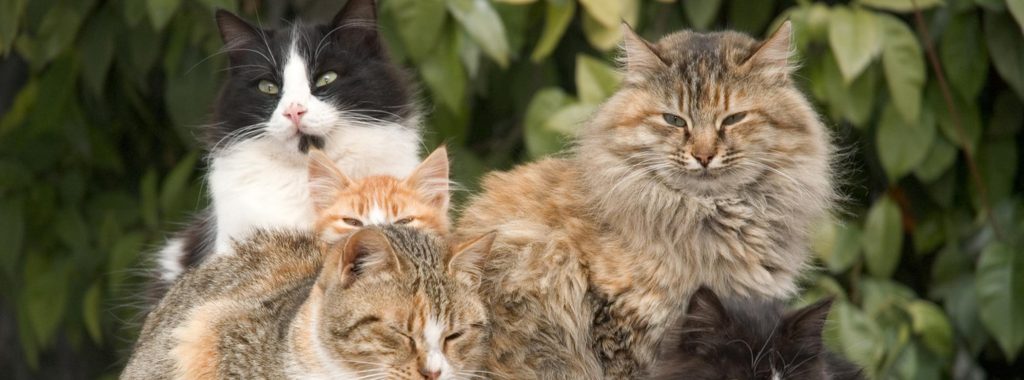
Are you curious about which cats are truly giants in the feline world? If you’ve ever wondered what the largest cat breeds look like or how big they can get, you’re in the right place.
Knowing about these impressive cats can change how you see your own furry friend and maybe even inspire you to welcome a gentle giant into your home. Keep reading to discover the biggest cat breeds and what makes each one so unique and fascinating.
Your next favorite cat might just be a big surprise!
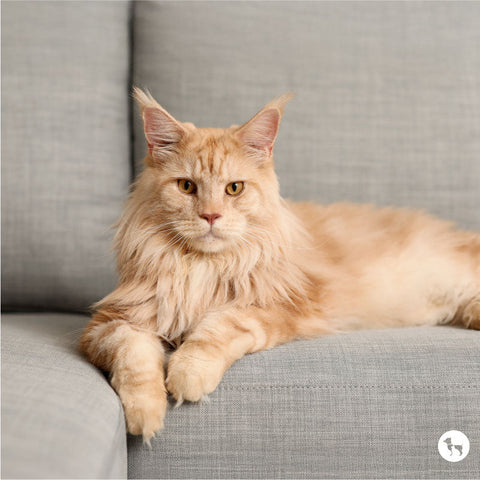
Credit: headsupfortails.com
Largest Cat Breeds
Some cat breeds grow much larger than the average house cat. Their size makes them stand out in any room. These large cats are gentle and friendly, perfect for families.
Here are some of the biggest cat breeds in the world. Each has unique traits and a big presence.
Maine Coon
The Maine Coon is one of the largest domesticated cats. It has a long, thick coat and tufted ears. These cats can weigh up to 18 pounds or more.
Savannah Cat
Savannah cats are tall and slim with long legs. They are a mix between domestic cats and wild African servals. Savannahs can weigh between 12 and 25 pounds.
Norwegian Forest Cat
This breed has a thick double coat and strong muscles. It is built to survive cold climates. Norwegian Forest Cats can grow up to 16 pounds.
Ragdoll
Ragdolls are large, with soft, silky fur. They are known for their calm and relaxed nature. Adult males can weigh up to 20 pounds.
Chausie
The Chausie is a wild-looking cat with a lean body. It is a cross between a domestic cat and a jungle cat. They often weigh between 15 and 20 pounds.
Bengal Cat
Bengal cats are muscular and energetic. Their spotted coats look like small leopards. Bengals typically weigh from 10 to 15 pounds.
| Breed | Average Weight (lbs) | Key Features |
|---|---|---|
| Maine Coon | 12 – 18 | Thick coat, tufted ears |
| Savannah Cat | 12 – 25 | Long legs, wild serval heritage |
| Norwegian Forest Cat | 12 – 16 | Double coat, strong muscles |
| Ragdoll | 15 – 20 | Soft fur, calm nature |
| Chausie | 15 – 20 | Wild look, lean body |
| Bengal Cat | 10 – 15 | Spotted coat, muscular |
Physical Traits Of Giant Cats
Giant cat breeds stand out because of their impressive size. Their physical traits show strength and beauty. These cats have unique features that make them different from smaller breeds.
Understanding their size, coat, and distinctive traits helps to appreciate these majestic animals. Let’s look closer at their physical characteristics.
Size And Weight
Giant cats are much larger than common house cats. They can weigh twice or three times more. Their bodies are muscular and long, giving them a powerful look.
| Breed | Average Weight (lbs) | Length (inches) |
| Maine Coon | 13-18 | 40 |
| Norwegian Forest Cat | 12-16 | 39 |
| Siberian | 15-20 | 38 |
| Ragdoll | 15-20 | 43 |
Coat And Colors
- Thick and dense fur to protect from cold
- Colors range from solid to multi-colored patterns
- Common colors include brown, black, white, and gray
- Some have long hair while others have semi-long coats
- Coats often have a glossy or silky texture
Distinctive Features
Giant cats have traits that make them easy to spot. They have large paws that help them move quietly. Their ears are often tufted, adding to their wild look. Big eyes give them an alert and friendly expression.
Some breeds have bushy tails that look like a plume. Their strong jawlines and broad chests show their strength. These features help them stay balanced and agile despite their size.
Temperament And Behavior
Large cat breeds have unique temperaments that fit many homes. Understanding their behavior helps owners create a happy environment.
These cats often balance playfulness with calm moments. Their size does not mean they lack gentleness or affection.
Personality Traits
Most large cats are friendly and intelligent. They enjoy interaction but also value their quiet time.
- Gentle and patient with family members
- Curious and enjoy exploring their space
- Often show loyalty to their owners
- Can be talkative, using soft meows
- Adapt well to new environments
Social Interaction
Large cat breeds tend to be social animals. They usually get along well with children and other pets.
| Cat Breed | Social Behavior |
| Maine Coon | Very friendly and outgoing |
| Norwegian Forest Cat | Enjoys family time but likes alone moments |
| Ragdoll | Affectionate and often follows owners around |
| Siberian | Playful with kids and other pets |
Activity Levels
These cats show varied activity depending on their breed. Most like to play but also rest quietly.
Common activity traits include:
- Moderate energy with bursts of play
- Enjoy climbing and exploring high places
- Like interactive toys and games
- Appreciate daily playtime with owners
- Often calm and relaxed indoors
Credit: www.pets4homes.co.uk
Care And Maintenance
Large cat breeds require special care to keep them healthy. Their size means they need more attention than smaller cats.
Proper grooming, diet, and exercise are key parts of their daily routine. This helps them live a long and happy life.
Grooming Needs
Large cats often have thick fur that can get tangled. Regular grooming keeps their coat clean and healthy.
- Brush their fur at least twice a week
- Check for mats and tangles regularly
- Trim their nails every two weeks
- Clean their ears to avoid infections
- Bath only when necessary to avoid skin dryness
Diet And Nutrition
Large cat breeds need balanced meals to support their size and energy. They require more protein and nutrients than smaller cats.
| Food Type | Benefits |
| High-protein dry food | Builds strong muscles |
| Wet food | Keeps them hydrated |
| Supplements | Supports joint health |
| Fresh water | Essential for digestion |
Exercise Requirements
Exercise helps large cats stay fit and avoid weight problems. It also keeps their minds active.
- Provide climbing trees and scratching posts
- Play with toys that encourage movement
- Set daily playtime for at least 30 minutes
- Use puzzle feeders to stimulate their brain
- Allow safe outdoor time if possible
Choosing The Right Giant Cat
Large cat breeds need special care and attention. They are different from smaller cats in size and needs.
Knowing what to expect helps you give your giant cat a happy and healthy life.
Living Space Considerations
Big cats need more room to move and play. A small apartment might feel crowded for them.
- Provide wide spaces for stretching and climbing
- Use large cat trees or shelves for exercise
- Keep litter boxes and feeding areas easy to access
- Ensure safe outdoor access if possible
Compatibility With Families
Giant cats can be gentle and friendly with families. But they need proper handling and care.
| Family Type | How Giant Cats Fit In |
| Families with Kids | Usually good, supervise play to avoid roughness |
| Elderly People | May suit calm breeds, consider cat’s energy level |
| Other Pets | Introduce slowly, watch for signs of stress |
| First-Time Owners | Choose calm and easygoing giant breeds |
Health Issues To Watch
Large cats have health risks that owners should know. Regular vet visits help keep them well.
- Joint problems due to heavy weight
- Heart disease common in some breeds
- Obesity from lack of exercise
- Dental care is important
- Watch for signs of stress or illness
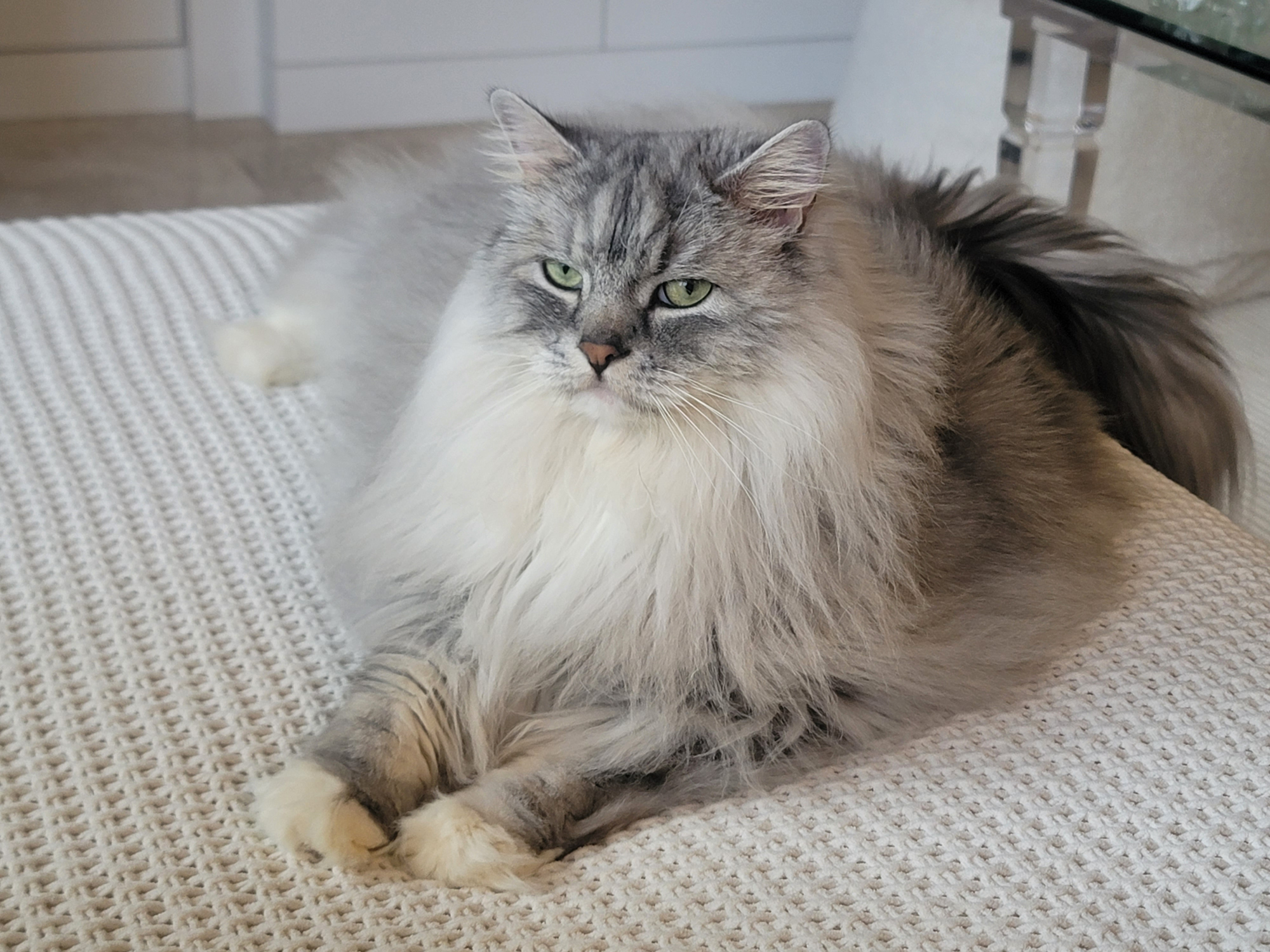
Credit: manypets.com
Famous Giant Cats In Pop Culture
Large cat breeds have fascinated people for many years. Their size and beauty make them stand out.
Many giant cats have appeared in movies, TV, and online. Some are even famous pets of celebrities.
Movies And Tv Shows
Giant cats often appear in movies and TV shows. They are shown as strong and majestic creatures.
One famous example is the Maine Coon cat in several films. Their large size adds to their screen presence.
- The Cheshire Cat in “Alice in Wonderland” is a large, mysterious figure.
- Sabor, the giant leopard, appears in “Tarzan” movies.
- The giant cat “Orion” was featured in the TV show “Lost in Space.”
Internet Sensations
Big cats have gained fame online too. Their videos and pictures gather millions of views.
Maine Coons and Savannah cats are popular on social media. People love sharing their size and playful nature.
- “Ludo” the Maine Coon is known for his huge paws and friendly attitude.
- “Venus” the Chimera cat gained attention for her unique face and size.
- “Omar” the giant Maine Coon has a large fan base on Instagram.
Notable Celebrity Pets
Some celebrities own giant cats as pets. These cats often appear in interviews and social media posts.
Famous owners like Taylor Swift and Ed Sheeran have shown their big cats to fans. This helps giant breeds get more attention.
- Taylor Swift owns a Scottish Fold, a medium-large breed often mistaken for bigger cats.
- Ed Sheeran’s cat, Graham, is a large ginger tabby known to fans.
- Other stars prefer Maine Coons for their size and calm nature.
Frequently Asked Questions
What Is The Largest Domestic Cat Breed?
The Maine Coon is the largest domestic cat breed. Males can weigh up to 18 pounds or more. They are known for their tufted ears and bushy tails.
How Big Can A Savannah Cat Grow?
Savannah cats can grow quite large, with males weighing up to 25 pounds. They have a lean, muscular build and are known for their spotted coat resembling wild cats.
Are Norwegian Forest Cats Considered Large Cats?
Yes, Norwegian Forest cats are large. They have a sturdy frame and thick, water-resistant fur. Adult males can weigh between 13 to 22 pounds.
Which Cat Breed Has The Heaviest Weight?
The Maine Coon typically holds the record for heaviest weight among domestic cats. Some males can reach over 20 pounds, making them one of the largest breeds worldwide.
Conclusion
Exploring the largest cat breeds is fascinating. They captivate with their size and grace. Maine Coons, Savannahs, and Ragdolls top the list. Each breed has unique traits and charm. These gentle giants fit well in loving homes. Their large size requires space and care.
Consider your lifestyle before choosing a big feline friend. Enjoy the journey of finding the perfect cat. Remember, size isn’t everything. It’s the heart that counts. Adopting a large breed cat promises adventure and joy. Embrace the experience with your new furry companion.