
Have you ever wondered which cat holds the title of the biggest in the world? Whether you’re a cat lover or just curious, discovering the biggest cat can surprise and amaze you.
From massive house cats to wild giants, these creatures show just how impressive and powerful cats can be. Keep reading, and you’ll learn fascinating facts that might change the way you see your furry friends forever. Your curiosity is about to be rewarded!
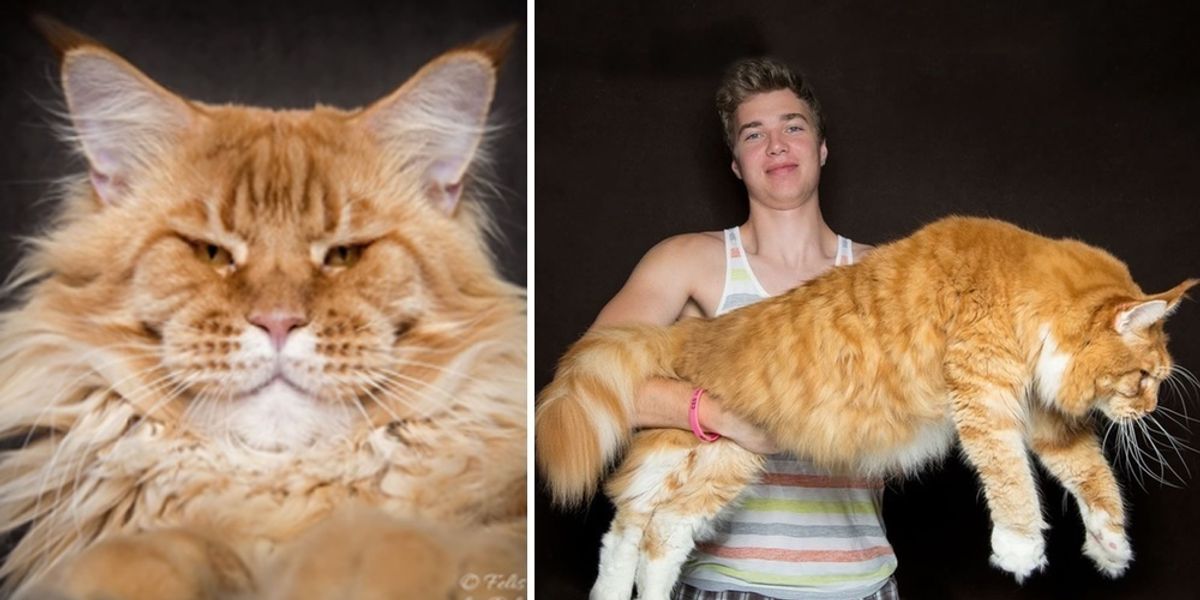
Credit: www.lovemeow.com
Largest Wild Cats
Wild cats are some of the most powerful animals on Earth. They live in forests, mountains, and grasslands. Many wild cats grow very large and strong.
This article explores the biggest wild cats. We will look at the Siberian tiger, lion, jaguar, and leopard. Each has special features that make it unique.
Siberian Tiger
The Siberian tiger is the largest wild cat in the world. It can weigh up to 660 pounds. It lives mostly in Russia’s cold forests. Its thick fur keeps it warm in winter.
Siberian tigers are strong hunters. They eat deer and wild boar. Their size and power help them catch big prey.
Lion
Lions are known as the “king of the jungle.” They live in Africa and a small part of India. Male lions have a large mane that makes them look bigger.
| Feature | Male Lion | Female Lion |
| Weight | 330 to 550 pounds | 260 to 400 pounds |
| Length | 8 to 10 feet | 7 to 9 feet |
| Hunting | Rarely hunts | Hunts in groups |
Jaguar
Jaguars live in Central and South America. They are smaller than lions and tigers but very strong. Jaguars have the strongest bite among big cats.
- Weight: 100 to 250 pounds
- Length: 5 to 6 feet
- Habitat: Rainforests and swamps
- Diet: Fish, deer, and turtles
Leopard
Leopards live in Africa and Asia. They are smaller than jaguars but very fast and agile. Leopards can climb trees to keep their food safe from other animals.
- Weight: 66 to 176 pounds
- Length: 4.25 to 6.25 feet
- Speed: Up to 36 mph
- Behavior: Solitary and nocturnal

Credit: medium.com
Biggest Domestic Cats
Some domestic cats grow much larger than others. These big cats are gentle and make great pets. They stand out because of their size and unique looks.
Let’s explore three of the biggest domestic cat breeds. Each has its own special traits and size range.
Maine Coon
The Maine Coon is one of the largest domestic cats. They can weigh up to 18 pounds or more. Their long fur and big paws help them stay warm in cold weather.
Maine Coons are friendly and love to play. They have a bushy tail and tufted ears, making them look wild but gentle.
- Weight: 10 to 18 pounds
- Length: Up to 40 inches from nose to tail
- Coat: Thick and long
- Temperament: Gentle and playful
Savannah Cat
The Savannah Cat is a mix between a domestic cat and a wild African serval. This makes them tall and lean. Some Savannah cats can weigh over 20 pounds.
They have spotted coats and large ears. Savannah cats are active and curious. They enjoy climbing and exploring.
- Weight: 12 to 25 pounds
- Height: Up to 17 inches at the shoulder
- Coat: Spotted and short
- Temperament: Energetic and smart
Chausie
The Chausie is a large cat breed made by crossing domestic cats with wild jungle cats. They are muscular and fast. Chausies can weigh up to 20 pounds.
These cats have short coats and long legs. They are very active and love to run and jump.
- Weight: 15 to 20 pounds
- Length: Around 36 inches including tail
- Coat: Short and sleek
- Temperament: Active and social
Record-breaking Felines
Cats come in many shapes and sizes. Some felines have set records for their size and weight. These record-breaking cats show the diversity in the feline world.
This article covers the heaviest, longest, and tallest cats ever recorded. Each category tells a unique story about these big cats.
Heaviest Cats Ever
The heaviest domestic cats have weighed over 30 pounds. Some wild cats are even heavier. The Siberian tiger is the heaviest among wild cats.
- Himmy, an Australian cat, weighed 21.3 kg (46.8 lbs).
- Siberian tigers can weigh up to 320 kg (700 lbs).
- The liger, a cross between a lion and tiger, can weigh over 400 kg (880 lbs).
Longest Cats Recorded
Some cats grow very long from head to tail. The Maine Coon breed often holds the length records. The longest cat ever measured was a Maine Coon named Stewie.
| Name | Breed | Length (inches) |
| Stewie | Maine Coon | 48.5 |
| Barivel | Maine Coon | 47.2 |
| Arcturus Aldebaran Powers | Maine Coon | 44.0 |
Tallest Cats Measured
Tall cats stand out by their height when standing on their hind legs. Savannah cats are known for their tall bodies. The tallest cat ever measured was a Savannah named Arcturus Aldebaran Powers.
Top 3 Tallest Cats:
- Arcturus Aldebaran Powers – 16.1 inches (shoulder height)
- Sheeba – 15.5 inches (shoulder height)
- Chloe – 15.0 inches (shoulder height)
Credit: www.pets4homes.co.uk
Factors Influencing Cat Size
Cats come in many shapes and sizes. Their size depends on several important factors.
Understanding these factors helps explain why some cats grow larger than others.
Genetics
Genetics play a key role in determining a cat’s size. Each breed has its own size traits passed down from parents.
- Large breeds like the Maine Coon inherit genes for a bigger body.
- Small breeds have genes that limit their growth.
- Mixed-breed cats show size traits from different ancestors.
Diet And Nutrition
Good diet and nutrition support healthy growth in cats. Poor nutrition can stunt growth and cause health problems.
| Type of Diet | Effect on Size |
| High protein | Promotes muscle growth and size |
| Balanced vitamins and minerals | Supports bone development |
| Poor nutrition | Limits growth and causes weakness |
Habitat And Environment
A cat’s living environment affects its size. Space, climate, and activity levels all matter.
Environmental factors include:
- Cold climates may lead to thicker fur and larger body size for warmth.
- Indoor cats often have less space to move, which can affect muscle development.
- Outdoor cats may grow stronger from more exercise and hunting.
Conservation Of Large Cats
Large cats are important animals in the wild. They keep nature balanced and healthy. Many big cat species face danger because of human actions.
Protecting these cats helps save the environment and other animals too. Many groups work hard to keep big cats safe and healthy.
Threats To Big Cats
Big cats face many dangers that reduce their numbers. People cut down forests where these cats live. Poachers hunt them for fur and body parts.
- Loss of habitat due to farming and cities
- Illegal hunting and poaching
- Conflicts with humans and livestock
- Disease spreading from domestic animals
Protection Efforts
Many countries have laws to protect large cats. People work to stop poaching and keep forests safe. Education helps local people understand why cats matter.
- Create protected parks and reserves
- Enforce anti-poaching laws
- Restore natural habitats
- Educate communities about conservation
Role Of Zoos And Sanctuaries
Zoos and sanctuaries help big cats live safely. They care for injured or orphaned cats. Some zoos breed cats to increase their numbers.
| Role | Benefit to Big Cats |
| Rescue and Care | Helps injured cats recover |
| Breeding Programs | Supports species survival |
| Education | Raises awareness in people |
| Research | Improves conservation methods |
Frequently Asked Questions
What Is The Biggest Species Of Wild Cat?
The Siberian tiger is the biggest wild cat species. It can weigh up to 660 pounds and measure over 10 feet long.
How Big Is The Largest Domestic Cat Breed?
The Maine Coon is the largest domestic cat breed. Males can grow up to 18 pounds and 40 inches long.
Which Cat Is The Heaviest Recorded In History?
The heaviest recorded domestic cat weighed 46 pounds. It was an overweight pet, not a specific breed.
Are Big Cats Like Lions Bigger Than Tigers?
Tigers are generally larger and heavier than lions. The Siberian tiger is the biggest among all big cats.
Conclusion
Discovering the biggest cat is truly fascinating. These majestic creatures captivate with their size and grace. Tigers, lions, and ligers often top the list. Each species holds unique traits and charm. Understanding their habitats and behavior helps us appreciate them more.
Protecting these big cats is crucial for future generations. Their existence enriches our world and biodiversity. Let’s cherish and safeguard these incredible animals. Encourage others to learn about them too. Every effort counts. Together, we can ensure their survival and marvel at their grandeur for years to come.