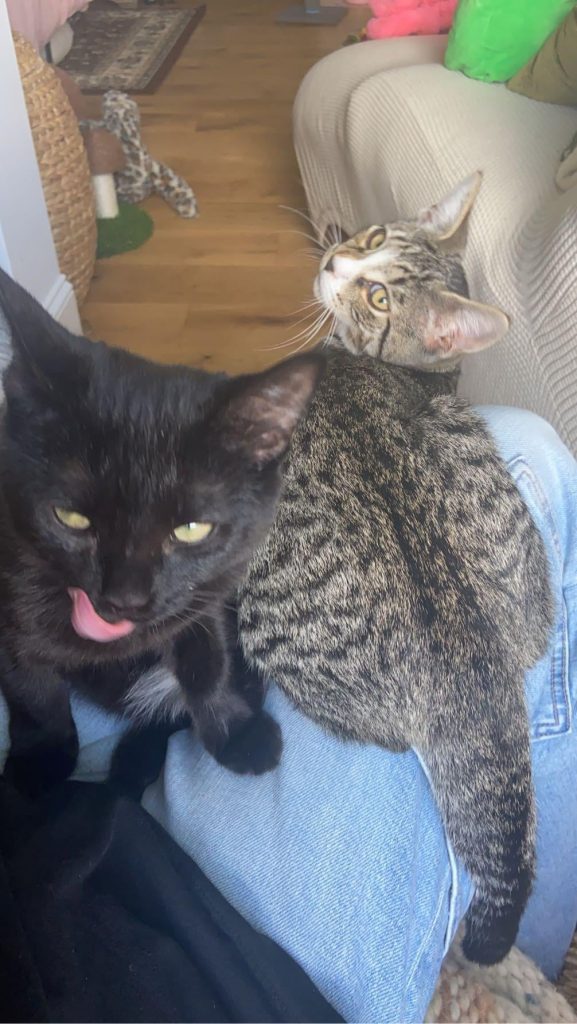
Have you ever been surprised when your cat suddenly nips at you while grooming? It’s a common behavior that can leave you wondering why your furry friend bites during such a gentle moment.
Understanding why cats bite when grooming can help you strengthen your bond and keep both you and your pet comfortable. You’ll discover the surprising reasons behind this behavior and learn how to respond the right way. Keep reading to uncover the secrets behind your cat’s grooming bites and make your moments together even better.
Cat Grooming Habits
Cats spend a lot of time grooming themselves. Grooming keeps their fur clean and healthy.
Sometimes cats bite while grooming. This behavior has reasons linked to their habits.
Self-grooming Behavior
Cats lick their fur to remove dirt and loose hair. This helps stop matting and keeps skin healthy.
Biting during grooming helps cats reach spots they cannot lick well. It also removes tough dirt or fleas.
- Biting helps clean hard-to-reach areas
- It removes stuck dirt or parasites
- It feels soothing for the cat
Social Grooming Among Cats
Cats groom each other to build social bonds. This is called allogrooming or social grooming.
Biting gently during social grooming helps remove dirt and shows trust between cats. It is a friendly behavior.
- Social grooming strengthens cat relationships
- Gentle biting removes dirt from hard spots
- It shows affection and trust
Reasons Behind Grooming Bites
Cats often bite during grooming to express their feelings. Understanding why they bite helps improve your bond.
Biting can happen for many reasons. Some relate to how cats feel or communicate during grooming time.
Overstimulation Sensitivity
Cats have sensitive skin that can get overwhelmed by too much petting. This causes them to bite to stop the sensation.
Some areas like the belly or tail are more sensitive. Reaching these spots may trigger a quick bite.
Communication Signals
Biting is one way cats tell you to pause or stop grooming. They use other signals too, like tail flicks or ear movements.
- Tail twitching means irritation
- Flattened ears show discomfort
- Sudden biting signals “Enough!”
Playful Behavior
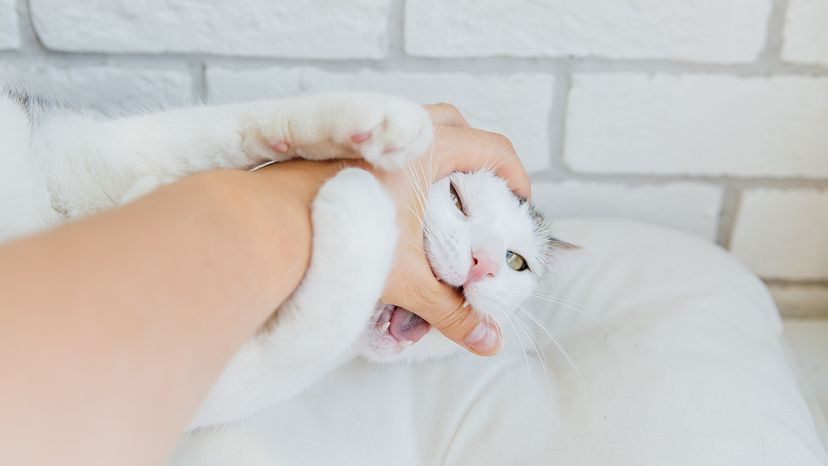
Sometimes cats bite softly as a form of play. They treat grooming like a game and use gentle bites to interact.
Note:Playful bites are usually light and not painful. Watch your cat’s body language to tell the difference.
Stress Or Anxiety
Stress makes cats more sensitive during grooming. They may bite to protect themselves or relieve anxiety.
| Stress Cause | Effect on Grooming |
| New environment | Biting to create distance |
| Loud noises | Increased irritability |
| Other pets nearby | Defensive biting |
Body Language Clues
Cats often use body language to show how they feel during grooming. Watching their signs helps you understand why they bite.
Knowing the clues can stop bites before they happen. Cats tell you when they are annoyed or scared.
Tail And Ear Movements
A cat’s tail and ears show strong emotions. A twitching tail or flattened ears warn you to be careful.
If the tail flicks quickly or the ears turn sideways, the cat may bite soon. These signs mean the cat feels stressed or angry.
- Tail flicking fast means irritation
- Tail lashing side to side shows annoyance
- Ears flat against the head mean fear or anger
- Ears turning sideways show discomfort
Vocalizations
Cats use sounds to share their feelings. Growling, hissing, or low meows warn you to stop grooming.
Quiet meows or purring usually mean the cat is calm, but sudden changes in sound can mean they want you to stop.
- Hissing means fear or anger
- Growling shows a warning
- Low meows may signal discomfort
- Purring usually means contentment
Facial Expressions
A cat’s face can tell you if it feels safe or upset. Narrowed eyes or a tense mouth show stress.
Wide eyes with dilated pupils or a wrinkled nose can mean the cat is ready to bite. Relaxed faces mean they enjoy the grooming.
- Narrowed eyes suggest discomfort
- Dilated pupils show fear or excitement
- Wrinkled nose signals a warning
- Relaxed mouth and eyes mean calm

Credit: www.reddit.com
How To Respond To Grooming Bites
Cats sometimes bite during grooming to show discomfort or stress. Understanding how to respond helps keep grooming safe.
Knowing why your cat bites can improve your handling and make grooming easier for both of you.
Recognizing Warning Signs
Cats give signs before they bite while being groomed. Watch their body language closely to avoid bites.
Signs include tail flicking, ears flattening, or sudden tensing of muscles. These show the cat feels uneasy.
- Swishing or flicking tail
- Ears turned backward or flat
- Sudden stiffening or freezing
- Growling or hissing sounds
- Quick glances at your hands or brush
Safe Handling Techniques
Handle your cat gently to reduce biting during grooming. Use calm and slow movements.
Support your cat’s body and avoid pulling fur or skin. Take breaks if the cat seems stressed.
- Hold the cat firmly but gently
- Use soft brushes designed for cats
- Stop grooming if the cat shows stress signs
- Speak softly to calm your cat
- Keep grooming sessions short and positive
Redirecting Biting Behavior
If your cat bites, gently stop grooming and give space. Teach your cat that biting ends grooming.
Offer toys or treats to redirect your cat’s energy and reward calm behavior during grooming.
- Pause grooming after a bite
- Give your cat a toy to bite instead
- Reward calm behavior with treats
- Practice grooming in short sessions
- Be patient and consistent with training
Preventing Grooming Bites
Cats may bite during grooming because they feel uncomfortable or scared. Biting is their way to say stop.
Preventing grooming bites helps keep your cat calm and safe. Use gentle methods and good timing.
Regular Grooming Schedule
Keep a steady grooming routine to help your cat get used to being brushed. This lowers stress and biting.
- Brush your cat at the same time each day or week
- Make grooming sessions short but frequent
- Watch your cat’s mood and stop if they get upset
- Reward your cat with treats or praise after grooming
Creating A Calm Environment
A quiet, safe space helps your cat relax during grooming. Avoid loud noises or distractions.
| Environment Factor | Tips |
| Noise Level | Keep sounds low and soft |
| Lighting | Use natural or soft light |
| Temperature | Make sure the room is warm but not hot |
| Comfort | Place a soft towel or mat for your cat |
Using Appropriate Tools
Choose grooming tools that fit your cat’s fur type. The right tools reduce pulling and biting.
- Use a soft brush for short-haired cats
- Try a wide-tooth comb for long-haired cats
- Pick grooming gloves for sensitive cats
- Keep tools clean and free of loose fur

Credit: www.goodrx.com
Credit: animals.howstuffworks.com
Frequently Asked Questions
Why Do Cats Bite During Grooming Sessions?
Cats may bite during grooming to set boundaries or show overstimulation. It’s their way of communicating discomfort or irritation.
Is Biting A Sign Of Affection In Cat Grooming?
Sometimes, gentle biting can be a sign of affection. However, hard bites usually indicate stress or annoyance during grooming.
How Can I Stop My Cat From Biting While Grooming?
To prevent biting, groom your cat gently and take breaks. Use treats and positive reinforcement to create a calm experience.
Are Cats More Likely To Bite When Stressed During Grooming?
Yes, stress and anxiety can increase biting behavior. A calm environment and gentle handling reduce stress and biting incidents.
Conclusion
Cats bite during grooming for several reasons. They might feel overstimulated or playful. Sometimes, it’s a way to communicate discomfort. Understanding these behaviors helps build a stronger bond. Observe your cat’s body language closely. This can prevent unexpected bites. Respect their grooming boundaries.
They appreciate gentle and slow approaches. Always ensure a comfortable grooming environment. This will make the process enjoyable for both. Remember, patience is key. With time, your cat’s trust will grow. Enjoy the grooming sessions together. They can be a special bonding time.