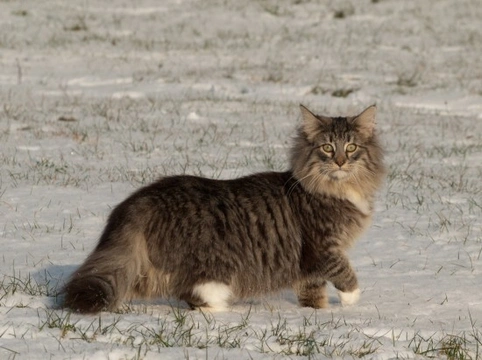
Have you ever wondered which domestic cat breed is the biggest? If you’re curious about giant felines that could almost be mistaken for small wildcats, you’re in the right place.
Knowing about the largest cat breeds can help you decide if one of these gentle giants might be the perfect fit for your home. Keep reading to discover which breed takes the crown and what makes these big cats so special.
Your next furry friend might just be a giant in disguise!

Credit: worldanimalfoundation.org
Largest Domestic Cat Breeds
Domestic cats come in many shapes and sizes. Some breeds grow much larger than others. These cats often have thick fur and strong bodies.
Here are four of the biggest domestic cat breeds. Each has unique features and size ranges that make them stand out.
Maine Coon
The Maine Coon is one of the largest domestic cat breeds. Males can weigh between 13 and 18 pounds. They have long, thick fur and bushy tails.
This breed is known for its friendly and playful nature. Maine Coons adapt well to families and other pets.
Savannah Cat
Savannah cats are tall and lean with spotted coats. They are a cross between domestic cats and wild servals. This breed can weigh up to 25 pounds.
- Long legs
- Large ears
- Active and curious personality
Norwegian Forest Cat
This breed has a thick double coat to survive cold climates. Norwegian Forest Cats can weigh between 12 and 16 pounds. They have strong muscles and a sturdy build.
| Trait | Description |
| Weight | 12-16 pounds |
| Fur | Thick double coat |
| Temperament | Calm and friendly |
Ragdoll
Ragdolls are large and muscular cats. They often weigh 15 to 20 pounds. These cats have soft, silky fur and blue eyes.
They are very gentle and like to relax in their owner’s arms. Ragdolls are perfect for quiet homes.

Credit: zigly.com
Physical Traits Of Giant Cats
The biggest domestic cat breed is known for its large size and strong build. These giant cats stand out from regular cats due to their impressive physical traits.
Understanding their size, coat, and unique features helps us see why these cats are special and loved by many.
Size And Weight
Giant domestic cats can weigh much more than typical cats. They have long bodies and strong muscles that add to their size.
Male cats of this breed often weigh between 15 to 25 pounds or more, while females are usually a bit lighter.
- Length can reach up to 40 inches from nose to tail
- Height at shoulder often exceeds 16 inches
- Weight typically ranges from 15 to 25 pounds
Coat And Color
The coat of giant cats is thick and soft, helping them stay warm in cold weather. Their fur can come in many colors and patterns.
Common coat colors include brown, black, silver, and cream. Patterns like tabby stripes or spots are also seen.
- Coat is dense and water-resistant
- Colors range from solid to mixed patterns
- Patterns include tabby, spotted, and classic
Distinctive Features
Giant cats have large ears with tufts of fur on the tips. Their eyes are big and expressive, often in green or gold shades.
They also have strong paws with extra fur between their toes, which helps them walk on snow and rough surfaces.
- Large ears with fur tufts on tips
- Big, bright eyes in green or gold
- Strong, furry paws with extra toe fur
- Long, bushy tail for balance
Temperament And Behavior
The biggest domestic cat breed is known not only for its size but also for its unique temperament and behavior. Understanding these traits helps owners give proper care.
This breed often displays friendly and calm behavior, making them great companions for many households.
Personality Traits
These large cats are gentle giants. They are patient and often show great affection to their owners. They enjoy quiet time but also like some play.
- Calm and relaxed
- Affectionate with family
- Patient with children
- Curious and intelligent
Social Interaction
This breed loves social time. They get along well with other pets and people. They do not like to be left alone for long.
| Interaction Type | Behavior |
| With Family | Loyal and loving |
| With Strangers | Friendly but cautious |
| With Other Pets | Generally tolerant |
| Alone Time | Dislikes long periods alone |
Activity Levels
Despite their size, these cats are active but not overly energetic. They enjoy playtime but also rest often.
- Moderate daily activity
- Enjoy interactive toys
- Need space to roam safely
- Rest frequently throughout the day

Credit: www.yahoo.com
Care Needs For Large Breeds
Large domestic cat breeds need special care to stay healthy. Their size means they have unique needs.
Understanding their diet, exercise, and health helps keep them happy and strong.
Diet And Nutrition
Big cats need food that supports their large bodies. They require more calories than smaller cats.
Protein is very important to keep their muscles strong. Choose high-quality cat food with real meat.
- Feed them larger portions but avoid overfeeding
- Include wet food for hydration
- Provide fresh water at all times
- Limit treats to prevent weight gain
Exercise Requirements
Large cats need daily activity to stay fit. Exercise helps prevent obesity and keeps joints healthy.
Provide toys and climbing spaces to encourage movement. Playtime should last at least 20 minutes each day.
- Use interactive toys like feather wands
- Create climbing areas with cat trees
- Engage in short, frequent play sessions
- Offer safe outdoor time if possible
Health Considerations
Large cat breeds can have health issues like joint pain and heart problems. Regular vet visits are important.
Watch for signs of discomfort or slow movement. Early treatment helps manage health problems well.
- Schedule yearly health checkups
- Monitor weight to avoid obesity
- Check teeth and gums regularly
- Give supplements if recommended by the vet
Choosing The Right Giant Cat
Giant domestic cats need special care and attention. They are different from regular cats. You must think about your home and lifestyle before adopting one.
Consider the space you have, your family’s needs, and the costs. These factors help you choose the right big cat for your home.
Living Space
Big cats need more room to move and play. Small apartments may not be enough. They enjoy climbing and stretching in wide spaces.
- Provide tall cat trees or shelves for climbing
- Clear space for running and playing
- Have quiet areas for resting
- Ensure rooms are safe and free of hazards
Compatibility With Families
Giant cats can be gentle and friendly. Some breeds get along well with children and other pets. Others prefer quiet homes.
| Breed | Good with Kids | Good with Other Pets |
|---|---|---|
| Maine Coon | Yes | Yes |
| Savannah | Sometimes | Depends on training |
| Norwegian Forest Cat | Yes | Yes |
Budget And Maintenance
Big cats need more food and care. Grooming takes extra time, especially for long-haired breeds. Vet visits can be more expensive.
- Cost of high-quality food
- Regular grooming tools or professional care
- Monthly health check-ups
- Special toys and accessories
Famous Giant Cats In Pop Culture
Giant domestic cats have captured the hearts of many people. Their size and charm make them stand out in movies, TV, and online.
This article explores some of the most famous giant cats seen in pop culture. These cats show the beauty of large domestic breeds.
Movies And Tv Shows
Big cats often appear in films and TV shows. Their size adds drama and fun to stories. Some giant cats are real stars.
- Garfield– The large orange cat from comics and TV is a favorite. He is lazy but lovable.
- Hobbes– From the comic strip “Calvin and Hobbes,” Hobbes is a big tiger with a wild imagination.
- Mr. Bigglesworth– This giant hairless cat is famous from the “Austin Powers” movies.
- Jonesy– The strong and brave cat on the spaceship in the “Alien” movies.
Internet Celebrities
Many giant cats become internet stars. Their photos and videos reach millions of fans worldwide.
| Name | Breed | Famous For |
| Colonel Meow | Himalayan | Long fur and big size |
| Venus | Chimera Cat | Two-faced look and large frame |
| Lil Bub | Perma-kitten | Unique looks and big eyes |
| Stewie | Maine Coon | Record holder for longest cat |
Frequently Asked Questions
What Is The Biggest Domestic Cat Breed?
The Maine Coon is the biggest domestic cat breed. Males can weigh up to 18 pounds or more. They are known for their large size and friendly nature.
How Big Do Maine Coon Cats Get?
Maine Coons typically weigh between 13 and 18 pounds. Some males can reach up to 25 pounds. Their length can exceed 40 inches, including the tail.
Are Maine Coons Good Pets For Families?
Yes, Maine Coons are gentle, social, and great with children. They adapt well to family life and enjoy interactive play.
What Other Large Cat Breeds Exist Domestically?
Other large breeds include the Savannah and Norwegian Forest Cat. They also have impressive size but generally are smaller than Maine Coons.
Conclusion
Exploring the biggest domestic cat breeds opens up a fascinating world. These cats impress with their size and unique personalities. From the gentle Maine Coon to the playful Ragdoll, each breed offers something special. They add joy and companionship to any home.
Choosing the right breed depends on your lifestyle and preferences. Always consider the cat’s needs and your living space. These giant cats require care and attention. But they offer love and loyalty in return. Embrace the adventure of having a large feline friend in your life.
It’s a journey worth taking.