Have you ever wondered what makes big cats so fascinating? These powerful creatures capture our imagination with their strength, beauty, and mysterious ways.
Whether it’s a lion’s roar that sends chills down your spine or a tiger’s stealthy move in the wild, big cats hold a special place in your curiosity. You’ll discover surprising facts and secrets about these majestic animals that will change the way you see them forever.
Get ready to dive into the world of big cats and unlock the wild stories behind their fierce eyes.
Big Cats Species
Big cats are large wild cats known for their strength and hunting skills. They live in different parts of the world. Each species has unique features and behaviors.
Understanding big cats helps us appreciate their role in nature. Let’s explore some of the most famous big cat species.
Lions
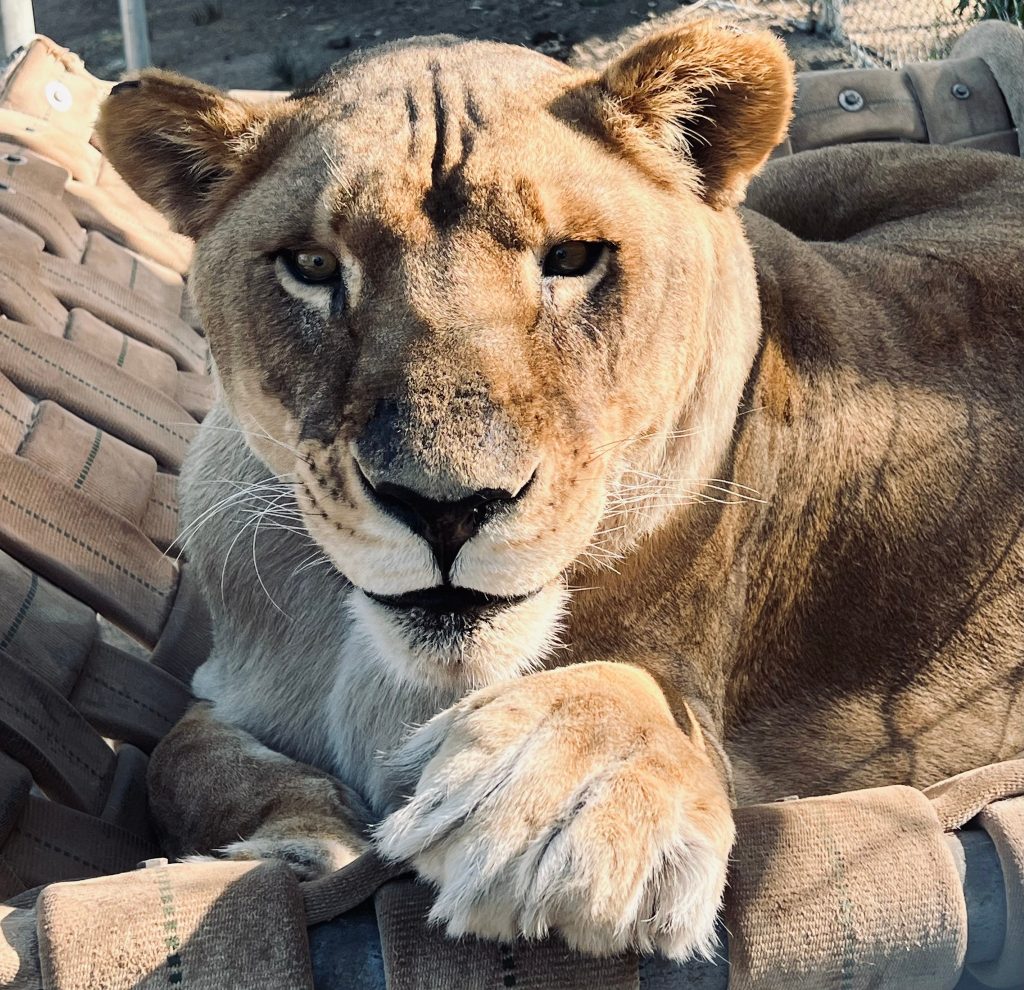
Lions are called the “king of the jungle.” They live mostly in Africa and a small part of India. Lions live in groups called prides. Male lions have a large mane of hair around their heads.
Tigers
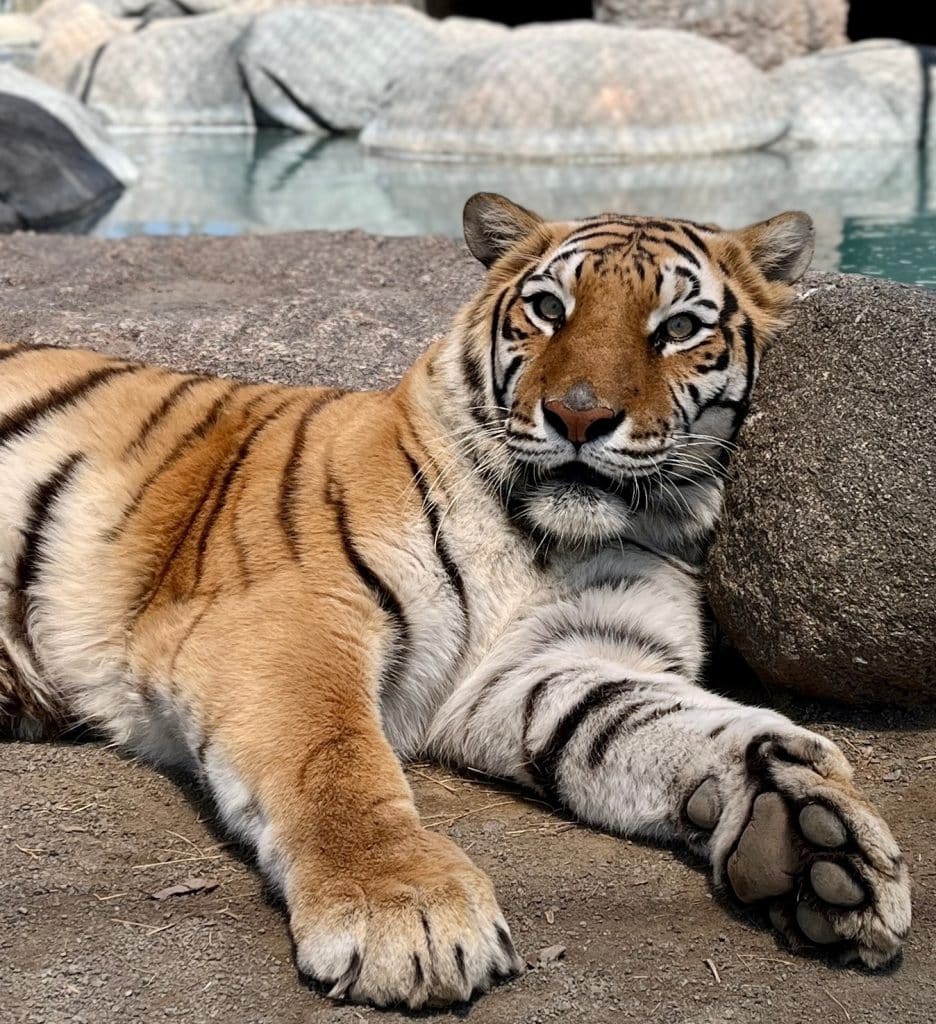
Tigers are the largest big cats. They have orange fur with black stripes. Tigers live alone in forests across Asia. They are very good swimmers and hunters.
Leopards
Leopards have spotted fur that helps them hide in trees and grass. They are very fast and strong climbers. Leopards live in Africa and parts of Asia. They hunt at night.
Jaguars
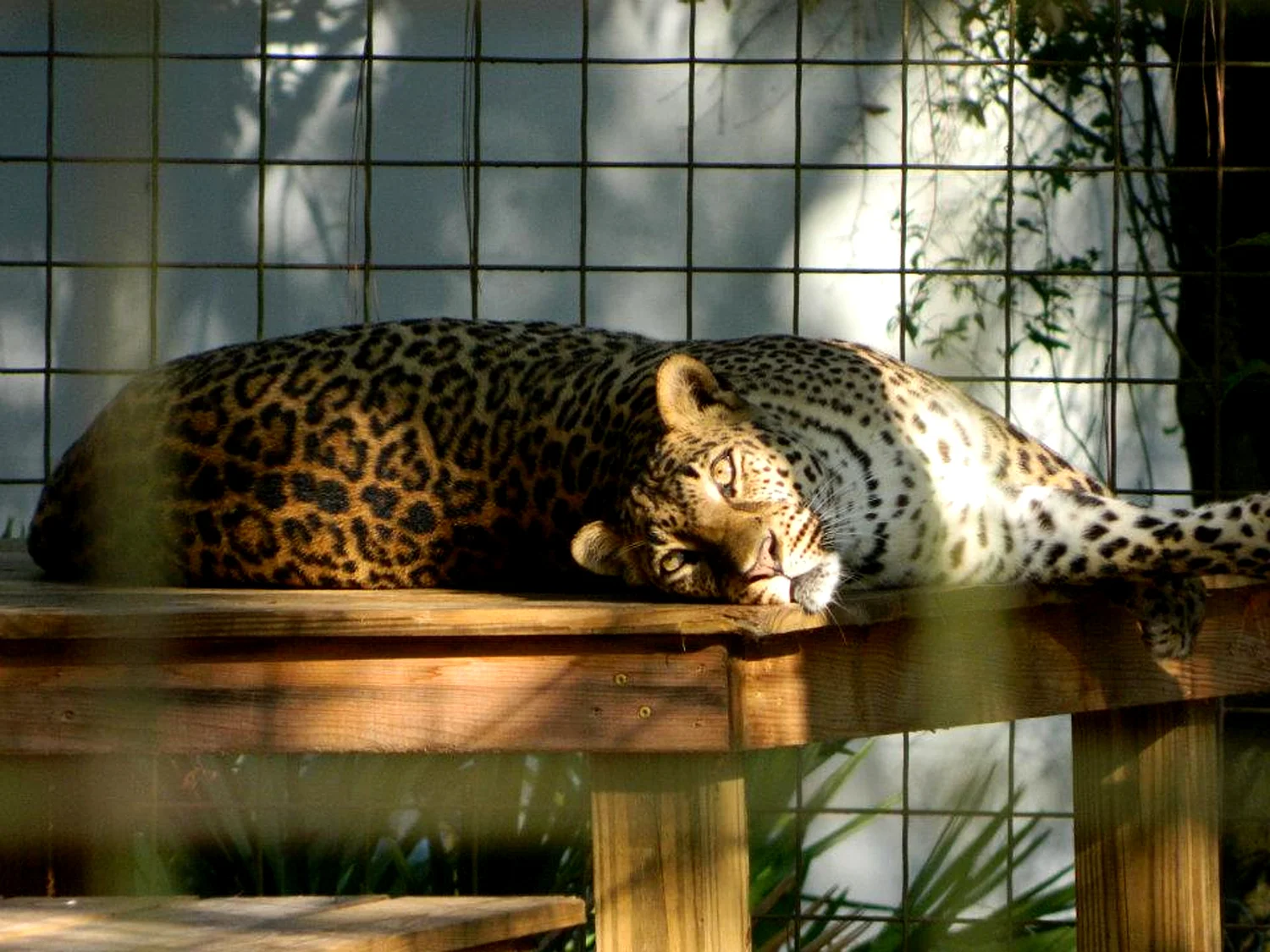
Jaguars are found in the rainforests of South America. They have yellow fur with black rosettes. Jaguars are great swimmers and often hunt near water. They have the strongest bite of all big cats.
Cheetahs
Cheetahs are the fastest land animals. They can run up to 70 miles per hour. Cheetahs have slim bodies and spotted fur. They live in open plains of Africa.
- Speed: Up to 70 mph
- Body: Slim and lightweight
- Hunting style: Chase prey quickly
- Habitat: Grasslands and savannas
Snow Leopards
Snow leopards live in cold mountain areas of Central Asia. They have thick fur and long tails. Their fur is gray with black spots. Snow leopards are very good at climbing rocky slopes.
Cougars
Cougars are also called mountain lions. They live in the Americas, from Canada to South America. Cougars have plain tan fur and are very strong. They are good hunters and can jump long distances.
| Species | Habitat | Special Trait |
| Lion | Africa, India | Lives in prides |
| Tiger | Asia | Largest big cat |
| Leopard | Africa, Asia | Excellent climber |
| Jaguar | South America | Strongest bite |
| Cheetah | Africa | Fastest land animal |
| Snow Leopard | Central Asia Mountains | Thick fur |
| Cougar | Americas | Good jumper |
Physical Traits
Big cats are powerful animals known for their unique physical traits. These traits help them survive in the wild.
Their bodies are built for strength, speed, and hunting. Each trait plays a key role in their life.
Size And Strength
Big cats have large, muscular bodies. This gives them great power to catch prey and defend themselves.
They can weigh from 200 to over 600 pounds. Their strong legs help them run fast and jump high.
- Lions can weigh up to 570 pounds
- Tigers are the largest, reaching over 600 pounds
- Leopards are smaller but very strong for their size
Coat Patterns
Big cats have different coat patterns that help them blend into their habitats. These patterns provide camouflage.
Some have spots, others have stripes or plain fur. These patterns also help them identify each other.
- Tigers have black stripes on orange fur
- Leopards and jaguars have spots called rosettes
- Lions usually have plain tan coats
Sensory Adaptations
Big cats have sharp senses. Their eyes can see well in low light, helping them hunt at dawn or dusk.
Their hearing is very sensitive. They can hear sounds from far away to detect prey or danger.
- Night vision helps in dark environments
- Large ears pick up quiet noises
- Strong sense of smell aids in tracking
Claws And Teeth
Big cats have sharp claws and strong teeth. Claws help them catch and hold prey tightly.
Their teeth are sharp for biting and tearing meat. The large canines are perfect for killing prey quickly.
- Retractable claws stay sharp for hunting
- Canine teeth can be over 3 inches long
- Strong jaws deliver powerful bites
Hunting Techniques
Big cats use many different ways to catch their prey. They rely on strength, speed, and clever tactics. Each species has special skills to hunt successfully.
Understanding how big cats hunt helps us learn about their behavior and survival. Their techniques are shaped by their environment and prey.
Stalking And Ambush
Big cats often sneak close to their prey before attacking. They move quietly and use cover like tall grass or trees. This helps them stay hidden.
Once near enough, they wait for the right moment to jump. This surprise attack gives prey little chance to escape. Ambush hunting is common in tigers and leopards.
- Move slowly and quietly
- Use natural cover for hiding
- Wait for prey to come close
- Launch a quick, powerful attack
Speed And Agility
Big cats rely on fast bursts of speed to catch prey. Cheetahs are the fastest, reaching speeds over 60 miles per hour. Other cats use quick moves to chase or dodge.
Agility helps big cats change direction fast. This skill is important when hunting animals that run in zigzags. Strong muscles and flexible bodies support their speed and balance.
- Run very fast in short bursts
- Change direction quickly
- Use strong legs for jumping and sprinting
- Keep balance with flexible bodies
Team Hunting
Some big cats hunt in groups to catch larger prey. Lions are famous for this behavior. They work together to surround and trap animals like zebras and buffalo.
Team hunting needs good communication and planning. Each member has a role to help catch prey quickly. Group hunting increases success rates and shares the food among pride members.
- Hunt in groups or prides
- Use teamwork to trap prey
- Communicate with sounds and signals
- Share food with group members
Territorial Behavior
Big cats mark and defend their hunting areas. This behavior protects their food supply. They use scent marks, scratches, and vocal calls to warn others.
Territorial behavior reduces fights and competition. It helps big cats control where they hunt and live. Strong territories mean better chances to find prey.
- Mark territory with scent and scratches
- Use loud calls to warn rivals
- Defend area from intruders
- Keep hunting grounds safe for food
Credit: www.lionstigersandbears.org
Habitats And Distribution
Big cats live in many places around the world. Their homes depend on the species and the climate.
They can be found in open areas, dense forests, and high mountains. Each habitat offers different challenges.
Savannas And Grasslands
Savannas and grasslands have wide open spaces with tall grasses. Big cats like lions and cheetahs live here.
These areas provide good hunting grounds with many prey animals. The open land helps cats spot prey from far away.
- Lions live mostly in African savannas.
- Cheetahs prefer grasslands with some bushes for hiding.
- Big cats use the tall grass to stalk prey quietly.
Forests And Jungles
Many big cats live in thick forests and jungles. Tigers and leopards are common in these areas.
Dense trees and plants give them cover to hunt and hide. These cats climb trees to avoid danger or find food.
- Tigers live in Asian forests with many rivers.
- Leopards adapt well to both rainforests and dry forests.
- Forests provide shade and shelter during hot days.
Mountainous Regions
Some big cats live in high mountain areas. Snow leopards are known for living on rocky slopes.
These cats have thick fur to stay warm. They move carefully on steep cliffs and rocks.
- Snow leopards live in Central Asia’s cold mountains.
- Mountain lions live in North and South American mountain areas.
- Big cats use their strong legs to jump between rocks.
Adaptation To Environments
Big cats change their behavior and body for their homes. This helps them survive in different places.
They have special skills like camouflage and strong senses. These help them hunt and avoid danger.
- Coat colors match the environment for better hiding.
- Big paws help cats walk on snow or soft ground.
- Sharp eyes and ears detect prey in dense or open places.
- Powerful muscles allow quick sprints or long climbs.
Role In Ecosystems
Big cats play a vital role in keeping ecosystems healthy and balanced. They help control the population of other animals.
By doing this, they support the growth of plants and the survival of many species. Their presence affects many parts of the environment.
Predator-prey Balance
Big cats keep prey populations in check. This balance stops overgrazing and helps plants grow. Without predators, prey animals can multiply too fast.
- They hunt weak and sick animals, which keeps prey healthy.
- They prevent any one species from taking over an area.
- This balance helps other animals and plants survive.
Impact On Biodiversity
Big cats support biodiversity by controlling species numbers. Healthy prey populations allow many plants and animals to thrive. This variety is important for strong ecosystems.
| Effect | Description |
| Population Control | Limits prey numbers to sustainable levels |
| Habitat Protection | Prevents overuse of resources by herbivores |
| Species Diversity | Supports many types of plants and animals |
Keystone Species Effects
Big cats are keystone species. Their presence shapes the entire ecosystem. Removing them can cause major changes and harm many species.
Here are some keystone effects caused by big cats:
- Regulating prey populations to prevent habitat damage
- Creating food sources for scavengers through leftovers
- Influencing the behavior of herbivores to protect plants

Credit: www.montereyzoo.org
Conservation Challenges
Big cats face many threats that put their future at risk. These threats come from changes in their environment and human activities.
Understanding these challenges helps people protect big cats and their homes better.
Habitat Loss
Big cats need large areas of land to hunt and live. Forest cutting and land use for farming shrink these spaces. This loss makes it hard for big cats to find food and mates.
Poaching And Illegal Trade
Big cats are hunted for their fur, bones, and other body parts. Illegal trade drives this hunting. Poaching reduces their numbers and hurts wild populations.
- Fur for clothing and decoration
- Bones for traditional medicines
- Claws and teeth for trophies
- Live animals for illegal pet trade
Human-wildlife Conflict
Big cats sometimes attack livestock near villages. Farmers may kill these cats to protect their animals. This conflict leads to fewer big cats in the wild.
| Cause | Effect |
| Big cats hunting livestock | Farmers kill cats in return |
| People moving into wild areas | Less space for big cats |
| Fear and misunderstanding | Fewer efforts to protect cats |
Conservation Efforts
Many groups work to save big cats. They protect habitats and fight illegal hunting. Education helps people live safely near big cats.
Key conservation actions include:
- Creating protected parks and reserves
- Using technology to track big cats
- Working with local communities
- Stopping illegal trade through laws
Cultural Significance
Big cats have held an important place in many cultures around the world. They are often seen as symbols of power, bravery, and mystery.
People have included big cats in stories, art, and traditions for thousands of years. Their presence continues to inspire respect and awe.
Symbolism In Mythology
Big cats appear in myths and legends from many different cultures. They often represent strength, protection, and leadership. For example, the lion is called the “King of Beasts” in many stories.
- In ancient Egypt, the goddess Sekhmet had the head of a lioness and was a symbol of war and healing.
- The tiger is a symbol of courage and power in many Asian cultures.
- In Native American tales, the mountain lion is seen as a protector and guide.
Representation In Media
Big cats are common in movies, books, and art. They often show qualities like bravery and wild beauty. These animals help tell stories that connect people to nature.
| Media Type | Example | Big Cat Featured | Symbolism |
| Film | The Lion King | Lion | Leadership and family |
| Book | The Jungle Book | Tiger | Strength and danger |
| Art | Chinese Paintings | Tiger | Power and protection |
Ecotourism And Awareness
Big cats attract tourists to wild places. Seeing these animals in nature helps people learn about their lives and the need to protect them.
- Ecotourism helps local communities earn money while protecting habitats.
- Visitors gain respect for wildlife and support conservation efforts.
- Big cats become symbols for saving endangered species.
Credit: www.whyanimalsdothething.com
Frequently Asked Questions
What Species Are Classified As Big Cats?
Big cats include lions, tigers, leopards, jaguars, and snow leopards. They belong to the Panthera genus. These species are known for their size, strength, and roaring ability. They are apex predators in their habitats worldwide.
How Do Big Cats Communicate In The Wild?
Big cats communicate using roars, growls, body language, and scent marking. Roaring helps mark territory and attract mates. Body postures show aggression or submission. Scent marks establish boundaries and signal reproductive status to others.
Where Do Big Cats Typically Live?
Big cats inhabit diverse regions like forests, savannas, mountains, and grasslands. Tigers prefer dense jungles, lions thrive in African savannas, and snow leopards live in mountainous areas. Their habitats provide ample prey and shelter.
What Threats Do Big Cats Face Today?
Big cats face threats from habitat loss, poaching, and human-wildlife conflict. Illegal hunting targets their fur and body parts. Habitat fragmentation reduces prey availability. Conservation efforts aim to protect these vulnerable species.
Conclusion
Big cats captivate us with their strength and beauty. They roam diverse habitats, from dense jungles to open savannas. Each species has unique traits and behaviors. Conservation efforts are crucial for their survival. Protecting these majestic creatures is a shared responsibility.
Awareness and education play important roles. Every small action helps in preserving their future. Let’s cherish and protect big cats. Their presence enriches our world. Together, we can ensure they thrive for generations.