
Imagine hearing a tiny, distressed meow and discovering your curious cat stuck inside a can. It’s a scary moment that can leave you feeling helpless and worried.
But don’t panic—help is at hand. You’ll learn simple, effective steps to safely rescue your furry friend without causing harm. By the end, you’ll feel confident and prepared, turning a frightening situation into a quick, calm rescue. Keep reading to find out exactly what to do if your cat gets stuck in a can.
Signs Your Cat Is Stuck
Cats can sometimes get trapped in tight spaces or objects. Knowing the signs helps you act quickly.
Watch your cat’s behavior and body for clues that it might be stuck and needs help.
Behavioral Clues
If your cat is stuck, it may act differently than usual. It might try to get free but fail.
Look for signs like unusual meowing or restless movements. These can mean your cat is trapped.
- Continuous loud meowing or crying
- Repeated pawing or scratching at a spot
- Restlessness or pacing in one area
- Sudden stops in movement or freezing
- Attempts to escape but no success
Physical Indicators
Check your cat’s body for signs of being stuck. It may have marks or injuries from trying to escape.
Look for swollen areas or dirt on the fur. These signs can show where the cat is trapped.
- Scratches or cuts on paws or face
- Swelling in limbs or body parts
- Dirt, dust, or debris on fur
- Unnatural body position or stiffness
- Visible objects stuck on or around the cat

Credit: www.yahoo.com
Immediate Safety Measures
When your cat is stuck in a can, acting quickly is key. Keeping your cat calm and safe helps avoid injuries. Follow clear steps to handle the situation carefully.
Start by understanding your cat’s mood and the can’s position. This helps you plan the best way to help your cat without causing stress or harm.
Calming Your Cat
Your cat may be scared and upset. Speak in a soft voice and move slowly. Avoid sudden actions that might frighten your cat more.
- Lower your body to the cat’s level to seem less threatening.
- Offer gentle pets if your cat allows it.
- Use a calm and quiet tone to soothe your cat.
- Keep other pets and loud noises away from the area.
- Provide a safe space nearby for your cat to retreat after rescue.
Assessing The Situation
Look closely at how your cat is stuck. Check the can’s size, the cat’s position, and any signs of injury. This helps decide the safest way to free your cat.
| Factor | What to Check | Notes |
| Can Size | Is the can wide enough to remove safely? | Smaller cans need more care to avoid cuts. |
| Cat Position | Is the cat’s head, paw, or body stuck? | Head stuck is more urgent than paw. |
| Injury Signs | Look for bleeding or swelling. | If present, contact a vet immediately. |
| Tools Nearby | Check if you have safe tools to open the can. | A can opener or scissors may be needed. |
Tools To Use For Rescue
Rescuing a cat stuck in a can needs the right tools. Using safe and gentle equipment helps avoid harm to the cat and rescuer.
This guide shows common household items and specialized equipment useful for this kind of rescue.
Household Items
You can use many tools found at home to help free a cat safely. These items help calm the cat and open the can carefully.
- Towels to gently hold the cat and protect your hands
- Spoon or butter knife to carefully pry open the can lid
- Scissors for cutting tape or soft plastic around the can
- Gloves to protect your hands from scratches
- Flashlight to see inside the can better
Specialized Equipment
Some tools made for animal rescue or first aid can make the job easier and safer.
| Tool | Purpose |
| Cat Muzzle | Prevents cat from biting during rescue |
| Pet Carrier | Safe place to hold the cat after rescue |
| Wire Cutters | Cut metal can lids if needed |
| Soft Grabber Tool | Gently pull cat or loosen can parts |
| Veterinary Shears | Cut tough material around the cat carefully |

Credit: www.aol.com
Step-by-step Rescue Process
Sometimes cats get their heads stuck inside cans. This can be scary for the cat and you. You need to help the cat safely and calmly.
Follow these steps to rescue your cat without hurting it. Take your time and be gentle.
Preparing The Area
Clear the space around your cat. Remove anything that might scare or hurt the cat. Make sure you have good light to see clearly.
Gather the tools you might need. These include gloves, scissors, and a towel. Keep the cat calm by speaking softly.
- Find a quiet room with little noise
- Have a towel ready to wrap the cat
- Wear gloves to protect your hands
- Use scissors only if needed for cutting
- Keep calm to avoid stressing the cat
Gentle Extraction Techniques
Do not pull hard on the can. Pulling can hurt the cat’s neck or head. Try to loosen the can carefully.
If the can is tight, use scissors to cut it. Cut slowly and watch the cat’s skin. Stop if the cat shows signs of pain.
- Hold the cat gently but firmly
- Try to twist the can slowly to loosen it
- Use blunt scissors to cut the can if needed
- Place a towel around the cat’s head for safety
- Stop and check the cat’s comfort often
When To Seek Professional Help
Sometimes a cat gets stuck in a can and needs help. Knowing when to call a professional can save your cat’s life.
Not all stuck cats need a vet, but some signs show it is urgent. Learn the signs and what a vet can do.
Signs Of Distress
Watch your cat closely for signs of pain or trouble. These signs mean you should get help fast.
- Heavy breathing or panting
- Meowing loudly or crying
- Swelling or redness around the stuck area
- Bleeding or cuts from the can
- Weakness or inability to move
- Excessive drooling or vomiting
- Shaking or trembling
Veterinary Assistance
Veterinarians have tools and skills to help cats stuck in cans safely. They can prevent pain and infection.
| Service | What It Involves | Why It Helps |
| Safe Removal | Use special tools to open the can | Prevents injury to the cat |
| Wound Care | Clean and treat cuts or bruises | Stops infection and speeds healing |
| Pain Relief | Give medicine to ease pain | Makes the cat more comfortable |
| Observation | Watch for shock or internal damage | Detects problems early |
Preventing Future Incidents
Cats can get stuck in cans if the cans are not handled safely. It is important to prevent these accidents. You can protect your cat by changing how you dispose of cans and making your home safer.
Following simple tips can keep your cat safe from getting trapped. Let’s look at two key areas: safe can disposal and cat-proofing your home.
Safe Can Disposal
Throwing away cans carefully stops cats from getting stuck inside. Always check cans before you throw them out. Remove sharp edges and cover openings to keep pets safe.
- Rinse cans to remove food smells that attract cats.
- Use a can opener that removes the entire lid safely.
- Crush cans flat so cats cannot fit inside.
- Place cans in a sealed trash bag or bin immediately.
- Keep trash bins covered and out of your cat’s reach.
Cat-proofing Tips
Making your home safer helps prevent cats from getting stuck in small spaces. Block or remove items that can trap your cat. Watch where your cat plays and explore.
| Cat-Proofing Action | Reason |
| Keep kitchen counters clean | Stops cats from jumping near cans and trash |
| Store cans and containers in cupboards | Prevents cats from accessing them |
| Seal or remove small openings | Blocks places where cats could get stuck |
| Provide safe toys and climbing areas | Keeps cats busy and away from dangerous spots |
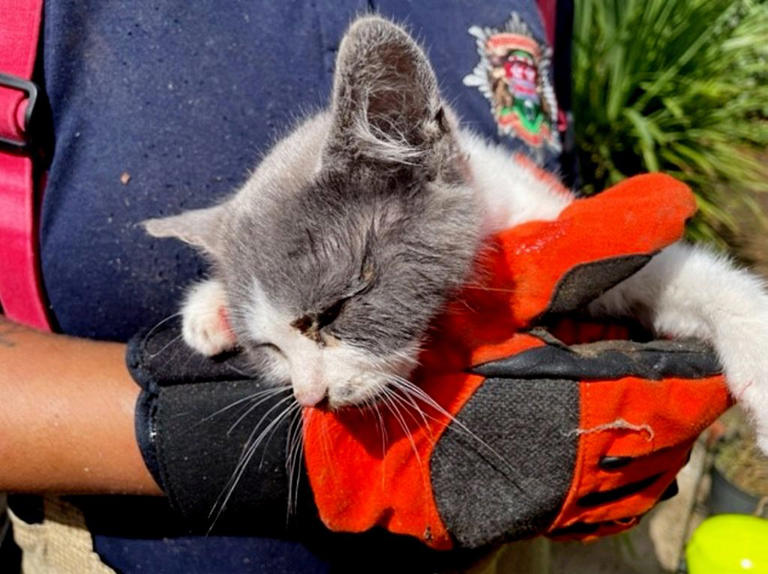
Credit: www.msn.com
Frequently Asked Questions
How To Safely Rescue A Cat Stuck In A Can?
Gently calm the cat to reduce stress. Carefully cut or pry open the can using safe tools. Avoid sudden movements to prevent injury. If unsure, contact animal rescue professionals for help.
What Risks Do Cats Face In Cans?
Cats can suffer cuts, choking, or suffocation inside cans. The metal edges may cause injuries. Prolonged entrapment leads to dehydration and panic. Immediate rescue minimizes health risks.
Can I Use Household Tools To Free A Cat?
Yes, use blunt scissors or tin snips carefully. Avoid sharp tools that might harm the cat. Protect your hands with gloves. If tools aren’t safe, call animal control.
When Should I Seek Professional Help For Rescue?
If the cat struggles violently or the can is hard to open, seek professionals. Also, if you notice bleeding or severe distress, call animal rescue immediately.
Conclusion
A cat trapped in a can is a serious situation. Swift action saves lives. Always stay calm. Approach the cat gently. Use safe tools to help. Call a vet if you’re unsure. Remember, safety first for you and the cat.
This experience teaches important lessons. Be prepared for emergencies. Pets depend on us for care. We must act responsibly. Share this story with friends. Awareness can prevent future mishaps. Every small action counts. Let’s keep our furry friends safe and sound.