Have you ever wondered which house cats are the biggest? If you think all cats are small and cuddly, you’re in for a surprise.
Some domestic cats grow to impressive sizes that might leave you amazed. Knowing about the largest house cats can change how you see your feline friend—and maybe even inspire your next pet choice. Keep reading to discover the giants of the cat world and learn what makes these big cats so special.

Credit: worldanimalfoundation.org
Big Cat Breeds
Some house cats grow much larger than others. These big cat breeds stand out for their size and strength.
They look majestic and need special care due to their size. Let’s explore three popular large house cat breeds.
Maine Coon Traits
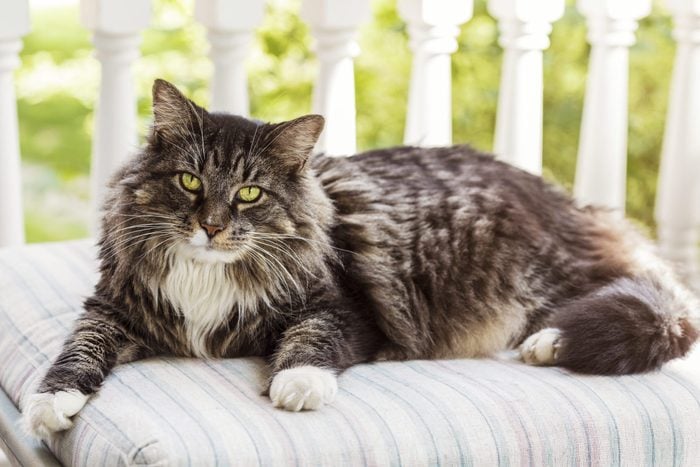
The Maine Coon is one of the largest house cats. They have long fur and tufted ears that give them a wild look.
- Weight: 10 to 25 pounds
- Length: Up to 40 inches from nose to tail tip
- Friendly and sociable nature
- Thick, water-resistant coat
- Strong hunting instincts
Savannah Cat Features
Savannah cats are a crossbreed with wild African servals. They have tall legs and spotted coats.
| Feature | Description |
| Size | Up to 25 pounds |
| Height | Up to 17 inches at the shoulder |
| Coat | Spotted, short to medium fur |
| Temperament | Active, curious, and playful |
Norwegian Forest Cat Size
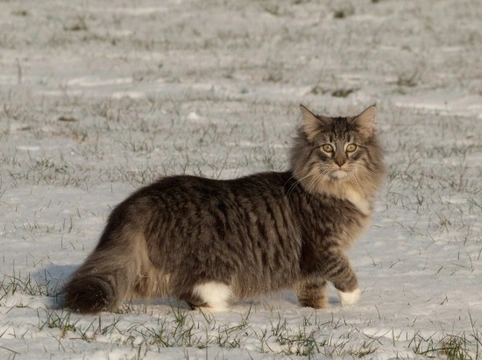
The Norwegian Forest Cat is built for cold climates. They have a thick coat and a sturdy body.
| Trait | Details |
|---|---|
| Weight | 12 to 16 pounds |
| Length | Up to 36 inches |
| Fur | Long and dense with woolly undercoat |
| Build | Muscular and solid |
Credit: www.rd.com
Record-breaking Cats
Some house cats grow larger than most people expect. These cats set records for their size. They show how big a domestic cat can become.
We look at the heaviest, longest, and tallest domestic cats. Each has unique features that make them stand out.
Heaviest Domestic Cats
The heaviest domestic cats weigh much more than usual. Some reach over 30 pounds. These cats are large but still healthy.
One of the heaviest cats ever recorded was a male named Himmy from Australia. He weighed 44 pounds. This weight is rare for house cats.
- Himmy: 44 pounds (record holder)
- Typical heavy cats: 20–30 pounds
- Large breeds like Maine Coons often weigh more
Longest Domestic Cats
Longest cats measure from nose to tail tip. Some cats grow over four feet long. This length includes their long tails.
Stewie, a Maine Coon, held the record for the longest cat. He measured 48.5 inches long. This size is very rare in house cats.
- Stewie: 48.5 inches long
- Maine Coons are known for their length
- Length includes body and tail
Tallest Standing Cats
Tallest cats stand higher than most others. They look like small wild cats when standing on their legs. This height is measured from paws to shoulders.
Arcturus Aldebaran Powers, a Savannah cat, was one of the tallest. He stood over 16 inches tall at the shoulder. Savannah cats are known for their height.
- Arcturus Aldebaran Powers: 16+ inches tall
- Savannah cats are very tall
- Height is from paw to shoulder
Factors Influencing Size
The size of the largest house cats depends on many factors. These factors include genetics, diet, and environment.
Understanding these can explain why some cats grow much bigger than others.
Genetics And Breeding
Genetics play a key role in a cat’s size. Some breeds naturally grow larger. Breeders select cats with bigger sizes to produce large kittens.
- Maine Coon cats often weigh 13–18 pounds or more.
- Siberian cats have strong genes for large size and muscle.
- Norwegian Forest cats grow tall and heavy with thick fur.
Diet And Nutrition
Good nutrition helps cats reach their full size. A balanced diet with proteins and vitamins supports healthy growth.
| Nutrition Factor | Effect on Size |
| High protein food | Builds muscle and weight |
| Essential fatty acids | Supports healthy skin and fur |
| Vitamins and minerals | Helps bone and organ growth |
Environment And Activity
Cats that live in safe, large spaces move more. Exercise helps build muscle and strong bones. Stress-free homes also promote better growth.
Factors influencing cat size in the environment include:
- Space to roam and climb
- Regular play and exercise
- Low stress and good care

Credit: worldanimalfoundation.org
Caring For Giant Cats
Largest house cats need special care to stay happy and healthy. They differ from regular cats in size and needs.
Understanding their space, diet, and health is important for good care. This helps giant cats live longer lives.
Space And Exercise Needs
Giant cats need more room to move and play. Small spaces can make them stressed or lazy.
Daily exercise keeps their muscles strong and weight normal. Provide toys and climbing areas for activity.
- Give a large area for running or jumping
- Use sturdy cat trees for climbing
- Play with interactive toys to encourage movement
Special Dietary Requirements
Big cats eat more food but need balanced diets. Their meals must have protein, fats, and vitamins.
Overfeeding causes obesity. Use measured portions and avoid too many treats.
- Feed high-quality cat food with extra protein
- Include wet food to keep them hydrated
- Limit snacks to maintain healthy weight
Health Considerations
Large cats can have health issues like joint problems. Regular vet visits catch problems early.
Watch their weight and check for signs of pain or discomfort. Groom often to keep fur clean.
- Schedule yearly health check-ups
- Monitor for arthritis or mobility issues
- Brush their coat to reduce hairballs
Famous Large Cats
Large house cats often capture our attention with their size and presence. These cats are not only big but also have unique stories and traits.
Many famous large cats have made their mark as pets or in popular culture. Their size and charm make them memorable.
Notable Pet Giants
Some pet cats grow much bigger than the average house cat. These giants often belong to certain breeds known for their large size.
- Maine Coon: Known as the largest domestic cat breed, males can weigh up to 18 pounds.
- Savannah Cat: A hybrid breed, these cats can be taller and heavier than typical house cats.
- Norwegian Forest Cat: Strong and sturdy, this breed often reaches impressive sizes.
- Ragdoll: Large and muscular, Ragdolls are gentle giants with striking blue eyes.
Cats In Media And Culture
Large cats often appear in movies, books, and internet culture. They become symbols of power, mystery, or just playful giants.
| Cat | Media Appearance | Notable Trait |
| Garfield | Comic Strip & TV | Large, lazy, and witty |
| Cheshire Cat | Alice in Wonderland | Mysterious grin and size changes |
| Simba | The Lion King | Majestic and large lion |
| Puss in Boots | Shrek Films | Large-eyed, clever feline |
Frequently Asked Questions
What Are The Largest Domestic House Cat Breeds?
The largest domestic house cat breeds include the Maine Coon, Savannah, and Ragdoll. These breeds can weigh up to 20 pounds. They have long bodies, thick fur, and muscular builds, making them appear larger than typical house cats.
How Big Can A Maine Coon Cat Get?
Maine Coon cats can grow up to 40 inches long, including the tail. They typically weigh between 13 and 18 pounds, with some males reaching over 20 pounds. This makes them one of the largest domestic cat breeds.
Are Savannah Cats Bigger Than Regular House Cats?
Yes, Savannah cats are generally larger than regular house cats. They can weigh between 12 and 25 pounds. Their long legs and lean bodies contribute to their large appearance and impressive height.
What Makes A Ragdoll Cat Large In Size?
Ragdoll cats are large due to their muscular bodies and long fur. They can weigh between 10 and 20 pounds. Their relaxed nature and size make them popular as gentle giant pets.
Conclusion
Big cats can make great companions. Their size is impressive, offering more to love and cuddle. Maine Coon, Savannah, and Ragdoll are popular choices. These breeds offer unique traits and personalities. They bring joy and warmth to any home. Remember to consider their care needs.
Large cats need space and regular grooming. Researching their requirements can help in making the right choice. Each breed has its charm and quirks. Find the perfect feline friend for your home. Explore the world of large house cats today.
Enjoy their company and embrace their playful nature.