Have you ever looked at your furry friend and wondered how many different types of house cats there really are? You might think all cats look similar, but the truth is, there’s a surprising variety of breeds, each with its own unique traits and personalities.
Knowing about these breeds can help you understand your cat better or even choose the perfect one for your home. Stick with me, and you’ll discover fascinating facts that will change the way you see your feline companions forever. Ready to find out how many breeds of house cats exist?
Let’s dive in!
Cat Breed Categories
There are many breeds of house cats worldwide. These breeds fall into different categories based on their origin and traits.
Understanding these categories helps you know more about each type of cat. The main groups are pedigree breeds, hybrid breeds, and non-pedigree varieties.
Pedigree Breeds
Pedigree breeds are cats with a known family history. They have been bred for specific traits and looks.
These cats often have official breed standards and are recognized by cat organizations.
- Siamese
- Maine Coon
- Persian
- Bengal
- Scottish Fold
Hybrid Breeds
Hybrid breeds come from crossing domestic cats with wild cat species. This mix gives them unique looks and behaviors.
These cats need special care due to their wild ancestry.
- Bengal (Asian Leopard Cat mix)
- Chausie (Jungle Cat mix)
- Savannah (Serval mix)
Non-pedigree Varieties
Non-pedigree varieties are cats without a known breed history. They are often called domestic cats or moggies.
These cats come in many shapes, sizes, and colors. They make great pets too.
- Domestic Shorthair
- Domestic Longhair
- Mixed Breed Cats
Popular Cat Breeds
House cats come in many breeds with different looks and personalities. Some breeds are well-known and loved worldwide. Each breed has unique traits that make it special.
Below are some popular cat breeds you may meet or want to learn about. Their history, appearance, and character vary widely.
Siamese
The Siamese cat is famous for its striking blue eyes and sleek body. It has a short coat with color points on its ears, face, paws, and tail.
Siamese cats are very vocal and social. They enjoy being around people and often follow their owners closely.
Maine Coon
Maine Coons are large cats with long, thick fur. They have tufted ears and bushy tails that help them stay warm in cold climates.
- Known for friendly and gentle nature
- Great with children and other pets
- Very playful and intelligent
Persian
Persian cats have long, luxurious fur and a flat face. They need regular grooming to keep their coats clean.
These cats are calm and enjoy quiet environments. They like to relax and often show affection in gentle ways.
Bengal
| Trait | Description |
| Coat | Spotted or marbled with wild leopard-like patterns |
| Energy | Very active and playful |
| Personality | Curious and intelligent |
| Size | Medium to large |
Bengal cats look wild but are friendly and loyal pets. They need space and toys to stay happy.
Sphynx
The Sphynx cat is known for its hairless appearance. Its skin feels warm and soft to touch.
They are playful, loving, and crave human attention. Owners must bathe them often because of oily skin.
Breed Recognition Organizations
Many house cat breeds exist worldwide. Different groups recognize these breeds. They set the standards and rules for each breed.
These organizations help breeders and cat lovers understand breed traits. They also organize cat shows and competitions.
Cat Fanciers’ Association (cfa)
The CFA is one of the oldest cat breed organizations. It started in 1906 in the United States. CFA recognizes 44 cat breeds today. Each breed has a detailed standard for appearance and behavior.
CFA works to protect purebred cats and promote their welfare. It hosts many cat shows every year.
International Cat Association (tica)
TICA began in 1979 and accepts many new breeds. It is an international group with members worldwide. TICA recognizes more than 70 cat breeds. The group encourages breed development and education.
- Allows new and rare breeds
- Focuses on breed diversity
- Hosts large international cat shows
- Supports breeders and cat owners
Governing Council Of The Cat Fancy (gccf)
GCCF is the main cat registry in the United Kingdom. It was founded in 1910. GCCF recognizes 40 cat breeds. The council sets the rules for breed standards and registrations.
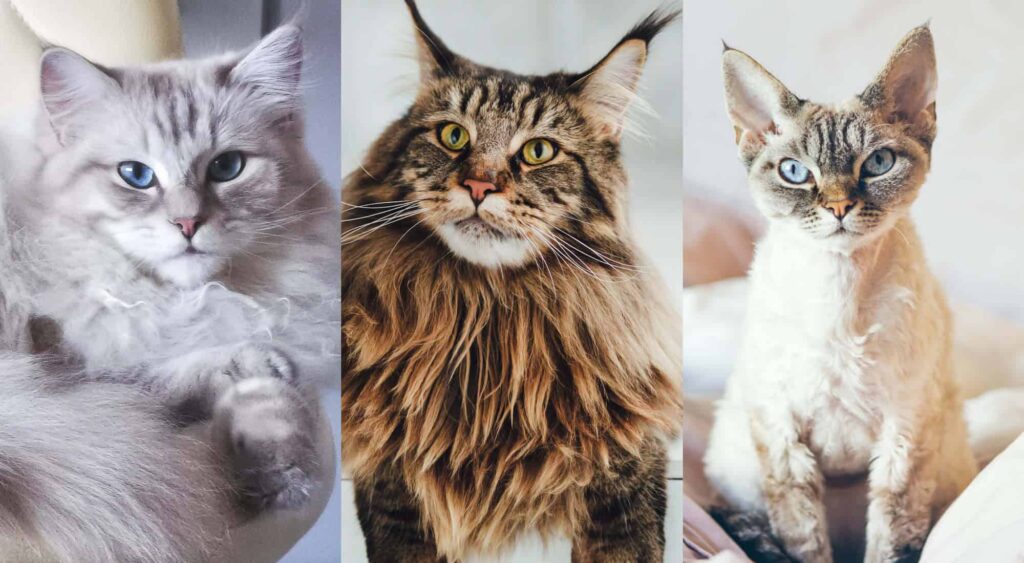
| Breed | Origin | Recognition Year |
| British Shorthair | United Kingdom | 1910 |
| Scottish Fold | Scotland | 1966 |
| Persian | Iran | 1910 |
| Sphynx | Canada | 1998 |
Credit: rawznaturalpetfood.com
Breed Count Variations
Many people wonder how many breeds of house cats exist. The answer varies depending on who you ask. Different cat organizations recognize different numbers of breeds.
This variation can confuse cat lovers and breeders. Understanding why counts differ helps explain the variety of cat breeds worldwide.
Differences Across Organizations
Cat organizations have their own standards and rules. They decide which breeds to recognize officially. This leads to different breed counts among groups.
- The International Cat Association (TICA) recognizes about 73 breeds.
- The Cat Fanciers’ Association (CFA) lists around 44 breeds.
- The Fédération Internationale Féline (FIFe) accepts 48 breeds.
- The Governing Council of the Cat Fancy (GCCF) recognizes 40 breeds.
Reasons For Breed Discrepancies
Several factors cause breed counts to differ. Some groups merge similar breeds. Others split breeds into sub-breeds or new breeds. The history and genetics of cats also play a role.
| Reason | Description |
|---|---|
| Breed Recognition Rules | Some organizations have strict rules for recognizing breeds. |
| Genetic Differences | New breeds may arise from genetic research and breeding. |
| Geographic Preferences | Some regions prefer certain breeds over others. |
| Breed Merging or Splitting | Groups may combine or separate breeds based on traits. |
| Historical Changes | Breed status can change over time with new information. |
Traits Influencing Breed Classification
House cats come in many breeds. Each breed has unique traits that help classify them.
These traits include how cats look, act, and their genetic background. They help experts group cats into breeds.
Physical Features
Physical features are the most noticeable traits of cat breeds. These include size, coat type, and color patterns.
Some breeds have long hair while others have short or no hair. Body shape and ear style also differ between breeds.
- Coat length: short, medium, or long
- Coat patterns: solid, striped, spotted, or patched
- Body size: small, medium, or large
- Ear shape: pointed, folded, or rounded
- Eye color and shape
Temperament
Temperament means how a cat behaves and reacts to people and other animals. It helps identify breed traits.
Some breeds are calm and quiet, while others are playful and active. Social skills and friendliness vary too.
- Activity level: low, medium, or high
- Social behavior: shy, friendly, or independent
- Vocalization: quiet or talkative
- Affection: loving or reserved
Genetics
Genetics is the study of inherited traits. It plays a big role in breed classification.
Genes control physical and behavioral traits. Breeders use genetic tests to confirm breed identity.
- Gene markers show breed origin
- Inherited diseases help identify breeds
- Genetic diversity affects breed traits
Rare And Emerging Breeds
There are many breeds of house cats, but some are rare or new. These breeds are not common yet.
Rare and emerging breeds show how cat diversity is growing. People enjoy discovering these unique cats.
Newly Recognized Breeds
Newly recognized breeds have official status from cat organizations. They often have unique looks or traits.
Examples include the Lykoi, known as the “werewolf cat,” and the Dwelf, a small cat with curled ears.
- Lykoi: A cat with a patchy coat that looks like a wolf.
- Dwelf: A mix of Munchkin, Sphynx, and American Curl breeds.
- Kurilian Bobtail: A breed with a short, bobbed tail from Russia.
Breeds In Development
Breeds in development are still being bred and tested. They may become official in the future.
These cats often combine traits from existing breeds or come from new mutations.
- Highlander: A breed with curled ears and a wild look.
- Jungle Curl: Cats with curled ears and spotted coats.
- Minuet: A short-legged cat with a rounded face.
Choosing The Right Breed
There are many breeds of house cats to choose from. Each breed has different traits and needs.
Picking the right breed helps you enjoy your pet’s company. It also makes caring for them easier.
Lifestyle Considerations
Think about your daily life before picking a cat breed. Some cats need lots of play and attention.
Other breeds like quiet time and are happy alone. Match a cat’s energy with your lifestyle for best results.
- Active people may like playful breeds like Siamese
- Busy people might prefer calm breeds like British Shorthair
- Families with children often choose gentle breeds like Ragdolls
- Small homes suit cats that need less space
Health Factors
Each breed can have health issues to watch for. Some cats may get sick more often than others.
Learn about common health problems for the breed you like. This helps you prepare for proper care.
- Persian cats may have breathing problems
- Maine Coons can face joint issues
- Sphynx cats need skin care due to no fur
- Regular vet visits keep your cat healthy
Maintenance Needs
Some cat breeds need more grooming and care than others. Consider how much time you have.
Long-haired cats need daily brushing. Short-haired cats require less grooming but still need care.
- Long-haired cats like Persians need daily brushing
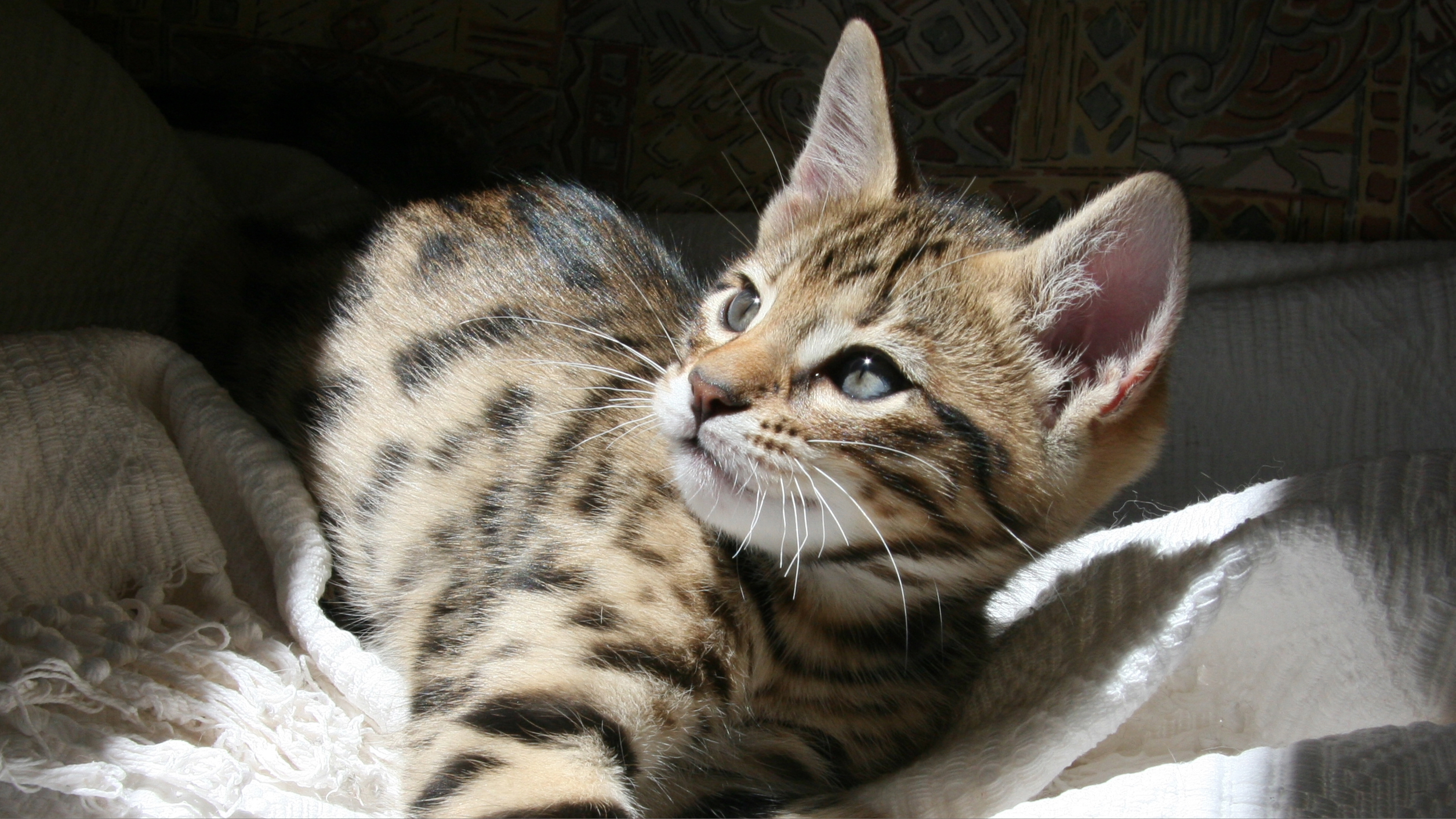
- Short-haired cats like Bengals need weekly brushing
- Cats with special diets may need extra effort
- Regular nail trimming and dental care are important

Credit: pet-tags.co.uk
Credit: www.petsradar.com
Frequently Asked Questions
How Many Recognized House Cat Breeds Exist Worldwide?
There are about 70 to 75 recognized house cat breeds globally. Different cat associations may list slightly varied numbers. Each breed has unique traits and appearances, offering diverse choices for cat lovers.
What Defines A Breed Of House Cat?
A house cat breed is defined by specific physical traits and genetics. Breeds share common ancestry and consistent characteristics. These traits include fur type, color, size, and temperament. Breed standards guide their classification in cat registries.
Are New House Cat Breeds Still Being Developed?
Yes, new house cat breeds are occasionally developed through selective breeding. Breeders focus on enhancing unique features or health traits. Some new breeds gain recognition after meeting strict standards. This keeps the diversity of cat breeds growing.
How Do House Cat Breeds Differ In Personality?
House cat breeds differ in personality based on genetics and environment. Some breeds are more social, playful, or independent. Knowing breed traits helps owners match cats to their lifestyle. However, individual cats may vary from breed norms.
Conclusion
House cats come in many breeds, each with unique traits. From the playful Siamese to the fluffy Persian, choices are vast. Every breed offers something special. Some are quiet, others more vocal. Each cat has its charm and personality. Knowing the number of breeds helps in choosing the right pet.
It’s fascinating to explore these diverse breeds. Whether you’re a cat lover or just curious, understanding breeds enhances the bond with your feline friend. Embrace the variety and find the perfect match for your home. Cats truly enrich our lives with their companionship.