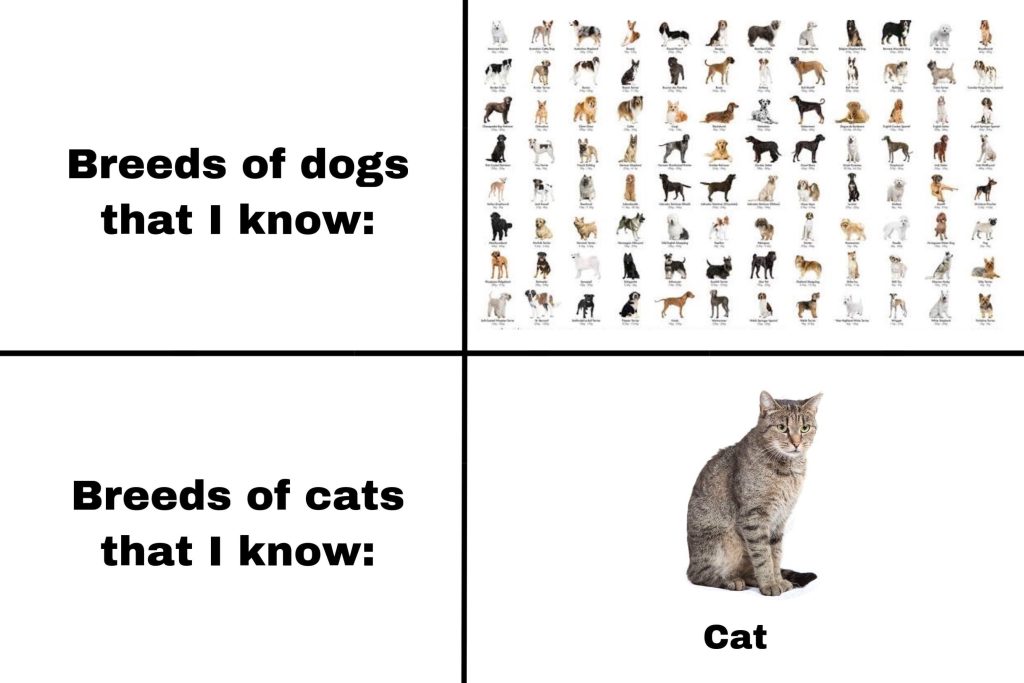
Have you ever looked at a cat and wondered, “What breed is this?” Knowing your cat’s breed can tell you a lot about their personality, health, and needs. But with so many breeds out there, it can feel confusing to figure it out.
Don’t worry—this guide will help you spot the key signs that reveal your cat’s breed. By the end, you’ll have the confidence to identify your feline friend’s background and understand them even better. Keep reading to discover simple tips that anyone can use!
Cat Breed Basics
Identifying a cat’s breed helps understand its personality and care needs. Many breeds share traits, but each has unique features.
This guide covers common breeds, their characteristics, and how to spot physical traits.
Common Cat Breeds
Some cat breeds are popular worldwide. Knowing their names and traits helps you recognize them.
- Siamese:Sleek body, blue almond-shaped eyes, and short coat.
- Maine Coon:Large size, tufted ears, and long thick fur.
- Persian:Round face, flat nose, and long soft coat.
- Bengal:Spotted or marbled coat, muscular build, and active nature.
- Ragdoll:Blue eyes, semi-long fur, and relaxed temperament.
Breed Characteristics
Each breed has traits that affect behavior and health. These help tell one breed from another.
| Breed | Personality | Activity Level | Grooming Needs |
| Siamese | Vocal and social | High | Low |
| Maine Coon | Gentle and friendly | Medium | High |
| Persian | Calm and quiet | Low | Very high |
| Bengal | Playful and curious | High | Medium |
| Ragdoll | Docile and loving | Low | Medium |
Physical Traits To Note
Look closely at body shape, coat type, and eye color. These clues help identify the breed.
- Coat length: short, medium, or long
- Coat pattern: solid, striped, spotted, or patched
- Eye color: blue, green, yellow, or copper
- Ear shape: pointed, rounded, or tufted
- Body size: small, medium, or large
Examining Physical Features
To tell a cat’s breed, look closely at its physical features. These traits give clues about its background.
Pay attention to the coat, body shape, eyes, and ears. Each part can help you identify the breed.
Coat Patterns And Colors
Coat patterns and colors vary a lot between breeds. Some cats have spots, stripes, or solid colors.
Common patterns include tabby, calico, and pointed. Colors range from black and white to orange and gray.
- Tabby:Stripes, swirls, or spots on a lighter background
- Calico:White with large patches of orange and black
- Pointed:Darker color on ears, face, paws, and tail
- Solid:One color all over
Body Size And Shape
Different breeds have unique body sizes and shapes. Some cats are small and slender, others are large and muscular.
Look at how long the legs are and if the body is round or slim. This helps narrow down the breed.
- Slender:Long legs and narrow body, like Siamese
- Muscular:Strong, stocky build, like Maine Coon
- Compact:Short legs and a round body, like British Shorthair
Eye Shape And Color
Eye shape and color vary among cat breeds. Eyes can be round, almond-shaped, or oval.
Eye colors include green, blue, gold, and copper. Some breeds have unique eye features.
- Almond-shaped:Seen in Siamese and Oriental breeds
- Round:Common in British Shorthairs and Persians
- Blue eyes:Often found in Siamese and Ragdolls
- Odd eyes:Two different colors, seen in some Turkish Vans
Ear Types And Placement
Ear shape and position help identify breeds. Some cats have large ears, others small or folded.
Look at where the ears sit on the head. Wide-set or close together ears show breed traits.
- Large, upright ears:Seen in Abyssinians and Orientals
- Small, rounded ears:Typical of British Shorthairs
- Folded ears:A unique feature of Scottish Folds
- Wide-set ears:Common in Maine Coons
Behavioral Clues
Figuring out a cat’s breed can be tricky by looks alone. Watching their behavior gives useful hints.
Different breeds often show unique habits and ways they act. These clues help identify your cat’s breed.
Activity Levels
Some cat breeds are very active and love to play all day. Others prefer quiet time and rest more.
For example, Siamese cats are known for high energy and constant movement. Persian cats tend to be calm and slow.
- Active cats run, jump, and explore often
- Less active cats like long naps and gentle play
- Watch your cat’s daily habits to see their energy level
Social Tendencies
Some breeds love being around people and other pets. Others prefer to be alone or with only a few close friends.
Burmese cats often enjoy social time and attention. Russian Blues might be shy and keep to themselves.
- Friendly cats seek attention and enjoy petting
- Shy cats hide or keep distance from strangers
- Observe how your cat acts around guests and other animals
Vocalization Patterns
Different breeds use sounds in their own ways. Some cats talk a lot, others are quiet.
Siamese cats are famous for loud, frequent meows. Scottish Folds usually make soft or few sounds.
- Vocal cats meow to get attention or express feelings
- Quiet cats rarely use sounds and stay silent
- Listen to your cat’s usual noise level and style

Credit: www.teacherspayteachers.com
Using Technology
Technology helps identify a cat’s breed accurately. Tools like DNA kits and apps make it easy.
These tools give clear results without needing expert knowledge.
Dna Testing Kits
DNA kits analyze your cat’s genetic makeup. You collect a sample, send it to a lab, and get results.
- Order a kit online or buy from pet stores
- Use a swab to collect cells from your cat’s mouth
- Mail the sample to the lab
- Receive a detailed report on breed and health traits
Mobile Apps For Breed Identification
Apps use photos to identify cat breeds. They compare your cat’s features with breed databases.
| App Name | Main Feature | Price |
| CatScanner | Photo recognition | Free with ads |
| PetBreed ID | Multiple cat breeds | Paid |
| Breed Finder | Breed history info | Free |
When To Consult Experts
Figuring out a cat’s breed can be tricky. Some cats look alike but have different breeds. Experts can help you identify the right breed.
Knowing when to ask for expert help saves time and gives you clear answers. Here are some experts to consider.
Veterinarians
Veterinarians know a lot about cats’ health and traits. They can often tell if a cat has features of certain breeds.
If your cat shows unique physical traits or health issues linked to specific breeds, vets can guide you. They may suggest tests or check your cat’s records.
Professional Breeders
Breeders have deep knowledge about cat breeds. They can spot breed traits that most people miss.
If you want to know your cat’s breed for showing or breeding, ask a professional breeder. They can also help with breed standards and history.
Cat Fanciers Associations
Cat Fanciers Associations are groups that register purebred cats. They keep detailed records about breeds and traits.
You can contact these associations for breed identification help. They offer resources and may verify breed papers if you have them.

Credit: apps.apple.com
Common Misconceptions
Many people think they can tell a cat’s breed just by looking at it. This is not always true. Cats can have similar looks but different breeds.
Sometimes, people confuse mixed breed cats with purebreds. This leads to wrong guesses about a cat’s breed.
Mixed Breed Identification
Most cats are mixed breeds, also called domestic cats. They do not belong to one specific breed. Their features come from many breeds over time.
Mixed breed cats can have traits from several breeds. This makes it hard to say what breed they are just by looks.
- Coat color and pattern vary widely in mixed breeds
- Body shape and size can overlap between breeds
- Personality traits do not always match breed standards
Myths About Specific Breeds
Some breeds have myths that are not true. People often believe these myths and think all cats of that breed behave the same.
For example, some think Siamese cats are always loud or that Maine Coons are big and slow. These ideas do not apply to every cat.
- Not all Siamese cats are very vocal
- Maine Coons can be playful and fast
- Persian cats are not always calm or lazy
- Breed does not guarantee personality or behavior
Caring For Your Identified Breed
Knowing your cat’s breed helps you care for it better. Each breed has unique needs.
Proper care improves your cat’s health and happiness. Learn what your breed requires.
Diet And Nutrition
Different breeds may need special diets. Some cats need more protein or fat.
Feed high-quality food made for your cat’s age and breed size. Fresh water is important too.
- Check breed-specific dietary needs
- Avoid foods harmful to cats
- Feed measured portions to avoid obesity
- Offer treats in moderation
Grooming Needs
Some breeds have long or thick fur that needs daily brushing. Others need less grooming.
Regular grooming stops mats and reduces shedding. It also helps spot skin problems early.
- Brush long-haired cats daily
- Short-haired cats need weekly brushing
- Check ears and clean if needed
- Trim nails regularly
Health Concerns
Each breed can have common health issues. Knowing these helps with early care and treatment.
Visit the vet regularly for checkups. Keep vaccinations and parasite control up to date.
- Research breed-specific illnesses
- Watch for signs of common diseases
- Keep a clean living space
- Provide mental and physical exercise

Credit: www.teacherspayteachers.com
Frequently Asked Questions
How Can I Identify My Cat’s Breed At Home?
Observe your cat’s size, coat pattern, and eye color. Compare these traits with breed profiles online. Use cat breed identification apps for quick help.
What Are Common Traits Of Popular Cat Breeds?
Siamese cats have slender bodies and blue eyes. Maine Coons are large with bushy tails. Persians have flat faces and long fur. These traits help distinguish breeds.
Can A Vet Confirm My Cat’s Breed?
Yes, vets can assess physical traits and behavior to suggest a breed. For accuracy, they may recommend DNA testing to identify your cat’s breed.
Is Dna Testing Reliable For Cat Breed Identification?
DNA tests analyze genetic markers to reveal breed ancestry. They provide accurate and detailed breed information. It’s the most precise method to know your cat’s breed.
Conclusion
Identifying a cat’s breed can be an exciting journey. Observe their physical traits closely. Look at their fur, eyes, and body shape. These details often hold clues. Check their behavior too. Some breeds are playful; others are calm. Remember, mixed breeds might have unique traits.
Consult a vet or a cat expert for more insights. They can help verify your findings. Understanding your cat’s breed enriches your bond. It helps you cater to their needs better. Enjoy the process and cherish your feline friend. Every cat is special in its own way.