Are you fascinated by tiny, adorable cats that fit perfectly in your lap or even your hands? If you’ve ever wondered which cat breeds are the smallest and why they make such charming companions, you’re in the right place.
Discovering the tiniest feline friends can change how you think about cats forever. Keep reading to find out which breeds steal the spotlight with their petite size and big personalities—you might just find your perfect little furry friend!
Credit: thelittlecarnivore.com
Tiny Cat Breeds At A Glance
Small cat breeds are popular for their cute size and friendly nature. They fit well in apartments and small homes.
These tiny cats often have unique looks and playful personalities. They make great companions for many people.
Singapura
Singapura cats are one of the smallest breeds in the world. They weigh around 4 to 8 pounds.
They have large eyes and ears with a short, fine coat. Singapura cats are very curious and active.
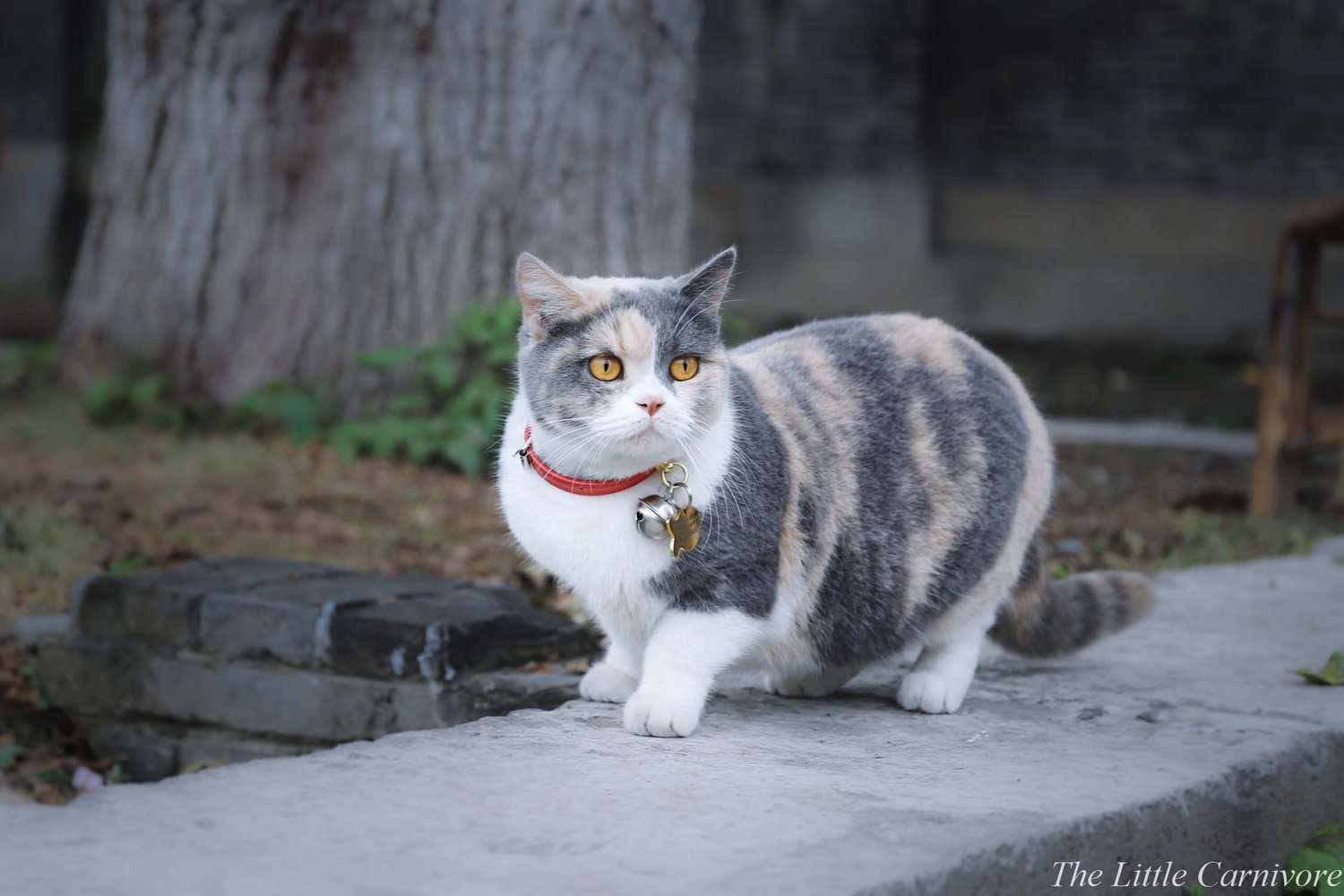
Minskin
Minskin cats are small with short legs and a compact body. They usually weigh 5 to 9 pounds.
This breed has a soft coat and a friendly, playful nature. They enjoy spending time with their owners.
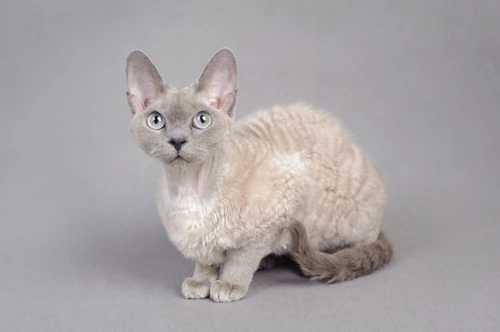
Devon Rex
Devon Rex cats are small with slender bodies and large ears. They weigh between 5 and 10 pounds.
Their curly coat is soft and short. Devon Rex cats love to be active and enjoy human company.
Cornish Rex
Cornish Rex cats are slim and light, weighing about 6 to 10 pounds. They have a unique wavy coat.
This breed is playful and smart. Cornish Rex cats like to climb and explore their environment.
Toyger
Toyger cats look like small tigers but stay compact and light. They weigh around 7 to 12 pounds.
This breed is calm and enjoys being near people. Their striped coat is short and soft.
Singapura: The Petite Powerhouse
The Singapura cat is one of the smallest cat breeds in the world. Despite its size, it has a strong and lively personality.
This breed is known for its playful nature and unique look. It is a favorite among those who want a small but active pet.
Physical Traits
Singapura cats are very small and light. Adults usually weigh between 4 to 8 pounds.
They have short, fine fur with a warm sepia tone. Their eyes are large and almond-shaped, often green or hazel.
- Small body size
- Short, silky coat
- Large, expressive eyes
- Muscular and agile build
- Distinct ticked tabby pattern
Personality And Behavior
Singapura cats are curious and playful. They enjoy exploring and interacting with people.
They often form strong bonds with their owners. These cats are social and love attention.
- Active and energetic
- Affectionate with family
- Enjoys playtime and toys
- Good with children and other pets
- Intelligent and quick learners
Care Tips
Singapura cats need regular play and exercise to stay happy. Provide climbing spaces and toys.
Brush their coat once a week to keep it shiny. Check their ears and teeth often for cleanliness.
- Daily interactive play
- Weekly grooming sessions
- Healthy, balanced diet
- Regular vet check-ups
- Safe indoor environment
Minskin: Short Legs And Big Charm
The Minskin is one of the smallest cat breeds in the world. It is known for its short legs and playful personality.
This breed combines unique features with a sweet nature. Many people find the Minskin both cute and friendly.
Unique Appearance
The Minskin has very short legs like a dwarf cat. It has a small, compact body that looks different from other cats.
Its fur is soft and short, with color points on its ears, face, paws, and tail. The contrast makes the Minskin stand out.
- Short legs due to a dwarf gene
- Small body size, often under 6 pounds
- Color points on ears, face, paws, and tail
- Soft, short coat
Temperament
Minskines are friendly and love to be around people. They enjoy playing and are very curious.
This breed is also gentle and good with children and other pets. It likes to cuddle and be part of family life.
- Friendly and social
- Playful and curious
- Good with kids and other pets
- Loves to cuddle
Health Considerations
Because of their short legs, Minskin cats need special care. Joint problems can happen if they jump too much.
Regular vet check-ups help keep them healthy. Owners should watch their diet to avoid weight issues.
- Possible joint and bone issues
- Needs gentle play and exercise
- Regular vet visits recommended
- Monitor weight for health
Kinkalow: The Curled-eared Mini
The Kinkalow is one of the smallest cat breeds in the world. It is known for its unique curled ears and compact size.
This breed is a mix between the Munchkin and American Curl cats. It has a playful nature and a sweet personality.
Distinct Features
Kinkalows have short legs like the Munchkin breed. Their ears curl backward, giving them a special look. They have a soft, short coat that comes in many colors.
- Short legs with a sturdy body
- Curled ears that fold backward
- Wide-set eyes and round face
- Soft, dense fur with various colors
Activity Level
| Activity Type | Description |
| Playful | Enjoys toys and interactive games |
| Curious | Likes to explore small spaces |
| Active | Moves quickly despite short legs |
| Social | Friendly with humans and other pets |
The Kinkalow loves to play but also enjoys quiet time. It adapts well to indoor living and is happy with regular play sessions.
Grooming Needs
Grooming is simple for the Kinkalow. Its short coat needs brushing once a week to stay clean and healthy.
- Brush coat weekly to remove loose hair
- Check ears regularly for cleanliness
- Trim nails every two weeks
- Brush teeth to maintain dental health
Dwelf: The Elf Cat
The Dwelf cat is one of the smallest cat breeds. It is known for its unique look and tiny size.
This breed combines features from other small cats and has a friendly nature.
Breed Characteristics
Dwelf cats have a short, curly coat and large ears that look like an elf’s. They weigh between 4 to 6 pounds. Their bodies are compact and muscular.
- Curly, soft fur
- Large, pointed ears
- Short legs
- Compact body shape
- Weight: 4-6 pounds
Social Traits
Dwelf cats are playful and enjoy attention. They form strong bonds with their owners. They get along well with other pets and children.
| Trait | Description |
| Playfulness | High, loves to play with toys |
| Affection | Very affectionate and social |
| Compatibility | Good with other pets and kids |
| Vocality | Moderate, enjoys communicating |
Living Environment
Dwelf cats adapt well to indoor living. They need warm spaces because of their thin coat. They enjoy cozy beds and quiet places.
- Indoor homes suit them best
- Keep warm due to thin fur
- Provide soft bedding
- Quiet areas help them relax

Credit: www.petsradar.com
Napoleon: The Friendly Dwarf
The Napoleon cat is one of the smallest cat breeds in the world. It is known for its short legs and friendly nature. This breed is a mix of the Munchkin and Persian cats.
People like Napoleons because they are gentle and easy to care for. They enjoy spending time with their owners and other pets.
Physical Description
Napoleon cats have short legs, which make them look dwarf-like. Their bodies are compact and sturdy. They have round faces and big eyes.
Their fur is thick and soft, often long like a Persian cat’s coat. They come in many colors and patterns.
- Short legs and small stature
- Round head with large eyes
- Thick, soft fur, usually long
- Wide range of colors and patterns
Personality
Napoleons are very friendly and loving cats. They enjoy being around people and other pets. They are playful but calm.
These cats like to cuddle and follow their owners around the house. They are smart and curious but not too active.
- Friendly with family and pets
- Enjoys playtime and cuddles
- Curious but calm temperament
- Loyal and social companions
Health And Longevity
Napoleon cats are generally healthy but may face some issues. Their short legs can cause joint problems. Regular vet check-ups help catch problems early.
With good care, Napoleons live about 12 to 15 years. Proper diet, exercise, and grooming keep them happy and healthy.
- Possible joint and bone issues
- Regular vet visits needed
- Lifespan of 12 to 15 years
- Needs balanced diet and exercise
Choosing The Right Tiny Cat
Small cat breeds make great pets for many homes. Their size can fit well with different lifestyles. Before choosing, consider how a tiny cat will fit your daily life.
Each small breed has unique needs. Learning about lifestyle, space, and allergies helps you find the best tiny cat for you.
Lifestyle Compatibility
Small cats often have active and playful personalities. Some enjoy being around people more than others. Consider your daily routine and how much time you can spend with your pet.
- Do you work long hours? Choose a cat that likes to be independent.
- Do you have children? Find a breed known for patience and gentleness.
- Are you home often? Pick a breed that loves attention and play.
Space Requirements
Small cats need enough space to move and explore. Even tiny cats need room for toys and scratching posts. Think about your home size before choosing a breed.
| Cat Breed | Average Weight | Space Needs |
|---|---|---|
| Singapura | 4-6 lbs | Small apartments |
| Minskin | 5-7 lbs | Medium homes with play areas |
| Devon Rex | 6-9 lbs | Homes with climbing spaces |
Allergy Considerations
Some small breeds cause fewer allergy problems. This can make them better pets for sensitive people. Note that no cat is fully hypoallergenic, but some breeds produce less dander.
Breeds with lower allergen levels include:
- Sphynx (hairless, less dander)
- Devon Rex (short, wavy coat)
- Balinese (called “long-haired Siamese”)
Regular grooming also helps reduce allergens.
Common Health Issues In Small Breeds
Small cat breeds have unique health challenges. Knowing these helps owners keep them healthy.
Some health problems are linked to their size and breed genetics. Careful attention is needed.
Genetic Concerns
Small breeds may inherit certain diseases. These can affect their heart, bones, or kidneys.
- Hypertrophic cardiomyopathy is common in some small breeds.
- Patellar luxation causes knee joint problems.
- Polycystic kidney disease can lead to kidney failure.
Preventive Care
Good preventive care reduces health risks. Proper diet and exercise are essential for small cats.
| Care Aspect | Advice |
| Nutrition | Feed balanced food made for small breeds |
| Exercise | Encourage daily play to keep joints healthy |
| Grooming | Regular brushing to prevent hairballs |
Regular Vet Visits
Routine checkups help catch problems early. Vaccines and screenings protect your cat.
- Schedule yearly health exams.
- Ask about breed-specific tests.
- Monitor weight and behavior changes.
Caring For Tiny Cats
Tiny cats are special and need gentle care. Their small size means they have unique needs.
Understanding how to care for small breeds helps keep them happy and healthy.
Nutrition Needs
Small cats need food rich in nutrients to support their fast metabolism. They eat less but need quality food.
- Feed high-protein cat food made for small breeds.
- Give small, frequent meals daily to keep energy steady.
- Provide fresh water at all times to keep them hydrated.
- Avoid overfeeding to prevent obesity.
Exercise And Play
Exercise is important for tiny cats to stay strong and agile. Playtime also helps prevent boredom.
| Type of Play | Benefits |
| Chasing toys | Improves hunting skills |
| Interactive games | Strengthens bond with owner |
| Climbing activities | Builds muscle and coordination |
| Quiet time with soft toys | Calms and comforts the cat |
Safe Home Setup
Tiny cats need a home that feels safe and cozy. Their small size makes them more vulnerable.
- Use small, soft bedding in quiet areas.
- Remove small objects they can swallow.
- Keep dangerous plants and chemicals out of reach.
- Block off high places that are unsafe to jump from.
- Provide scratching posts and hiding spots for comfort.

Credit: www.yahoo.com
Frequently Asked Questions
What Are The Smallest Cat Breeds In The World?
The smallest cat breeds include the Singapura, Minskin, and Dwelf. These cats typically weigh between 4 to 7 pounds. They are known for their petite size and playful nature, making them ideal pets for small living spaces.
How Small Do Miniature Cats Usually Get?
Miniature cats generally weigh between 4 to 7 pounds when fully grown. Their height ranges from 5 to 8 inches at the shoulder. These cats remain small due to genetics and selective breeding, maintaining their compact size throughout their lives.
Are Small Cat Breeds Healthy And Long-lived?
Yes, many small cat breeds like the Singapura are healthy and have long lifespans. Proper care, diet, and regular vet check-ups contribute to their wellness. However, some miniature breeds may face genetic health issues, so responsible breeding is essential.
What Personality Traits Do Tiny Cat Breeds Have?
Small cat breeds are often playful, affectionate, and curious. They enjoy interactive play and bonding with their owners. Despite their size, these cats have lively and confident personalities, making them excellent companions for families and singles alike.
Conclusion
Tiny cats bring big joy. These small breeds fit any home. Easy to care for. Perfect companions for families or singles. Their playful nature entertains endlessly. Each breed has unique traits. Some are extra friendly. Others love a good cuddle.
Consider your lifestyle before choosing. Cats like Singapura or Munchkin might suit you. They stay small but have big hearts. Enjoy their company and cherish their quirks. Remember, every cat deserves love and attention. Small size, but big commitment. Ready to welcome a tiny feline friend?
They’ll bring warmth and happiness into your life. Explore and find your perfect match!