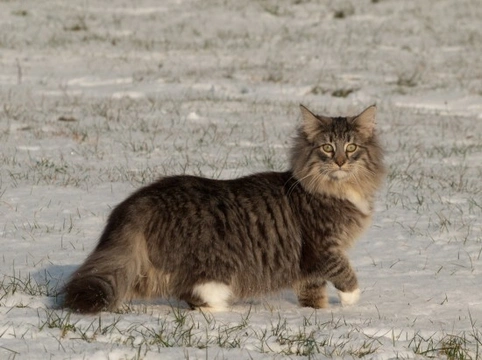
Have you ever wondered about those big house cats you see in pictures or at friends’ homes? These majestic pets aren’t just regular cats—they have a unique charm that sets them apart.
If you’re curious about what makes these big house cats special and whether one could be the perfect addition to your home, you’re in the right place. Keep reading to discover fascinating facts and helpful insights that will change how you think about these gentle giants.
Your next feline friend might just be waiting here!
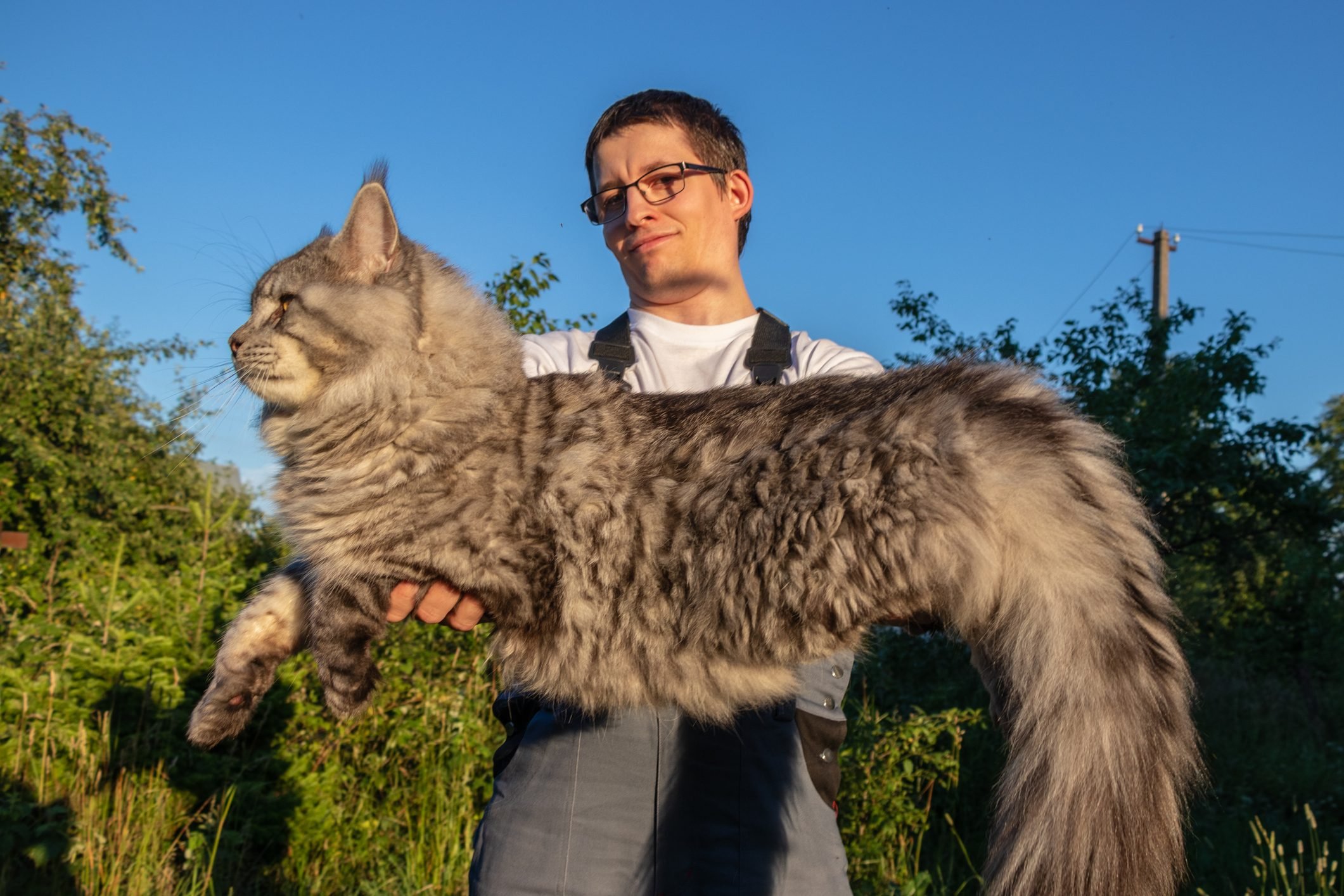
Credit: stemxplore.ca
Types Of Big House Cats
Big house cats are known for their large size and friendly nature. They make great pets for families and cat lovers.
These cats often have thick fur and strong builds. They enjoy being part of the home and can be very playful.
Maine Coon
The Maine Coon is one of the largest domestic cats. It has a long, thick coat and tufted ears. These cats are gentle and love to play.
Norwegian Forest Cat
This breed has a strong, muscular body and a water-resistant coat. It is good at climbing and enjoys being outdoors sometimes.
- Thick double fur for cold weather
- Long bushy tail
- Friendly and social nature
- Strong hunting instincts
Ragdoll
Ragdolls are large cats with blue eyes and silky fur. They often relax completely when held, which gives them their name.
Savannah Cat
Savannah cats are a mix between domestic cats and wild servals. They are tall, lean, and very active. They enjoy climbing and exploring.
| Feature | Description |
| Size | Large and tall |
| Fur | Short with spots |
| Personality | Active and curious |
| Origin | Cross of domestic and wild cat |
Chausie
The Chausie is a wild-looking cat with a slim body. It comes from crossing domestic cats with jungle cats. They are smart and need lots of play.
- Provide plenty of space to run
- Use interactive toys daily
- Offer climbing structures
- Give regular social interaction
Physical Traits That Stand Out
Big house cats have many unique physical traits. These traits make them look different from smaller cats.
We will explore their size, coat patterns, and eye shapes. These features help identify big house cats.
Size And Weight
Big house cats are larger than most regular cats. They have strong, muscular bodies that look powerful.
Some big house cats can weigh over 20 pounds. Their size helps them move with strength and grace.
- Length can reach up to 3 feet
- Weight ranges from 15 to 25 pounds
- Strong bones and muscles support their size
Coat Patterns And Colors
Their coats show many patterns and colors. These patterns make big house cats easy to spot.
Common colors include brown, black, and gray. Some have stripes, spots, or solid colors.
- Tabby stripes are common
- Spotted patterns resemble wild cats
- Solid colors like black or white also appear
- Coat thickness varies with seasons
Eye Shapes And Colors
Big house cats have striking eyes. Their eye shapes and colors differ from smaller cats.
Eyes are often large and round. Colors range from green to gold and even blue.
- Round eyes give an alert look
- Common colors are green, amber, and gold
- Some cats have blue or mixed-color eyes
- Eye color can change with age
Behavior And Personality
Big house cats have unique behaviors and personalities. They differ from smaller cats in many ways. Understanding their traits helps owners care for them better.
These cats show strong social bonds, high energy, and clear communication styles. Each trait shapes how they interact with people and other animals.
Social Nature
Big house cats often enjoy company. They like being near humans and other pets. They are not usually shy or distant. Many form close bonds with their family members.
- They seek attention and affection from their owners.
- They can be protective of their home and family.
- Some enjoy playing with other cats or dogs.
- They may follow their owners around the house.
Playfulness And Energy
Big house cats have lots of energy. They love to play and explore. Playtime helps keep them healthy and happy. They use toys, chase, and pounce to stay active.
| Type of Play | Description |
| Chasing | Running after moving objects or other pets |
| Pouncing | Jumping and grabbing toys or prey |
| Climbing | Using furniture or cat trees to explore height |
| Interactive Play | Playing with humans using wands or laser pointers |
Vocalizations And Communication
These cats use many sounds to talk. They meow, purr, hiss, and growl. Each sound has meaning. Owners learn to understand their cat’s voice over time.
Common vocal sounds and their meanings:
- Meow:Asking for attention or food
- Purr:Feeling happy or calm
- Hiss:Warning or fear
- Growl:Feeling threatened or angry
Care Tips For Big House Cats
Big house cats need special care to stay healthy and happy. Their size means they have unique needs compared to smaller cats.
Proper care includes the right diet, grooming, and exercise. These tips help you give your big cat the best life.
Diet And Nutrition
Large cats require a balanced diet with enough protein and fat. Avoid feeding them too many carbs or fillers.
- Choose high-quality cat food made for large breeds.
- Feed measured portions to prevent obesity.
- Provide fresh water at all times.
- Offer occasional treats but keep them healthy.
Grooming Needs
Big cats often have thick fur that needs regular care. Grooming prevents mats and reduces shedding around the house.
| Grooming Task | Recommended Frequency |
| Brushing | 3-4 times per week |
| Bathing | Once a month or as needed |
| Nail Trimming | Every 2-3 weeks |
| Ear Cleaning | Check weekly, clean if dirty |
Exercise And Enrichment
Big cats need daily exercise to stay fit. Playtime also keeps their minds sharp and prevents boredom.
Try these activities for your big cat:
- Use large, sturdy toys that fit their size.
- Set up climbing shelves or cat trees.
- Play interactive games like fetch or laser chasing.
- Rotate toys often to keep interest high.
Health Considerations
Big house cats need special care to stay healthy. Their size can lead to unique health concerns.
Knowing their health needs helps owners keep them strong and happy for many years.
Common Health Issues
Large cats often face joint problems because of their weight. Arthritis is common in older cats.
Heart diseases can also affect big cats. Some breeds have a higher risk of heart problems.
- Arthritis and joint pain
- Heart disease
- Obesity-related issues
- Dental problems
- Kidney disease
Preventive Care
Regular vet check-ups catch health problems early. Vaccines protect big cats from many diseases.
Good nutrition and exercise keep weight in check. Brush their teeth to avoid dental issues.
- Schedule yearly vet visits
- Feed a balanced diet
- Provide daily play and exercise
- Keep vaccinations up to date
- Brush teeth regularly
Lifespan Expectations
Big house cats usually live 10 to 15 years. Some can live longer with proper care.
Healthy weight and prompt treatment of diseases improve lifespan. Mental stimulation also helps.
- Average lifespan: 10-15 years
- Healthy diet extends life
- Exercise supports longevity
- Early illness detection is vital
- Mental activities keep cats sharp

Credit: worldanimalfoundation.org
Famous Big Cats In Pop Culture
Big house cats like lions, tigers, and leopards often appear in movies, books, and cartoons. They show strength and beauty, capturing people’s imaginations worldwide.
This article looks at some well-known big cats in pop culture. These big cats have become symbols or characters that many people love and recognize.
Simba From The Lion King
Simba is a young lion who grows up to be a strong king. The Lion King movie made Simba famous around the world. He teaches lessons about courage and responsibility.
Simba’s story shows the journey from being a scared cub to a brave leader. This makes him a favorite big cat in pop culture.
Shere Khan From The Jungle Book
Shere Khan is a fierce Bengal tiger in The Jungle Book stories. He is known for being strong and scary. Shere Khan represents danger in the jungle.
Many people remember Shere Khan as the main villain who challenges the hero, Mowgli. His character adds excitement to the story.
Tony The Tiger
Tony the Tiger is a friendly cartoon tiger used in cereal ads. He is famous for his phrase, “They’re grrreat!” Tony shows big cats can be fun and cheerful.
Tony’s image helps people enjoy breakfast and think of tigers as friendly animals. He is a well-known big cat in advertising.
Tigger From Winnie The Pooh
Tigger is a lively tiger character in the Winnie the Pooh books and shows. He loves to bounce and has a fun personality. Tigger brings energy to the stories.
Though not a real big cat, Tigger’s tiger traits make him a popular figure. Kids enjoy his playful and cheerful nature.
Bagheera From The Jungle Book
Bagheera is a black panther in The Jungle Book. He acts as a wise protector for Mowgli. Bagheera is calm and smart, showing a different side of big cats.
His role adds balance to the story. Bagheera helps people see big cats as both strong and caring animals.

Credit: worldanimalfoundation.org
Frequently Asked Questions
What Are Big House Cats Commonly Called?
Big house cats are often called “domestic large cats. ” They resemble wild cats but are domesticated. Examples include Maine Coons and Savannah cats.
How Big Do Big House Cats Usually Get?
Big house cats can weigh between 15 to 25 pounds. Some breeds, like the Maine Coon, may reach 40 pounds. They are larger than typical house cats.
Are Big House Cats Suitable For Families?
Yes, many big house cats have gentle, friendly temperaments. They often enjoy social interaction and can be great pets for families.
What Care Do Big House Cats Require?
Big house cats need more food, grooming, and space. Regular vet check-ups and mental stimulation are essential for their well-being.
Conclusion
Big house cats bring a unique charm to any home. Their size and personality often intrigue cat lovers. Each breed offers something special. From the Maine Coon’s gentle nature to the Savannah’s wild look, choices abound. Understanding their needs is key for a happy, healthy pet.
These cats need space, care, and love. They can be wonderful companions for the right family. Consider your lifestyle and resources before bringing one home. Remember, a well-cared-for cat brings joy and companionship for years. Choose wisely and enjoy the bond with your big feline friend.