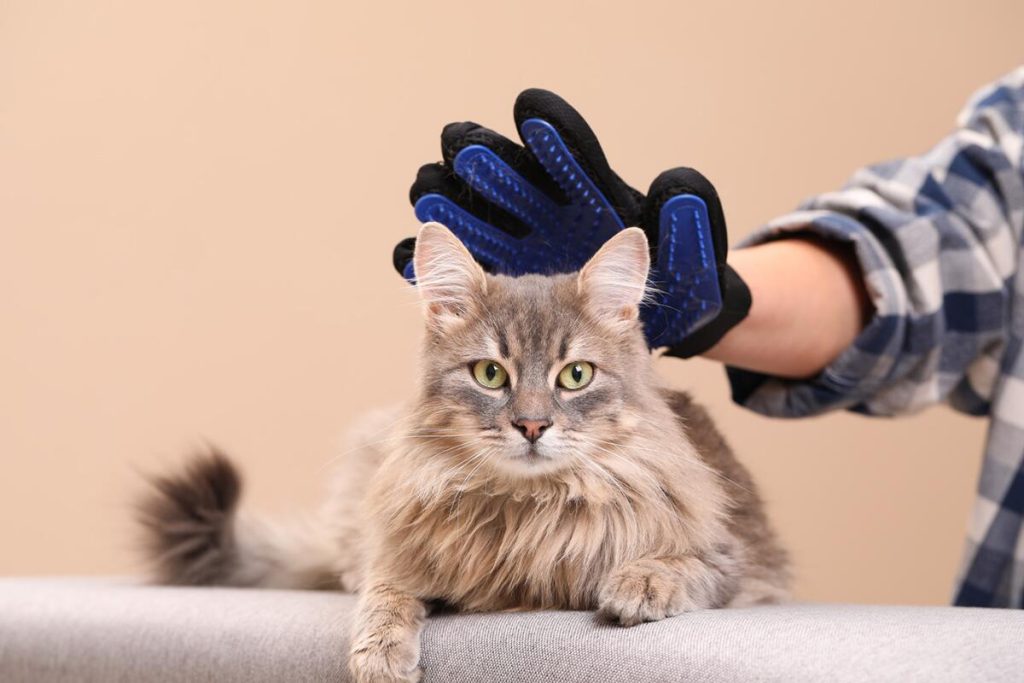
If you want your cat to look and feel their best, learning how to groom your cat is key. Grooming isn’t just about keeping your feline friend clean—it helps reduce shedding, prevent hairballs, and strengthens the bond between you and your pet.
Imagine running your fingers through soft, shiny fur while your cat purrs contentedly. Sounds great, right? In this guide, you’ll discover simple, effective grooming tips that make the process easy and enjoyable for both you and your cat. Keep reading, and you’ll become your cat’s favorite groomer in no time!

Credit: www.youtube.com
Choosing The Right Grooming Tools
Grooming your cat helps keep its fur clean and healthy. Using the right tools makes grooming easier and more comfortable for your pet.
Different cats have different coat types. Each coat type needs specific brushes and combs. Knowing which tools to use is important.
Brushes And Combs For Different Coats
Short-haired cats need soft bristle brushes to remove loose hair and dirt. Long-haired cats benefit from slicker brushes that untangle mats and knots.
- Soft bristle brush:Best for short or smooth coats.
- Slicker brush:Works well on medium to long fur to remove tangles.
- Wide-tooth comb:Helps detangle thick or curly fur.
- Fine-tooth comb:Good for checking fleas and removing small debris.
Nail Clippers And Other Essentials
Trimming your cat’s nails keeps them from scratching furniture and people. Use nail clippers made for pets. Other tools help with ear cleaning and fur trimming.
| Tool | Purpose |
| Pet nail clippers | Trim cat nails safely |
| Ear cleaner | Remove wax and dirt from ears |
| Flea comb | Catch fleas and flea dirt |
| Scissors | Trim fur around paws and face |
Brushing Techniques For Cats
Brushing your cat helps keep their coat clean and healthy. It removes loose hair and reduces shedding. This also gives you a chance to check your cat’s skin for any problems.
Using the right brushing techniques makes grooming easier and more comfortable for your cat. Patience and gentle handling are important during grooming sessions.
Frequency And Timing
How often you brush your cat depends on their fur type and lifestyle. Long-haired cats need more frequent brushing than short-haired cats. Try to choose a quiet time when your cat is calm.
- Brush long-haired cats daily to prevent tangles.
- Brush short-haired cats once or twice a week to reduce shedding.
- Brush more often during heavy shedding seasons like spring.
- Pick a time when your cat is relaxed, such as after a nap.
- Keep grooming sessions short at first, then increase time gradually.
Handling Sensitive Areas
Some parts of a cat’s body are more sensitive, like the belly, tail, and paws. Be gentle and watch your cat’s reactions when brushing these areas. Use soft strokes and avoid pulling on the hair.
| Area | Tips for Brushing |
| Belly | Use light, slow strokes; stop if cat shows discomfort. |
| Tail | Brush carefully from base to tip without tugging. |
| Paws | Gently brush between toes and around pads; check for debris. |
Bathing Your Cat Safely
Bathing a cat can be tricky but sometimes needed for their health. Use gentle methods to keep them calm and safe.
Knowing when to bathe and what shampoo to use helps protect your cat’s skin and fur.
When And How To Bathe
Bathe your cat only if it is very dirty or has fleas. Most cats clean themselves well.
- Brush your cat to remove loose hair before bath time.
- Use lukewarm water and a sink or small tub.
- Wet your cat slowly, avoiding the head.
- Apply shampoo gently and rinse well.
- Dry your cat with a towel and keep it warm.
Selecting Cat-friendly Shampoos
Choose shampoos made for cats. Human or dog shampoos can harm their skin.
| Shampoo Type | Features | Use |
| Hypoallergenic | Gentle, no fragrances | For sensitive skin |
| Flea Control | Contains safe insect repellents | For flea problems |
| Oatmeal | Soothes dry, itchy skin | For irritated skin |
| Waterless | No rinse needed | For quick cleaning |

Credit: www.latimes.com
Maintaining Healthy Skin
Grooming your cat helps keep its skin healthy. Healthy skin prevents infections and discomfort.
Regular care also helps spot problems early. This way, you can protect your cat’s well-being.
Identifying Skin Issues
Look for redness, bumps, or dry patches on your cat’s skin. These signs can mean irritation or allergies.
Check if your cat scratches or licks a lot. This behavior often shows discomfort or skin problems.
- Red or inflamed skin
- Hair loss or bald spots
- Scabs or sores
- Excessive scratching or licking
- Flaky or dry skin
Diet And Hydration Tips
A good diet supports your cat’s skin health. Include foods rich in omega-3 and omega-6 fatty acids.
Make sure your cat drinks enough water. Proper hydration keeps the skin soft and less prone to irritation.
- Feed high-quality protein food
- Include fatty acids for skin nourishment
- Provide fresh water daily
- Avoid foods that cause allergies
Trimming Nails And Cleaning Ears
Grooming your cat helps keep them healthy and comfortable. Trimming nails and cleaning ears are important parts of grooming. These tasks prevent pain and infections.
Doing these chores carefully makes your cat feel safe. Use gentle tools and be patient to avoid stress.
Safe Nail Clipping
Clip your cat’s nails in a calm place. Use a sharp nail clipper made for pets. Avoid cutting too close to the pink part called the quick.
If your cat has dark nails, trim little by little. Stop if you see a black dot or feel resistance. Reward your cat after trimming.
- Hold the paw gently but firmly
- Press the toe to extend the nail
- Cut only the sharp tip
- Have styptic powder ready for bleeding
- Trim nails every two to three weeks
Ear Cleaning Methods
Check your cat’s ears for dirt, wax, or bad smell. Use a soft cloth or cotton ball with ear cleaner made for cats. Never use cotton swabs inside the ear canal.
Clean the outer ear only. Wipe gently to avoid hurting your cat. Do this once a week or as your vet suggests.
- Hold your cat calmly
- Apply ear cleaner to a cotton ball
- Wipe the ear flap and opening
- Do not insert anything deep inside
- Stop if you see redness or swelling
Dealing With Shedding And Hairballs
Cats shed fur all year, but it can increase with seasons. Shedding leaves fur around your home and on your clothes.
Hairballs form when cats swallow loose fur while grooming. They can cause coughing or vomiting and make cats uncomfortable.
Reducing Shedding
Regular brushing removes loose fur before your cat swallows it or it falls around your house. It also helps keep their coat healthy.
Use a brush made for your cat’s fur type. Long-haired cats need a comb or slicker brush, while short-haired cats benefit from a bristle brush.
- Brush your cat at least twice a week
- Use gentle strokes to avoid hurting your cat
- Give treats to create a positive experience
- Keep your cat’s diet balanced for healthy skin
Preventing Hairballs
Hairballs happen when cats swallow fur while cleaning themselves. Regular grooming lowers the amount of loose fur they swallow.
Feeding your cat special food or supplements helps move fur through their system. This reduces hairball formation and discomfort.
- Brush your cat regularly to remove loose fur
- Provide hairball control cat food or treats
- Keep your cat hydrated to aid digestion
- Watch for signs of hairball problems like coughing
Recognizing When To Visit The Vet
Grooming your cat helps keep it clean and healthy. Sometimes grooming shows signs of health problems. Knowing when to visit the vet is important for your cat’s well-being.
Pay attention to changes in your cat’s coat, skin, or behavior during grooming. Early detection of issues can prevent serious health problems.
Signs Of Grooming-related Health Problems
Look for unusual signs while grooming your cat. These signs can indicate health problems that need a vet’s attention.
- Bald patches or thinning fur
- Red, irritated, or swollen skin
- Excessive scratching or biting
- Bad smell or discharge from the skin
- Matting that causes pain or discomfort
- Changes in grooming habits, like grooming less or more
- Visible lumps or bumps under the fur
- Scabs, sores, or bleeding spots
If you see any of these signs, schedule a vet visit. They can diagnose and treat the problem quickly.
Professional Grooming Services
Professional groomers know how to spot health issues during grooming. They can help keep your cat clean and comfortable.
Groomers can also handle difficult tasks like trimming nails and cleaning ears. They can advise you on when to see the vet for health concerns.
- Regular grooming checks for skin and coat health
- Help with removing mats safely
- Advice on grooming tools and techniques
- Early detection of problems that need vet care

Credit: www.youtube.com
Frequently Asked Questions
How Often Should I Groom My Cat?
Groom your cat at least once a week to maintain a healthy coat. Long-haired cats need more frequent grooming to prevent mats and tangles. Regular grooming also reduces shedding and hairballs.
What Tools Are Best For Cat Grooming?
Use a soft-bristle brush for short-haired cats and a wide-tooth comb for long-haired cats. Nail clippers and grooming wipes are also helpful. Choose tools that are gentle and safe for your cat.
Can Grooming Help Reduce Cat Hairballs?
Yes, regular grooming removes loose fur before your cat ingests it. This reduces hairball formation and digestive issues. Brushing also stimulates healthy skin and promotes better fur growth.
How Do I Safely Bathe My Cat?
Use lukewarm water and a cat-specific shampoo. Avoid the face and ears. Rinse thoroughly and dry your cat with a towel. Keep baths short and calm to reduce stress.
Conclusion
Caring for your cat’s grooming needs builds a strong bond. It keeps them healthy and happy. Regular brushing reduces shedding and prevents mats. Bathing, though rare, can be needed sometimes. Trimming claws protects furniture and your skin. Check their ears for dirt or wax.
Keep their eyes clean and clear. Don’t forget dental care; it’s vital. Patience and gentle handling make grooming easier. Your cat will feel more comfortable and loved. With these tips, your feline friend will thrive. Grooming isn’t just a task, it’s an act of love.
Enjoy the special time with your furry companion.