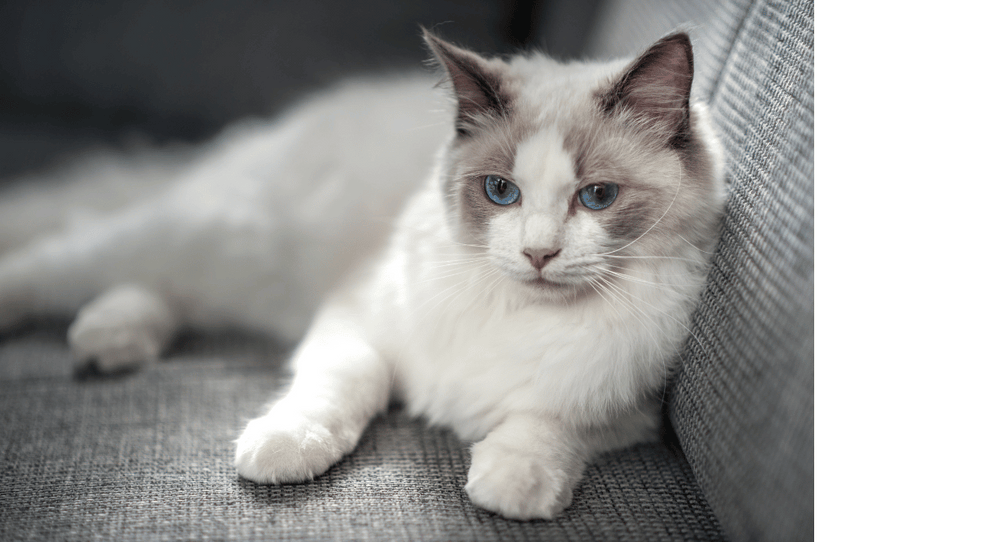
Choosing the perfect cat breed for your home isn’t always easy. You want a furry friend that fits your lifestyle, personality, and space.
Maybe you’re looking for a playful companion or a calm cuddle buddy. Understanding the unique traits of different cat breeds can help you make a choice you’ll love for years. Keep reading, and you’ll discover which cat breed matches your needs and brings joy to your life.
Choosing Your Cat Breed
Picking the right cat breed is important for a happy pet and owner. Each breed has its own personality and needs.
Think about what fits best with your daily life and home before choosing a cat breed.
Assessing Your Lifestyle
Your daily routine affects which cat breed suits you. Some cats need lots of attention and playtime.
Other breeds are more independent and can be alone for longer periods. Consider how much time you have.
- If you are active and home often, playful breeds like Siamese work well.
- If you work long hours, calm breeds like British Shorthair are better.
- Families with kids might prefer gentle breeds like Ragdolls.
Considering Home Environment
Your living space affects the type of cat you should get. Some cats need more room to roam.
Small apartments may fit smaller or less active breeds better. Large homes allow space for energetic cats.
- Indoor cats need safe spaces and toys to stay busy.
- Outdoor access suits breeds that enjoy exploring, like Maine Coons.
- Consider if you have other pets when choosing a breed.
Allergy And Sensitivity Factors
Some people are allergic to cats. Choose breeds that produce fewer allergens if you have allergies.
Hypoallergenic breeds may reduce allergy symptoms but do not eliminate them completely.
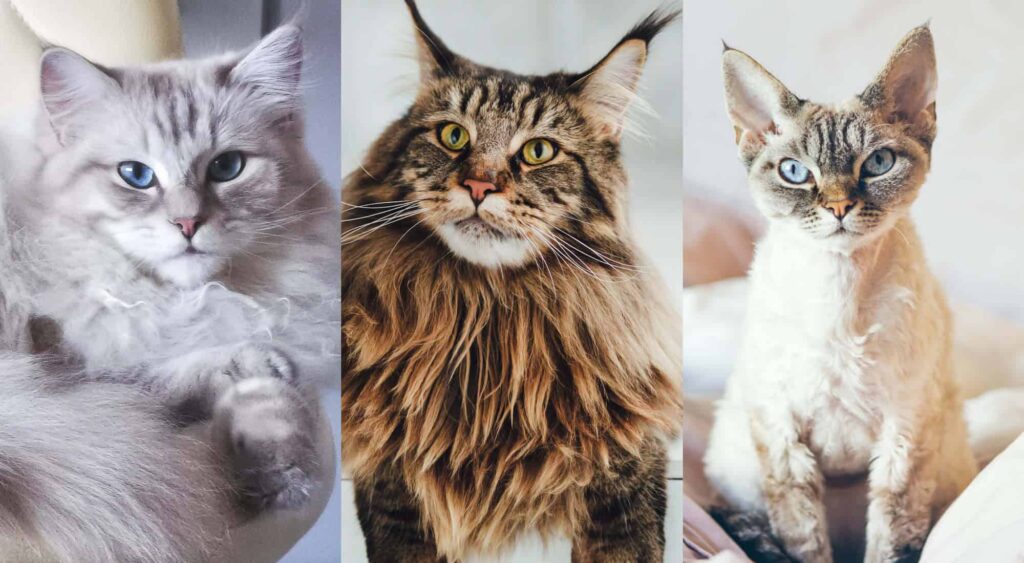
- Siberian cats are known to cause fewer allergies.
- Balinese cats may also be easier on allergy sufferers.
- Regular grooming helps reduce allergens in the home.
Credit: paradepets.com
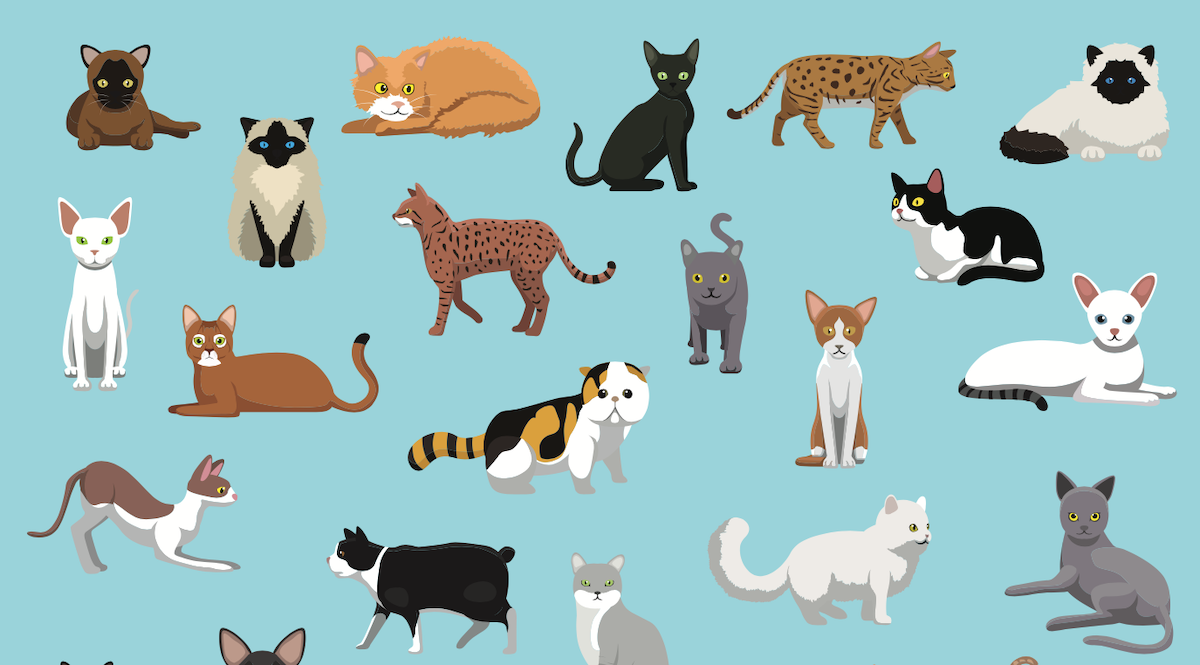
Popular Cat Breeds
Choosing a cat breed depends on your lifestyle and preferences. Each breed has unique traits and care needs.
Here are some popular cat breeds to help you decide which cat fits best in your home.
Siamese
Siamese cats are known for their striking blue eyes and short coat. They are very vocal and enjoy social interaction.
These cats need attention and love to be part of family activities. They are intelligent and playful pets.
Maine Coon
Maine Coons are one of the largest domestic cat breeds. They have long fur and tufted ears that give them a wild look.
They are gentle giants and good with children. Their thick coat needs regular grooming to stay healthy.
Persian
| Feature | Description |
| Coat | Long and thick |
| Temperament | Calm and quiet |
| Care | Daily grooming required |
| Eye color | Large and round |
Persians have a calm nature and love lounging around. They need daily brushing to avoid mats and tangles.
Ragdoll
- Large size with blue eyes
- Soft, semi-long fur
- Very friendly and relaxed
- Often goes limp when held
Ragdolls are gentle and enjoy being held. They fit well in families with children or other pets.
Bengal
Bengal cats have a distinctive spotted coat that looks like a wild leopard.
They are very active and love to climb. Bengals need toys and space to play.
Personality Traits By Breed
Choosing the right cat breed means knowing their personality traits. Different breeds show unique behaviors and moods.
Understanding traits like affection, playfulness, and independence helps find a good match for your home.
Affection Levels
Some cat breeds love to cuddle and stay close to their owners. Others prefer to show love in small ways.
- Siamese cats often seek constant attention and hugs.
- Ragdolls enjoy being held and will follow you around.
- British Shorthairs show affection but like their space.
- Russian Blues may be shy but bond deeply with owners.
Activity And Playfulness
Energy levels differ between breeds. Some love to play all day, while others prefer calm times.
| Breed | Activity Level | Favorite Play Style |
| Bengal | High | Chasing and climbing |
| Scottish Fold | Medium | Interactive toys |
| Persian | Low | Gentle play |
| Abyssinian | High | Exploring and jumping |
Vocal Tendencies
Some cats are chatty and use meows to talk. Others are quiet and express themselves with body language.
- Siamese cats are known for loud and frequent vocalizations.
- Maine Coons use soft chirps and trills to communicate.
- Chartreux cats are usually quiet and calm.
- Oriental Shorthairs enjoy “talking” with their owners.
Independence
Some breeds are very independent and like to spend time alone. Others need more attention and company.
| Breed | Independence Level | Notes |
|---|---|---|
| Russian Blue | High | Enjoys alone time and quiet spaces |
| Ragdoll | Low | Needs lots of interaction and affection |
| Burmese | Medium | Balances alone time with social play |
| Norwegian Forest | High | Happy exploring and self-entertaining |
Grooming Needs
Choosing the right cat breed includes knowing about their grooming needs. Grooming keeps cats healthy and clean.
Different breeds have different grooming requirements. Understanding these helps you care for your new pet better.
Short-haired Cats
Short-haired cats need less grooming than long-haired ones. Brushing once a week is usually enough.
They shed less, so you will spend less time cleaning loose fur. Bathing is rarely needed unless the cat gets dirty.
Long-haired Cats
Long-haired cats need daily brushing to avoid mats and tangles. Their fur can trap dirt and debris easily.
Regular grooming helps prevent hairballs and skin problems. Bathing may be needed more often to keep fur clean.
- Brush daily with a wide-tooth comb
- Check for mats behind ears and under legs
- Trim hair if mats become too tough
- Use gentle shampoo for baths
Shedding And Maintenance
All cats shed fur, but the amount varies by breed and season. Regular grooming lowers loose hair around the home.
Use the right tools like brushes or grooming gloves to reduce shedding. Check for skin health during grooming sessions.
- Short-haired cats: brush weekly to remove loose hair
- Long-haired cats: brush daily to prevent mats
- Groom more during seasonal shedding times
- Keep nails trimmed to avoid scratching during grooming
Health Considerations
Choosing the right cat breed means understanding their health needs. Each breed has unique health traits. Knowing these helps keep your cat happy and healthy.
Before picking a cat, learn about common health issues, lifespan, and care tips. This knowledge guides you to a good match for your home.
Common Breed-specific Issues
Some cat breeds face health problems more often. For example, Persians may have breathing issues. Siamese cats can have dental problems. Knowing these helps you prepare.
- Persian: prone to breathing and eye issues
- Siamese: may develop dental and respiratory problems
- Maine Coon: risk of heart disease
- Bengal: can have hip and joint problems
Lifespan Expectations
Different breeds live different lengths of time. Most cats live 12 to 16 years. Some breeds, like the Siamese, often live longer. Others may have shorter lifespans due to health issues.
| Breed | Average Lifespan |
| Persian | 12-15 years |
| Siamese | 15-20 years |
| Maine Coon | 12-14 years |
| Bengal | 12-16 years |
Preventive Care Tips
Good care helps your cat avoid many health problems. Regular vet visits and a healthy diet are key. Groom your cat to spot issues early.
- Schedule yearly vet check-ups
- Feed breed-appropriate nutrition
- Keep vaccinations up to date
- Provide dental care and clean teeth
- Watch for changes in behavior or health
Adoption Vs. Breeder
Choosing a cat breed can be exciting but also confusing. One big choice is between adoption and buying from a breeder. Both have their own benefits and challenges.
This guide will help you understand the differences. You can decide which option fits your needs and values best.
Benefits Of Adoption
Adoption saves lives by giving homeless cats a safe place. Shelters often have many cats of all breeds and ages waiting for a home.
- Helps reduce the number of stray cats
- Usually includes vaccinations and spaying/neutering
- Often less expensive than buying from breeders
- Gives a second chance to cats in need
- Staff can help match you with the right cat for your lifestyle
Choosing A Responsible Breeder
Responsible breeders focus on health and temperament. They test cats for genetic issues and provide good care for kittens.
Here are ways to find a trustworthy breeder:
- Visit the breeder’s facility in person
- Ask for health clearances and documents
- Check reviews or references from other buyers
- Ensure kittens are socialized and raised in clean conditions
- Confirm the breeder offers support after adoption
Cost Comparison
Costs vary between adoption and breeders. Adoption fees help shelters care for cats but are usually lower than breeder prices.
| Expense Type | Adoption | Breeder |
|---|---|---|
| Initial Fee | $50 – $150 | $500 – $2000 |
| Vaccinations | Included | Usually included |
| Spay/Neuter | Included | May cost extra |
| Health Testing | Basic | Extensive genetic tests |
| Support After Adoption | Some shelters provide | Usually provided |
Matching Cats With Families
Choosing the right cat breed matters for a happy home. Each family has different needs.
Some cats fit well with kids. Others suit singles or seniors better. Some cats live well with other pets.
Cats For Families With Children
Cats that are patient and playful match families with kids. They enjoy gentle handling and playtime.
- Ragdolls are calm and friendly with children.
- Maine Coons are big, gentle, and love to play.
- British Shorthairs are quiet and patient pets.
- Burmese cats stay close and enjoy family activities.
Suitability For Singles And Seniors
Singles and seniors need cats that require less active play but enjoy company. These cats adapt well to quieter homes.
| Breed | Personality | Care Needs |
| Scottish Fold | Calm, affectionate | Low to medium |
| Persian | Quiet, loving | Regular grooming |
| Russian Blue | Shy, loyal | Low |
| Sphynx | Friendly, social | Needs warmth |
Multi-pet Household Compatibility
Cats that get along with other pets help keep the peace. Social and adaptable breeds do well in busy homes.
- Abyssinians – active and social
- Tonkinese – friendly with dogs and cats
- Birman – gentle and calm
- Devon Rex – playful and tolerant

Credit: www.bestlife4pets.com
Credit: rawznaturalpetfood.com
Frequently Asked Questions
What Factors Should I Consider When Choosing A Cat Breed?
Consider your lifestyle, living space, allergies, and activity level. Some breeds need more attention or exercise. Match a breed’s personality to your daily routine for a happy pet.
Which Cat Breeds Are Best For Families With Children?
Ragdolls, Maine Coons, and Burmese cats are great with kids. They are gentle, patient, and enjoy interaction. These breeds handle noise and play well, making them ideal for families.
Are There Hypoallergenic Cat Breeds For Allergy Sufferers?
Yes, breeds like the Siberian, Balinese, and Devon Rex produce fewer allergens. These cats may reduce allergic reactions but no breed is 100% hypoallergenic. Regular grooming also helps minimize allergens.
How Do Cat Breed Personalities Differ?
Each breed has unique traits; Siamese cats are vocal and social, while British Shorthairs are calm. Research breed temperaments to find one that fits your personality and lifestyle.
Conclusion
Choosing the right cat breed can be a joyful experience. Each breed has unique traits and needs. Consider your lifestyle and home environment. Some cats are more active, others more relaxed. Allergies? Some breeds shed less. Think about grooming requirements.
Long-haired cats need more care. Time and attention are essential. Cats thrive on love and companionship. Visit shelters and interact with different breeds. Observe their behaviors and personalities. Trust your instincts and choose a breed that fits you. Remember, a happy cat makes a happy home.
Enjoy the journey to find your purr-fect match!