
Are you thinking about adding a furry friend to your home but aren’t sure which cat breed suits you best? Choosing the best cat isn’t just about looks—it’s about finding a companion that fits your lifestyle, personality, and needs.
Whether you want a playful partner, a quiet lap cat, or something in between, this guide will help you discover the perfect match. Keep reading, and by the end, you’ll know exactly what to look for to bring home a cat that feels like it was made just for you.
Popular Cat Breeds
Cats come in many shapes and sizes. Each breed has its own look and personality.
Knowing popular breeds helps you find a cat that fits your home and life.
Siamese
Siamese cats have sleek bodies and blue almond-shaped eyes. They are very talkative and love attention.
Maine Coon
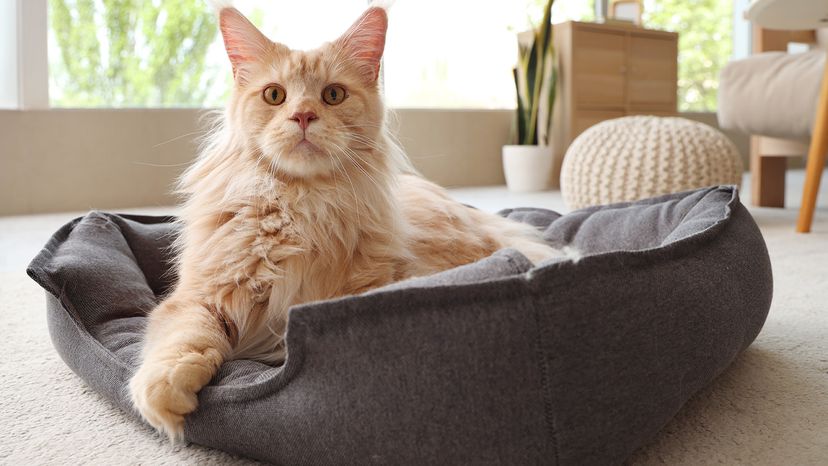
The Maine Coon is one of the largest cat breeds. It has long fur and a bushy tail. Maine Coons are gentle giants.
Persian
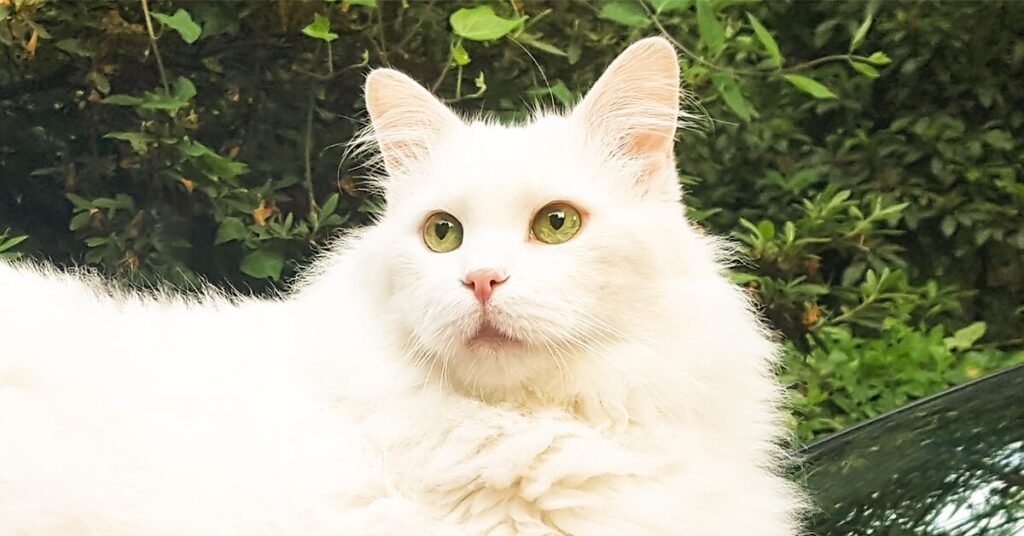
Persians have long, thick fur and flat faces. They are calm and like quiet places. Grooming is important for this breed.
Bengal
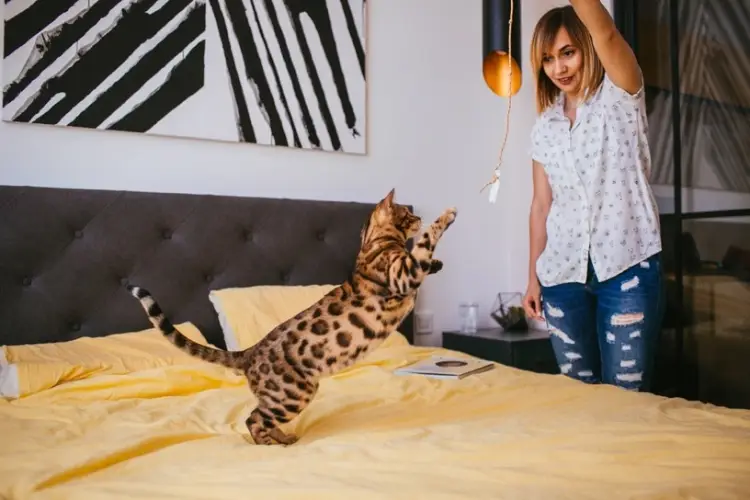
Bengals look like small leopards. Their fur is spotted or marbled. They are active and love to play.
- Spotted coat pattern
- Strong and muscular
- Very playful and curious
- Needs lots of exercise
Ragdoll
Ragdolls are large cats with blue eyes and soft fur. They relax completely when picked up. They enjoy being with people.
| Breed | Size | Coat | Personality |
| Siamese | Medium | Short | Talkative, affectionate |
| Maine Coon | Large | Long | Gentle, friendly |
| Persian | Medium | Long | Calm, quiet |
| Bengal | Medium | Short | Active, playful |
| Ragdoll | Large | Long | Laid-back, loving |
Credit: www.pumpkin.care
Traits To Consider
Choosing the best cat for your home means thinking about their traits. Each cat has unique needs and personality.
Knowing these traits helps you find a cat that fits your lifestyle and keeps both happy.
Temperament
Temperament shows how a cat behaves with people and other pets. Some cats are calm and quiet. Others are playful and talkative.
Look for a cat whose personality matches your home environment and daily routine.
Grooming Needs
Grooming needs depend on the cat’s coat type. Long-haired cats need daily brushing. Short-haired cats need less care.
- Long-haired cats: daily brushing to avoid mats
- Short-haired cats: weekly grooming is enough
- Sphynx cats: need regular skin cleaning
Activity Level
Activity level shows how much energy a cat has. Some cats like to play all day. Others prefer resting most of the time.
| Activity Level | Cat Types |
| High | Bengal, Siamese |
| Medium | British Shorthair, Ragdoll |
| Low | Persian, Scottish Fold |
Health Factors
Some cat breeds have specific health risks. Knowing these helps you prepare for care and vet visits.
- Persian: breathing and eye problems
- Maine Coon: hip dysplasia and heart disease
- Sphynx: skin infections
Choosing The Right Cat
Choosing a cat is an important decision. Cats bring joy but need care and attention. It helps to think about your home and lifestyle first.
This guide covers key points to help you find a cat that fits your life well. Think about your living space, family, and allergies.
Living Environment
Space and safety are important for a cat’s happiness. Some cats like indoor life while others enjoy outdoors.
- Small apartments suit calm, indoor cats
- Large homes allow active and playful cats more room
- Outdoor access suits adventurous cats but needs safety checks
- Consider noise levels; quiet cats prefer calm areas
Family Compatibility
Think about who lives with you. Cats behave differently with kids, adults, or other pets.
| Family Type | Recommended Cat Traits |
| Families with young children | Gentle and patient cats |
| Adults only | Independent or affectionate cats |
| Other pets | Social cats used to animals |
| Senior citizens | Calm and low-energy cats |
Allergy Considerations
Cat allergies can affect health. Choosing the right type helps reduce problems.
Some cats produce fewer allergens. These breeds may help allergy sufferers:
- Siberian
- Balinese
- Russian Blue
- Devon Rex
Regular cleaning and grooming also reduce allergens at home.
Credit: animals.howstuffworks.com
Adoption Tips
Choosing the right cat to adopt takes time and care. Learn how to find healthy and happy pets.
These tips help you prepare for a smooth adoption and a loving home for your new cat.
Finding Reputable Breeders
Look for breeders who care about the cats’ health and well-being. They should provide medical records and allow visits.
- Check for certifications and reviews
- Ask about the cat’s parents and health history
- Visit the breeder’s facility to see living conditions
- Ensure the breeder socializes cats properly
- Avoid breeders who rush sales or avoid questions
Rescue And Shelter Options
Many cats need homes in shelters and rescues. Adopting from these places saves lives and supports animal welfare.
| Place | What to Expect | Tips |
| Local Animal Shelter | Many cats, varying ages | Visit often and ask staff for help |
| Cat Rescue Group | Specializes in cats, often fosters | Schedule meetings and learn about cats’ needs |
| Online Adoption Sites | Wide selection, application process | Read descriptions carefully, ask for photos |
Preparing Your Home
Make your home safe and comfortable before bringing a cat home. Set up a quiet space for adjustment.
- Buy food and water bowls
- Set up a cozy bed or blanket
- Place a litter box in a quiet spot
- Remove toxic plants and small objects
- Secure windows and balconies
Credit: www.webbox.co.uk
Frequently Asked Questions
What Is The Best Cat Breed For Families?
The best cat breed for families is the Ragdoll. They are gentle, friendly, and great with kids. Ragdolls enjoy human company and adapt well to various home environments. Their calm nature makes them ideal for households with children and other pets.
Which Cat Breed Is Best For Allergies?
The Siberian cat is often considered best for allergies. They produce fewer allergenic proteins compared to other breeds. Siberians have a thick, hypoallergenic coat that reduces allergic reactions. However, individual responses may vary, so spending time with the cat before adoption is recommended.
What Is The Best Indoor Cat Breed?
The British Shorthair is a top indoor cat choice. They are low-energy, affectionate, and adapt well to indoor living. Their dense coat requires minimal grooming. British Shorthairs enjoy companionship but are independent, making them perfect for indoor environments.
Which Cat Breed Is The Easiest To Train?
The Abyssinian is one of the easiest breeds to train. They are intelligent, curious, and quick learners. Abyssinians respond well to positive reinforcement and enjoy interactive play. Their active nature makes training a fun and rewarding experience.
Conclusion
Choosing the best cat depends on your lifestyle and preferences. Each breed has unique traits and care needs. Think about your home, time, and what you want in a pet. Cats bring joy, comfort, and companionship. Take time to learn about different types.
Find a cat that fits your life and heart. Caring for a cat is rewarding and fun. Your perfect cat is waiting for you.