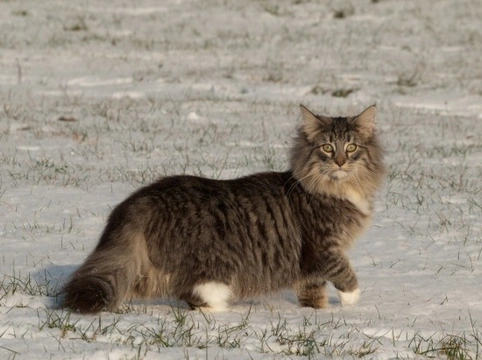
Have you ever wondered which house cat breed is the biggest? If you’re curious about the largest feline that can comfortably live with you at home, you’re in the right place.
Knowing the biggest house cat breed isn’t just about size—it’s about understanding their personality, care needs, and what makes them unique. Keep reading, and you’ll discover surprising facts that might just change how you see your next furry companion. Your perfect giant cat could be waiting!

Credit: www.aol.com
Largest House Cat Breeds
Some house cats grow much larger than the average cat. These large breeds have unique looks and friendly personalities. They often feel like gentle giants in your home.
Here are some of the biggest house cat breeds you might want to know about. Each has a special charm and size that stands out.
Maine Coon: The Gentle Giant
The Maine Coon is one of the largest domestic cat breeds. Males can weigh up to 18 pounds or more. They have long, thick fur that helps them stay warm.
This breed is known for being friendly and calm. They love to play but also enjoy relaxing with their owners.
Savannah Cat: Wild Looks And Size
The Savannah cat is a mix between a domestic cat and a wild serval. They are tall and slim but also very large. Some can weigh up to 25 pounds.
Savannah cats have spotted fur and big ears. They are active and curious, needing lots of playtime.
Norwegian Forest Cat: Nordic Giant
Norwegian Forest cats come from cold climates. They have thick, water-resistant fur and strong bodies. These cats can weigh 13 to 22 pounds.
This breed is friendly and loves climbing. They enjoy outdoor adventures but also fit well in homes.
Ragdoll: Large And Laid-back
Ragdolls are known for their large size and calm nature. Adult males often weigh 15 to 20 pounds. They have soft, silky fur and blue eyes.
These cats are very gentle and enjoy being held. They are great pets for families who want a relaxed companion.
Chausie: Hybrid Strength
The Chausie is a hybrid breed between a domestic cat and a wild jungle cat. They are muscular and large, often weighing 15 to 20 pounds.
Chausies are very active and intelligent. They need plenty of space and mental stimulation to stay happy.
Physical Traits Of Giant Cats
The biggest house cat breeds are known for their impressive size and striking appearance. These giant cats stand out in any room with their large frames.
Understanding their physical traits helps cat lovers appreciate their unique beauty and care needs.
Size And Weight Range
Giant house cats grow much larger than typical cats. Their weight and length can surprise many people.
| Breed | Average Weight (lbs) | Length (inches) |
| Maine Coon | 13–18 | 30–40 |
| Siberian | 15–20 | 28–35 |
| Norwegian Forest Cat | 12–16 | 30–36 |
Coat Types And Colors
Giant cats have thick coats that protect them in cold weather. Their fur can be long or semi-long and feels soft to the touch.
- Maine Coons have silky, flowing fur with a ruff around the neck.
- Siberians feature dense triple coats that resist water.
- Norwegian Forest Cats show glossy, waterproof fur with bushy tails.
- Color patterns include tabby, solid, bicolor, and more.
Distinctive Features
Each giant cat breed has special features that make them unique. These details help identify them easily.
- Maine Coonshave large tufted ears and bushy tails.
- Siberianshave round eyes and strong muscular bodies.
- Norwegian Forest Catsshow almond-shaped eyes and sturdy legs.
Temperament And Behavior
The biggest house cat breeds have unique temperaments that suit many homes. Their behavior shows a mix of calmness and playfulness.
Understanding their personality helps owners provide a happy life for these large cats. Each breed may have different needs.
Personality Traits
Big house cats are usually gentle and friendly. They enjoy being near their human family but like their own space too.
Many show loyalty and curiosity. They can be calm but also enjoy exploring new places in the home.
- Gentle and calm nature
- Loyal to family members
- Curious and intelligent
- Enjoys quiet time and playtime
Activity Levels
Large cat breeds often have moderate activity. They like to play but do not need constant exercise.
They enjoy short bursts of energy, such as chasing toys or climbing. After that, they prefer resting comfortably.
- Moderate energy throughout the day
- Short play sessions are ideal
- Enjoy climbing and exploring
- Need comfortable resting spots
Social Interaction
Big house cats are social but not overly demanding. They like attention but also appreciate alone time.
They usually get along well with children and other pets if introduced slowly. They respond well to gentle handling.
- Friendly with family members
- Enjoys gentle petting and talking
- Can live with other pets
- Needs time to adjust to new people
Care Needs For Large Cats
Big house cats need special care to stay healthy and happy. Their size affects what they eat, how much they move, and their health risks. Understanding these needs helps owners provide the best care.
Large cats like the Maine Coon or Savannah breed have unique requirements. Meeting these needs supports their growth and well-being.
Diet And Nutrition
Large cats need a diet rich in protein to support their muscle mass. They also require more calories than smaller cats. Balanced nutrients keep their coat shiny and energy high.
- Feed high-quality cat food with real meat
- Include wet food for hydration
- Provide fresh water at all times
- Limit treats to avoid obesity
- Adjust portions as the cat ages
Exercise Requirements
Big cats need daily exercise to stay fit and avoid weight gain. Playtime helps them use their energy and keeps their muscles strong.
| Type of Exercise | Examples |
| Active Play | Chasing toys, laser pointers |
| Climbing | Cat trees, shelves |
| Exploration | Safe outdoor time, supervised walks |
Health Considerations
Large cats may face health issues like joint problems and heart disease. Regular vet visits help catch problems early. Owners should watch for signs of discomfort or illness.
- Schedule yearly vet check-ups
- Monitor weight and body condition
- Check teeth and gums regularly
- Provide joint supplements if advised
- Keep vaccinations up to date
Choosing The Right Giant Cat
The biggest house cat breeds need special care and space. Not every home fits a giant cat.
Understanding your living space, allergies, and time helps pick the right giant cat for you.
Living Space Compatibility
Large cats need more room to move and play. They feel stressed in small spaces.
- Big cats like Maine Coons and Ragdolls need space to stretch.
- A large home or apartment with open areas works best.
- Outdoor access or safe play zones help giant cats stay active.
Allergy And Grooming
Giant cats often have thick fur that needs brushing. Grooming reduces allergens and matting.
| Breed | Coat Type | Grooming Frequency |
| Maine Coon | Long and Thick | 3-4 times a week |
| Norwegian Forest | Double Coat | 2-3 times a week |
| Ragdoll | Semi-long | 2 times a week |
Time Commitment
Big cats need more attention and playtime. They get lonely and bored easily.
- Spend at least 30 minutes daily playing with your cat.
- Regular grooming sessions keep them comfortable.
- Visit the vet often to check their health.

Credit: worldanimalfoundation.org
Famous Giant Cats In History And Culture
Giant house cats have amazed people for many years. Their size and charm make them special pets. Some breeds stand out in history and culture.
This article looks at famous giant cats. We focus on Maine Coons, Savannah cats, and their cultural roles.
Notable Maine Coons
Maine Coons are one of the biggest cat breeds. They can grow over 3 feet long. They have thick fur and bushy tails.
- Known as gentle giants
- Often appear in folklore as forest cats
- Popular for their friendly nature
- Used in many cat shows worldwide
Savannah Cats In Media
Savannah cats are large and wild-looking. They come from crossing domestic cats with servals. Their exotic looks catch attention in movies and TV shows.
| Media Type | Example | Role |
| Movie | “Life of Pi” | Exotic pet |
| TV Show | “Animal Planet” | Featured breed |
| Commercial | Cat food ads | Showcases size and beauty |
Cultural Impact
Big cats have influenced art and stories. Their size represents strength and mystery. Many cultures see them as symbols of power.
Reasons Giant Cats Are Loved
- They look majestic and strong
- They have playful and calm moods
- They inspire stories and legends
- They are often family-friendly

Credit: worldanimalfoundation.org
Frequently Asked Questions
What Is The Biggest House Cat Breed In The World?
The Maine Coon is the biggest house cat breed. It can weigh up to 18 pounds and grow over 40 inches long. Known for its large size and friendly nature, it’s a popular choice for cat lovers seeking a giant yet gentle pet.
How Big Do Maine Coon Cats Usually Get?
Maine Coons typically weigh between 10 to 18 pounds. Males are generally larger than females. Their body length can exceed 3 feet including the tail, making them one of the largest domestic cat breeds worldwide.
Are Big House Cat Breeds Friendly Pets?
Yes, many large house cat breeds like Maine Coons are very friendly. They are social, playful, and get along well with children and other pets. Their gentle temperament makes them excellent companions despite their impressive size.
Do Bigger Cat Breeds Require Special Care?
Large cat breeds need a balanced diet to support their size. Regular grooming is essential, especially for long-haired breeds like the Maine Coon. Providing enough space to move and play is also important for their health and happiness.
Conclusion
Exploring the biggest house cat breeds can be fascinating. These large cats captivate with their size and charm. They often have gentle, loving personalities. Maine Coons and Savannahs are popular choices. Each breed has unique traits and care needs. Understanding these can help you choose the right pet.
Remember, a big cat means more responsibility. Ensure you have the space and resources for them. Enjoy the joy and companionship these cats bring. They’re not just pets; they’re family members. Choose wisely and enjoy the journey with your feline friend.