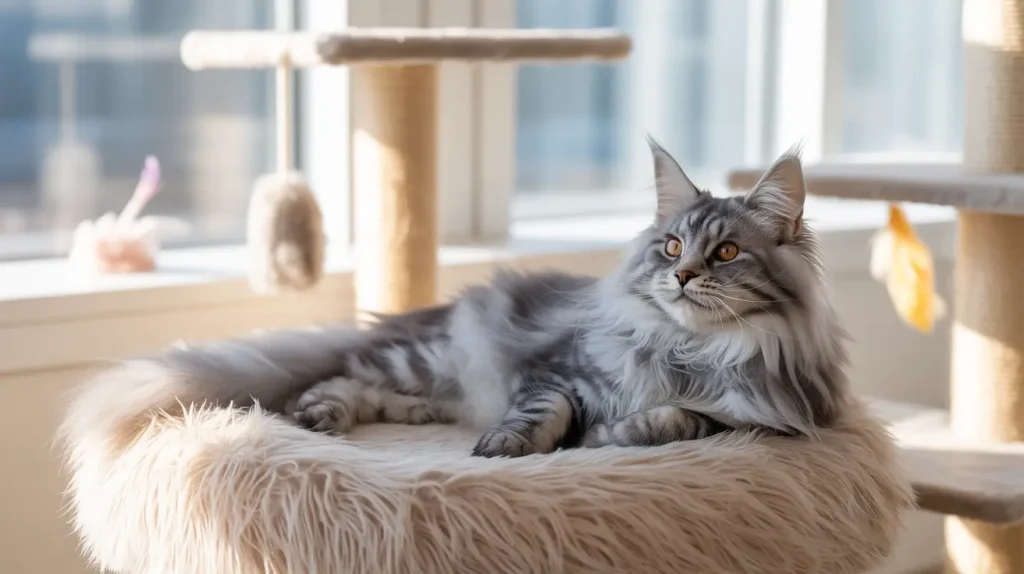
Are you passionate about cats and wondering how to turn that love into a rewarding career? Becoming a cat breeder isn’t just about having cute kittens—it’s about responsibility, knowledge, and care.
If you want to know the steps to start breeding cats the right way, this guide is made for you. Keep reading, and you’ll discover what it takes to become a successful cat breeder while ensuring your furry friends stay healthy and happy.

Credit: www.purrfectlyfold.com
Starting With Cat Breeding
Cat breeding is a careful process that requires knowledge and patience. It means choosing the right cats and caring for them well. You will learn about breeds and their needs.
Starting with cat breeding means understanding the breed traits and health. This helps you raise healthy kittens that meet breed standards.
Choosing The Right Breed
Pick a breed that fits your lifestyle and interests. Some cats need more care or space. Knowing the breed’s personality helps you prepare.
- Consider the cat’s size and grooming needs
- Learn about the breed’s activity level
- Check common health issues for the breed
- Think about the cat’s temperament
- Find a breed with a good reputation and demand
Researching Breed Standards
Breed standards describe how the cat should look and behave. These rules help breeders keep the breed pure and healthy.
| Feature | Standard Description |
| Coat | Color, pattern, and texture specific to the breed |
| Body | Size, shape, and posture expected |
| Head | Shape, eyes, ears, and nose details |
| Temperament | Typical behavior and personality traits |
| Health | Known genetic conditions and care needs |

Credit: www.purrfectlyfold.com
Setting Up Your Breeding Space
Setting up the right space is key for cat breeding. You need a clean, quiet, and safe area. This helps cats feel calm and secure.
Good preparation also keeps the cats healthy and happy. It is important to plan your space before starting to breed cats.
Preparing A Safe Environment
Create a safe and calm space for your cats. Avoid places with loud noises or heavy foot traffic. The area should be easy to clean and disinfect.
- Choose a room with good ventilation and natural light
- Keep the area free from hazards like sharp objects
- Use non-toxic cleaning products only
- Provide soft bedding for comfort and warmth
- Separate breeding cats from other pets
Essential Supplies And Equipment
Gather all needed supplies before bringing cats into the breeding space. Proper tools make care and breeding easier and safer.
| Item | Purpose | Notes |
| Litter boxes | Keep cats clean and comfortable | Provide at least one box per cat |
| Food and water bowls | Feed and hydrate cats | Use separate bowls for each cat |
| Heating pads | Keep kittens warm | Use with caution to avoid burns |
| Cat carriers | Transport cats safely | Needed for vet visits |
| Cleaning supplies | Maintain hygiene | Non-toxic and cat-safe products only |
Health And Genetics
Becoming a cat breeder means caring for your cats’ health. Genetics also plays a big role.
Good health and strong genes help produce healthy kittens. This benefits the cats and future owners.
Screening For Genetic Conditions
Screening means testing cats for inherited diseases. It helps avoid passing health problems to kittens.
Tests can check for common genetic issues in specific breeds. Use these results to select healthy cats for breeding.
- Ask your vet about genetic tests for your breed
- Test breeding cats before mating
- Keep records of test results
- Do not breed cats with serious genetic problems
Maintaining Cat Health
Keep cats healthy with good food, exercise, and vet care. Healthy cats have better chances to produce strong kittens.
Regular check-ups catch illnesses early. Vaccinations and parasite control keep cats safe from common diseases.
- Feed balanced, high-quality cat food
- Provide clean water every day
- Give cats space to play and exercise
- Visit the vet twice a year
- Keep vaccinations up to date
- Use flea and worm prevention
Breeding Process
Becoming a cat breeder requires a clear understanding of the breeding process. This guide covers key steps to help you start safely and responsibly.
The breeding process includes choosing the right pairs, knowing the best mating times, and caring for the mother during pregnancy and birth.
Selecting Breeding Pairs
Choose healthy cats with good temperaments and strong genetics. Avoid breeding cats with known health problems or poor traits.
- Check for hereditary diseases in both cats
- Evaluate physical traits and breed standards
- Consider age and overall health
- Ensure both cats have clear vaccinations
- Match temperaments for better offspring
Timing And Mating Techniques
Understanding your female cat’s heat cycle is key. Most cats go into heat every two to three weeks during breeding season.
| Stage | Duration | Description |
| Proestrus | 1-2 days | Female attracts males but is not receptive yet |
| Estrus (Heat) | 4-7 days | Female is receptive and can mate |
| Metestrus | 1-2 days | Receptivity ends, pregnancy may begin |
| Anestrus | Varies | Rest period with no sexual activity |
Assist the cats during mating by providing a quiet and safe space. Multiple matings over several days improve chances of pregnancy.
Pregnancy And Birth Care
Pregnancy lasts about 63 to 67 days. Keep the mother comfortable and well-fed with high-quality food.
- Provide a clean and quiet nesting area
- Monitor health and weight regularly
- Watch for signs of labor as the due date nears
- Have a vet ready for emergencies
- Keep the mother calm and stress-free
Raising Kittens
Raising kittens is a rewarding task that needs care and attention. Proper care helps kittens grow healthy and happy.
Knowing how to feed and socialize kittens, plus keeping them healthy, is key for breeders.
Nutrition And Socialization
Kittens need the right food and social experiences to develop well. Feeding them balanced meals supports growth.
- Feed high-quality kitten food with proteins and fats
- Provide fresh water at all times
- Introduce new toys and gentle handling for social skills
- Play daily to encourage activity and bonding
- Gradually expose kittens to different sounds and people
Health Checks And Vaccinations
Regular health checks keep kittens safe from illness. Vaccinations protect them from common diseases.
| Health Care Task | Frequency | Notes |
| Veterinary check-up | Every 2 weeks (first 2 months) | Monitor growth and health |
| Vaccinations | At 6, 9, and 12 weeks | FVRCP and rabies shots |
| Deworming | Every 2 weeks until 8 weeks old | Prevent parasites |
| Flea control | As needed | Use kitten-safe products only |
Legal And Ethical Considerations
Becoming a cat breeder requires more than just love for cats. You must follow laws and respect ethical rules. These steps help keep cats healthy and happy.
Understanding legal and ethical parts protects you and the cats you breed. This guide covers key points about licensing, regulations, and good breeding habits.
Licensing And Regulations
Most places need breeders to have licenses. These rules keep breeding safe and fair. You may also need to follow animal welfare laws.
- Apply for a breeder’s license from local authorities
- Meet health and safety standards for your cats
- Keep records of all breeding activities
- Follow limits on the number of cats you can breed
- Allow inspections by animal control or related agencies
Ethical Breeding Practices
Ethical breeding means putting cats’ well-being first. Avoid breeding cats with health problems or bad temperaments.
| Ethical Practice | Description |
|---|---|
| Health Testing | Test cats for genetic diseases before breeding |
| Proper Socialization | Raise kittens in a loving and safe environment |
| Limit Breeding Frequency | Allow recovery time between litters to protect cats’ health |
| Responsible Placement | Find good homes for kittens and provide support to owners |
Marketing Your Cats
Marketing is key to becoming a successful cat breeder. You need to show your cats in the best light to attract buyers.
Good marketing helps build trust and connects you with the right people interested in your cats.
Building A Reputation
Start by sharing clear photos and honest details about your cats. Be open about their health and personality.
- Keep a clean and safe environment for your cats
- Show proof of health checks and vaccinations
- Share stories about your cats’ behavior and care
- Ask happy buyers to leave reviews or testimonials
Connecting With Buyers
Use different ways to reach buyers. Respond quickly and politely to questions.
| Method | Benefits |
| Social Media | Wide audience and easy sharing |
| Cat Shows | Meet serious buyers and build trust |
| Website | Showcase cats and provide contact info |
| Local Ads | Reach buyers nearby |

Credit: www.catbreedingforbeginners.com
Managing Finances
Becoming a cat breeder requires good money management. You must plan your costs and set prices carefully.
Proper financial control helps keep your breeding business steady and successful.
Cost Planning
Start by listing all expenses for your cat breeding. Include food, vet visits, and supplies.
Track these costs every month. This helps you know how much money you need to spend.
- Cat food and litter
- Veterinary care and vaccinations
- Breeding equipment and toys
- Registration and paperwork fees
- Emergency medical costs
Pricing Strategies
Set your kitten prices based on your total costs and effort. This keeps your business profitable.
Consider the breed’s demand and your reputation. Price too low or too high can cause problems.
- Calculate the cost per kitten including all expenses
- Research prices of similar breeds in your area
- Set prices that cover costs and provide a fair profit
- Offer discounts for repeat buyers or multiple kittens
- Adjust prices based on health and quality of kittens
Continuous Learning
Becoming a cat breeder needs ongoing learning. You must know about cat health, care, and breeding.
Learning helps you raise healthy cats and improve your breeding skills over time.
Joining Breeder Communities
Breeder communities connect you with others who share your interest. You can ask questions and share advice.
These groups often have experienced breeders who can guide you. They also share news and updates about cats.
- Find local or online breeder groups
- Join forums and social media pages
- Participate in discussions and ask for help
Attending Shows And Workshops
Cat shows let you see many cat breeds in one place. You learn about breed standards and judging criteria.
Workshops teach you practical skills. You can learn about cat care, genetics, and breeding techniques.
- Visit cat shows to observe and ask questions
- Attend workshops for hands-on learning
- Network with breeders and experts
Frequently Asked Questions
What Qualifications Do I Need To Become A Cat Breeder?
You need knowledge of cat breeds, genetics, and health care. Experience with cats and a passion for breeding are essential. Some regions require licenses or permits. Joining cat breeder associations can provide valuable resources and credibility.
How Much Does It Cost To Start Cat Breeding?
Starting costs include purchasing quality breeding cats, veterinary care, and supplies. Initial expenses can range from $1,000 to $5,000 or more. Budget for ongoing costs like food, health checks, and marketing to ensure successful breeding.
What Are The Legal Requirements For Cat Breeders?
Legal requirements vary by location but often include business licenses and animal welfare compliance. Registering with local authorities and following breeding regulations is crucial. Staying updated on laws helps avoid penalties and ensures ethical breeding practices.
How Do I Ensure Healthy Kittens In Breeding?
Provide proper veterinary care, balanced nutrition, and safe environments. Screen breeding cats for genetic diseases and vaccinations. Early socialization and regular health checks improve kitten wellbeing and increase their chances of healthy development.
Conclusion
Becoming a cat breeder is a rewarding journey. It requires passion and dedication. Start by learning about different cat breeds. Understand their needs and characteristics. Building a strong network helps. Connect with experienced breeders. They can offer valuable insights. Always prioritize the health of your cats.
Regular vet check-ups are crucial. Maintain a clean and safe environment. This ensures happy, healthy cats. Stick to ethical breeding practices. This builds trust with potential buyers. Patience is key. Success takes time and effort. Enjoy the process. Your love for cats will shine through.
Make each step count.