Have you ever wondered which house cat is the biggest of them all? If you think all domestic cats are small and cuddly, think again.
Some cats grow to surprising sizes that will amaze you. Knowing about the largest house cat can change how you see your furry friend and even help you choose the perfect pet. Keep reading, and you’ll discover fascinating facts that might just make you rethink what a “big cat” really means.
Your curiosity about these giant felines is about to be rewarded!
Credit: uk.news.yahoo.com
Giant House Cat Breeds
Some house cats grow much larger than others. These giant breeds are known for their size and strength. They make gentle and friendly pets despite their size.
We will look at three popular giant cat breeds. Each has unique traits and features that make them special.
Maine Coon Characteristics
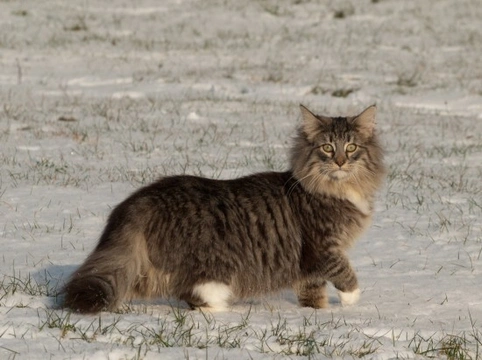
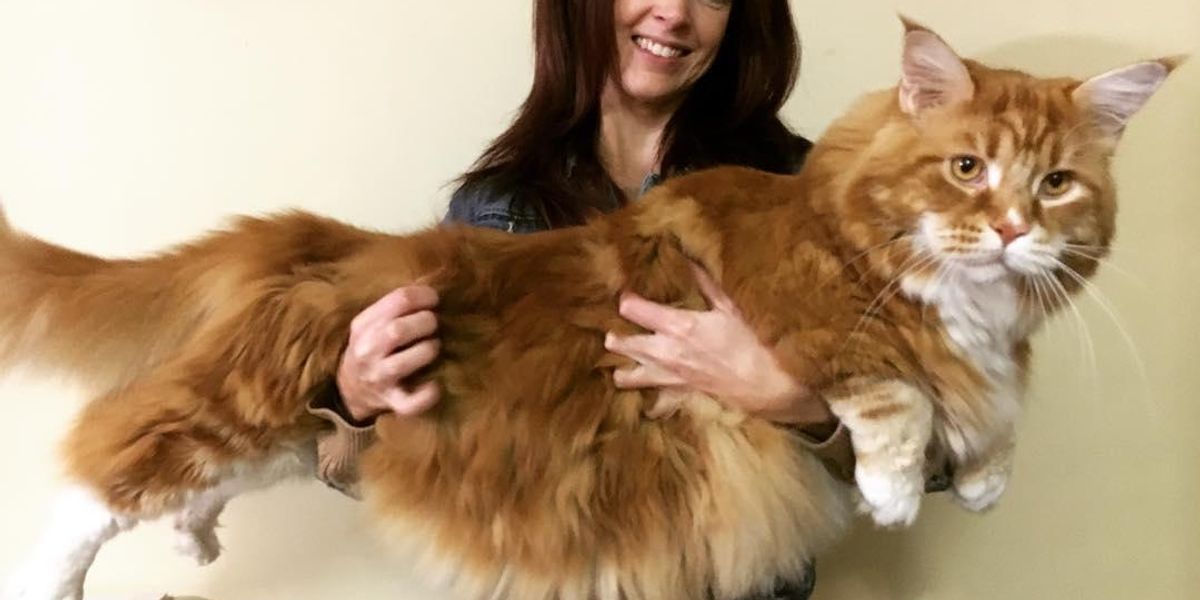
The Maine Coon is one of the biggest domestic cat breeds. They have long, thick fur and bushy tails. Their large paws help them walk on snow.
- Weight can reach up to 18 pounds or more
- Length can be up to 40 inches including the tail
- Friendly and social personality
- Thick fur protects them in cold weather
- Large ears with tufts of hair on top
Savannah Cat Features
Savannah cats are a mix of domestic cats and wild African servals. They look wild but are usually friendly. They are very tall and lean.
| Feature | Description |
|---|---|
| Height | Up to 17 inches at the shoulder |
| Weight | Up to 25 pounds |
| Coat | Spotted with a short, silky texture |
| Personality | Active, curious, and intelligent |
| Legs | Long and slender |
Norwegian Forest Cat Traits
Norwegian Forest Cats come from cold climates. They have thick double coats and strong bodies. They are good climbers with sharp claws.
| Trait | Detail |
|---|---|
| Weight | Up to 16 pounds |
| Fur | Long, water-resistant, and dense |
| Build | Muscular and sturdy |
| Temperament | Calm and friendly |
| Tail | Long and bushy |
Credit: www.lovemeow.com
Size Comparison Among Big Cats
The largest house cats are much smaller than wild big cats. Still, they are impressive in size compared to regular domestic cats. Understanding their size helps us compare them to lions, tigers, and other big cats.
This article breaks down size differences using weight and length benchmarks. We also look at record-holding cats and their growth patterns.
Weight And Length Benchmarks
Big cats vary a lot in weight and length. House cats are much smaller but can still grow large compared to their wild cousins.
| Cat Species | Average Weight (lbs) | Average Length (inches) |
| Largest House Cat (Maine Coon) | 18 | 40 |
| Lion | 420 | 110 |
| Tiger | 570 | 130 |
| Leopard | 130 | 75 |
| Cheetah | 110 | 72 |
Record-holding Cats
The largest house cat on record weighed about 39 pounds. This is huge for a pet cat but tiny next to wild cats.
- The heaviest lion weighed around 570 pounds.
- The largest tiger recorded was 670 pounds.
- Some leopards can grow up to 200 pounds.
- The biggest cheetah recorded weighed 160 pounds.
Growth Patterns
House cats grow quickly in their first year. Big cats take several years to reach full size.
Growth stages in cats:
- Birth to 6 months: Rapid growth in all cats.
- 6 months to 1 year: House cats reach near full size.
- 1 to 3 years: Big cats continue growing steadily.
- After 3 years: Big cats reach full adult size.
Care For Large House Cats
Large house cats need special care to stay healthy and happy. Their size means they have unique needs compared to smaller cats.
Understanding their diet, exercise, and health helps you provide the best care for these big feline friends.
Dietary Needs
Large cats require a balanced diet to support their bigger bodies. They need more protein and calories but avoid overfeeding.
- Feed high-quality protein sources like chicken, turkey, or fish
- Include wet food to keep them hydrated
- Measure food portions to prevent obesity
- Provide fresh water at all times
- Avoid feeding too many treats or human food
Exercise And Activity
Big cats need regular exercise to stay fit and avoid weight gain. Playtime helps keep their muscles strong.
| Activity | Benefits |
| Interactive play with toys | Improves agility and strength |
| Climbing structures | Supports muscle development |
| Short bursts of running | Boosts cardiovascular health |
| Exploring safe outdoor areas | Stimulates mind and body |
Health Considerations
Large cats can have health issues like joint problems and heart disease. Regular vet visits are very important.
Watch for signs like:
- Difficulty jumping or climbing
- Changes in appetite
- Unusual tiredness
- Breathing problems
- Weight changes
Early care can prevent serious problems and keep your big cat comfortable.
Behavior Of Giant Felines
Giant house cats, like the Maine Coon or Savannah, show unique behaviors. Their size affects how they act and interact.
Understanding these behaviors helps owners care for them well and build strong bonds.
Temperament And Personality
Large house cats are often gentle and calm. They enjoy relaxing but also like to play.
They may be curious and intelligent, exploring their environment with interest.
- Usually friendly with family members
- Can be independent but enjoy attention
- May show loyalty like a dog
Social Interaction
Giant cats often enjoy social time with humans and other pets. They like being part of the household.
Some big cats may be shy at first but warm up with patience and kindness.
- Enjoy gentle petting and play
- May follow owners around the house
- Can get along well with other animals
Training Tips
Training large cats is possible with patience and rewards. Use treats and praise to teach commands.
Keep training sessions short and fun to keep the cat interested and happy.
- Use clicker training for clear signals
- Reward good behavior immediately
- Be consistent with rules and commands
- Avoid punishment to build trust
Choosing The Right Large Cat
The largest house cats are often gentle giants with unique needs. Picking the right big cat means knowing what fits your home and lifestyle.
These cats need space and care to stay happy. Learn what to expect before bringing one into your family.
Living Space Requirements
Large cats need more room to move and play. A small apartment may feel tight for them. Make sure your home has enough space for a big cat to stretch and explore.
Providing climbing areas and comfortable resting spots helps keep your cat active and happy. Avoid crowded spaces that limit their movement.
- Choose a home with enough floor space
- Add tall cat trees or shelves
- Keep quiet areas for rest
- Ensure safe outdoor access if possible
Compatibility With Families
Big cats can be calm and loving companions. Some breeds enjoy being around children and other pets. It is important to watch how your cat reacts to family members.
Teaching kids to treat cats gently helps build trust. Large cats may need more patience and respect for their space.
- Choose a cat known for a friendly nature
- Supervise kids around the cat
- Introduce pets slowly and carefully
- Respect the cat’s quiet time
Adoption Tips
Look for shelters or breeders that focus on large cat breeds. Ask about the cat’s health and temperament. Visit the cat more than once before adopting.
Prepare your home with all needed supplies before bringing the cat home. Giving time to adjust helps your cat settle in comfortably.
- Check for large cat breed availability
- Ask about medical history
- Meet the cat in person multiple times
- Prepare a safe and cozy space at home

Credit: www.reddit.com
Frequently Asked Questions
What Is The Largest Domestic House Cat Breed?
The Maine Coon is the largest domestic house cat breed. It can weigh up to 18 pounds and measure over 40 inches long.
How Big Can A Savannah Cat Grow?
Savannah cats can grow quite large, often reaching 20 pounds or more. They have a slender, tall body with long legs.
Are There Wild Cats Bigger Than House Cats?
Yes, wild cats like the liger and Siberian tiger are much larger than domestic house cats. They can weigh hundreds of pounds.
What Factors Influence House Cat Size?
Genetics, diet, and overall health influence a house cat’s size. Larger breeds like Maine Coons have specific genetic traits for size.
Conclusion
The largest house cat offers both size and charm. Maine Coons and Savannahs lead in size. They make great companions with their friendly nature. These cats need space and care. Perfect for families and cat lovers alike. Their playful, gentle demeanor captivates everyone.
Owning one brings joy and excitement. They are unique and interesting pets. Consider your home’s space before adopting. Their size requires room to roam. Their personalities bring happiness to any household. Remember, each cat is unique. Choose the right one for your lifestyle.
Enjoy the company of these fascinating feline friends.