
What kitten moments make your heart melt? Whether you’re thinking about bringing a furry friend home or just curious about these playful little creatures, understanding what a kitten truly is will surprise you.
You’ll discover more than just their cuteness—there’s a world of behavior, care tips, and fun facts that can change how you see them forever. Stick with me, and by the end, you’ll feel ready to welcome a kitten into your life or simply appreciate these tiny bundles of joy in a whole new way.
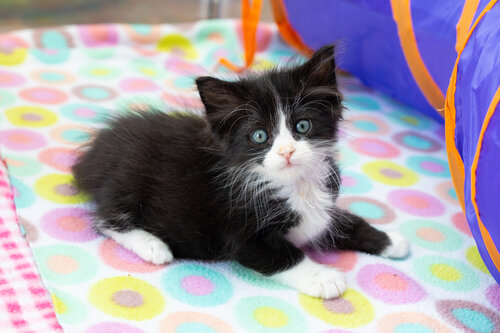
Credit: www.kittenlady.org
Choosing The Right Kitten
Getting a kitten is a big decision. You want to find one that fits your home and lifestyle. This guide helps you choose the right kitten for you.
Consider important factors like breed, health, and where to get your kitten. These points make sure you bring home a happy and healthy pet.
Breeds And Temperaments
Different cat breeds have different personalities. Some are playful, others calm. Knowing this helps you pick a kitten that matches your energy and home.
- Siamese cats are very social and vocal.
- Persian cats tend to be calm and quiet.
- Maine Coons are friendly and good with children.
- Bengal cats are active and love to play.
- Ragdolls are gentle and like to cuddle.
Health Checks
Always check the kitten’s health before bringing it home. A vet can spot signs of illness or parasites. Healthy kittens have clear eyes, clean ears, and a shiny coat.
| Health Check | What to Look For |
|---|---|
| Eyes | Clear and bright, no discharge |
| Ears | Clean, no bad smell or wax build-up |
| Coat | Shiny and clean, no bald spots |
| Weight | Not too thin or too fat |
| Behavior | Active and curious |
Adoption Vs. Buying
You can adopt a kitten from a shelter or buy one from a breeder. Both have pros and cons. Think about what matters most to you.
Adoption:Saves a life and gives a home to a kitten in need. Often less expensive. May have mixed breeds.
Buying:Allows you to pick a specific breed. Usually comes with health guarantees. Can be more costly.
Preparing Your Home
Bringing a kitten home means getting ready for a new friend. Your home should be safe and welcoming. This helps your kitten feel calm and happy.
It is important to prepare spaces, protect your home, and gather supplies. Each step helps your kitten settle in well.
Safe Spaces
Create quiet and cozy spots where your kitten can rest. These areas help your kitten feel secure. Use soft bedding and a small box or bed in a low traffic place.
- Choose a warm corner away from noise
- Place soft blankets or a pet bed
- Keep food and water near but not inside the sleeping area
- Add some toys for comfort
Kitten-proofing Tips
Check your home for items that could harm your kitten. Kittens are curious and can get into trouble easily. Remove or secure dangers before your kitten arrives.
- Hide electrical cords and plugs
- Keep small objects out of reach
- Lock cabinets with cleaning supplies or medicines
- Cover trash bins to avoid spills
- Block off high places where a kitten could fall
Essential Supplies
Get all the important items before your kitten comes home. These supplies help your kitten eat, play, and stay clean.
| Item | Purpose |
| Litter box | For bathroom needs |
| Food and water bowls | Meal times |
| Kitten food | Nutrition |
| Scratching post | Protect furniture and play |
| Toys | Exercise and fun |
| Brush or comb | Grooming |
Feeding Your Kitten
Feeding your kitten the right food is important for healthy growth. Good nutrition helps kittens develop strong bones and a good immune system.
Knowing what and when to feed your kitten can keep them happy and active. This guide will help you with feeding basics.
Nutrition Basics
Kittens need food rich in protein, fat, and vitamins. These nutrients support their fast growth and energy needs.
Choose kitten-specific food because it has the right balance of nutrients. Avoid adult cat food as it lacks some essentials.
- High protein for muscle growth
- Healthy fats for energy
- Vitamins and minerals for bones and health
- Water for hydration
Feeding Schedule
Kittens should eat small meals many times a day. This keeps their energy steady and supports growth.
Feed your kitten four times daily until they are six months old. After that, reduce to two or three meals daily.
- Up to 6 months: 4 small meals per day
- 6 to 12 months: 2 to 3 meals per day
- Provide fresh water at all times
Avoiding Harmful Foods
Some foods can harm your kitten and cause sickness. Keep these foods away from your kitten’s diet.
Chocolate, onions, garlic, and caffeine are toxic. Also avoid raw meat, bones, and dairy products that can upset their stomach.
- Never feed chocolate or caffeine
- Avoid onions and garlic
- Do not give raw meat or bones
- Limit dairy; many kittens are lactose intolerant
- Keep human snacks and junk food away
Health And Vet Care
Kittens need proper health care to grow strong and happy. Regular vet visits keep them safe from diseases.
Good health care helps catch problems early. This gives your kitten the best chance to live a long life.
Vaccination Schedule
Vaccines protect kittens from many serious illnesses. Your vet will guide you on when to give vaccines.
Most kittens start vaccines at six to eight weeks old. They need several shots until four months old.
- 6 to 8 weeks: First vaccines (FVRCP)
- 10 to 12 weeks: Second vaccines (FVRCP, FeLV)
- 14 to 16 weeks: Final vaccines and rabies
- Annual boosters after first year
Common Illnesses
Kittens often face common illnesses like fleas, worms, and respiratory infections. Watch for signs of sickness.
Early treatment helps kittens recover faster. Keep your kitten clean and check them regularly for problems.
- Upper respiratory infections cause sneezing and runny nose
- Fleas cause itching and skin problems
- Worms cause vomiting and diarrhea
- Ear mites cause ear scratching and discharge
Spaying And Neutering
Spaying and neutering prevent unwanted kittens and reduce health risks. It also helps stop some behaviors.
Most vets recommend spaying or neutering at five to six months old. The surgery is safe and quick.
- Spaying removes female reproductive organs
- Neutering removes male testicles
- Reduces risk of some cancers
- Helps control pet population
Litter Training Tips
Training your kitten to use the litter box is important for a clean home. It helps your kitten learn good habits early.
This guide gives simple tips to make litter training easy for you and your kitten.
Choosing A Litter Box
Pick a litter box that fits your kitten’s size. It should be easy for the kitten to get in and out.
Keep the box in a quiet, safe place. Avoid areas with loud noises or heavy foot traffic.
- Choose a low-sided box for young kittens
- Use a box large enough for your kitten to turn comfortably
- Place the box in a calm, private spot
- Keep the box away from food and water bowls
Training Techniques
Show your kitten where the litter box is right after meals and naps. This helps them learn the right spot.
Praise your kitten or give a small treat when they use the box. This encourages good behavior.
- Place kitten in the litter box several times a day
- Keep the litter box clean by scooping daily
- Be patient and calm during training
- Use gentle words and rewards to encourage use
Dealing With Accidents
Accidents happen. Clean the area well to remove any smell. This stops the kitten from returning there.
Do not punish your kitten. This can make them scared and slow down training.
- Use an enzyme cleaner to remove odors
- Watch for signs your kitten needs to go
- Keep the litter box easy to reach
- Stay patient and consistent with training

Credit: justcatsclinic.com
Socializing And Play
Socializing and play are very important for kittens. These activities help kittens learn how to behave around people and other animals.
Playing also helps kittens use their energy in a positive way. It makes them happy and healthy.
Encouraging Interaction
Spend time with your kitten every day. Let the kitten get used to your voice and touch. Talk softly and gently pet the kitten.
Invite visitors to meet your kitten. This helps the kitten feel comfortable with different people. Always watch to make sure the kitten is safe and calm.
Toys And Enrichment
Kittens need toys to stay busy and learn new skills. Toys help them practice hunting and chasing in a safe way.
Use a mix of toys like balls, feather wands, and small stuffed animals. Change toys often to keep the kitten interested.
- Soft balls for chasing
- Feather wands for jumping
- Scratching posts for claws
- Puzzle feeders for mental work
Handling Behavioral Issues
Sometimes kittens bite or scratch during play. This is normal but should be gently corrected. Say “no” firmly and stop playing for a moment.
Give the kitten a toy to bite instead of your hands. Teach the kitten what is okay to bite and what is not. Be patient and consistent.
Grooming Essentials
Keeping your kitten clean and healthy helps them feel good. Grooming also builds trust between you and your pet.
Regular care prevents problems and keeps your kitten happy. Focus on brushing, bathing, nails, and teeth.
Brushing And Bathing
Brushing removes loose fur and stops mats. It also helps spread natural oils for a shiny coat.
- Brush your kitten gently once or twice a week.
- Use a soft brush made for kittens.
- Give a bath only when needed with kitten-safe shampoo.
- Keep water warm and avoid getting water in the ears.
- Dry your kitten carefully with a towel.
Nail Care
Trim your kitten’s nails to stop scratches and damage. Use special pet nail clippers for safety.
| Tool | Purpose | Tip |
|---|---|---|
| Pet nail clippers | Trim nails safely | Cut only the sharp tip |
| Styptic powder | Stop bleeding if cut too short | Keep it nearby |
| Scratching post | Helps keep nails healthy | Encourage kitten to use it |
Dental Hygiene
Keep your kitten’s teeth clean to prevent pain and illness. Start brushing early to build good habits.
Dental care tips:
- Use a soft toothbrush made for cats.
- Brush teeth gently once a day or several times a week.
- Offer dental treats and toys to reduce plaque.
- Schedule regular vet checkups to monitor dental health.
Travel And Safety
Taking a kitten on trips needs care and planning. Kittens are small and fragile, so safety is very important.
Knowing how to keep your kitten safe during travel helps reduce stress and prevent accidents.
Safe Transport
Use a secure carrier to move your kitten. It should be cozy and well-ventilated.
Place soft bedding inside the carrier to keep your kitten comfortable. Avoid loud noises and sudden movements.
- Choose a carrier with a strong latch
- Keep the carrier stable in the car
- Never hold your kitten on your lap while driving
- Bring familiar toys or blankets
Identifying Risks
Watch for dangers like overheating, cold, or escape risks. Kittens are curious and may try to get out.
Check the travel area for harmful objects or chemicals. Make sure the kitten can’t chew on wires or plants.
- Keep the carrier away from direct sunlight
- Secure all doors and windows
- Remove sharp or small objects nearby
- Check for toxic plants or foods
Emergency Preparedness
Always have a plan for emergencies. Bring a first aid kit and your vet’s contact info.
Learn basic kitten first aid. Know how to handle choking, cuts, or sudden illness.
- Pack a small first aid kit for your kitten
- Keep your vet’s phone number handy
- Know where the nearest animal hospital is
- Stay calm and act quickly if problems occur

Credit: www.purina.com
Frequently Asked Questions
What Is A Kitten And When Are They Born?
A kitten is a young domestic cat, typically under one year old. They are usually born after a 63-65 day gestation period. Kittens are born blind and deaf, relying on their mother for warmth and nutrition during their early weeks.
How Do I Care For A Newborn Kitten Properly?
Newborn kittens need warmth, feeding every 2-3 hours, and a clean environment. Use kitten formula if the mother isn’t available. Keep them cozy and monitor their health closely. Handle them gently to avoid stress or injury during their first weeks.
When Should Kittens Start Eating Solid Food?
Kittens usually start eating solid food around 4 weeks old. Begin by offering soft, wet kitten food mixed with water or formula. Gradually reduce liquid content as they adapt. By 8 weeks, they should be eating solid food regularly alongside weaning.
How Often Should Kittens Be Vaccinated?
Kittens should receive vaccinations starting at 6-8 weeks old. Core vaccines include feline distemper, calicivirus, and rhinotracheitis. Boosters are given every 3-4 weeks until 16 weeks. Vaccinations protect kittens from common infectious diseases and ensure healthy growth.
Conclusion
Choosing the right kitten brings joy to your home. Consider their needs. Their personality. Your lifestyle. Each kitten is unique. Spend time researching. Visit shelters or breeders. Ask questions. Learn about their care. Your decision impacts both you and the kitten.
Make it thoughtfully. A happy kitten means a happy home. Enjoy the companionship they offer. The love they bring is unmatched. Embrace the journey. Enjoy every moment with your new furry friend. Your bond will grow stronger with time. Cherish it.