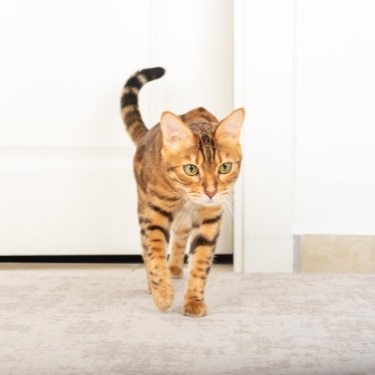
Have you ever wondered just how big a house cat can get? You might think all cats are small and cuddly, but some can surprise you with their size.
Whether you’re curious about your own furry friend or thinking about adopting a larger breed, understanding a cat’s potential growth can help you prepare better. You’ll discover the biggest house cats, what affects their size, and how to care for a larger feline companion.
Keep reading—you’ll be amazed at what you learn!

Credit: www.youtube.com
Average Size Of House Cats
House cats come in many sizes, but most fall within a common range. Knowing the average size helps you understand what to expect from your cat.
Size depends on breed, diet, and genetics. Here we focus on typical size details for most house cats.
Typical Weight Range
Most house cats weigh between 8 and 10 pounds. Some cats can be smaller or larger based on breed and health.
Male cats often weigh more than females. Overweight cats can weigh over 15 pounds, but this is not healthy.
- Average weight: 8 to 10 pounds (3.6 to 4.5 kg)
- Smaller cats: around 5 pounds (2.3 kg)
- Larger cats: up to 15 pounds (6.8 kg)
Common Length And Height
The average house cat is about 18 inches long from head to body. This does not include the tail.
Height at the shoulder is usually 9 to 10 inches. Some breeds are taller or longer, but this is typical.
| Measurement | Typical Size |
|---|---|
| Body length (head to base of tail) | About 18 inches (45 cm) |
| Height at shoulder | 9 to 10 inches (23 to 25 cm) |
| Tail length | 10 to 12 inches (25 to 30 cm) |
Factors Influencing Cat Size
The size of a house cat can vary a lot. Many things affect how big a cat grows.
Some cats stay small, while others can become quite large. Understanding these factors helps explain why.
Breed Differences
Different cat breeds have different typical sizes. Some breeds are naturally small, others are large.
For example, the Singapura is one of the smallest breeds. The Maine Coon is one of the largest house cats.
- Singapura cats usually weigh 4 to 8 pounds.
- Maine Coons can weigh up to 18 pounds or more.
- Siberian cats are medium to large, often around 15 pounds.
Genetics And Heredity
Genes from a cat’s parents decide much about its size. Cats inherit traits that affect growth.
If parents are large, kittens often grow big too. Small parents usually have smaller kittens.
- Genetic makeup controls bone size and muscle mass.
- Some genes promote faster or slower growth.
- Heredity also affects body shape and weight.
Diet And Nutrition
Good food helps cats reach their full size. Poor nutrition can limit growth and cause health problems.
Balanced diets with enough protein and vitamins support strong bones and muscles. Overfeeding can cause obesity.
- High-quality protein is key for muscle development.
- Vitamins and minerals help bone growth.
- Too many calories can lead to unhealthy weight gain.
Largest Domestic Cat Breeds
House cats come in many sizes. Some breeds grow much larger than most cats.
These big cats are gentle giants. They often have unique traits and features.
Maine Coon Traits
The Maine Coon is one of the largest domestic cats. Males can weigh up to 18 pounds.
This breed has a long, thick coat. They have tufted ears and bushy tails.
- Strong, muscular body
- Friendly and playful nature
- Water-resistant fur
- Large paws with fur between toes
Savannah Cat Size
Savannah cats are tall and lean. They are a mix of domestic cats and wild servals.
Some Savannah cats can weigh up to 25 pounds. They stand very tall on long legs.
- Long neck and large ears
- Spotted coat like wild cats
- Active and curious behavior
- Can jump very high
Norwegian Forest Cat Features
The Norwegian Forest Cat is a large, strong breed. They have thick fur to stay warm.
They can weigh up to 16 pounds. Their bodies are built for climbing and cold weather.
- Triangular face shape
- Dense double coat
- Long bushy tail
- Friendly and calm personality
Record-breaking Big Cats
House cats come in many sizes, but some have grown much larger than usual. These record-breaking cats show how big a house cat can get.
Let’s look at the heaviest and longest cats ever recorded. These cats hold amazing records in the feline world.
Heaviest Recorded Cats
The heaviest house cats weigh far more than average cats. Most cats weigh between 8 and 10 pounds. But some have reached incredible weights.
- Himmy from Australia weighed 21.3 pounds (9.65 kg).
- Blackie, a British cat, was said to weigh 39 pounds (17.7 kg).
- Meowing Myrtle, a Maine Coon, weighed about 33 pounds (15 kg).
Longest Measured Cats
Length is another way to measure big cats. Some cats grow very long from nose to tail.
| Cat Name | Length (inches) | Breed |
|---|---|---|
| Stewie | 48.5 | Maine Coon |
| Arcturus Aldebaran Powers | 47.2 | Maine Coon |
| Ludo | 46.5 | Maine Coon |
Health Implications Of Large Size
House cats that grow larger than average can face unique health challenges. Their size affects their body systems and daily comfort.
Understanding these health implications helps owners provide better care and improve their cats’ quality of life.
Joint And Mobility Issues
Large cats often carry extra weight that puts pressure on their joints. This can cause pain and reduce their movement over time.
- Stress on hips and knees can lead to arthritis.
- Stiffness may make jumping and running difficult.
- Joint problems can cause a cat to avoid activity.
- Regular vet checks help spot early signs of joint disease.
Exercise and a healthy weight can reduce joint stress and keep your big cat moving comfortably.
Dietary Needs For Big Cats
Larger cats need diets that support their size without causing weight gain. Their food must supply enough nutrients for strong muscles and bones.
| Nutrition Aspect | Importance | Recommendations |
| Protein | Builds muscle mass | High-quality animal protein daily |
| Calories | Energy for larger body | Controlled portions to avoid obesity |
| Fat | Supports skin and coat health | Moderate healthy fats like omega-3 |
| Calcium & Phosphorus | Strengthens bones and teeth | Balanced mineral levels |
Feeding a balanced diet helps big cats stay fit and lowers risks of health problems linked to size.
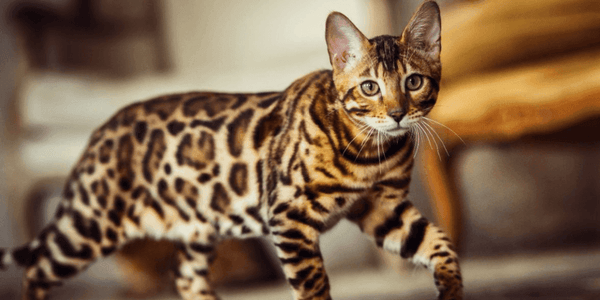
Credit: www.tippaws.com
Tips For Caring For Large Cats
Large house cats need special care to stay healthy and happy. Their size can affect their activity and diet needs.
Giving them the right exercise and feeding habits helps prevent health problems. This guide shares simple tips for caring for big cats.
Exercise And Activity
Large cats need regular exercise to keep muscles strong. Playtime helps control their weight and stops boredom.
Use toys that encourage running, jumping, and climbing. Short sessions several times a day work best for big cats.
- Provide climbing trees or shelves
- Use interactive toys like feather wands
- Set up safe areas for running
- Engage in short, frequent play times
Proper Feeding Habits
Large cats need balanced meals to support their size. Feeding the right amount helps avoid obesity and health issues.
Choose high-quality food with good protein and nutrients. Split meals into smaller portions through the day.
- Feed according to your cat’s weight and age
- Use measured portions to avoid overfeeding
- Provide fresh water at all times
- Limit treats to keep calories in check
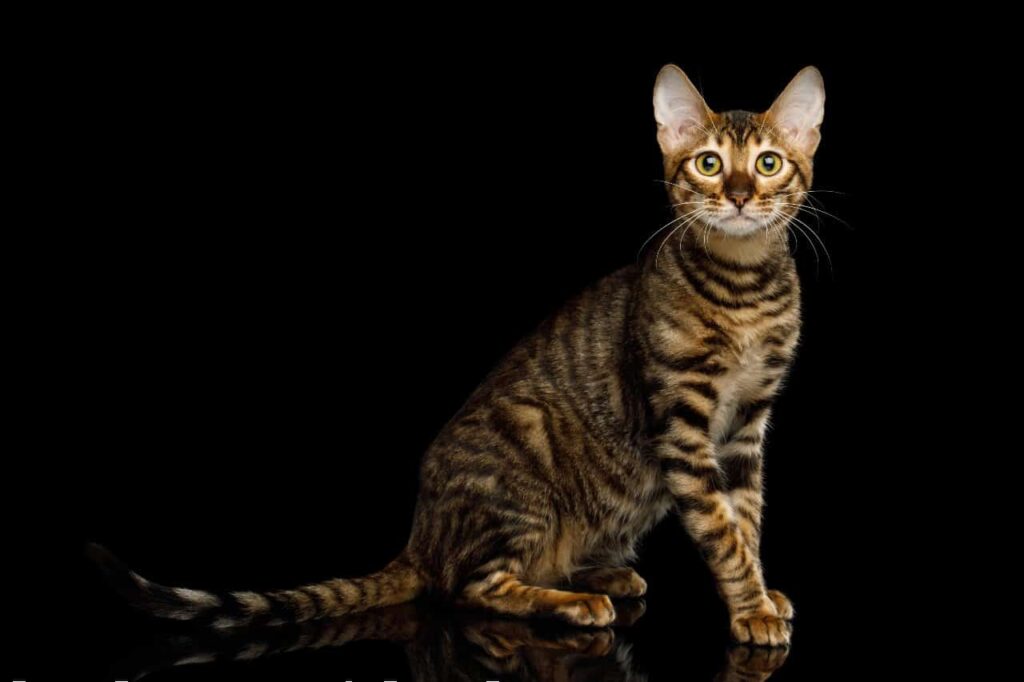
Credit: rawznaturalpetfood.com
Frequently Asked Questions
How Large Can A House Cat Grow?
House cats typically weigh between 8 and 12 pounds. Some breeds, like the Maine Coon, can grow larger, reaching 15 to 25 pounds. Size varies due to genetics, diet, and health. Most cats remain within a moderate size range.
What Is The Biggest Breed Of House Cat?
The Maine Coon is the largest domestic cat breed. Males can weigh up to 25 pounds or more. They have long fur and a muscular build. Their size makes them popular among cat enthusiasts.
Can House Cats Become Overweight Or Obese?
Yes, house cats can become overweight due to overfeeding and lack of exercise. Obesity can lead to health problems like diabetes and arthritis. Proper diet and regular playtime help maintain a healthy weight.
Do Male Cats Grow Bigger Than Female Cats?
Generally, male cats are larger than females. Males can weigh more and have a bulkier frame. However, size differences depend on breed and individual genetics. Both can be healthy at their respective sizes.
Conclusion
Cats can grow quite large, depending on the breed. Maine Coons and Savannah cats are among the biggest. Proper diet and exercise play a key role. Large cats need more space to move and play. Always monitor your cat’s weight and health.
Regular vet check-ups are important. A healthy cat is a happy cat. Understanding cat growth helps in providing better care. Remember, every cat is unique. Appreciate their size and personality. Enjoy your feline friend, no matter how big they get!