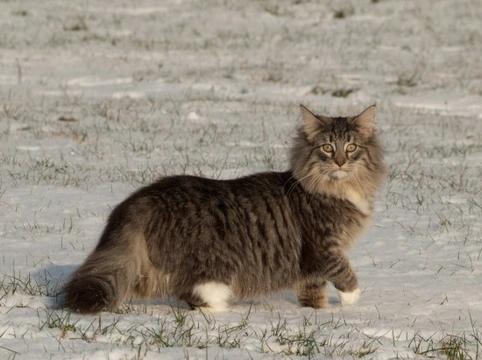
Have you ever wondered just how big a domestic house cat can get? You might think of your own furry friend as small and cuddly, but some house cats grow to surprising sizes.
Discovering the biggest domestic house cat can change the way you see these lovable pets. If you’re curious about the giants of the cat world and want to learn what makes them so special, keep reading. This article will reveal fascinating facts that might just amaze you and make you appreciate your cat even more.

Credit: worldanimalfoundation.org
Largest Domestic Cat Breeds
Some domestic cats grow much larger than others. Their size makes them stand out among house cats. These large breeds are gentle giants with unique looks.
Here are three of the biggest domestic cat breeds known for their size and friendly nature.
Maine Coon
The Maine Coon is one of the largest domestic cat breeds. Males can weigh between 13 to 18 pounds or more. They have long, thick fur and bushy tails.
This breed is known for being friendly and playful. Maine Coons are great pets for families who want a big, gentle cat.
Savannah Cat
Savannah cats are tall and slim but can be quite large. They are a mix between domestic cats and wild servals. Males often weigh 12 to 25 pounds.
Savannah cats have spotted coats and long legs. They are active and curious cats that need lots of playtime.
Norwegian Forest Cat
The Norwegian Forest Cat is a large breed with thick, water-resistant fur. Adult males usually weigh 13 to 22 pounds. They have strong muscles and a sturdy body.
This breed loves climbing and being outdoors. Norwegian Forest Cats are calm, friendly, and good with children.
Physical Traits Of Giant Cats
The biggest domestic house cats are known for their impressive size and unique physical features.
These giant cats stand out with their weight, coat colors, and special traits.
Size And Weight
Giant domestic cats can weigh much more than average cats. Some can reach over 20 pounds.
| Cat Breed | Average Weight | Average Length |
| Maine Coon | 13-18 lbs | 30-40 inches |
| Savannah | 12-25 lbs | 30-40 inches |
| Norwegian Forest Cat | 13-22 lbs | 25-32 inches |
Coat And Color Variations
Giant cats show many coat colors and patterns. Their thick fur helps them stay warm.
- Solid colors like black, white, and gray
- Tabby stripes or spots
- Calico and tortoiseshell patterns
- Long or medium fur length
Distinctive Features
These cats have strong muscles and large paws. Their ears often have tufts of hair.
| Feature | Description |
|---|---|
| Ear Tufts | Hair on the tips of ears, common in Maine Coons |
| Large Paws | Helps with balance and walking on snow |
| Muscular Build | Strong bodies for hunting and climbing |
| Bushy Tail | Long, thick tail used for warmth and balance |
Behavior And Temperament
The biggest domestic house cats are not only large in size but also have unique behaviors. Their temperament can differ from smaller cats.
Understanding their personality helps owners care for them better and build strong bonds.
Personality Traits
These large cats usually have calm and gentle personalities. They tend to be confident but not aggressive. Many are curious and enjoy exploring their environment.
- Friendly towards family members
- Often playful despite their size
- Can be independent but enjoy attention
- May show loyalty like dogs
Activity Levels
Big house cats are active but less hyper than smaller breeds. They like to climb and jump, showing their strength and agility.
| Activity Type | Description |
| Play | Chasing toys and interactive games |
| Rest | Long naps to recover energy |
| Exploration | Checking new areas in the house |
| Climbing | Using cat trees or furniture |
Social Interaction
These cats enjoy social time with humans and other pets. They often seek attention but appreciate quiet moments too.
- Following owners around the house
- Enjoying petting and cuddles
- Playing gently with children
- Sometimes being shy with strangers
Care Tips For Large Cats
Large domestic cats need special care to stay healthy and happy. Their size affects their diet, exercise, and health needs.
Understanding these care tips helps you provide the best life for your big feline friend.
Diet And Nutrition
Large cats require a balanced diet with enough calories to support their size. Feeding them high-quality protein helps build strong muscles.
Watch their food portions to avoid obesity, which can cause health problems.
- Feed high-protein cat food designed for large breeds
- Measure food portions carefully
- Provide fresh water at all times
- Include occasional treats but avoid overfeeding
Exercise Needs
Large cats need regular exercise to stay fit and prevent weight gain. Playtime helps them use their energy and stay active.
Provide toys and climbing spaces to encourage movement and mental stimulation.
- Set aside time daily for play sessions
- Use interactive toys like feather wands or laser pointers
- Offer climbing trees or shelves for climbing
- Encourage gentle exercise to protect joints
Health Considerations
Large cats can have health risks like joint problems and heart issues. Regular vet visits help catch problems early.
Keep an eye on their weight and behavior for signs of illness or discomfort.
- Schedule yearly vet check-ups
- Watch for signs of arthritis or stiffness
- Monitor weight to prevent obesity
- Check teeth and gums regularly
Famous Giant Cats
Domestic cats come in many sizes. Some are much bigger than usual.
This article shows famous giant cats and their stories.
Record Holders
The biggest domestic cats have set size records. These cats weigh much more than typical house cats.
| Name | Breed | Weight | Length |
| Stewie | Maine Coon | 31 pounds | 48.5 inches |
| Arcturus Aldebaran Powers | Maine Coon | 34 pounds | Not recorded |
| Barivel | Maine Coon | 22 pounds | 41.5 inches |
Celebrity Pets
Some giant cats gained fame as celebrity pets. They appeared online or with famous people.
- Colonel Meow was a famous Himalayan-Persian mix.
- Omar is a large cat known for his long fur and friendly nature.
- Venus, the Chimera cat, gained attention for her unique face.
Notable Stories
Many big cats have interesting stories. Some survived tough conditions or helped their owners.
Famous stories include:
- Stewie, the longest domestic cat, traveled to meet fans.
- Arcturus was known for his calm personality despite his size.
- Barivel holds the Guinness World Record as the longest living domestic cat.

Credit: cats.fandom.com

Credit: www.youtube.com
Frequently Asked Questions
What Is The Biggest Domestic House Cat Breed?
The Maine Coon is the biggest domestic house cat breed. They can weigh up to 18 pounds or more. Maine Coons have long fur and a muscular build.
How Large Can Domestic House Cats Grow?
Domestic house cats typically grow up to 18 inches long. Some large breeds like Maine Coons can reach 40 inches including the tail. Weight varies from 8 to 18 pounds.
Are Bigger Cats Healthier As Pets?
Bigger cats like Maine Coons are generally healthy but need proper care. Their size requires more food and space. Regular vet check-ups ensure they stay healthy.
What Makes Maine Coons The Largest Cats?
Maine Coons have a genetic makeup that supports large size. They have strong bones, long fur, and a broad chest. This breed grows slowly, reaching full size at 3-5 years.
Conclusion
Discovering the biggest domestic house cat breeds is fascinating. They add charm and personality to homes. Maine Coon, Savannah, and Ragdoll are among the largest. These gentle giants make loyal companions. Each breed has unique traits and care needs. Consider size, temperament, and grooming before choosing.
Their majestic size attracts many cat lovers. Remember, they need space and attention. A big cat can bring joy and warmth to any family. Understanding these cats helps in making the right choice. Embrace the adventure of sharing life with a large feline friend.
Enjoy the journey!