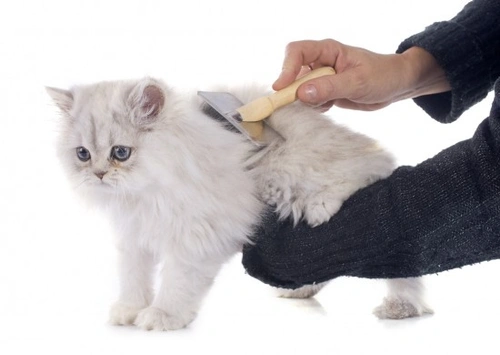
If you have a long-haired cat, you know how beautiful—and sometimes challenging—those flowing fur strands can be. Keeping your cat’s coat healthy and tangle-free isn’t just about looks; it’s about comfort and well-being.
But where do you start? How can you make grooming a calm, enjoyable experience for both you and your furry friend? In this guide, you’ll discover simple, effective tips to groom your long-haired cat like a pro. By the end, you’ll feel confident handling mats, reducing shedding, and boosting your cat’s happiness with every brush stroke.
Ready to make grooming a breeze? Let’s dive in!
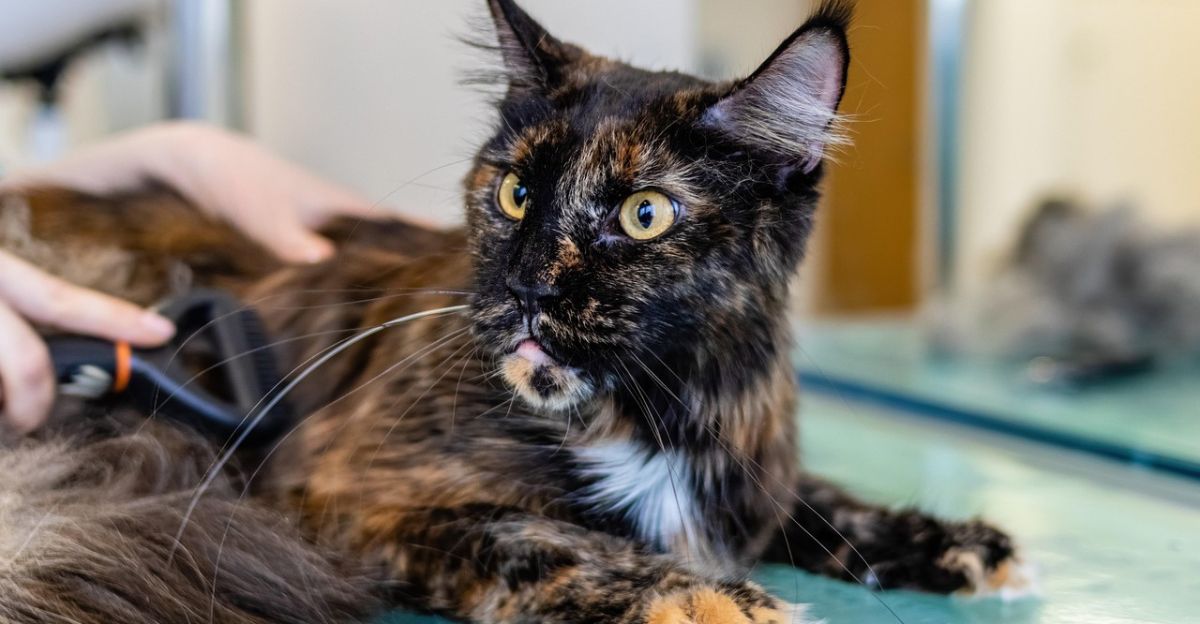
Credit: tryfurgo.com
Choosing The Right Tools
Grooming a long hair cat needs the right tools. Good tools make brushing easy. They also keep your cat comfortable.
Different tools do different jobs. Knowing which to use helps you groom well. Let’s look at the best tools for your long hair cat.
Types Of Brushes And Combs
Brushes and combs help remove tangles and loose fur. They also stop mats from forming. Choose tools that suit your cat’s coat type.
- Slicker Brush:Has fine wires to remove loose hair and dirt.
- Pin Brush:Good for daily brushing of thick fur.
- Wide-Tooth Comb:Works well for detangling knots gently.
- Flea Comb:Removes fleas and small debris.
Grooming Gloves And Clippers
Grooming gloves let you pet your cat while removing loose hair. They are gentle and good for shy cats. Clippers help trim fur if it gets too long or matted.
- Grooming Gloves:Soft rubber tips that catch loose fur.
- Electric Clippers:Use for trimming mats or shaping fur.
- Scissors:For small trims and delicate cuts.
Cleaning And Maintenance Of Tools
Clean your grooming tools after every use. This keeps them working well and safe for your cat. Dirt and hair can make tools less effective.
| Tool | Cleaning Method | Frequency |
| Slicker Brush | Remove hair, wash with warm soapy water | After each use |
| Combs | Remove hair, wipe with alcohol | Weekly |
| Grooming Gloves | Wash with mild soap, air dry | After each use |
| Clippers | Brush blades, oil regularly | After each use |

Credit: www.reddit.com
Preparing Your Cat For Grooming
Grooming a long-haired cat needs patience and care. Preparing your cat helps make grooming easier.
Getting your cat ready reduces stress and keeps the process safe and calm.
Creating A Calm Environment
Choose a quiet room with few distractions. This helps your cat feel safe and relaxed.
Use soft lighting and keep loud noises away. A calm space makes grooming less scary for your cat.
- Pick a warm, quiet room
- Turn off loud appliances
- Close windows to limit outside noise
- Use soft lighting or natural light
Handling Techniques To Reduce Stress
Hold your cat gently but firmly to keep them safe. Avoid sudden movements that startle your cat.
Talk softly and use slow motions. This helps your cat stay calm during grooming.
- Support your cat’s body fully
- Use a calm, quiet voice
- Take breaks if your cat seems upset
- Offer gentle petting before and after grooming
When To Start Grooming Sessions
Start grooming when your cat is relaxed, such as after a nap or meal. A calm cat is easier to groom.
Keep sessions short at first. Gradually increase time as your cat gets used to grooming.
- Begin after your cat rests or eats
- Limit grooming to 5-10 minutes initially
- Watch your cat’s behavior for signs of stress
- Increase grooming time slowly over days or weeks
Step-by-step Grooming Process
Grooming a long-haired cat keeps its fur clean and healthy. It also helps prevent mats and tangles. Follow these simple steps to groom your cat properly.
Regular grooming makes your cat comfortable and reduces hairballs. Take your time and be gentle during the process.
Brushing Techniques For Long Fur
Use a wide-toothed comb or a slicker brush to groom long fur. Brush in the direction of hair growth to avoid pulling on the skin. Start from the head and move to the tail.
Brush small sections at a time. Be gentle around sensitive areas like the belly and legs. Regular brushing prevents tangles and spreads natural oils.
- Brush daily for best results
- Use slow, gentle strokes
- Check for dirt or debris
- Be patient and calm
Detangling And Removing Mats
Long-haired cats can get mats that cause discomfort. Use your fingers to loosen small tangles before brushing. For tough mats, use a mat splitter or detangling comb.
Never cut mats with scissors yourself. If mats are tight or near the skin, ask a vet or groomer for help. Be gentle to avoid hurting your cat.
- Work on small mats slowly
- Hold the fur close to the skin
- Use detangling sprays if needed
- Visit a professional for severe mats
Bathing Tips For Long-haired Cats
Bathing a long-haired cat helps remove dirt and loose fur. Use a cat-friendly shampoo. Fill a sink or tub with warm water before placing your cat inside.
Wet your cat’s fur gently and apply shampoo. Rinse thoroughly to avoid skin irritation. Dry your cat with a towel and keep it warm until fully dry.
- Brush before bathing to remove loose hair
- Use lukewarm water, not hot
- Keep water away from eyes and ears
- Dry with a soft towel or low heat dryer
Maintaining A Healthy Coat
Long hair cats need extra care to keep their coats healthy. A clean and shiny coat shows good health.
Regular grooming and good nutrition help prevent mats and skin problems. These steps keep your cat comfortable.
Diet And Nutrition For Fur Health
A balanced diet gives your cat the nutrients needed for a strong coat. Fatty acids and proteins are very important.
Feed your cat high-quality food with omega-3 and omega-6 fats. These help keep the fur soft and shiny.
- Include foods rich in protein for hair growth
- Use supplements with omega fatty acids if needed
- Keep your cat well-hydrated with fresh water
- Avoid low-quality food that can harm skin and fur
Regular Grooming Schedule
Brush your long hair cat daily to prevent mats and tangles. Brushing spreads natural oils on the fur.
Use a wide-toothed comb or a slicker brush made for long fur. Check for debris and dirt during grooming.
- Brush at least once every day
- Use gentle strokes to avoid skin irritation
- Trim fur around sensitive areas if needed
- Bath your cat occasionally with cat-safe shampoo
Signs Of Skin Or Coat Problems
Look for changes in your cat’s fur or skin. Early signs help you fix problems before they get worse.
Check for redness, bald spots, or constant scratching. These may mean skin infections or allergies.
- Dry, flaky skin or dandruff
- Oily or greasy fur
- Foul odor from the coat
- Excessive hair loss or bald patches
- Swelling or lumps on the skin
Handling Common Grooming Challenges
Grooming a long hair cat can be tricky. Some cats shed a lot, while others may have hairballs. Older or nervous cats need gentle care. Knowing how to manage these issues helps keep your cat happy.
This guide covers ways to handle shedding, hairballs, and how to groom sensitive cats safely.
Dealing With Shedding
Long hair cats shed more than short hair cats. Regular brushing removes loose fur. This stops mats and reduces hair on your furniture.
- Brush your cat daily with a wide-tooth comb.
- Use a slicker brush to get rid of dead hair.
- Give your cat a bath once a month to clean the coat.
- Keep your home clean by vacuuming often.
Managing Hairballs
Hairballs happen when cats swallow loose hair. They can cough or vomit to get rid of hairballs. You can help reduce hairballs with diet and grooming.
| Tip | How It Helps |
| Brush regularly | Removes loose hair before swallowing |
| Feed hairball control food | Improves digestion to pass hair |
| Provide fresh water | Helps move hair through the system |
| Use hairball remedy gels | Lubricates the digestive tract |
Grooming Older Or Anxious Cats
Older or nervous cats may not like grooming. They need soft handling and breaks during grooming. Be patient and use calm voices to help them feel safe.
Try this routine for anxious cats:
- Choose a quiet, comfortable spot.
- Use a soft brush or comb.
- Groom for short times, five to ten minutes.
- Give treats and praise after each session.
- Stop if your cat shows stress signs.
When To Seek Professional Help
Grooming a long hair cat can be tricky. Sometimes, you need extra help. Knowing when to get a professional is important for your cat’s comfort and health.
Some grooming problems need special care. Professionals can handle tough issues safely. They have the tools and skills to help your cat.
Recognizing Severe Matting
Severe matting means the fur is tangled and tight. It can pull on the skin and cause pain. Your cat may try to scratch or bite the mats.
Look for hard clumps of fur that do not come apart. If the mats are close to the skin, you should get help. Trying to cut mats yourself can hurt your cat.
- Mats that cover large areas
- Skin redness or sores under mats
- Cat shows signs of pain when touched
- Fur stuck in knots that won’t brush out
Professional Grooming Services
Professional groomers know how to work with long hair cats. They use special tools to remove mats safely. They can trim fur evenly without hurting the cat.
Groomers can give baths and clean ears too. They watch your cat’s behavior to keep it calm. If your cat has thick mats or is scared, a groomer can help.
- Mat removal with safe clippers
- Proper brushing techniques
- Bathing and drying
- Calming your cat during grooming
Veterinary Care For Skin Issues
Skin problems can cause fur to mat. If your cat has sores, redness, or hair loss, visit a vet. The vet can treat infections or allergies that cause skin issues.
A vet can also check for parasites like fleas. Treating these will help your cat feel better. Skin care is key to keeping long fur healthy and clean.
- Treat skin infections
- Check for fleas and ticks
- Prescribe medicine for allergies
- Advise on special shampoos
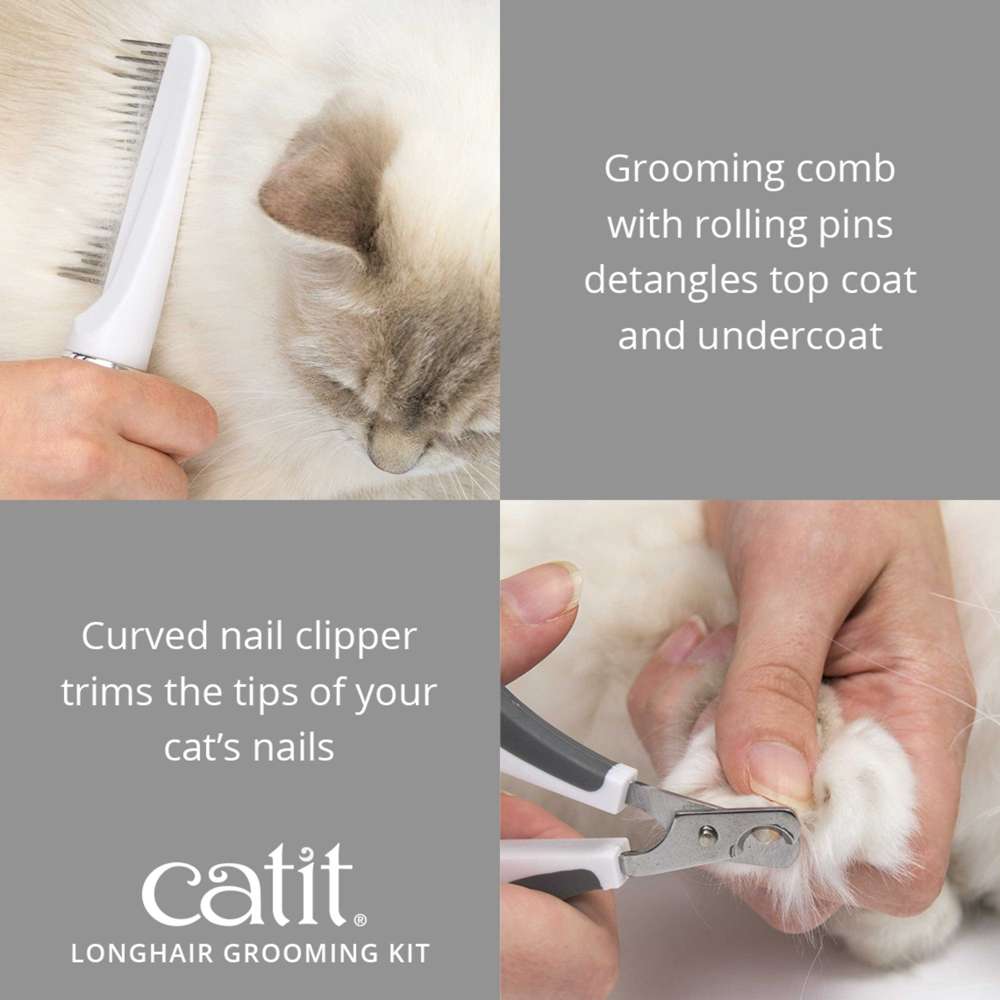
Credit: catit.us
Frequently Asked Questions
How Often Should I Groom My Long Hair Cat?
Long hair cats should be groomed daily to prevent tangles and matting. Regular grooming also helps reduce shedding and minimizes hairballs. Use a gentle brush and detangle any knots carefully.
What Tools Do I Need For Grooming?
Essential grooming tools include a wide-toothed comb, a slicker brush, and cat-safe detangling spray. These tools help maintain your cat’s coat, remove loose hair, and prevent mats from forming.
How Do I Prevent Mats In My Cat’s Fur?
To prevent mats, brush your cat daily, focusing on areas prone to tangling. Use a wide-toothed comb for stubborn knots. Regular grooming sessions help maintain a healthy coat and reduce mat formation.
Can I Bathe My Long Hair Cat At Home?
Yes, you can bathe your cat at home using cat-safe shampoo. Ensure the water is warm and rinse thoroughly. Bathing helps remove dirt and reduces shedding, but it’s not required frequently.
Conclusion
Grooming a long hair cat takes patience and care. Regular brushing stops mats and keeps fur soft. Clean their eyes and ears gently to avoid infections. Trim nails carefully to keep them comfortable. A calm, quiet space helps your cat relax.
Small steps each day build a strong bond. Healthy fur shows a happy, well-loved cat. Keep these tips in mind for best results. Your cat will thank you with purrs and love. Easy grooming makes life better for both of you.