Have you ever wondered which domestic cat takes the crown for being the largest? If you think all house cats are small and cuddly, think again.
Some breeds grow to impressive sizes that can surprise you. Whether you’re a cat lover, thinking about adopting, or just curious, discovering the biggest domestic cat breed will change how you see these furry friends. Keep reading, and you’ll learn which cat stands out not just in size but also in personality and charm.
Your next favorite feline might just be one of the giants!

Credit: www.aol.com
Giant Cat Breeds
Some domestic cats grow much larger than others. These giant cat breeds have big bodies and long fur. They often weigh more than regular cats.
These cats are friendly and make great pets. They need space and care because of their size. Let’s look at some of the largest cat breeds.
Maine Coon
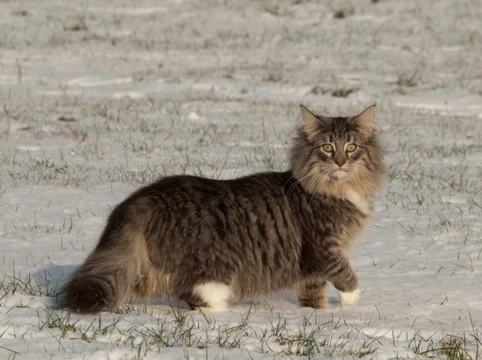
The Maine Coon is one of the biggest domestic cats. Males can weigh up to 18 pounds or more. They have long, thick fur and tufted ears.
This breed is very friendly and loves to play. They are good with children and other pets. Maine Coons have bushy tails and strong bodies.
- Weight: 13 to 18 pounds
- Fur: Long and thick
- Temperament: Friendly and playful
Savannah Cat
Savannah cats are tall and lean. They are a mix between domestic cats and wild servals. This gives them a wild look and large size.
They can weigh between 12 and 25 pounds. Savannahs are active and curious. They need lots of exercise and attention.
- Weight: 12 to 25 pounds
- Build: Tall and slim
- Personality: Active and curious
Norwegian Forest Cat
Norwegian Forest Cats have thick coats to stay warm. They are strong with large paws. Males often weigh around 16 pounds.
This breed is calm and good with families. They enjoy climbing and exploring. Their fur is water-resistant and long.
- Weight: 13 to 16 pounds
- Coat: Thick and water-resistant
- Behavior: Calm and family-friendly
Ragdoll
Ragdolls are large cats with soft, silky fur. They can weigh up to 20 pounds. These cats are named for their relaxed nature.
They often go limp when held. Ragdolls are gentle and love to be near people. Their eyes are bright blue and very striking.
- Weight: 15 to 20 pounds
- Fur: Soft and silky
- Temperament: Gentle and relaxed
Physical Traits Of Large Cats
The largest breeds of domestic cats are known for their impressive size and unique features. These cats stand out because of their physical traits.
Understanding these traits helps to see why they are different from smaller cats.
Size And Weight
Large domestic cats can weigh much more than average cats. Some can reach weights of over 20 pounds. Their length and height are also greater.
These cats grow longer bodies and bigger paws. Their tails are often thick and long too.
Coat And Color Patterns
Big cats often have thick, dense coats. Their fur helps protect them in colder weather. The coat colors vary widely among breeds.
Common color patterns include tabby stripes, spots, and solid colors. Some have unique markings on their faces and legs.
- Tabby stripes
- Spotted patterns
- Solid colors like black or white
- Blended or shaded fur
Body Structure
Large cats have strong, muscular bodies. Their bones are thicker and heavier than smaller cats. This gives them a powerful look.
Their heads are often broad with wide-set eyes. They have big ears and strong jaws. These features add to their majestic appearance.
Behavior And Temperament
The largest breed of domestic cat is known for its unique behavior and temperament. These cats have distinct personalities compared to smaller breeds.
Understanding their behavior helps owners provide better care and build strong bonds with their pets.
Personality Traits
Large domestic cats tend to be gentle and calm. They often enjoy quiet environments and are not overly aggressive.
These cats are usually friendly and can get along well with other pets and children.
- Gentle and calm nature
- Friendly with other animals
- Good with children
- Not overly aggressive
Activity Levels
Despite their size, these cats have moderate activity levels. They enjoy playtime but also love to rest and relax.
They like short bursts of energy, such as chasing toys, followed by long naps.
- Moderate energy
- Enjoy short play sessions
- Love resting and napping
Interaction With Humans
Large domestic cats often seek human attention and enjoy being near their owners. They like gentle petting and sitting on laps.
These cats respond well to calm voices and are usually very loyal to their families.
- Enjoy human company
- Like gentle petting
- Respond to calm voices
- Show loyalty to owners
Care Tips For Giant Cats
Giant cats are beautiful and need special care. Their size affects their diet, exercise, and health.
Taking good care helps them live happy and long lives. Learn how to meet their needs well.
Dietary Needs
Large cats need more food than smaller ones. They require balanced meals with protein and fat.
Choose high-quality cat food made for big breeds. Avoid overfeeding to prevent obesity.
- Feed protein-rich food for muscle strength
- Include healthy fats for energy
- Provide fresh water at all times
- Split meals into smaller portions daily
Exercise Requirements
Giant cats need regular exercise to stay healthy. Playtime helps keep their muscles strong and joints flexible.
Use toys that encourage movement. Create safe spaces where they can climb and explore.
- Use wand toys to stimulate chasing
- Set up climbing trees or shelves
- Encourage short play sessions multiple times daily
- Provide scratching posts for stretching
Health Considerations
Large cats may face joint problems and heart issues. Regular vet visits help catch problems early.
Watch for changes in appetite or movement. Keep their weight in a healthy range to reduce risks.
- Schedule annual health check-ups
- Monitor for signs of arthritis or stiffness
- Keep vaccinations up to date
- Maintain dental hygiene to prevent infections
Choosing The Right Giant Cat
Large domestic cats need special care and attention. They are not like small cats.
Choosing the right giant cat means understanding their needs for space, time, and other pets.
Space And Environment
Big cats need more room to move and play. A small apartment may not be enough.
- Provide large play areas or cat trees
- Keep spaces safe and free of hazards
- Give comfortable resting spots
- Ensure easy access to food and water
Time Commitment
Giant cats need more time for care and attention than smaller cats.
| Activity | Daily Time Needed |
| Feeding | 15 minutes |
| Playtime | 30 minutes |
| Grooming | 20 minutes |
| Health Checks | 10 minutes |
Compatibility With Other Pets
Large cats can live with other pets, but it depends on their personality and training.
Tips for introducing a giant cat to other pets:
- Introduce slowly and in a calm place
- Watch their behavior closely at first
- Keep separate food and resting areas
- Use positive reinforcement for good behavior

Credit: worldanimalfoundation.org
Credit: www.pets4homes.co.uk
Frequently Asked Questions
What Is The Largest Breed Of Domestic Cat?
The Maine Coon is the largest domestic cat breed. They can weigh up to 18 pounds or more. Known for their tufted ears and bushy tails, Maine Coons are friendly and sociable pets.
How Big Do Maine Coon Cats Get?
Maine Coons can grow up to 40 inches long, including the tail. Males typically weigh 13-18 pounds, while females weigh 8-12 pounds. Their large size makes them one of the most impressive domestic cat breeds.
Are There Other Large Domestic Cat Breeds?
Yes, the Savannah and Ragdoll cats are also large breeds. Savannah cats can weigh 12-25 pounds, while Ragdolls average 10-20 pounds. Each breed has a unique appearance and temperament.
Why Are Maine Coons So Large?
Maine Coons evolved in cold climates, developing thick fur and large bodies. Their size helps them survive harsh weather. Selective breeding has also enhanced their size and gentle nature.
Conclusion
The Maine Coon is the largest domestic cat breed. These cats are known for their gentle nature. Their thick fur keeps them warm in cold climates. Maine Coons can weigh up to 18 pounds or more. Their long tails and tufted ears are distinctive features.
Owning a Maine Coon means having a friendly giant at home. They are playful yet calm, making them great family pets. If you love big cats, a Maine Coon might be perfect for you. Their loyalty and charm win hearts everywhere.
Consider adopting one for a loving companion.