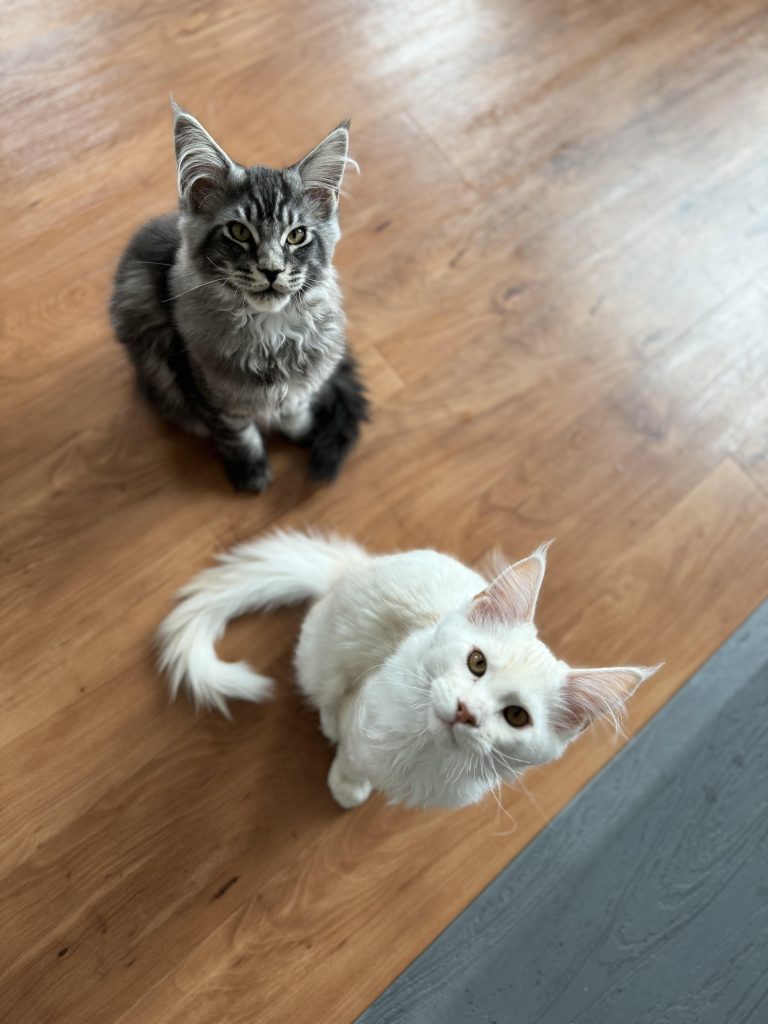
Choosing the right cat to bring into your home is more than just picking a cute face. It’s about finding a companion that fits your lifestyle, personality, and daily routine.
You want a furry friend who makes you smile, not one that adds stress or extra work. But with so many breeds and types out there, how do you know which cat is best for you? This guide will help you discover the perfect match, so you can enjoy every moment with your new feline friend.
Keep reading to find out which cat suits you best!

Credit: www.reddit.com
Factors To Consider Before Choosing A Cat
Choosing the right cat is important for a happy home. Think about your daily life and needs before picking a cat.
Knowing what fits your space and lifestyle helps you find a cat that matches you well.
Living Space And Environment
Your home size and type affect which cat suits you. Some cats need room to play and explore.
Indoor cats may be better for small apartments. Outdoor or active cats fit larger homes with yards.
- Small apartment: Choose calm or smaller cats
- Large home: Active or playful cats do well
- Busy street or noisy area: Indoor cats are safer
- Access to outdoors: Some cats enjoy outside time
Time Commitment And Lifestyle
Cats need attention and care every day. Some breeds demand more time and play than others.
If you work long hours or travel often, choose a low-maintenance cat. Some cats are more independent.
- Busy schedule: Pick a calm, independent cat
- More free time: Active cats need play and care
- Family with kids: Friendly and social cats work best
- First-time owner: Low-maintenance breeds are easier
Allergies And Health Concerns
Allergies can affect your choice of cat. Some cats cause fewer allergic reactions.
Check if family members have allergies before choosing a cat. Talk to a doctor if needed.
- Allergic to cats: Consider hypoallergenic breeds
- Health needs: Some breeds have specific care needs
- Regular vet checkups keep cats healthy
- Keep your home clean to reduce allergens
Budget For Care And Supplies
Caring for a cat costs money for food, toys, and vet visits. Some cats need special care that costs more.
Plan your budget before getting a cat. This helps you avoid surprises and give your cat good care.
- Food and litter: Regular monthly costs
- Vet visits: Include vaccinations and checkups
- Grooming: Some cats need regular brushing
- Toys and accessories: Keep your cat happy
Personality Traits Of Popular Cat Breeds
Choosing the right cat depends on your lifestyle and personality. Different breeds have unique traits that fit various homes.
Understanding these traits helps you find a cat that will be happy and healthy with you.
Affectionate And Social Breeds
Some cats love to be around people and enjoy lots of attention. They often follow you and want to cuddle.
- Ragdoll:Gentle and loves to be held.
- Siamese:Very talkative and craves interaction.
- Scottish Fold:Friendly and calm with family members.
Independent And Low-maintenance Cats
These cats enjoy alone time and need little supervision. They are happy without constant attention.
| Breed | Personality Trait | Care Level |
|---|---|---|
| British Shorthair | Calm and independent | Low |
| Russian Blue | Quiet and reserved | Low |
| American Shorthair | Easygoing and self-sufficient | Low |
Playful And Energetic Felines
These cats love to play and explore. They need toys and space to stay active.
- Bengal:Active and curious, loves climbing.
- Abyssinian:Energetic and playful all day.
- Oriental Shorthair:Lively and enjoys games.
Quiet And Calm Companions
These cats prefer a peaceful environment. They stay calm and enjoy relaxing beside you.
| Breed | Behavior |
|---|---|
| Persian | Quiet and loves calm spaces |
| Birman | Gentle and relaxed |
| Exotic Shorthair | Easygoing and soft-spoken |
Matching Cats To Different Lifestyles
Choosing the right cat means finding one that fits your daily life. Cats have different needs and personalities.
This guide helps you match cats to your lifestyle. Consider your home, schedule, and who you live with.
Best Cats For Families With Children
Families with children need gentle and playful cats. These cats enjoy company and tolerate noise well.
- Ragdolls are calm and love to cuddle.
- Burmese cats are social and active with kids.
- American Shorthairs are patient and easygoing.
- Scottish Folds adapt well to busy family life.
Ideal Cats For Apartment Living
Apartment cats need to be quiet and low-energy. Small spaces require less active cats.
| Cat Breed | Personality | Space Needs |
| British Shorthair | Calm and friendly | Low |
| Russian Blue | Quiet and reserved | Low |
| Exotic Shorthair | Easygoing and affectionate | Low |
Cats Suited For Busy Professionals
Busy people need cats that handle alone time well. Independent cats are best for this lifestyle.
- British Shorthairs enjoy quiet time alone.
- Russian Blues are independent and low-maintenance.
- Chartreux cats adapt well to less attention.
Felines For Seniors And Retirees
Seniors often want calm and loving cats. They prefer cats that are easy to care for.
| Breed | Temperament | Care Level |
|---|---|---|
| Persian | Gentle and calm | Moderate grooming |
| Ragdoll | Affectionate and relaxed | Low |
| Birman | Sweet and social | Low |
Choosing Between Purebred And Mixed Breed Cats
Choosing a cat means thinking about your lifestyle and preferences. You can pick a purebred or a mixed breed cat.
Each type has special qualities. This guide helps you understand the differences to find the best cat for you.
Advantages Of Purebred Cats
Purebred cats have clear traits and behaviors. You know what to expect in looks and personality.
They often come with a history of health and care. This can make it easier to plan their needs.
- Predictable size and coat type
- Known personality traits
- Possible registration with cat clubs
- Breeders may offer health guarantees
Benefits Of Mixed Breed Cats
Mixed breed cats can have unique looks and strong health. They often have fewer inherited health problems.
They tend to be adaptable and friendly. Many mixed breed cats are very loving and playful.
- Greater genetic diversity
- Often healthier overall
- Unique and varied appearances
- Usually less expensive to adopt
Adoption Tips For Shelter Cats
Shelters have many cats waiting for homes. You can find both purebred and mixed breed cats there.
Visit shelters to meet cats and ask about their behavior. Look for cats that match your energy and care level.
- Spend time with cats before deciding
- Ask about medical history and vaccinations
- Consider the cat’s age and activity level
- Think about your home and family situation
Special Considerations For Cat Care
Choosing the right cat means thinking about care needs. Each breed has unique traits.
Knowing grooming, exercise, health, and feeding needs helps keep your cat happy.
Grooming Needs By Breed
Some cats need daily brushing, others only weekly. Long-haired breeds like Persians need more care. Short-haired cats may need less grooming but still benefit from regular brushing.
- Long-haired cats: brush daily to prevent mats
- Short-haired cats: brush weekly for shedding control
- Sphynx cats: need regular skin cleaning
- Regular nail trimming is important for all cats
Exercise And Enrichment
Cats need physical and mental activity. Active breeds require more playtime. Toys, climbing spaces, and interaction keep cats healthy and happy.
| Breed | Activity Level | Recommended Enrichment |
| Bengal | High | Interactive toys, climbing trees |
| Ragdoll | Low | Soft toys, gentle play |
| Siamese | Medium | Puzzle feeders, laser pointers |
| British Shorthair | Low | Scratching posts, quiet spaces |
Health Issues To Watch For
Some breeds have common health concerns. Knowing these helps you spot problems early. Regular vet visits keep cats healthy.
- Persians: prone to breathing and eye issues
- Maine Coons: watch for heart disease
- Sphynx: skin problems need attention
- Scottish Folds: joint problems are common
Feeding And Nutrition
Cats need balanced diets based on age, size, and health. Some breeds may need special food. Fresh water should always be available.
| Life Stage | Food Type | Feeding Frequency |
|---|---|---|
| Kitten | High protein wet and dry food | 3-4 times daily |
| Adult | Balanced wet and dry food | 2 times daily |
| Senior | Low calorie, joint support formulas | 2 times daily |

Credit: www.reddit.com
Making The Final Decision
Choosing the right cat is an important step. Think about your lifestyle and what type of cat fits best.
Take your time to meet cats and prepare your home before bringing one in. This helps make a smooth start.
Meeting Potential Cats
Spend time with different cats to see their personalities. Notice how they act around you and others.
Watch if the cat is playful, calm, shy, or friendly. This helps you find a good match for your home.
- Visit shelters or breeders to meet cats
- Ask questions about the cat’s habits and health
- Pay attention to how the cat reacts to you
- Consider the cat’s energy level and your own
Trial Periods And Adjustments
Some places offer trial periods to see if the cat fits your family. Use this time to learn about the cat’s needs.
Be ready to adjust your routine and home for the cat’s comfort. Patience helps both you and the cat settle in.
- Observe how the cat adapts to your home
- Check if the cat gets along with people or pets
- Learn about feeding and care needs
- Make changes to help the cat feel safe
Preparing Your Home
Get your home ready before bringing the cat in. This helps the cat feel welcome and secure.
Set up a quiet space with food, water, and a litter box. Remove anything harmful or fragile from the area.
- Choose a calm spot for the cat’s bed
- Place food and water bowls in a quiet place
- Set up a clean litter box nearby
- Remove plants or objects that are dangerous
- Have toys and scratching posts ready

Credit: www.tippaws.com
Frequently Asked Questions
What Factors Determine The Best Cat Breed For Me?
Consider your lifestyle, living space, allergies, and activity level. Some breeds need more attention, while others are low maintenance. Match a cat’s personality and care needs with your daily routine for the best fit.
Which Cat Breeds Are Good For Apartment Living?
Breeds like the British Shorthair, Scottish Fold, and Ragdoll adapt well to apartments. They are generally calm and require less space. Choose cats that are less active and comfortable indoors.
How Do I Choose A Cat Based On Temperament?
Identify if you want an affectionate, independent, or playful cat. Different breeds have distinct temperaments. Research or meet cats to find one that matches your personality and lifestyle.
Are Hypoallergenic Cats Better For Allergy Sufferers?
Hypoallergenic cats like the Siberian and Balinese produce fewer allergens. They may reduce allergic reactions but don’t eliminate them entirely. Always spend time with the cat before adopting if you have allergies.
Conclusion
Choosing the right cat enriches your life with joy. Consider your lifestyle and preferences. Some cats need more attention. Others are independent and low-maintenance. Allergies? Hypoallergenic breeds might suit you. Space matters too. Large cats need room to roam. Small apartments?
Opt for a compact breed. Energy levels vary. Active families might enjoy playful breeds. Quiet homes? Relaxed cats fit better. Remember, every cat has a unique personality. Visit shelters or breeders. Spend time with different cats. This helps you find the perfect match.
A well-chosen cat brings happiness and companionship. Your perfect feline friend awaits.