Choosing the perfect cat breed for your home can feel overwhelming. You want a furry friend that fits your lifestyle, personality, and even your living space.
But how do you know which breed is the best match for you? Imagine waking up every day to a cat that understands you, brings you joy, and fits seamlessly into your routine. This guide will help you discover the ideal cat breed that matches your unique needs and preferences.
Keep reading, and soon you’ll feel confident about making the best choice for your new companion.
Popular Cat Breeds
Choosing the right cat breed can make a big difference in your home. Different breeds have unique looks and personalities.
Below are some popular cat breeds to help you find the best fit for your lifestyle.
Siamese
Siamese cats are known for their striking blue eyes and short coat. They are very vocal and enjoy being around people.
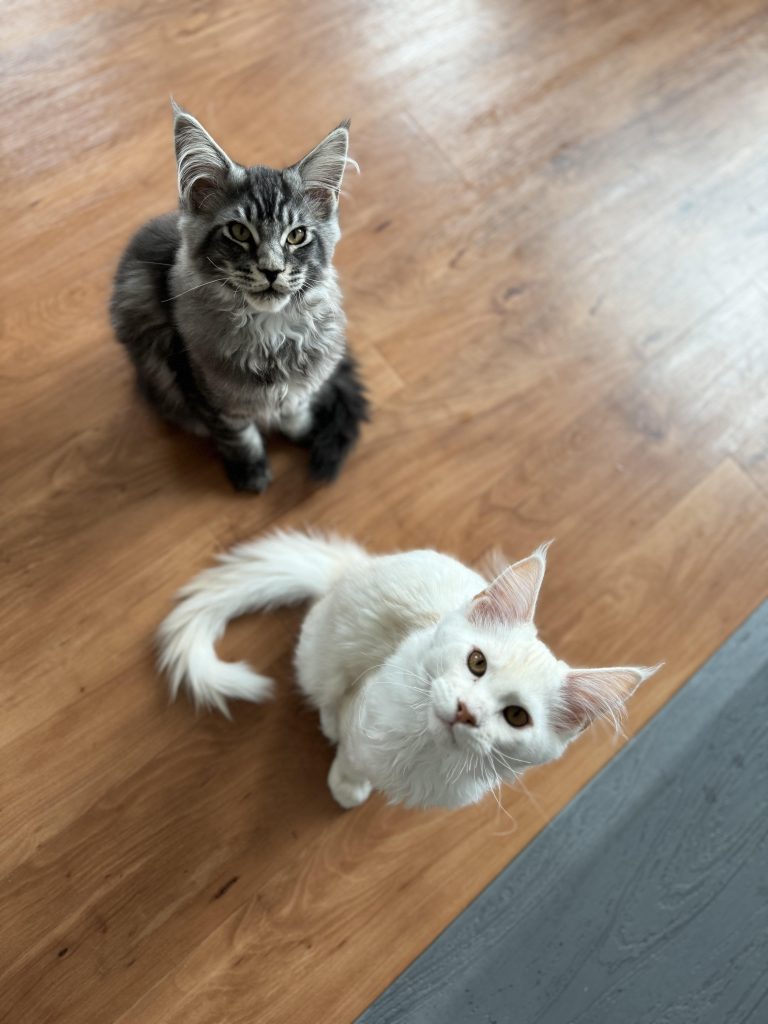
Maine Coon
Maine Coons are large cats with thick fur and friendly personalities. They adapt well to families and other pets.
- Large size, often weighing 10-25 pounds
- Long, tufted ears and bushy tail
- Gentle and playful nature
- Good with children and dogs
Persian
Persian cats have long, luxurious fur and a calm personality. They need regular grooming to keep their coat healthy.
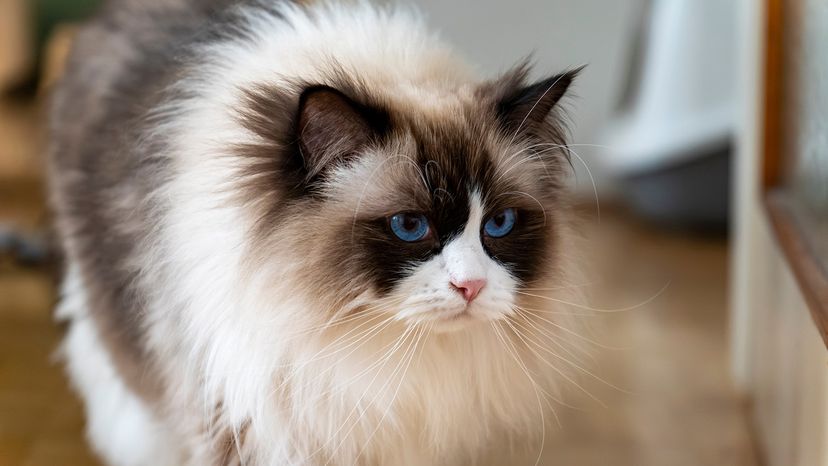
Ragdoll
Ragdolls are large, soft cats that often go limp when held. They are gentle and enjoy quiet environments.
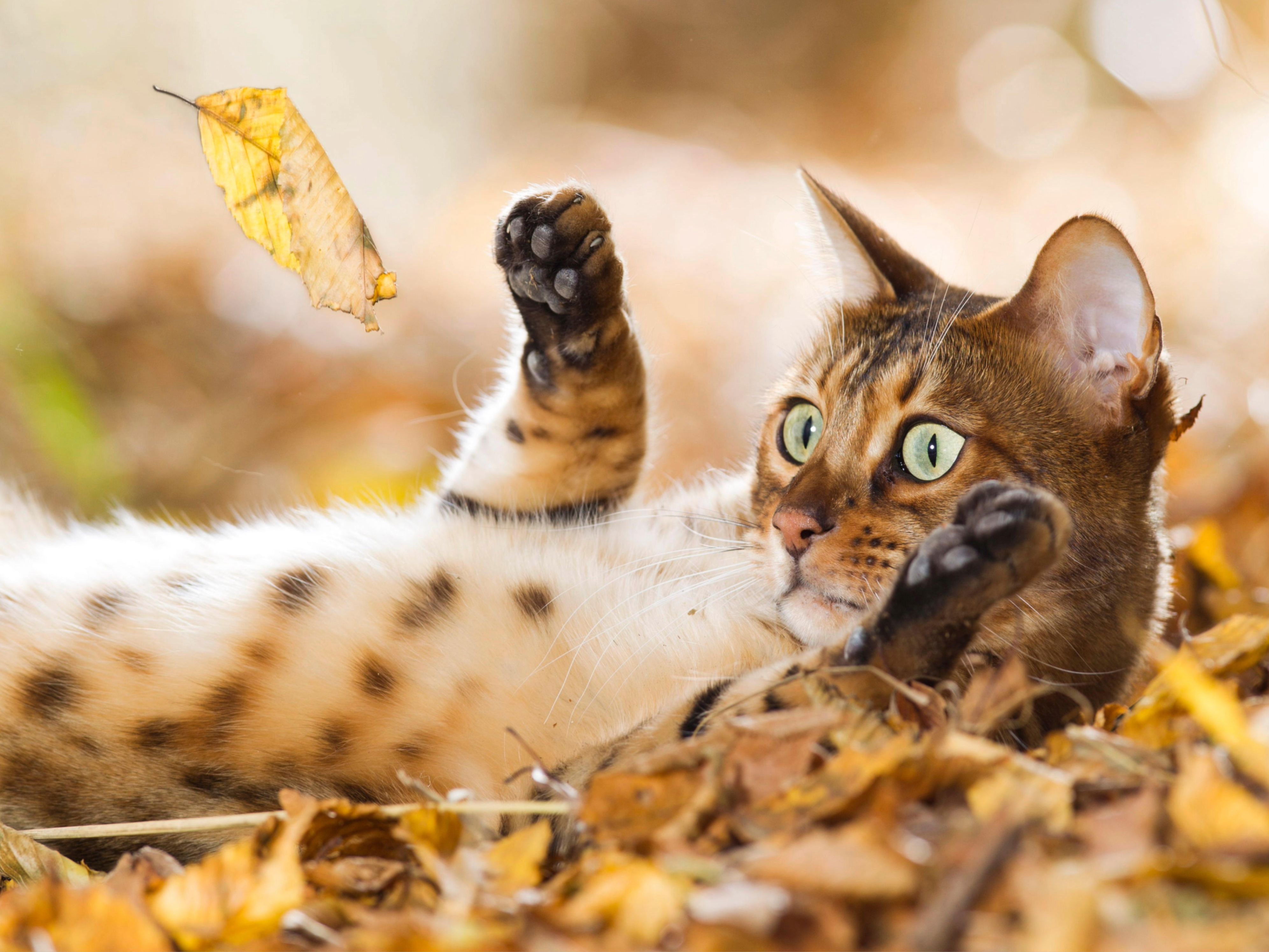
Bengal
| Trait | Description |
| Coat | Spotted or marbled with a wild look |
| Energy | Very active and playful |
| Social | Loves interaction and mental stimulation |
| Size | Medium to large, muscular build |
Bengals are perfect for owners who want an energetic and curious cat.
Credit: animals.howstuffworks.com
Personality Traits To Consider
Choosing the right cat breed means thinking about personality traits. Cats have different ways of acting and showing love.
Understanding these traits helps you find a cat that fits your lifestyle and home.
Affection Levels
Some cats love constant cuddles. Others prefer space and quiet. Think about how much attention you want to give and get.
- Siamese cats are very affectionate and love to be near you.
- British Shorthairs tend to be more independent but still enjoy petting.
- Ragdolls often follow their owners around and enjoy lap time.
- Russian Blues show affection but on their own terms.
Activity And Playfulness
Some breeds are very active and playful. Others like to relax and nap a lot. Match the cat’s energy with yours.
| Breed | Activity Level |
| Bengal | High |
| Persian | Low |
| Abyssinian | High |
| Scottish Fold | Medium |
Social Behavior
Cats differ in how much they enjoy other pets and people. Some want lots of company, others prefer quiet time alone.
- Maine Coons are friendly and get along with other pets.
- Oriental Shorthairs like to be social and active around family.
- Chartreux cats can be shy and may need slow introductions.
- Sphynx cats love people and dislike being alone.
Vocal Tendencies
Some cats are very talkative. Others are quiet and calm. Think about how much noise you want in your home.
| Breed | Vocal Level |
|---|---|
| Siamese | Loud and frequent |
| British Shorthair | Quiet and soft |
| Oriental | Very vocal |
| Russian Blue | Moderate |
Living Environment Factors
Choosing the best cat breed depends on your living environment. Your home size and lifestyle affect your cat’s happiness.
Consider where you live and who lives with you. These factors help find a breed that fits well.
Apartment Vs House
Cats need space to play and relax. Apartments are smaller, so active cats may feel cramped.
Some breeds adapt well to apartments. Others need more room to explore, better suited for houses.
- Apartment-friendly cats: usually calm and low energy
- House-friendly cats: often playful and active
- Indoor cats need vertical space like shelves or trees
Other Pets Compatibility
Your cat should get along with other pets in your home. Some breeds are friendlier with dogs or other cats.
Choose a breed known for social behavior if you have other animals. Some cats prefer to be the only pet.
- Breeds that like other pets: Ragdoll, Maine Coon
- Breeds that prefer being alone: Siamese, Burmese
- Introduce pets slowly to avoid stress
Children In The Home
Children can be playful but sometimes rough with cats. Some breeds handle kids better than others.
Look for gentle and patient breeds if you have young children. These cats tolerate noise and fast movements.
- Good with kids: British Shorthair, Burmese
- May prefer calm homes: Scottish Fold, Russian Blue
- Teach children how to treat cats kindly
Credit: www.petsradar.com
Grooming And Care Needs
Choosing the right cat breed means understanding their grooming and care needs. Different breeds have different coat types and health concerns.
Knowing these needs helps you keep your cat healthy and happy. Let’s explore key areas to consider.
Coat Maintenance
Some cats have short hair that needs little brushing. Others have long, thick fur that mats easily. Regular grooming prevents tangles and hairballs.
- Short-haired cats need brushing once a week.
- Long-haired cats require daily brushing.
- Regular nail trimming helps avoid scratches.
- Bathing is rarely needed but useful for some breeds.
Health Considerations
Each breed has common health issues. Some cats may need special care for their eyes, ears, or teeth. Regular vet visits catch problems early.
| Breed | Common Health Issues | Care Tips |
| Siamese | Respiratory problems | Keep indoors, avoid dust |
| Maine Coon | Hip dysplasia | Control weight, provide exercise |
| Persian | Eye infections | Clean eyes daily |
Diet And Nutrition
A good diet supports coat health and immunity. Some breeds need food rich in protein or low in fat. Fresh water must be available all day.
- Feed high-quality cat food suited to age and breed.
- Include wet food to increase moisture intake.
- Avoid giving dogs’ food or table scraps.
- Consult a vet for special dietary needs.
Allergy-friendly Cat Breeds
Many people love cats but suffer from allergies. Some cat breeds cause fewer allergic reactions. Choosing the right breed can help you enjoy your pet.
Allergy-friendly cats produce less of the proteins that trigger allergies. These breeds can be a better fit for sensitive individuals.
Hypoallergenic Options
Hypoallergenic cats have coats or traits that reduce allergens. No cat is fully allergy-proof, but some breeds are easier to live with.
These breeds often shed less or produce fewer allergy-causing proteins. People with mild allergies may find these cats more comfortable.
- Siberian: Has a lower level of Fel d 1 protein
- Balinese: Sometimes called a long-haired Siamese
- Devon Rex: Short curly coat that sheds less
- Cornish Rex: Fine, wavy coat with less dander
- Russian Blue: Produces fewer allergens than other cats
- Oriental Shorthair: Short coat, less shedding
Reducing Allergens At Home
Even with hypoallergenic cats, allergens can build up at home. Regular cleaning helps keep allergy symptoms low.
Simple habits can reduce allergens and make living with cats easier for sensitive people.
- Vacuum often using a HEPA filter vacuum cleaner
- Wash cat bedding and blankets weekly
- Keep cats out of bedrooms and off furniture
- Use air purifiers to clean the air
- Brush your cat regularly to remove loose fur
- Wash your hands after touching your cat
Adopting Vs Buying
Choosing the best cat breed depends on whether you adopt or buy. Both ways have different benefits and challenges.
Knowing the differences can help you find the right cat for your home and lifestyle.
Benefits Of Adoption
Adopting a cat saves a life. Many cats in shelters need loving homes. Adoption usually costs less than buying.
Adopted cats are often vaccinated and spayed or neutered. Shelters may also help match cats with your personality.
- Saves homeless cats
- Lower cost than buying
- Health checks included
- Helps reduce pet overpopulation
Choosing A Reputable Breeder
Buying from a good breeder ensures you get a healthy cat with a known background. Reputable breeders care for their animals well.
They provide health records and answer all your questions. This helps you understand the breed’s needs and traits.
- Check breeder’s reputation and reviews
- Visit the breeder’s facility if possible
- Ask for health and vaccination records
- Ensure the breeder follows ethical practices
Matching Your Lifestyle
Choosing the best cat breed depends on how you live your life. Different cats need different care and attention.
Think about your daily habits and routines before picking a cat. This helps you find a cat that fits well with you.
Time Commitment
Some cats need lots of playtime and attention every day. Others are more independent and need less time.
If you work long hours or have a busy schedule, choose a breed that is okay being alone. These cats handle less attention better.
- Siamese cats need lots of interaction.
- British Shorthairs are more independent.
- Persians require daily grooming and care.
Travel And Absence
If you travel often, consider how your cat will cope with your absence. Some cats get stressed when left alone.
Breeds that adapt well to change and alone time are better for travelers. You may also need a pet sitter or boarding service.
- Russian Blues are calm when left alone.
- Bengal cats might feel anxious without company.
- Have a plan for care during trips.
Budgeting For A Cat
Cats cost money for food, vet visits, toys, and grooming. Some breeds need more care and special supplies.
Set a budget before choosing a breed. Think about initial costs and ongoing expenses to avoid surprises.
- Long-haired cats need regular grooming tools.
- Some breeds have more health issues and vet bills.
- Food quality and quantity vary by cat size.
Credit: www.petsradar.com
Frequently Asked Questions
What Factors Determine The Best Cat Breed For Me?
Choosing the best cat breed depends on your lifestyle, activity level, allergies, and living space. Consider temperament, grooming needs, and social behavior for a perfect match.
Which Cat Breeds Are Good For Families With Children?
Breeds like Ragdolls, Maine Coons, and Burmese cats are gentle and patient. They tolerate children well and enjoy interactive play, making them ideal family pets.
Are Hypoallergenic Cat Breeds Really Allergy-free?
No breed is completely allergy-free, but breeds like Siberian and Balinese produce fewer allergens. These cats may reduce allergic reactions for sensitive individuals.
How Do Indoor And Outdoor Lifestyles Affect Cat Breed Choice?
Active breeds like Bengals suit outdoor access, while calm breeds like Persians prefer indoor living. Match breed energy levels with your cat’s environment for happiness.
Conclusion
Choosing the right cat breed matters. Each breed offers unique traits. Consider your lifestyle and preferences carefully. Some cats are playful; others, more relaxed. Allergies? Some breeds are hypoallergenic. Space is important too. Large breeds need more room. Smaller ones, less.
Research helps you decide. Visit shelters or talk to breeders. Personal interaction can guide your choice. Remember, cats need care and love. Commitment is key. The perfect breed enhances your life and home. Enjoy the journey to find your feline friend.
Happy pet parenting!