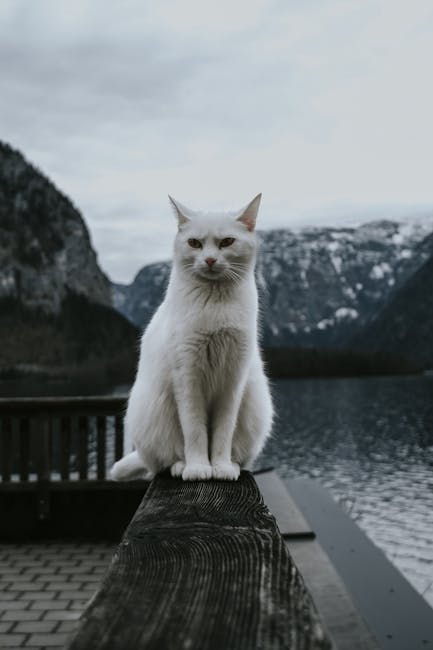
Have you ever wondered what the big house cats are called? You know, those impressive, powerful cats that look like your regular pet but much larger and more majestic.
If you’ve ever been curious about these fascinating creatures and what sets them apart from your everyday feline friend, you’re in the right place. By the end of this article, you’ll not only know their names but also understand why they capture our imagination and hearts.
Keep reading to discover the truth about these magnificent big house cats!

Credit: worldanimalfoundation.org
Wild Big Cats
Big house cats in the wild are known as wild big cats. They are large and strong predators found in many parts of the world.
These cats play important roles in their ecosystems. They help control the population of other animals.
Lions
Lions live mostly in Africa. They are called the “king of the jungle.” Lions live in groups called prides.
Tigers
Tigers are the largest of the big cats. They have stripes that help them hide in the forest. Tigers mostly live in Asia.
Leopards
Leopards are very fast and good climbers. They have spotted fur that helps them blend in trees and grass.
- They hunt at night.
- They can carry heavy prey up trees.
- Leopards live in Africa and parts of Asia.
Jaguars
Jaguars live in the rainforests of South America. They have strong jaws and can bite through turtle shells.
| Feature | Jaguars |
| Habitat | Rainforests, swamps |
| Weight | 100 to 250 pounds |
| Color | Yellow with black rosettes |
| Hunting Style | Stalk and ambush |
Cheetahs
Cheetahs are the fastest land animals. They can run up to 70 miles per hour for short distances.
- Spots help them blend into grass.
- They hunt during the day to avoid lions.
- Cheetahs have slim bodies and long legs.
Credit: www.rd.com
Big Cat Species Traits
Big house cats, often called big cats, include lions, tigers, leopards, and jaguars. They are known for their strength and size.
These animals share many traits but live in different places and have unique behaviors. Understanding their traits helps us learn about their role in nature.
Physical Characteristics
Big cats have strong muscles and sharp claws. Their fur patterns help them blend into their environments. They have large heads and powerful jaws.
| Big Cat | Size | Fur Pattern | Weight |
| Lion | Up to 10 feet long | Tan with mane in males | 330 to 550 lbs |
| Tiger | Up to 12 feet long | Orange with black stripes | 220 to 660 lbs |
| Leopard | Up to 7 feet long | Spotted rosettes | 66 to 176 lbs |
| Jaguar | Up to 7 feet long | Large rosettes with dots | 100 to 250 lbs |
Behavior And Habitat
Big cats live in forests, grasslands, and mountains. They are mostly solitary except lions, which live in groups called prides.
- Lions live in African savannas and some parts of Asia.
- Tigers prefer dense forests in Asia.
- Leopards adapt to many habitats from forests to deserts.
- Jaguars live in rainforests and wetlands in the Americas.
Hunting Techniques
Big cats are skilled hunters. They use stealth and power to catch prey. Each species has different hunting styles.
- Lion:Hunt in groups to take down large animals.
- Tiger:Use camouflage and wait near water for prey.
- Leopard:Hunt alone at night and carry prey up trees.
- Jaguar:Use strong jaws to pierce skulls and hunt near water.
Big Cats Vs Domestic Cats
Big house cats are often called big cats. They include lions, tigers, leopards, and jaguars. These cats are wild and much larger than domestic cats.
Domestic cats are smaller and live with people as pets. Both types belong to the cat family but have many differences.
Size And Strength Differences
Big cats are much bigger than domestic cats. They weigh hundreds of pounds. Domestic cats usually weigh less than 20 pounds.
Big cats have strong muscles for hunting large prey. Domestic cats have smaller muscles for catching small animals or playing.
- Lions can weigh up to 500 pounds
- Domestic cats usually weigh 8 to 15 pounds
- Big cats can run fast and jump high
- Domestic cats are agile but less powerful
Temperament And Social Behavior
Big cats often live alone or in small groups. Lions are social and live in prides. Tigers and leopards prefer to live alone.
Domestic cats are social with humans and other pets. They can live alone or with groups of cats. They show friendly and playful behavior.
- Lions live in groups called prides
- Tigers and leopards are mostly solitary
- Domestic cats enjoy human company
- Domestic cats show curiosity and playfulness
Adaptations To Environment
Big cats have special features to survive in the wild. Their sharp claws and teeth help them catch prey. Their fur color helps them hide.
Domestic cats adapt to living in homes. They can live indoors or outdoors. Their size and behavior fit well with human life.
- Big cats have powerful legs for hunting
- They have camouflage fur patterns
- Domestic cats can live in many climates
- Domestic cats use meows to communicate with people

Credit: worldanimalfoundation.org
Conservation Status
Big house cats, such as lions, tigers, leopards, and jaguars, face many threats today. Their survival depends on how well we protect them.
These cats play an important role in nature. Their conservation status shows how close they are to danger.
Threats To Big Cats
Big cats lose their homes because of farming and cities. People also hunt them for their fur and body parts.
- Habitat loss due to deforestation
- Poaching for illegal trade
- Human-wildlife conflicts
- Loss of prey animals
- Climate change impacts
Protection Efforts
Many groups work hard to save big cats. They create safe areas and laws to stop hunting.
| Protection Method | Description |
| Wildlife Reserves | Protected areas where cats can live safely |
| Anti-Poaching Patrols | Teams that stop illegal hunting |
| Community Programs | Help local people live with big cats |
| Education | Teach about the importance of big cats |
Role In Ecosystems
Big cats keep nature balanced. They control the number of other animals and help healthy forests.
Here are some ways big cats help ecosystems:
- Control prey populations
- Prevent overgrazing
- Support biodiversity
- Shape landscapes through hunting
Famous Big Cats In Culture
Big house cats like lions, tigers, leopards, and jaguars have inspired many stories and symbols. They appear in myths, movies, and real life tales.
People admire these big cats for their strength, beauty, and mystery. They often represent power and courage in culture.
Mythology And Symbolism
Big cats play important roles in myths around the world. They symbolize different ideas like protection and bravery.
For example, lions often stand for kingship and strength. Tigers can represent courage and passion in many Asian cultures.
- The Egyptian goddess Sekhmet had a lioness head.
- In Hinduism, the goddess Durga rides a tiger.
- The lion is a symbol of England and many royal families.
Big Cats In Media
Big cats appear in many movies, books, and cartoons. They often show wild nature or noble qualities.
Movies like “The Lion King” and “Life of Pi” made lions and tigers popular. These stories teach lessons about life and survival.
- “The Lion King” features a lion named Simba.
- “Life of Pi” tells about a boy and a tiger on a boat.
- Many cartoons use big cats as heroes or villains.
Famous Individual Cats
Some big cats became famous for real or in stories. They are known for their unique traits or adventures.
Examples include lions in zoos, tigers in wildlife parks, and cats that helped in movies or research.
- Christian the Lion was raised in London and reunited with owners in the wild.
- Machli was a famous tigress in India known as the “Queen of Ranthambore.”
- Elsa the lioness was part of a true story shown in the film “Born Free.”
Frequently Asked Questions
What Are The Common Big House Cats Called?
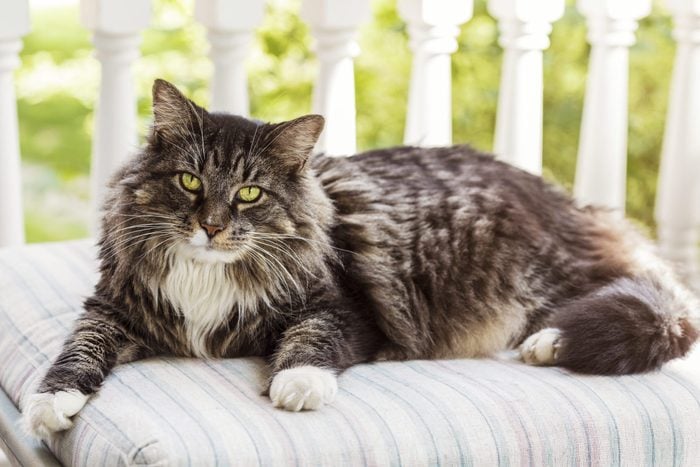
Big house cats are commonly called domestic large cats or giant house cats. These include breeds like Maine Coon and Savannah cats. They are larger than typical house cats but still domesticated and friendly.
Are Big House Cats Different From Wild Big Cats?
Yes, big house cats are domesticated and smaller than wild big cats like lions or tigers. They are bred for homes and companionship, unlike wild big cats that live in nature.
Which Breeds Are Considered Big House Cats?
Maine Coon, Norwegian Forest Cat, Savannah, and Bengal are popular big house cat breeds. They have larger sizes and unique features, making them stand out among regular house cats.
Do Big House Cats Require Special Care?
Big house cats need more space, balanced diet, and regular grooming. Their size demands extra attention to exercise and health monitoring compared to smaller cats.
Conclusion
Big house cats, like Maine Coons and Ragdolls, amaze many. Their size and unique traits make them special pets. Known for their gentle nature, they fit well in families. These cats enjoy playtime and bring joy to homes. Caring for them requires attention, but the rewards are great.
With proper care, they thrive and form strong bonds with owners. Their presence enriches lives. These cats are more than pets; they’re family members. Explore more about them to decide if they’re right for you. These majestic felines might be your perfect companion.