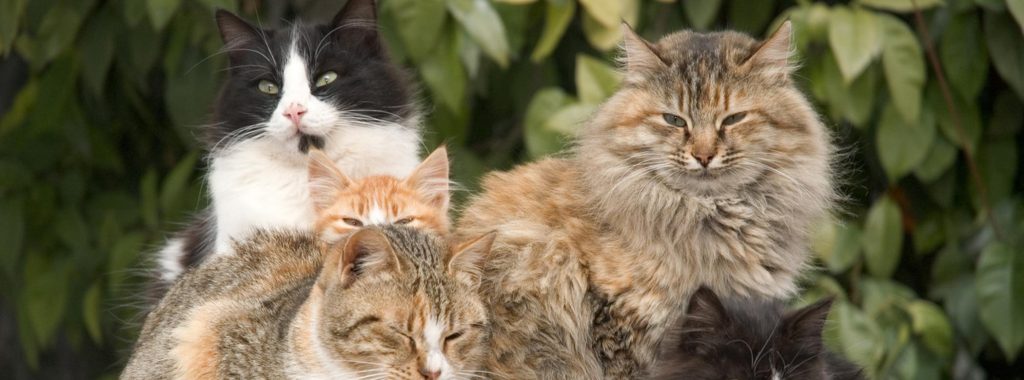
Have you ever wondered which cat breed is the largest of them all? If you’re curious about giant cats that combine impressive size with friendly personalities, you’re in the right place.
Discovering the biggest cat breed can surprise you and might even change how you see these furry companions. Keep reading to find out which cats take the crown for size and why they could be the perfect addition to your home.
Largest Cat Breeds
Some cat breeds are larger than others. These big cats have strong bodies and thick fur. People love these cats for their size and friendly nature.
Here are some of the largest cat breeds in the world. Each breed has unique features that make them stand out.
Maine Coon
The Maine Coon is one of the biggest domestic cats. It has a long, thick coat and a bushy tail. These cats can weigh up to 18 pounds or more.
Maine Coons are friendly and gentle. They enjoy playing and are good with children and other pets.
Savannah Cat
Savannah cats are a mix of domestic cats and wild African servals. They are tall and lean with long legs. Some Savannah cats can weigh up to 25 pounds.
These cats are active and love to jump. They need a lot of space to move and play.
Norwegian Forest Cat
The Norwegian Forest Cat has a thick double coat that protects it from cold weather. It is a large, strong cat that can weigh around 16 pounds or more.
This breed is calm and loves to climb trees. It is friendly but also enjoys quiet time alone.
Chausie
Chausies come from crossing domestic cats with wild jungle cats. They have a slim, muscular body and can weigh up to 20 pounds.
Chausies are very active and curious. They like to explore and play a lot with their owners.
Credit: www.pets4homes.co.uk
Physical Traits Of Giant Cats
The largest cat breed is known for its impressive size and strength. These giant cats stand out because of their unique physical features.
Understanding these traits helps to appreciate how giant cats differ from smaller breeds.
Size And Weight
Giant cat breeds grow much larger than typical house cats. They can reach lengths of up to four feet, excluding the tail.
Their weight ranges from 15 to 25 pounds, with some males even heavier. Their large size gives them a powerful presence.
- Length: Up to 4 feet (excluding tail)
- Weight: 15 to 25 pounds or more
- Male cats tend to be larger than females
Coat And Color Patterns
Giant cats have thick, soft coats that protect them in cold weather. Their fur can come in many colors and patterns.
Common colors include brown, black, silver, and cream. Patterns like spots and stripes are also typical and add to their beauty.
- Coat: Thick and soft for warmth
- Colors: Brown, black, silver, cream
- Patterns: Spots, stripes, and solids
Body Structure
These cats have strong, muscular bodies built for power. Their legs are long and sturdy, helping them move with grace.
Their heads are broad with large ears and expressive eyes. Their paws are big and tufted, making them look even larger.
- Muscular and strong body
- Long, sturdy legs
- Broad head with large ears
- Big, tufted paws
Temperament And Behavior
The largest cat breed is known for its gentle nature despite its size. These cats have unique behaviors that make them great companions.
Understanding their temperament helps owners provide the right environment and care for these big felines.
Personality Traits
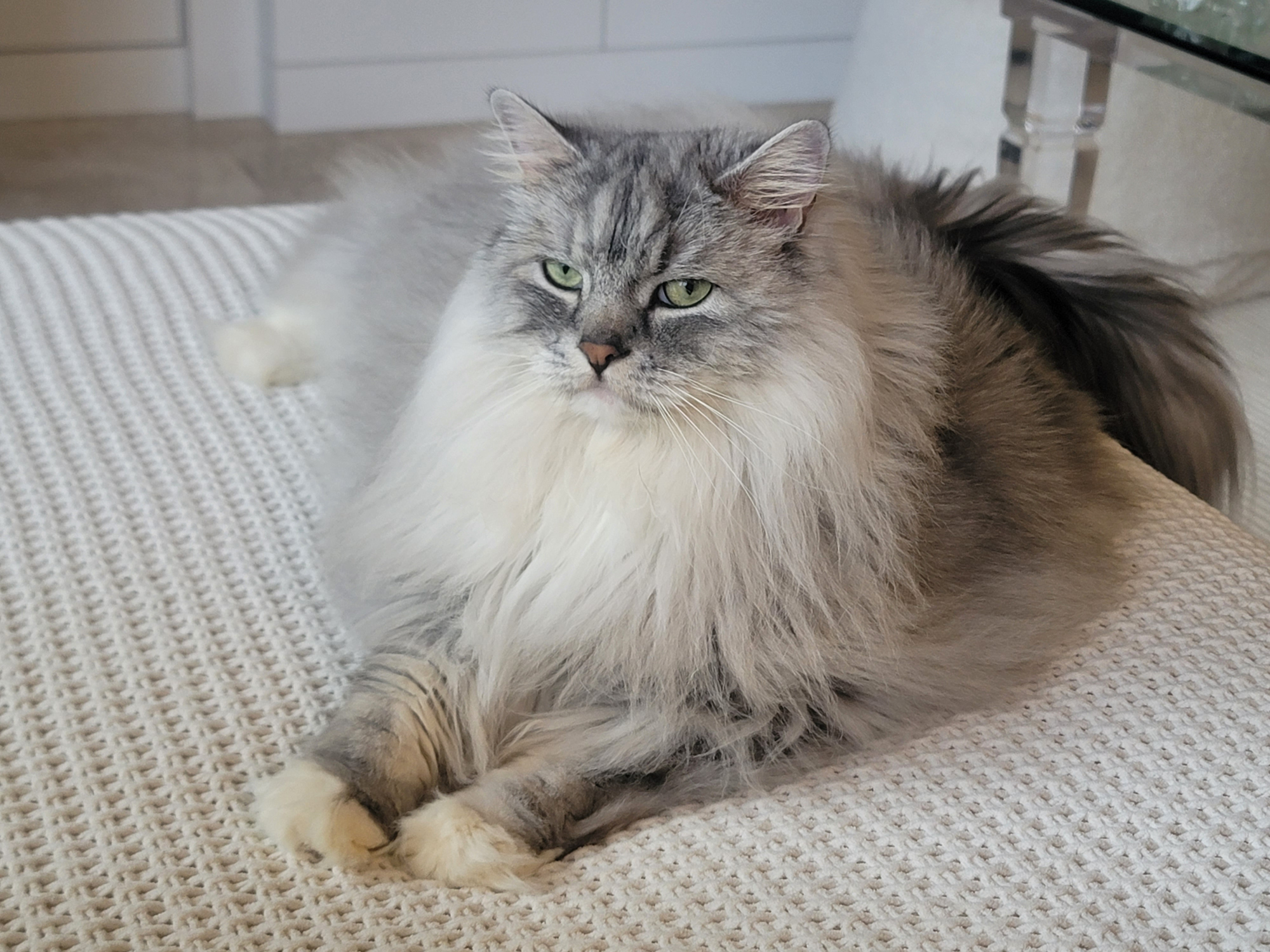
Large cat breeds are often calm and friendly. They enjoy spending time with their families and can be very affectionate.
- Gentle and patient
- Affectionate with family members
- Curious but not overly active
- Intelligent and easy to train
Social Interaction
These cats usually get along well with children and other pets. They seek attention but do not demand it constantly.
| Interaction Type | Behavior |
| With Humans | Friendly and enjoys petting |
| With Other Pets | Generally peaceful and social |
| With Children | Tolerant and playful |
Activity Levels
Despite their size, large cat breeds have moderate activity needs. They like playing but also enjoy resting.
Typical daily activities include:
- Short bursts of playtime
- Exploring their space
- Lounging in sunny spots
- Interacting with toys or people
Credit: manypets.com
Care And Maintenance
The largest cat breeds need special care to stay healthy and happy. Their size means they have unique needs. Understanding these needs helps owners provide the best life for their cats.
This guide covers three key areas: dietary needs, grooming tips, and health concerns. Each section gives simple advice for caring for these big cats.
Dietary Needs
Large cats require a balanced diet to support their strong bodies. They need more calories than smaller cats. Protein is very important for muscle maintenance.
- Feed high-quality cat food with real meat.
- Provide fresh water daily.
- Divide meals into two or three servings a day.
- Avoid giving too many treats or human food.
- Consult a vet for special dietary advice.
Grooming Tips
Grooming large cats takes time but keeps their coat healthy. Regular brushing removes loose fur and dirt. It also reduces hairballs.
| Grooming Task | Frequency |
| Brushing | 3 to 5 times per week |
| Nail trimming | Every 2 weeks |
| Ear cleaning | Once a week |
| Dental care | Daily or as advised |
Health Concerns
Large cat breeds may have health risks linked to their size. Regular vet visits can catch problems early. Watch for signs of joint pain or breathing trouble.
- Hip dysplasia
- Heart disease
- Obesity
- Respiratory problems
- Dental disease
Choosing The Right Giant Cat
The largest cat breed is the Maine Coon. These cats are big, friendly, and have long fur. Choosing a giant cat needs some thought about your home and lifestyle.
Giant cats need space and time. They can fit well in families if you plan right. Read on to learn what to think about before getting a big cat.
Living Space Considerations
Large cats need room to move and play. Small apartments may feel cramped for them. A house with space to roam is better for a giant cat.
Think about where your cat will sleep, eat, and use the litter box. Make sure these areas are easy to keep clean and quiet.
- Provide tall cat trees or shelves for climbing
- Keep litter boxes in low-traffic areas
- Give space for large beds or cozy spots
Time Commitment
Giant cats need daily care and attention. They enjoy playtime and grooming to keep their fur healthy. Expect to spend time every day with your cat.
Regular brushing helps prevent mats in their long fur. Play sessions help keep them active and happy. Plan your schedule to include these activities.
- Brush fur 3-4 times a week
- Spend 20-30 minutes playing daily
- Check health and teeth regularly
Compatibility With Families
Large cats are usually gentle and good with kids. They like to be part of the family but need respect and care. Teach children how to handle cats softly.
Some giant cats get along well with other pets. Introduce pets slowly to avoid stress. Watch your cat’s behavior and give them space if needed.
- Supervise children during cat interactions
- Use calm voices and slow movements
- Provide separate spaces for pets

Credit: headsupfortails.com
Frequently Asked Questions
What Is The Largest Domestic Cat Breed?
The Maine Coon is the largest domestic cat breed. Males can weigh up to 18 pounds. They are known for their long fur and friendly nature.
How Big Do Savannah Cats Grow?
Savannah cats are large, often weighing between 12 and 25 pounds. They have a tall, lean body and are very active and social.
Are Bengal Cats Considered Large Cats?
Bengal cats are medium to large-sized, weighing 8 to 15 pounds. They are muscular with a wild appearance, resembling small leopards.
Which Cat Breed Has The Heaviest Weight Record?
The heaviest domestic cat on record was a Maine Coon, weighing over 30 pounds. This breed is known for its size and strength.
Conclusion
The largest cat breed holds a special place in many hearts. Known for their majestic size, these gentle giants often surprise with their friendly nature. From Maine Coons to Ragdolls, each breed brings unique traits and charm. Owning one of these cats means having a loyal companion.
They love to play and cuddle. Their size might seem intimidating, but their affection is unmatched. Always consider your home and lifestyle before bringing one home. These cats need space and attention. With proper care, they become cherished family members.
Enjoy the joy and companionship they bring.