Is your cat constantly licking or biting its fur until the skin looks raw? Over grooming in cats can be more than just a quirky habit—it might signal stress, allergies, or other health issues.
If you’re worried about your furry friend’s excessive grooming, you’re not alone. Understanding why this happens and knowing how to stop it can save your cat from pain and keep your home peaceful. You’ll discover practical tips and easy solutions to help your cat feel comfortable and break the cycle of over grooming.
Keep reading to protect your cat’s health and happiness.
Causes Of Over Grooming
Over grooming is when cats lick or scratch themselves too much. This can cause skin problems and hair loss.
There are several reasons why cats might over groom. Understanding these causes helps to find the right solution.
Stress And Anxiety Triggers
Stress and anxiety can cause cats to groom too much. Changes in the environment or routine may upset them.
Common triggers include loud noises, new pets, or moving to a new home. Over grooming helps cats feel calmer.
Allergies And Skin Issues
Allergies can make a cat’s skin itchy. This leads to constant licking and scratching to relieve the itch.
Skin problems like dry skin or dermatitis also cause discomfort. Cats try to soothe these areas by over grooming.
Parasites And Infections
Fleas, mites, and other parasites irritate the skin. Cats bite and lick to remove these pests, causing over grooming.
Infections from bacteria or fungi can make skin sore. Over grooming occurs as cats try to ease pain and itchiness.
Boredom And Behavioral Factors
Cats may groom too much if they are bored or lonely. Lack of play and stimulation can lead to this behavior.
Some cats develop habits or compulsions that cause over grooming. This is often a way to cope with frustration.
- Not enough toys or activities
- Being alone for long periods
- Need for attention from owners

Credit: www.reddit.com
Signs To Watch For
Over grooming in cats can lead to health problems. Watch your cat closely to catch signs early.
Noticing changes in your cat’s fur and behavior helps you stop over grooming fast.
Hair Loss Patterns
Look for bald spots or thinning fur. These often appear on the belly, legs, or tail.
Hair loss shows that your cat may be licking or chewing too much.
- Patchy bald areas
- Uneven fur length
- Clumps of loose hair
Skin Redness And Irritation
Check your cat’s skin for redness or swelling. These signs show irritation from grooming.
Irritated skin can be sore or feel warm to touch. It may also have scabs or sores.
- Red or pink patches
- Scabs or open sores
- Dry, flaky skin
Changes In Grooming Habits
Notice if your cat spends more time licking or biting its fur. This can cause damage.
Your cat may groom in one area more than usual or groom all the time.
- Frequent licking or biting
- Grooming the same spot
- Excessive grooming compared to normal
Behavioral Changes
Watch for changes like restlessness or hiding. Stress can cause over grooming.
Your cat may also seem irritated or less playful than before.
- Hiding or avoiding people
- Increased anxiety or stress
- Less interest in play or food
Veterinary Diagnosis
Over grooming in cats can signal health or behavioral problems. A vet diagnosis finds the root cause. This helps stop the behavior effectively.
Vets use tests and exams to check skin, allergies, and behavior. Each step gives clues about why the cat over grooms.
Physical Examination
The vet starts with a full physical exam. They look for skin damage, redness, or hair loss. They also check the cat’s overall health.
Exam results help the vet decide what tests to run next. The exam is important to rule out infections or injuries.
Allergy Testing
Allergies often cause itching and over grooming. Testing finds if the cat is allergic to food, pollen, or fleas.
- Blood tests check for reactions to allergens.
- Skin tests find local reactions on the skin.
- Food trials help spot food allergies.
Skin Scrapings And Cultures
Vets take skin scrapings to find mites or infections. Samples may grow bacteria or fungus in a lab.
| Test Type | Purpose |
| Skin Scraping | Detect mites or parasites |
| Bacterial Culture | Identify bacterial infections |
| Fungal Culture | Find fungal infections like ringworm |
Behavioral Assessment
Behavior can cause over grooming if the cat is stressed or anxious. Vets watch the cat and ask about its habits.
Questions vets may ask include:
- When does the cat groom excessively?
- Are there changes in the home environment?
- Does the cat show other signs of stress?
- How much exercise and play does the cat get?
Environmental Adjustments
Over grooming in cats can be caused by stress or boredom. Changing your cat’s environment helps reduce this behavior. Small changes can make your cat feel safer and happier.
Environmental adjustments focus on making your home calm and engaging. This reduces the reasons your cat may groom too much.
Reducing Stressors
Stress can cause cats to over groom. Try to find and remove things that scare your cat. Loud noises, other pets, or changes in the home may stress your cat.
Keep your cat’s space quiet and calm. Avoid sudden loud sounds or quick movements near your cat.
- Close windows during loud events
- Limit visitors or new people
- Keep other pets separated if needed
- Use soft music or white noise
Providing Enrichment
Bored cats may groom themselves too much. Offer toys and activities that keep your cat busy. Playtime helps reduce stress and prevents over grooming.
Use different types of toys like balls, feathers, and puzzle feeders. Change toys often to keep your cat interested.
- Interactive toys for play
- Scratching posts to relieve stress
- Puzzle feeders for mental challenge
- Window perches for watching outside
Creating Safe Spaces
Cats need places to hide and feel secure. Create quiet spots with soft bedding. Safe spaces help your cat relax and stop over grooming.
Choose calm areas away from noise and activity. Use boxes, cat trees, or covered beds as safe spots.
- Provide cozy beds in quiet rooms
- Use covered cat houses or boxes
- Place safe spots near windows or walls
- Avoid busy or noisy areas for resting
Routine And Consistency
Cats feel safer with a routine. Feed and play with your cat at the same times each day. Consistency reduces anxiety that can cause over grooming.
Keep daily activities steady. Avoid sudden changes in your cat’s schedule or environment.
- Feed meals at regular times
- Play with your cat daily
- Keep litter box clean and in the same place
- Limit sudden changes in the home
Medical Treatments
Over grooming in cats can cause serious skin damage and pain. Medical treatments can help stop this behavior. They target the root causes like skin problems or stress.
Your vet will suggest treatments based on your cat’s needs. This may include medicines or topical options to ease symptoms and prevent more grooming.
Medications For Skin Conditions
Skin problems like allergies or infections cause cats to groom too much. Medicines can reduce itching and heal the skin. They help your cat feel better.
Common medications include antihistamines, antibiotics, and steroids. These reduce inflammation and fight infections. Your vet will decide which is best.
- Antihistamines ease allergic reactions
- Antibiotics treat bacterial infections
- Steroids reduce swelling and itching
Anti-anxiety Drugs
Stress and anxiety can cause cats to over groom. Anti-anxiety drugs help calm your cat’s nervous system. This lowers the urge to groom too much.
These drugs include antidepressants and sedatives. They are safe when given under vet supervision. Your cat may need them for several weeks.
- Selective serotonin reuptake inhibitors (SSRIs)
- Tricyclic antidepressants
- Short-term sedatives for severe cases
Parasite Control
Parasites like fleas make cats itchy and cause over grooming. Treating parasites stops this behavior. Parasite control is a key part of treatment.
Use flea preventatives and parasite medicines as your vet directs. This reduces irritation and breaks the grooming cycle.
- Topical flea treatments
- Oral parasite medications
- Regular cleaning of bedding and environment
Topical Therapies
Topical therapies soothe irritated skin and speed healing. These include creams, sprays, and shampoos. They reduce itchiness and discomfort.
Some products contain ingredients to reduce inflammation or prevent infection. Apply them as your vet instructs for best results.
- Medicated shampoos to clean and soothe skin
- Anti-inflammatory creams and ointments
- Antibacterial sprays to prevent infection

Credit: www.reddit.com
Behavioral Strategies
Over grooming in cats can cause skin problems and discomfort. Behavioral strategies help reduce this habit. These methods focus on changing your cat’s actions and environment.
Try using play, rewards, and calming aids to guide your cat. Understanding these strategies helps you keep your cat healthy and happy.
Interactive Playtime
Interactive playtime keeps your cat busy and stops over grooming. Use toys that mimic prey like feathers or laser pointers. Play sessions help reduce stress and boredom.
- Set aside two 10-minute play sessions daily
- Use different toys to keep play exciting
- Let your cat chase and pounce to use energy
- End playtime with a small treat or petting
Positive Reinforcement
Reward your cat when it stops grooming. Positive reinforcement teaches your cat which behaviors you want. Use treats, praise, or gentle petting to encourage good habits.
- Give a treat after calm behavior
- Use a soft voice to praise your cat
- Ignore attention-seeking grooming
- Be consistent with rewards and timing
Redirecting Attention
Redirect your cat’s attention when it starts over grooming. Offer toys or new activities to distract your cat. This helps change the focus from grooming to play or rest.
| Trigger | Redirect Action |
| Cat licking paws too much | Offer a favorite toy |
| Cat biting fur | Call cat gently and pet it |
| Cat grooming when anxious | Start interactive play |
| Cat grooming after loud noise | Provide a quiet hiding spot |
Using Pheromone Products
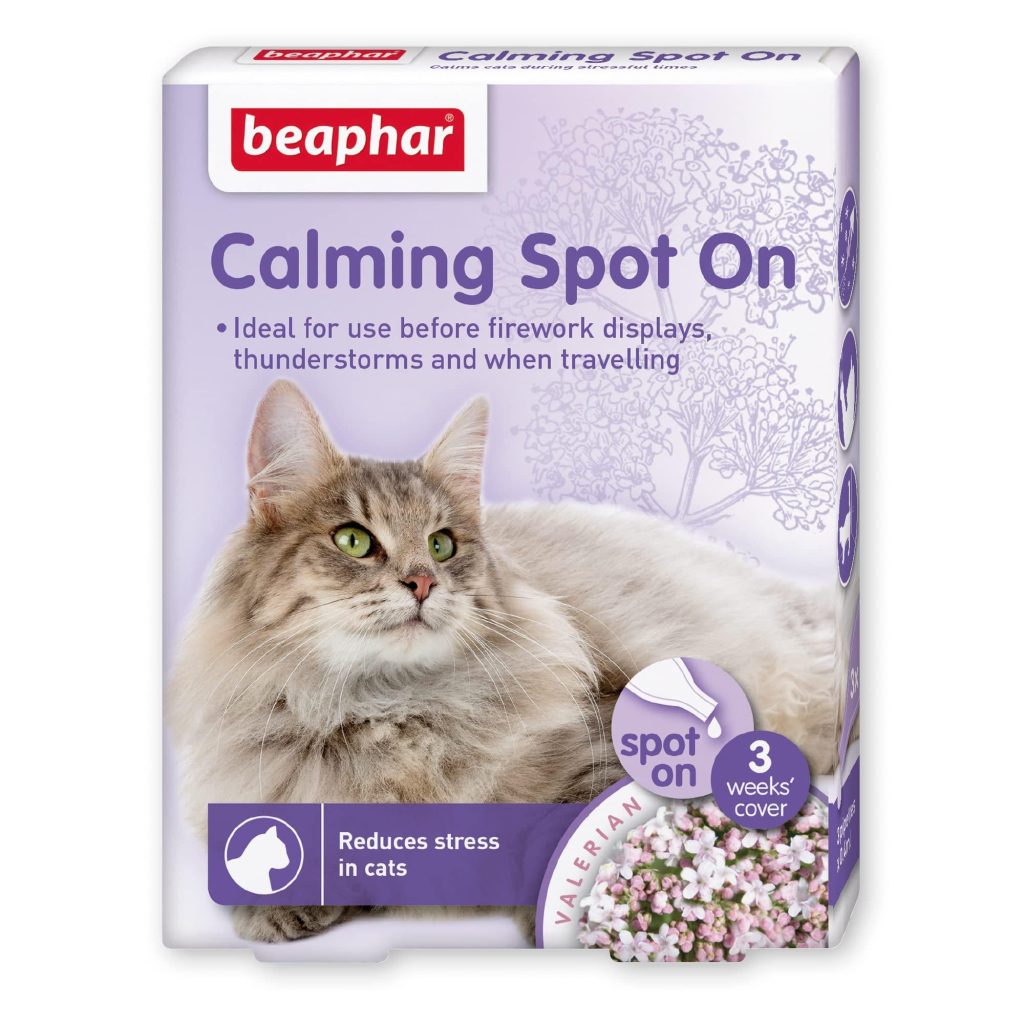
Pheromone products calm cats and reduce stress. They can lower over grooming caused by anxiety. Use diffusers, sprays, or collars made for cats.
Here are tips for using pheromone products:
- Place diffusers in rooms where your cat spends time
- Use sprays on bedding or carriers
- Replace products every 4 weeks for best effect
- Consult your vet if unsure about product choice
Preventing Recurrence
Stopping over grooming in cats is just the first step. Preventing it from happening again is very important. This helps your cat stay healthy and happy.
By watching your cat and giving the right care, you can reduce the chance of over grooming coming back.
Regular Vet Checkups
Take your cat to the vet regularly to catch any health problems early. Skin issues or allergies can cause over grooming.
Vets can also check for parasites or pain that may make your cat groom too much.
- Schedule vet visits every 6 to 12 months
- Ask the vet to check your cat’s skin and coat
- Discuss any changes in your cat’s behavior with the vet
Maintaining Mental Stimulation
Boredom can cause cats to over groom. Give your cat toys and playtime every day. This keeps their mind busy.
Try different games and activities to find what your cat enjoys most.
- Offer puzzle feeders to challenge your cat
- Rotate toys to keep interest high
- Spend at least 15 minutes playing daily
Monitoring Grooming Habits
Watch how often your cat grooms. Look for spots with hair loss or redness. Early signs help stop problems fast.
Keep a journal of grooming habits to share with your vet if needed.
- Check your cat’s coat weekly
- Note changes in grooming time or intensity
- Look for skin irritation or wounds
Adjusting Care As Needed
Your cat’s needs can change over time. Adjust their care based on their health and behavior. This helps keep over grooming away.
Talk to your vet about diet changes or new treatments if over grooming starts again.
- Change feeding routines if advised
- Use calming products if your cat is stressed
- Keep the environment quiet and safe
Credit: www.fullbuckethealth.com
Frequently Asked Questions
What Causes Over Grooming In Cats?
Over grooming in cats is often caused by stress, allergies, parasites, or skin infections. Behavioral issues or boredom can also trigger excessive licking and grooming habits.
How Can I Stop My Cat From Over Grooming?
To stop over grooming, identify the cause and consult a vet. Provide environmental enrichment, reduce stress, and treat any medical issues promptly.
Are Allergies Responsible For Cat Over Grooming?
Yes, allergies to food, fleas, or environmental factors can cause itching and over grooming. Allergy management helps reduce this behavior.
When Should I See A Vet For Over Grooming?
See a vet if your cat has bald spots, sores, or persistent itching. Early diagnosis prevents complications and improves treatment success.
Conclusion
Helping your cat stop over grooming is vital for its health. Observe your cat closely. Identify any stressors or allergens. Provide engaging toys and activities. Regular vet visits can catch health issues early. A balanced diet supports a healthy coat.
Patience and understanding are key. Each cat is unique. What works for one may not work for another. Keep trying different strategies. Your efforts will pay off. A happy, healthy cat is worth it. Follow these tips, and your cat will thank you.
Enjoy the bond with your furry friend.