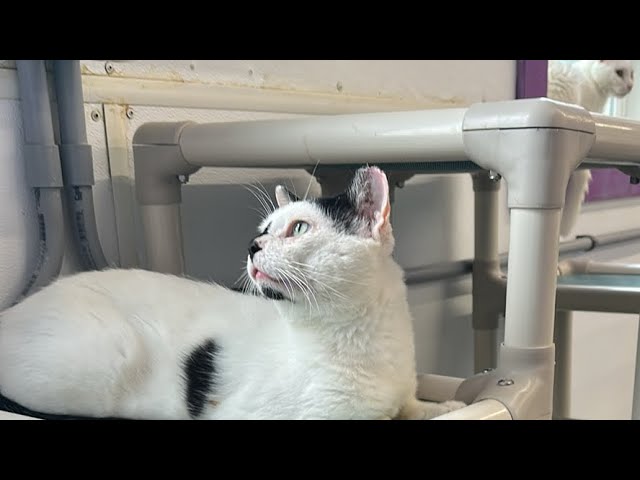
Have you ever felt the urge to make a real difference for cats in need? Starting a cat rescue could be your way to save lives and bring hope to animals who have nowhere else to turn.
But where do you begin? It might seem overwhelming at first, with so many questions and challenges ahead. This guide will walk you through simple, clear steps to help you turn your passion into action. By the end, you’ll know exactly how to start your own cat rescue and create a safe haven for cats waiting for a second chance.
Ready to make an impact? Let’s dive in.

Credit: www.kindnessforcats.org
Setting Your Mission
Starting a cat rescue begins with a clear mission. Your mission guides every decision and action.
It helps you focus on what matters most for the cats you want to help.
Choosing Your Rescue Focus
Decide what type of cats your rescue will help. This focus shapes your work and resources.
- Rescue stray or feral cats
- Help cats with medical needs
- Focus on kittens or senior cats
- Support cats in shelters needing adoption
- Provide foster homes for special cases
Establishing Goals And Values
Set clear goals and values to guide your rescue efforts. These help keep your team aligned and focused.
| Goal | Example |
| Animal Care | Provide medical treatment and safe shelter |
| Community Outreach | Educate about cat care and spaying/neutering |
| Adoption | Find loving homes for rescued cats |
| Fundraising | Raise money for food, medicine, and supplies |
| Volunteer Support | Build a team to help daily tasks |
Legal Steps And Paperwork
Starting a cat rescue needs careful legal work. You must follow rules to keep your rescue safe and legal.
Legal steps help protect you, the cats, and the people who support your rescue. Paperwork shows you run a real organization.
Registering Your Rescue
Register your rescue as a nonprofit or business. This makes your rescue official with the government.
Choose a name and check it is not taken. Then file registration forms with your state or country.
- Decide your rescue’s legal structure (nonprofit, LLC, etc.)
- Check name availability
- File articles of incorporation or formation
- Apply for tax-exempt status if nonprofit
Licenses And Permits
Get licenses and permits to run your rescue legally. Rules differ by location, so check local laws.
You may need animal welfare permits, kennel licenses, or special permits for rescuing cats.
- Animal shelter or rescue license
- Pet adoption permits
- Zoning permits for your rescue location
- Health and safety inspections
Insurance Needs
Insurance protects you from risks. It covers accidents, injuries, and property damage.
Choose insurance that fits your rescue’s size and services. Talk to an insurance agent for advice.
- General liability insurance
- Property insurance for your rescue space
- Workers’ compensation if you have employees
- Animal mortality insurance for rescued cats
Building A Support Team
Starting a cat rescue needs a strong support team. A good team helps with care, shelter, and medical needs.
Focus on finding people and partners who share your goal of saving cats. Each role is important to the success of your rescue.
Recruiting Volunteers
Volunteers provide hands-on help like feeding, cleaning, and socializing cats. They also assist in events and fundraisers.
- Post volunteer opportunities on social media and community boards
- Host meet-and-greet events to attract helpers
- Provide clear training and roles for volunteers
- Keep volunteers motivated with regular updates and thanks
Finding Veterinarian Partners
A good vet partner offers medical care, vaccinations, and spay/neuter services. They ensure cats stay healthy before adoption.
| Type of Service | Why It Is Important |
| Vaccinations | Prevent diseases in cats and community |
| Spay/Neuter | Control cat population and improve health |
| Emergency Care | Treat injuries and sudden illnesses |
| Health Checkups | Monitor cats’ ongoing health |
Collaborating With Local Shelters
Local shelters can share resources and space. They help with cat placement and community outreach.
Here are ways to work with shelters:
- Share foster networks to care for more cats
- Coordinate adoption events together
- Exchange medical and care advice
- Support each other during high intake periods

Credit: x.com
Creating A Safe Space
Starting a cat rescue needs a calm and safe space for cats. This place helps cats feel secure and cared for.
Good planning and the right setup make the shelter a happy home for rescued cats.
Setting Up A Shelter Area
Choose a quiet room or corner for the shelter. It should be warm and free from loud noises. Cats need space to hide and rest.
- Use soft bedding for comfort
- Provide hiding spots like boxes or small tents
- Keep food and water bowls in a clean area
- Make sure the shelter has good ventilation
- Place litter boxes away from eating areas
Supplies And Equipment Essentials
Having the right supplies helps care for cats well. Keep all items organized and easy to reach.
| Item | Purpose | Notes |
| Litter boxes | For cats to use as bathroom | One box per cat plus one extra |
| Food and water bowls | Provide daily nutrition and hydration | Use heavy bowls to avoid tipping |
| Bedding | Comfort and warmth | Wash regularly |
| Scratching posts | Keep claws healthy and protect furniture | Place near resting areas |
| Cleaning supplies | Maintain hygiene | Use safe, pet-friendly products |
Sanitation And Safety Protocols
Cleanliness is key to keep cats healthy. Follow rules to avoid spreading germs or diseases.
- Wash hands before and after handling cats
- Clean litter boxes daily
- Disinfect food and water bowls regularly
- Remove waste and dirty bedding often
- Keep the shelter free from hazards like wires or toxic plants
Rescue Operations
Starting a cat rescue involves careful rescue operations. You need to find cats in need and bring them to safety. This process helps save many lives.
Each step requires attention and care. From finding cats to checking their health, every action matters.
Finding Cats In Need
Look for cats in places like streets, shelters, and abandoned buildings. Watch for cats that seem sick, injured, or lost.
Ask neighbors or community members if they know of any cats needing help. Use social media or local groups to spread the word.
Safe Transportation Methods
Transport cats in secure carriers to keep them safe and calm. Use soft bedding and cover the carrier to reduce stress.
Keep the carrier steady and avoid loud noises. Drive carefully to prevent sudden stops or bumps.
- Use a sturdy, well-ventilated carrier
- Place a towel or blanket inside
- Cover the carrier with a cloth
- Handle the carrier gently
- Keep the car quiet and calm
Initial Health Assessments
Check each cat for signs of injury or illness when you bring it in. Look for wounds, limping, or breathing problems.
Note their behavior and appetite. A quick health check helps you decide if they need a vet immediately.
- Look for cuts or bruises
- Check eyes and nose for discharge
- Listen to breathing sounds
- Observe movement and alertness
- Record any unusual signs

Credit: pawsforcompassion.org
Care And Rehabilitation
Starting a cat rescue means helping cats get better and find homes. Care and rehabilitation are key tasks.
You must focus on feeding, health, and behavior to prepare cats for new families.
Feeding And Nutrition
Cats need good food to heal and grow strong. Feed them balanced meals with protein and nutrients.
Provide fresh water at all times. Avoid sudden food changes to prevent stomach upset.
- Use high-quality cat food, wet and dry
- Feed small amounts several times a day
- Include supplements if recommended by a vet
- Monitor weight and appetite daily
Medical Treatment And Vaccinations
Check each cat’s health soon after rescue. Treat injuries and illnesses quickly to avoid spread.
Vaccinations protect cats from common diseases. Follow a vet’s schedule for shots and checks.
- Test for parasites and infections
- Spay or neuter cats when healthy
- Keep records of all treatments and vaccines
- Isolate sick cats to stop disease spread
Socialization And Behavioral Support
Many rescue cats feel scared or shy. Spend time gently helping them trust people and other pets.
Use toys and quiet talks to encourage positive behavior. Be patient as cats adjust to new surroundings.
- Handle cats daily to build trust
- Provide safe spaces for shy cats
- Use playtime to reduce stress
- Observe behavior to spot needs or problems
Adoption Process
Starting a cat rescue means helping cats find new homes. A clear adoption process helps match cats with the right families.
This guide covers important parts of the adoption process to keep cats safe and happy.
Screening Potential Adopters
Screening adopters makes sure cats go to good homes. Ask questions about their lifestyle and experience with pets.
Check if they understand cat care and have a safe place for the cat to live.
- Ask about other pets and family members
- Discuss daily routines and time for cat care
- Verify if they have a secure, pet-friendly home
- Request references or a vet contact
Preparing Cats For Adoption
Prepare cats by giving them health checks and vaccines. Clean and socialize them so they feel safe with people.
Provide clear information about each cat’s personality and needs to help adopters choose wisely.
- Perform vet exams and vaccinations
- Spay or neuter cats before adoption
- Help cats get used to human contact
- Create profiles with photos and descriptions
Post-adoption Follow-up
Follow up with adopters after adoption to ensure cats adjust well. Offer advice and support if needed.
Check on the cat’s health and happiness, and encourage adopters to contact you with any questions.
- Contact adopters within first weeks
- Ask about cat behavior and health
- Provide tips for care and training
- Be ready to help if problems arise
Fundraising And Resources
Starting a cat rescue requires steady funds and useful resources. You need money to care for cats and support your work.
There are many ways to raise funds and find resources. This guide covers grant applications, community fundraisers, and online campaigns.
Grant Applications
Grants are funds given by organizations to support causes. Applying for grants can help your rescue get needed money.
Follow these tips for successful grant applications:
- Research grants that support animal welfare.
- Write clear and honest proposals.
- Include your rescue’s mission and goals.
- Show how funds will be used wisely.
- Meet all deadlines and follow instructions.
Community Fundraisers
Community fundraisers bring people together to support your cause. They build awareness and raise money at the same time.
Here are some ideas for community fundraisers:
- Host a bake sale or garage sale.
- Organize a charity walk or run.
- Hold a pet photo contest.
- Partner with local businesses for donation drives.
- Plan a silent auction with donated items.
Online Campaigns
Online campaigns reach many people fast. Use social media and websites to ask for help and donations.
| Platform | Best Use | Tips |
|---|---|---|
| Create fundraiser events and share updates | Post photos and thank donors | |
| Share stories and short videos | Use hashtags to reach more people | |
| GoFundMe | Set up donation pages | Write clear goals and updates |
Promoting Awareness
Starting a cat rescue needs more than care. It needs people to know about it. Awareness helps find homes and support for cats.
Sharing your message in clear and simple ways can reach many people. Use different tools to spread the word about your rescue.
Social Media Strategies
Social media is a strong tool to tell people about cats who need help. Post photos and stories often to catch attention. Use hashtags that relate to cats and rescue.
- Share daily pictures of cats waiting for homes
- Post success stories of adopted cats
- Engage followers by asking questions about cats
- Use Facebook groups and Instagram to connect with animal lovers
Community Outreach
Talk to your community about the needs of stray and abandoned cats. Visit local events and places where people meet. Give out flyers and small gifts with cat rescue info.
- Host adoption fairs in parks
- Partner with local pet stores for awareness days
- Set up informational booths at farmers markets
- Organize neighborhood cat care workshops
Educational Programs
Teach children and adults why cats need rescue and care. Use easy words and fun activities. Help people understand how to care for cats safely.
| Program | Audience | Goal |
| School Visits | Students | Raise kindness to cats |
| Workshops | Cat owners | Teach cat health and safety |
| Online Webinars | General public | Explain rescue process |
Frequently Asked Questions
What Are The First Steps To Start A Cat Rescue?
Begin by researching local laws and permits required for animal rescue. Develop a clear mission and plan. Secure funding and a safe space for cats. Build a network of volunteers and veterinarians for support and care.
How Can I Fund A Cat Rescue Effectively?
Fund your rescue through donations, grants, and fundraising events. Utilize social media to reach potential donors. Partner with local businesses for sponsorships. Transparency in fund usage builds trust and encourages ongoing support.
What Legal Requirements Must A Cat Rescue Meet?
Check local and state regulations for animal welfare and nonprofit operations. Obtain necessary licenses and permits. Follow health and safety standards for animal care. Consult a legal expert to ensure full compliance and avoid penalties.
How Do I Find And Care For Cats In Need?
Network with shelters, vets, and community members to locate cats needing rescue. Provide medical checkups, vaccinations, and spay/neuter services. Offer a clean, safe environment and proper nutrition. Monitor cats for health and behavior regularly.
Conclusion
Starting a cat rescue is a rewarding journey. You help save lives. Cats find loving homes. Your community benefits from your compassion. Build a strong support network. Connect with volunteers and donors. Educate others about responsible pet care. Share success stories to inspire.
Stay dedicated and patient. The journey may be challenging. But the rewards are immense. Every cat rescued makes a difference. Your passion can transform lives. Embrace this fulfilling mission. Continue to learn and grow. Your efforts bring hope and happiness.
Together, you and your community create a better world for cats.