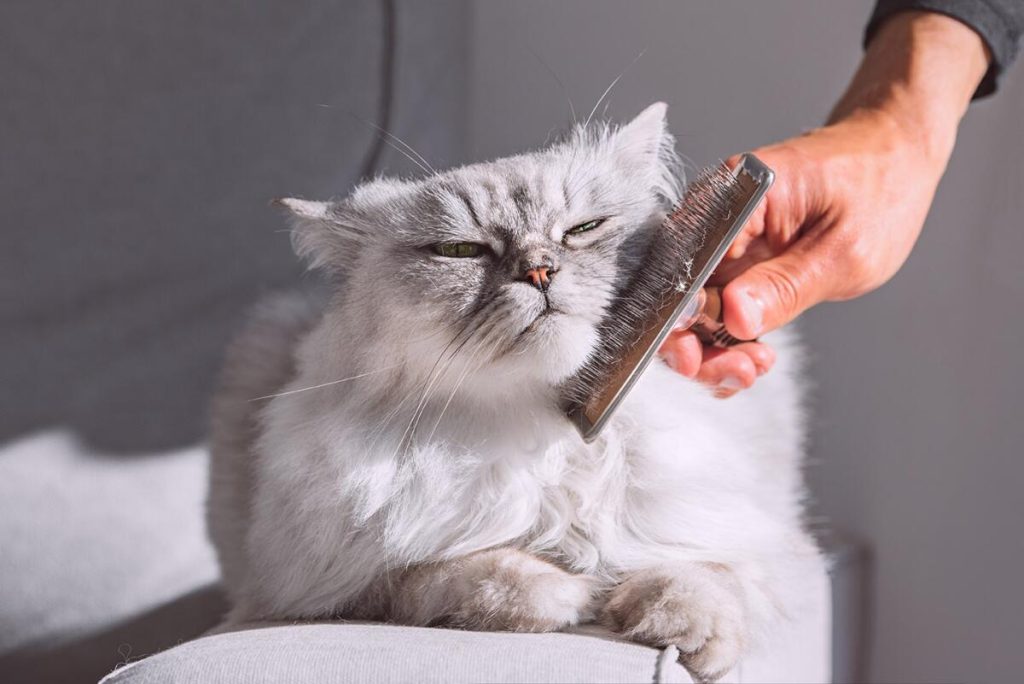
Do you get your cat groomed regularly? You might think cats take care of themselves, but grooming goes beyond just their daily licking.
Proper grooming keeps your furry friend healthy, comfortable, and looking great. If you’ve ever wondered whether professional grooming is worth it or how it can benefit your cat, you’re in the right place. Keep reading to discover why grooming matters and how it can make a real difference in your cat’s life.
Benefits Of Grooming Cats
Grooming cats is important for their health and happiness. It helps keep their fur clean and free of mats.
Regular grooming also helps you notice any changes in your cat’s skin or fur. This can keep your cat healthy.
Improving Coat Health
Brushing your cat removes dirt and loose fur. It spreads natural oils across their coat. This makes fur shiny and soft.
Grooming helps prevent mats and tangles. It also stops skin problems caused by dirty or oily fur.
Preventing Hairballs
Cats swallow fur when they clean themselves. This can cause hairballs, which may make them cough or vomit.
Grooming removes loose fur before your cat swallows it. This lowers the chance of hairballs forming inside their stomach.
Reducing Shedding
Regular brushing catches loose fur before it falls around your home. This helps keep your furniture and clothes cleaner.
Less shedding also means less fur on the floor and fewer allergies for family members sensitive to cat hair.
Detecting Health Issues Early
Grooming lets you check your cat’s skin and fur closely. You can find bumps, cuts, or parasites like fleas early.
Spotting problems early helps your vet treat your cat faster. This improves your cat’s health and comfort.

Credit: services.petsmart.com
When To Start Grooming
Grooming your cat is important for their health and comfort. Knowing when to start helps keep your cat happy.
Starting grooming early can make the process easier for both you and your cat.
Best Age For Grooming
You can begin grooming your cat as soon as it is comfortable being handled. Kittens usually accept grooming well from 8 weeks old.
Starting early helps your kitten get used to brushing, nail trimming, and ear cleaning.
Building A Grooming Routine
Creating a regular grooming schedule helps keep your cat clean and healthy. It also strengthens your bond.
- Brush your cat’s fur weekly to prevent mats and tangles.
- Trim nails every two to three weeks to avoid scratching.
- Check ears monthly for dirt or infection.
- Bath your cat only if necessary, using pet-safe shampoo.
- Choose a quiet time when your cat is calm for grooming sessions.
Signs Your Cat Needs Grooming
| Sign | What It Means |
| Matted fur | Needs brushing to remove tangles |
| Excess shedding | Regular brushing can reduce loose hair |
| Dirty ears | Requires gentle cleaning to prevent infection |
| Overgrown nails | Needs trimming to avoid pain or injury |
| Bad odor | May need a bath or check-up |
Essential Grooming Tools
Grooming your cat helps keep them clean and healthy. Using the right tools makes grooming easier.
Each tool has a special job to keep your cat comfortable and neat.
Brushes And Combs
Brushes and combs remove loose hair and dirt. They also prevent mats and tangles in your cat’s fur.
Choose brushes based on your cat’s fur type. Short fur needs a soft brush. Long fur needs a comb or slicker brush.
- Slicker brushes remove knots and loose hair
- Bristle brushes smooth the coat and add shine
- Metal combs help find and remove mats
Nail Clippers
Clipping your cat’s nails stops them from getting too long. Long nails can hurt your cat or damage furniture.
Use small nail clippers made for pets. Cut only the sharp tip to avoid hurting the quick.
- Scissor-style clippers offer control and safety
- Guillotine clippers are easy for small nails
- Use a nail file to smooth sharp edges
Ear And Eye Care Supplies
Cleaning your cat’s ears and eyes helps prevent infections. Use gentle supplies made for cats.
Use soft cotton balls or pads with vet-approved cleaner. Never use cotton swabs inside the ear canal.
- Ear cleaner solution to remove wax and dirt
- Cotton balls or pads for gentle cleaning
- Eye wipes to clear discharge or dirt
Bathing Essentials
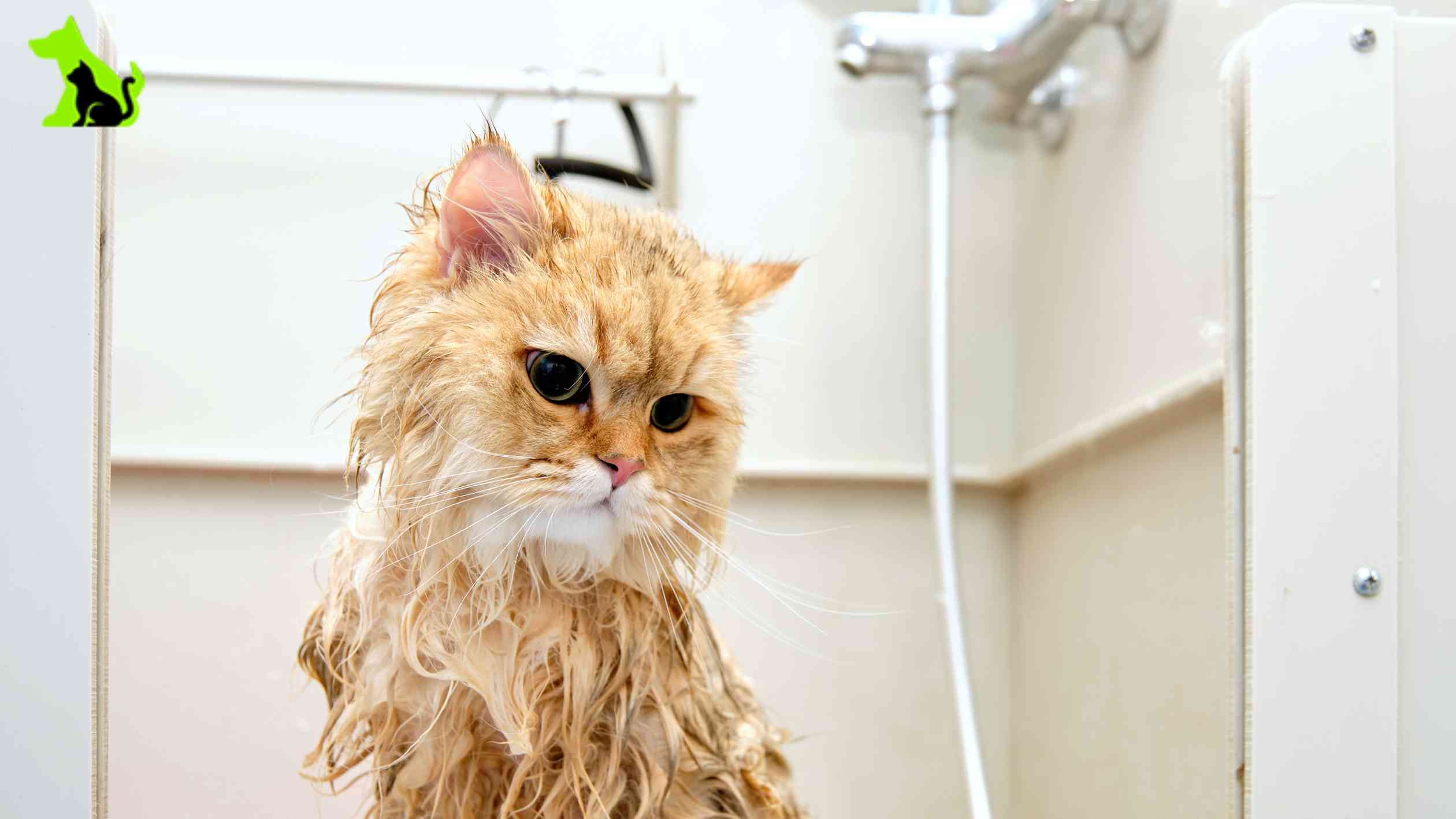
Bathing your cat keeps their coat fresh and removes dirt. Use products made for cats to avoid skin irritation.
Gather all supplies before the bath. Use a gentle shampoo and warm water. Dry your cat well after bathing.
- Cat-safe shampoo for clean and healthy fur
- Soft washcloth for gentle scrubbing
- Towels to dry your cat after the bath
- Brush to remove loose hair before and after
Credit: hellopetsinc.com
Grooming Techniques
Grooming your cat is important for their health and comfort. It helps keep their fur clean and skin healthy. Regular grooming also reduces hairballs and prevents mats.
Different cats need different grooming methods. Knowing the right way to groom your cat makes the process easier and safer for both of you.
Brushing Tips For Different Fur Types
Short-haired cats need less brushing but still benefit from weekly sessions. Long-haired cats need daily brushing to avoid tangles and mats. Use brushes made for your cat’s fur type to prevent skin irritation.
- Use a slicker brush for long fur
- Use a rubber brush for short fur
- Brush gently to avoid hurting the skin
- Remove loose hair after each session
Safe Nail Trimming
Trimming your cat’s nails keeps them from scratching furniture and people. Use sharp nail clippers designed for cats. Only cut the clear tip of the nail to avoid pain and bleeding.
| Tool | Tip |
| Cat nail clippers | Cut only the white part |
| Styptic powder | Use if nail bleeds |
| File | Smooth rough edges after clipping |
Cleaning Ears And Eyes
Check your cat’s ears and eyes weekly. Use a damp cloth or cotton ball to clean dirt. Never insert anything deep into the ear canal. Use separate cloths for each eye to avoid spreading infection.
- Use only vet-approved cleaning solutions
- Avoid cotton swabs inside ears
- Stop if your cat shows pain or irritation
Bathing Your Cat Safely
Bathing is not often needed but sometimes helps with dirt or fleas. Use warm water and cat-safe shampoo. Avoid water in the ears and eyes. Rinse well and dry your cat with a towel after the bath.
Handling Grooming Challenges
Grooming cats can be tricky. Some cats do not like being touched or brushed. It is important to know how to handle these challenges.
This guide covers common problems and ways to make grooming easier for you and your cat.
Dealing With Uncooperative Cats
Many cats do not enjoy grooming. They may scratch or try to run away. Patience and calmness help a lot.
- Choose a quiet place with few distractions.
- Use gentle, slow movements when brushing.
- Give small treats to reward good behavior.
- Take short breaks if your cat gets upset.
- Try grooming when your cat is relaxed or sleepy.
Managing Matting And Tangles
Mats and tangles can cause pain and skin problems. Regular brushing helps prevent them. Sometimes mats need careful removal.
| Type of Mat | How to Handle |
| Small Tangles | Use a wide-tooth comb gently. |
| Loose Mats | Brush slowly and pull apart carefully. |
| Severe Mats | Cut carefully or seek help from a groomer. |
When To Seek Professional Grooming
Some grooming needs are best left to experts. Professionals can handle difficult cats and severe fur problems.
- Your cat has painful mats that you cannot remove safely.
- Your cat becomes very stressed or aggressive during grooming.
- You need special grooming tools or techniques.
- Your cat has skin problems or infections under the fur.
- You want a full grooming session including trimming or bathing.
Health Benefits Beyond Appearance
Grooming your cat is more than keeping them looking nice. It helps keep them healthy in many ways. Regular grooming supports your cat’s overall well-being.
From reducing allergens to improving skin health, grooming has important benefits. It also makes your cat feel more comfortable and happy every day.
Reducing Allergens At Home
Grooming helps remove loose fur and dander from your cat. Dander is a common cause of allergies in people. Brushing your cat regularly lowers the amount of allergens in your home.
Less fur and dander in the air means fewer allergy symptoms for family members. This makes your home a healthier place to live, especially for those sensitive to pet allergens.
Supporting Skin Health
Grooming keeps your cat’s skin clean and free from dirt. It helps spread natural oils evenly across their coat. These oils protect skin and prevent dryness or irritation.
Regular brushing can spot skin problems early. You can catch issues like fleas, wounds, or infections before they get worse. Grooming supports your cat’s skin health every day.
Enhancing Cat Comfort And Happiness
Many cats enjoy being groomed. It feels like a gentle massage that relaxes them. Grooming can reduce stress and improve your cat’s mood.
Removing mats and tangles also stops discomfort. Clean fur helps your cat stay cool in summer and warm in winter. Grooming helps your cat feel good inside and out.
Grooming Frequency And Scheduling
Grooming your cat helps keep their coat clean and healthy. It also reduces hairballs and matting. Scheduling grooming depends on your cat’s needs and lifestyle.
Some cats need grooming every day. Others do fine with weekly brushing. Knowing the right timing keeps your cat comfortable and tidy.
Daily Vs Weekly Grooming
Long-haired cats often need daily grooming to stop mats and tangles. Short-haired cats usually need brushing once a week. Daily grooming removes loose fur and dirt.
Weekly grooming is enough for most cats with short coats. It helps spread natural oils and keeps skin healthy. Watch your cat’s coat to decide how often to groom.
- Daily grooming suits long-haired or shedding cats
- Weekly grooming works for short-haired cats
- Adjust based on your cat’s comfort and coat condition
Adjusting For Age And Breed
Kittens need gentle grooming to get used to the process. Older cats may need shorter sessions if they get tired. Some breeds have special grooming needs.
Persians and Maine Coons have thick coats that need regular brushing. Sphynx cats have little fur but require skin care. Tailor grooming to your cat’s breed and age.
- Kittens: short, gentle grooming sessions
- Senior cats: shorter sessions to avoid stress
- Long-haired breeds: daily brushing
- Short-haired breeds: weekly brushing
- Hairless breeds: regular skin cleaning
Seasonal Grooming Changes
Cats shed more in spring and fall. Increase grooming during these times to manage loose fur. This helps reduce hairballs and keeps your home cleaner.
In winter, grooming may slow down as cats grow thicker coats. You can reduce grooming frequency but still check for mats. Summer grooming helps with heat and comfort.
- Spring and fall: groom more to handle shedding
- Winter: less grooming but check for tangles
- Summer: regular grooming for comfort and cooling
Diy Vs Professional Grooming
Grooming your cat keeps them clean and healthy. Some owners like to do it themselves. Others prefer to hire a professional groomer.
This guide helps you understand the benefits and costs of each choice. You can also learn how to mix both methods.
Benefits Of Professional Services
Professional groomers have special tools and skills. They can handle difficult cats safely. Groomers spot skin problems or parasites early. They offer services like nail trimming and ear cleaning.
- Expert care with proper tools
- Less stress for your cat
- Early detection of health issues
- Complete grooming including nails and ears
- Time-saving for busy owners
Cost Considerations
Grooming costs vary by method and frequency. DIY grooming needs some initial investment. You buy brushes, clippers, and shampoos. Professional grooming charges depend on services and pet size.
| Grooming Type | Cost Range | Notes |
|---|---|---|
| DIY Grooming | $20 – $60 | One-time tool purchase plus supplies |
| Professional Grooming | $40 – $100 | Per session cost, varies by location |
Combining Both Approaches
You can groom your cat at home between professional visits. This keeps your cat clean and comfortable. Use simple brushing or nail trimming yourself. Leave complex tasks to the groomer.
Benefits of combining:
- Lower overall grooming cost
- Reduces stress for your cat
- Maintains coat health regularly
- Builds trust between you and your cat
)
Credit: www.northroadvet.com.au
Frequently Asked Questions
What Are The Benefits Of Getting Cats Groomed Regularly?
Regular grooming keeps cats clean, reduces shedding, and prevents matting. It also helps spot health issues early and maintains healthy skin and coat.
How Often Should You Get A Cat Professionally Groomed?
Most cats benefit from professional grooming every 4 to 8 weeks. Frequency depends on breed, coat length, and your cat’s grooming needs.
Can Grooming Reduce Cat Hairballs And Allergies?
Yes, grooming removes loose hair and dander. This reduces hairballs and minimizes allergens in your home for a healthier environment.
Is Professional Cat Grooming Safe For All Cats?
Professional groomers use gentle techniques suited for cats. They ensure safety, but anxious or sick cats may require special care or vet consultation.
Conclusion
Grooming your cat boosts their health and happiness. Regular sessions prevent mats and tangles. It helps reduce shedding and hairballs. Nail trimming protects furniture and skin. Clean ears and eyes avoid infections. Choose a professional groomer or DIY carefully. Always use cat-safe products.
Frequent grooming strengthens your bond. A well-groomed cat is a happy cat. Consider your pet’s comfort and needs. Make grooming a positive experience. Your feline friend will thank you!