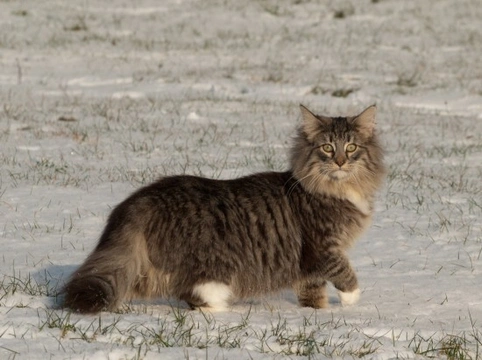
Have you ever wondered which cat takes the crown for being the biggest in your home? If you’re curious about the largest household cat, you’re about to discover some surprising facts that might change how you see your furry friend.
Whether you already have a cat or are thinking about getting one, knowing about the biggest breeds can help you prepare your space and understand their unique needs. Keep reading to find out which cats grow the largest, what makes them special, and how you can welcome one into your life.
Your perfect giant companion might be closer than you think!
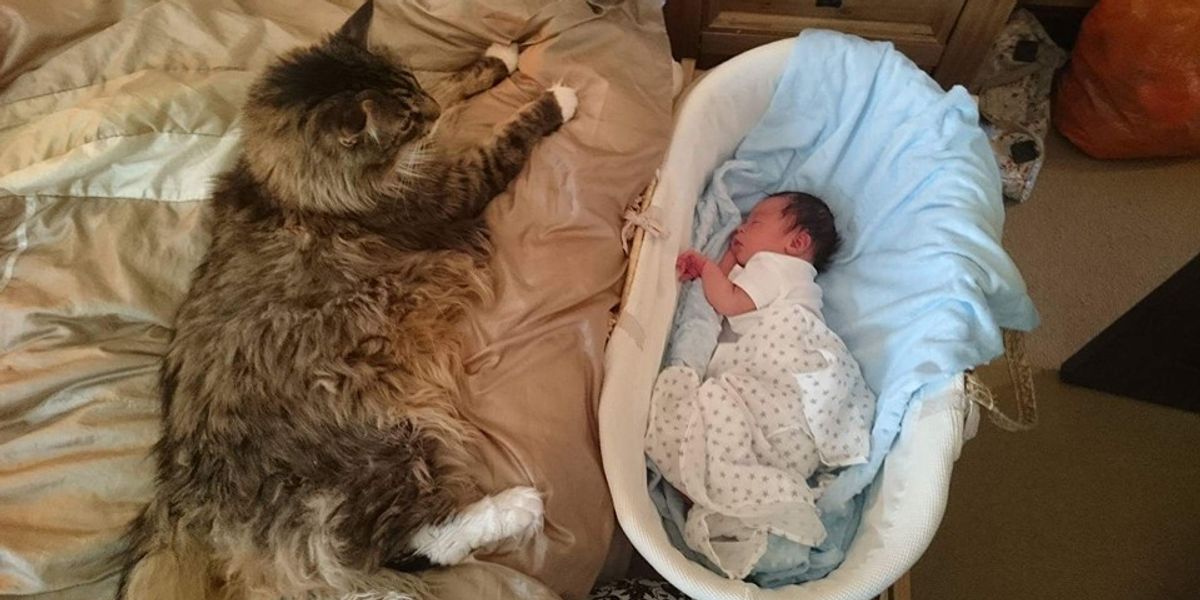
Credit: www.lovemeow.com
Largest Cat Breeds
Some household cats grow much bigger than others. These large breeds are known for their size and gentle nature. They make great pets for people who want a big, friendly cat.
Let’s explore some of the biggest cat breeds you can find. Each has unique features and personality traits.
Maine Coon
The Maine Coon is one of the largest domestic cat breeds. Males can weigh up to 18 pounds or more. They have long, thick fur and tufted ears.
This breed is friendly and playful. Maine Coons enjoy being around people and other pets. They are sometimes called gentle giants.
Savannah Cat
Savannah cats are large and lean with a wild look. They come from crossing domestic cats with servals, a wild African cat. They can weigh between 12 and 25 pounds.
These cats are active and curious. They need lots of playtime and mental stimulation. Savannahs are known for their tall bodies and long legs.
Norwegian Forest Cat
The Norwegian Forest Cat is a strong and large breed. It has a thick double coat to stay warm in cold climates. Males can weigh up to 16 pounds.
This breed is calm and friendly. Norwegian Forest Cats like climbing and exploring high places. They have a bushy tail and almond-shaped eyes.
Ragdoll
Ragdolls are known for their large size and soft fur. They often weigh between 15 and 20 pounds. Their name comes from their relaxed and floppy nature when held.
These cats are gentle and loving. They like to follow their owners around and enjoy cuddles. Ragdolls have striking blue eyes and color-point coats.
Chausie
The Chausie is a large, athletic cat breed. It is a mix between a domestic cat and a wild jungle cat. Chausies usually weigh 15 to 20 pounds.
This breed is active and playful. They enjoy climbing and jumping. Chausies have a sleek body and short fur with wild markings.
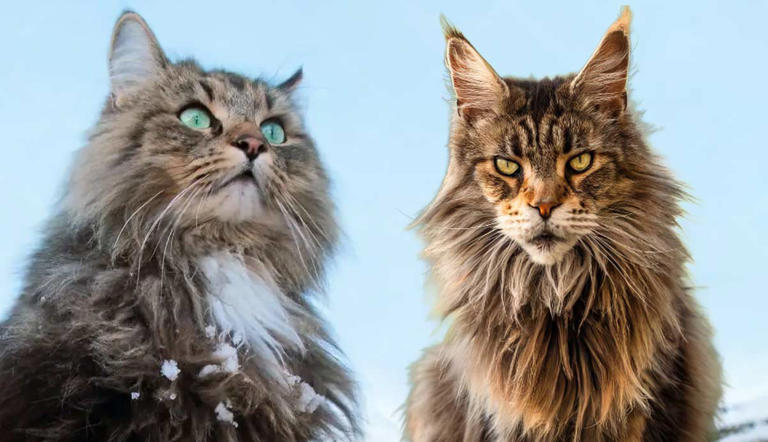
Credit: www.msn.com
Physical Traits Of Giant Cats
Giant cats stand out because of their impressive size and unique features. These cats are much larger than regular domestic cats. Their physical traits help them survive in different environments.
Understanding their size, coat patterns, and special features gives us a clearer picture of what makes these cats so special. Let’s explore these traits in detail.
Size And Weight
Giant cats can weigh much more than typical house cats. Their size helps them appear strong and powerful.
| Cat Type | Average Weight (lbs) | Average Length (inches) |
|---|---|---|
| Maine Coon | 13–18 | 40 |
| Norwegian Forest Cat | 12–16 | 35 |
| Siberian Cat | 15–20 | 39 |
Coat And Color Patterns
Giant cats have thick and long coats that protect them from cold weather. Their fur comes in many colors and patterns. These coats make them look majestic and wild.
- Tabby stripes are common on many giant cats.
- Some have solid colors like black, white, or gray.
- Others show spotted or marbled patterns.
- Coat texture feels soft but dense to the touch.
Distinctive Features
Giant cats show features that set them apart from smaller cats. Their ears, paws, and tails are often larger and more pronounced.
- Large ears:Often tufted at the tips, helping with hearing and warmth.
- Big paws:Wide and furry for walking on snow or rough ground.
- Long tails:Used for balance and can be bushy to provide extra warmth.
Temperament And Behavior
The biggest household cats have unique personalities and behaviors. Their temperament often matches their large size.
Understanding how they act helps families live happily with these gentle giants.
Personality Traits
Big cats are usually calm and friendly. They enjoy being near people but can be independent.
They are gentle and rarely aggressive. Their size does not mean they are wild or dangerous.
Interaction With Families
These cats love spending time with family members. They often follow their owners around the house.
Big cats usually get along well with children and other pets. They enjoy socializing but need space too.
- Friendly with kids
- Good with other pets
- Enjoy attention but respect alone time
Activity Levels
Large cats tend to have moderate energy. They like to play but also rest a lot during the day.
They need space to move around and enjoy toys that challenge their mind and body.
- Moderate playtime needed daily
- Enjoy interactive toys
- Rest for long periods
Care Requirements
Biggest household cats need special care to stay healthy and happy. Their size affects how you feed and groom them.
Understanding their needs helps provide the best environment for these large cats.
Diet And Nutrition
Large cats need more food but it must be balanced. High protein helps keep muscles strong.
Feed them quality cat food with essential vitamins and minerals. Avoid overfeeding to prevent weight gain.
- Provide fresh water daily
- Include wet and dry food for variety
- Limit treats to keep diet balanced
- Consult vet for special diets
Grooming Needs
Big cats often have thick fur that needs regular brushing. This prevents mats and reduces shedding.
Check their nails and teeth often. Clean ears and eyes keep infections away.
- Brush coat 2-3 times a week
- Trim nails every few weeks
- Wipe eyes and ears gently
- Use vet-approved grooming tools
Health Considerations
Large cats can have joint problems due to weight. Regular vet checkups catch issues early.
Watch for signs of illness like limping or loss of appetite. Keep vaccinations and parasite control up to date.
- Schedule annual vet visits
- Monitor weight and activity
- Provide comfortable resting areas
- Keep an eye on breathing and movement
Choosing The Right Giant Cat
Giant cats are beautiful pets, but they need special care. You must think about your home and lifestyle before choosing one.
This guide helps you decide if a big cat fits your life. It covers space, time, and other pets.
Living Space Suitability
Large cats need more room than small cats. They like to stretch and play. Your home should have space for their size.
- Big cats need wide areas to move around.
- High places like shelves help them climb and feel safe.
- Outdoor access is good if safe and secure.
- Smaller homes may feel crowded for a giant cat.
Time Commitment
Giant cats need daily care. They require feeding, grooming, and playtime. Spending time keeps them happy and healthy.
| Care Activity | Time Needed |
| Feeding | 15-30 minutes per day |
| Grooming | 10-20 minutes several times a week |
| Play and Attention | 30 minutes or more daily |
| Vet Visits | Once or twice a year |
Compatibility With Other Pets
Big cats may or may not get along with other animals. You must watch their behavior carefully.
Here are tips to help giant cats live well with other pets:
- Introduce pets slowly and in a neutral space.
- Watch for signs of stress or aggression.
- Give each pet its own food and water bowls.
- Provide separate resting places for each animal.
- Reward calm and friendly behavior.
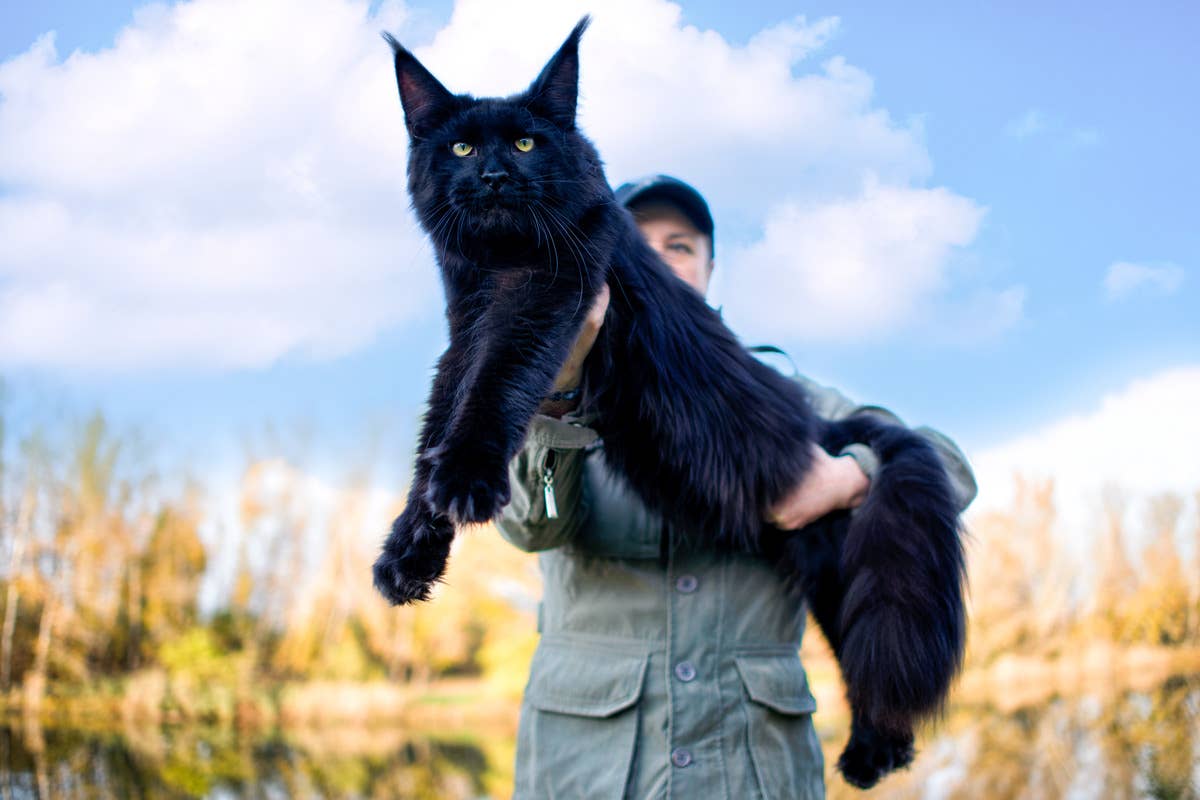
Credit: pethelpful.com
Frequently Asked Questions
What Is The Biggest Household Cat Breed?
The Maine Coon is the biggest household cat breed. Males can weigh up to 18 pounds. They are large, friendly, and have thick fur.
How Big Can A Domestic Cat Grow?
Domestic cats usually weigh between 8 to 12 pounds. Some breeds like the Maine Coon can grow larger, reaching up to 18 pounds or more.
Are Big Household Cats More Expensive To Care For?
Yes, bigger cats generally need more food and larger supplies. Veterinary care costs can also be higher due to their size and health needs.
What Makes The Maine Coon The Largest Cat Breed?
Maine Coons have a muscular build, long fur, and large paws. Their size is due to genetics and selective breeding for larger cats.
Conclusion
Discovering the biggest household cat is fascinating and fun. Maine Coons usually top the list. Known for their size and gentle nature. They fit well into family life. Enjoy their playful antics. And their loving company. These cats are easy to care for.
Just need some grooming and playtime. They bring joy to any home. Perfect for cat lovers wanting something special. Remember, each cat is unique. Size isn’t everything. Personality and companionship matter too. Choose a breed that fits your lifestyle. Enjoy the adventure of sharing life with a large, loving feline friend.