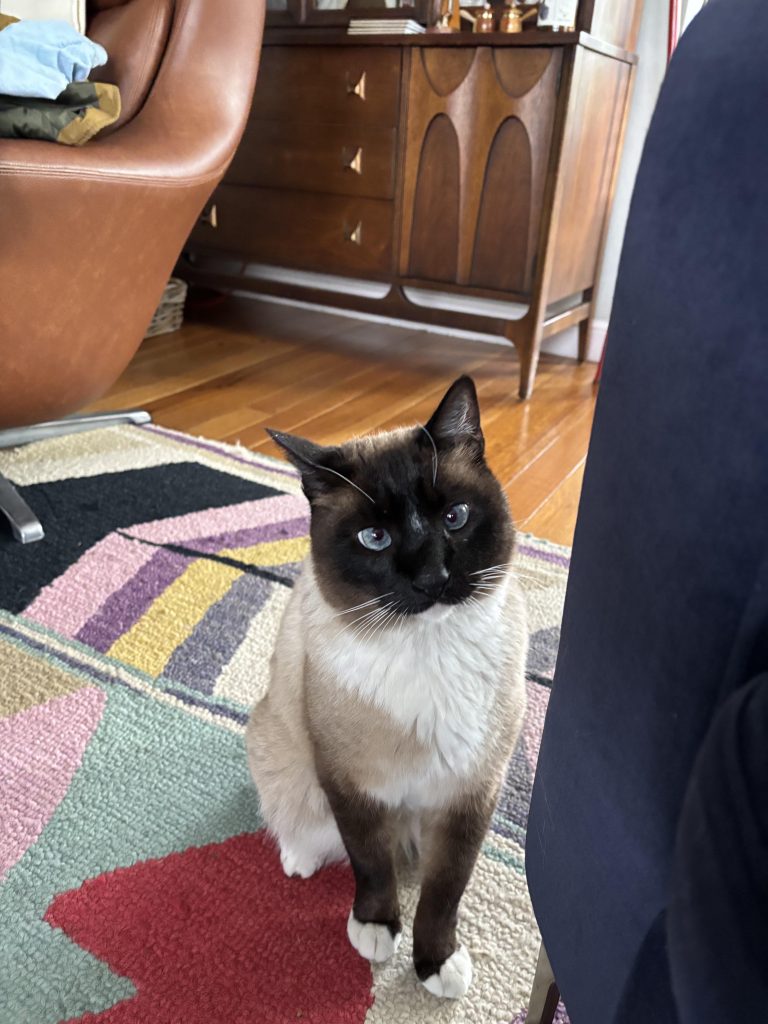
Are you tired of finding your clothes soaked with cat pee? It’s frustrating and stressful, especially when your favorite outfits are ruined.
But don’t worry—there are simple steps you can take to stop your cat from peeing on your clothes. Understanding why your cat does this and how to fix it can save you time, money, and peace of mind. Keep reading, and you’ll discover easy, effective solutions to protect your wardrobe and keep your home smelling fresh.

Credit: pawweave.com
Reasons Cats Pee On Clothes
Cats sometimes pee on clothes, which can be frustrating. Understanding why they do this helps solve the problem.
Several reasons cause cats to urinate on clothes instead of their litter boxes. These reasons include health and behavior issues.
Medical Issues
Urinary tract infections and bladder problems often make cats pee outside their litter boxes. Pain or discomfort can cause this behavior.
Other medical causes include kidney disease or diabetes. If your cat pees on clothes suddenly, a vet check is needed.
Stress And Anxiety
Cats feel stress from changes like moving or new pets. They may pee on clothes to feel safe or calm.
- New family members or pets
- Changes in daily routine
- Loud noises or loud visitors
- Separation from owners
Territorial Marking
Cats use urine to mark their territory. Clothes can carry strong scents, so cats may pee on them to claim space.
| Reason | Why Clothes? | Effect |
| Territorial Marking | Clothes smell like owner | Cat feels secure |
| Stress | Clothes provide comfort scent | Reduces anxiety |
Litter Box Problems
Cats may avoid the litter box if it is dirty or hard to access. This can cause them to pee on clothes instead.
- Litter box not cleaned often
- Box placed in noisy or busy area
- Too few litter boxes for multiple cats
- Dislike of certain litter types
Credit: www.walmart.com
Cleaning And Removing Odors
When your cat pees on your clothes, it leaves a strong smell. Cleaning well stops your cat from peeing there again.
Removing odors from clothes needs special care. Normal cleaning may not fully remove the smell.
Using Enzymatic Cleaners
Enzymatic cleaners break down urine molecules. They stop the smell and remove stains well.
Use enzymatic cleaners on clothes and any surface your cat peed on. Let the cleaner sit for at least 10 minutes before washing.
- Choose a cleaner made for pet stains
- Apply it to the wet or dry spot
- Wait for the time on the label
- Rinse or wash the item afterward
Avoiding Ammonia-based Products
Ammonia smells like cat urine to cats. It can make your cat pee on clothes again.
Do not use cleaners with ammonia on clothes or surfaces. Use mild soap or enzymatic cleaners instead.
- Read cleaner labels carefully
- Skip products with ammonia or bleach
- Choose pet-safe cleaning products
Proper Laundry Techniques
Wash clothes in hot water if the fabric allows it. Hot water helps kill odor-causing bacteria.
Use a good detergent and add an enzymatic cleaner or a cup of white vinegar to the wash. Dry clothes completely before storing.
- Check fabric care labels first
- Use hot water for whites and colors
- Add vinegar or enzymatic cleaner to wash
- Dry clothes fully in sun or dryer
Improving Litter Box Conditions
Stopping your cat from peeing on your clothes can start with improving the litter box. Cats need clean and comfortable spaces to do their business.
Adjusting the litter box setup helps your cat feel safe and want to use it more often.
Choosing The Right Litter
Pick a litter that your cat likes. Many cats prefer fine-grained clumping litter because it feels soft on their paws. Unscented litter is better to avoid irritation.
- Use clumping litter for easy cleaning
- Avoid strong scents that may bother your cat
- Choose dust-free litter to keep air clean
- Try different types to find your cat’s favorite
Regular Cleaning Schedule
Keep the litter box clean by scooping waste daily. A dirty box can make cats look for other places to pee. Empty and wash the box weekly with mild soap.
| Task | Frequency |
| Scoop waste | Daily |
| Change litter fully | Weekly |
| Wash litter box | Weekly |
Optimal Litter Box Placement
Place the litter box in a quiet, low-traffic area. Avoid noisy spots or places near your cat’s food. Good spots give your cat privacy and easy access.
- Quiet corner of a room
- Near but not next to feeding area
- Easy for your cat to reach
- Avoid tight spaces or noisy appliances
Providing Multiple Litter Boxes
Offer more than one litter box if you have multiple cats or a large home. Cats like to have options and separate boxes reduce accidents.
- One box per cat plus one extra
- Place boxes in different rooms
- Keep all boxes clean and fresh
Behavioral Adjustments
Changing your cat’s behavior can stop it from peeing on your clothes. Cats often act this way because of stress or boredom. Adjusting their environment helps them feel safe and calm.
Below are some ways to help your cat feel better and reduce unwanted peeing. These tips focus on reducing stress, using pheromones, and keeping your cat active.
Reducing Stress Triggers
Stress causes many cats to urinate outside the litter box. Look for things that scare or upset your cat. Common triggers include loud noises, new people, or changes in the home.
- Keep a quiet and calm space for your cat.
- Introduce new people or pets slowly.
- Keep your cat’s routine steady.
- Place the litter box in a private, low-traffic area.
- Clean any soiled areas to remove smells.
Using Pheromone Sprays
Pheromone sprays release scents that calm cats. These sprays can reduce anxiety and stop unwanted urination. Spray areas where your cat likes to pee on clothes or furniture.
| Product Type | Use | Effect |
| Feliway Spray | Spray on clothes and bedding | Calms and reduces stress |
| Diffuser | Plug in near common areas | Creates a calm environment |
| Collar | Worn by cat | Provides continuous calming scent |
Providing Enrichment And Playtime
Active cats are less likely to pee on clothes. Playtime helps them use energy and feel happy. Enrichment keeps their minds busy and lowers stress.
- Use toys like feather wands or balls.
- Create climbing areas with cat trees or shelves.
- Hide treats for your cat to find.
- Spend at least 15 minutes daily playing with your cat.
- Rotate toys to keep them interesting.
Protecting Your Clothes
It can be very frustrating when your cat pees on your clothes. Protecting your clothes helps keep your home clean and fresh. You can use some simple ways to stop this behavior.
These tips focus on how to keep your clothes safe from your cat’s accidents. Try them to keep your clothes smelling good and dry.
Storing Clothes Securely
Keep your clothes in places where your cat cannot reach them. Use closed drawers, closets, or sealed bins. This stops cats from smelling and marking your clothes.
- Use airtight containers for dirty clothes
- Keep laundry baskets covered
- Store clean clothes in drawers or closets
- Close doors to rooms where clothes are stored
- Use shelves high enough to be out of your cat’s reach
Using Deterrents On Clothes
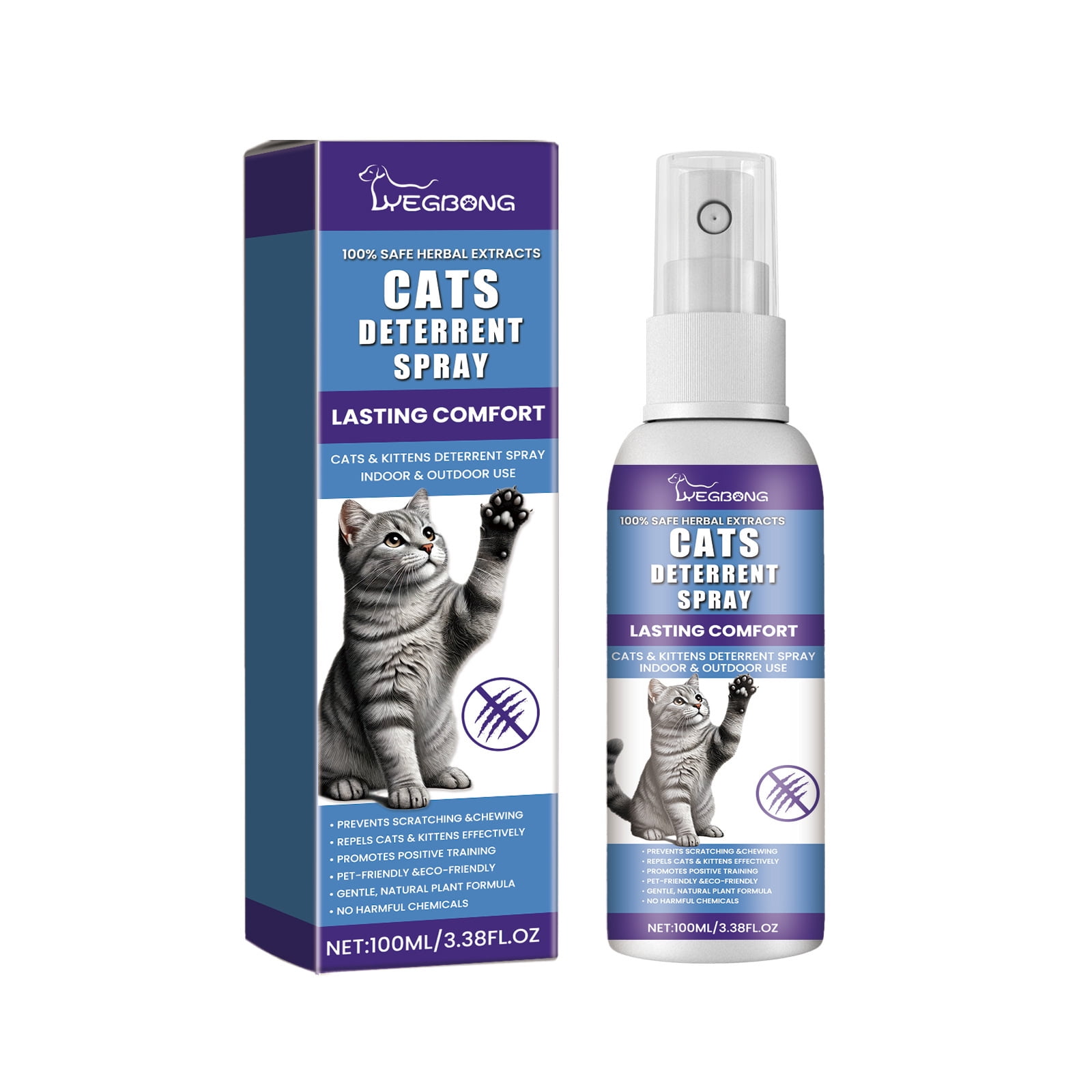
Cats dislike certain smells and textures. Using these on or near your clothes can stop them from peeing. Try sprays or physical barriers.
| Deterrent | How It Works | Example |
| Citrus Spray | Smells bad to cats | Mix water with lemon juice |
| Double-sided Tape | Sticky texture cats avoid | Apply on laundry baskets |
| Aluminum Foil | Uncomfortable noise and feel | Place on clothes piles |
| Commercial Cat Repellent | Special scents cats hate | Buy at pet stores |
Creating Cat-free Zones
Make some rooms or areas off-limits to your cat. This protects your clothes and other items from damage. Use physical barriers and training to keep cats out.
- Close doors to laundry or closet rooms
- Use baby gates to block access
- Place mats with textures cats dislike at entrances
- Reward your cat when it stays out of these zones
- Keep cat toys and beds in allowed areas

Credit: www.amazon.ca
When To Seek Veterinary Help
If your cat starts peeing on your clothes, it might mean more than bad behavior. Sometimes, health problems cause this issue. Knowing when to get help can protect your cat’s health.
Watch your cat closely. If you notice signs of sickness or strange behavior, a vet visit is important. Early care helps your cat feel better faster.
Recognizing Health Symptoms
Cats with urinary tract infections or bladder problems often pee outside the litter box. These health issues can be painful and serious. Watch for signs that show your cat needs help.
- Frequent or painful urination
- Blood in the urine
- Strong or unusual urine smell
- Straining in the litter box
- Lethargy or hiding more than usual
- Loss of appetite or vomiting
If your cat shows any of these signs, take them to the vet right away. The vet can run tests and give medicine to help your cat heal.
Professional Behavior Consultation
Sometimes, cats pee on clothes because of stress or anxiety. A professional behaviorist can help find the cause. They can suggest ways to reduce your cat’s stress.
If your vet finds no health problems, ask about a behavior consultation. Experts can teach you how to change your cat’s habits and environment.
Frequently Asked Questions
Why Is My Cat Peeing On Clothes?
Cats may pee on clothes due to stress, medical issues, or territorial marking. Ensure your cat has a clean litter box. Consult a vet to rule out health problems. Reducing stress and providing plenty of playtime can help. Addressing these issues may prevent future accidents.
How Can I Stop This Behavior?
Identify the cause of your cat’s behavior. Clean soiled clothes with enzymatic cleaners to remove odors. Provide a clean litter box and reduce stress. If necessary, consult a vet or behaviorist for advice. Consistency and patience are key to changing your cat’s habits.
Are Certain Fabrics More Attractive To Cats?
Yes, some fabrics may attract cats due to texture or scent. Cats may prefer soft or absorbent materials like cotton or wool. Wash clothes regularly to remove scents that may attract your cat. Keeping clothes in closed hampers can also deter unwanted behavior.
Does Diet Affect My Cat’s Urination Habits?
Diet can influence urination habits. Provide a balanced diet with adequate hydration. Ensure your cat drinks enough water to maintain urinary health. Consult your vet for dietary recommendations tailored to your cat’s needs. A proper diet can prevent urinary issues and promote overall health.
Conclusion
Stopping your cat from peeing on clothes takes patience and care. Observe your cat’s behavior and clean clothes often. Provide a clean litter box and try different types if needed. Use gentle deterrents on clothes and keep them out of reach.
Reward your cat for good habits to encourage change. Small steps lead to a happier home for both you and your cat. Keep trying, and soon you will see better results.