
Grooming your cat at home might seem tricky, but it’s easier than you think. You want your furry friend to look and feel their best without the stress of a vet visit or a groomer’s appointment.
Imagine saving money, bonding with your cat, and keeping their coat shiny and healthy—all from the comfort of your home. In this guide, you’ll discover simple steps and tips to make grooming a calm, enjoyable experience for both you and your cat.
Ready to become your cat’s favorite groomer? Let’s get started!
Preparing For Grooming
Grooming your cat at home helps keep it clean and healthy. Preparing well makes the process easier for you and your pet.
Getting ready involves choosing the right tools, setting a calm space, and picking the best time to groom your cat.
Choosing The Right Tools
Use tools made for cats to avoid hurting their skin or fur. Different cats need different tools based on their coat type.
- Soft-bristle brush for short-haired cats
- Wide-tooth comb for long-haired cats
- Deshedding tool for shedding seasons
- Pet-safe nail clippers
- Styptic powder for small cuts
Creating A Calm Environment
Your cat will stay calm if the area is quiet and comfortable. Choose a warm, well-lit room without loud noises.
Tips for a calm grooming space:
- Keep the room temperature cozy
- Use a soft towel or mat for your cat to sit on
- Speak in a gentle, soothing voice
- Remove distractions like loud TVs or other pets
Timing Your Grooming Session
Pick a time when your cat feels relaxed. Avoid grooming right after playtime or meals.
| Best Time | Reason |
|---|---|
| After a nap | Cat is calm and less active |
| Mid-morning or afternoon | Natural quiet periods during the day |
| Avoid evenings | Cat may be more restless or tired |
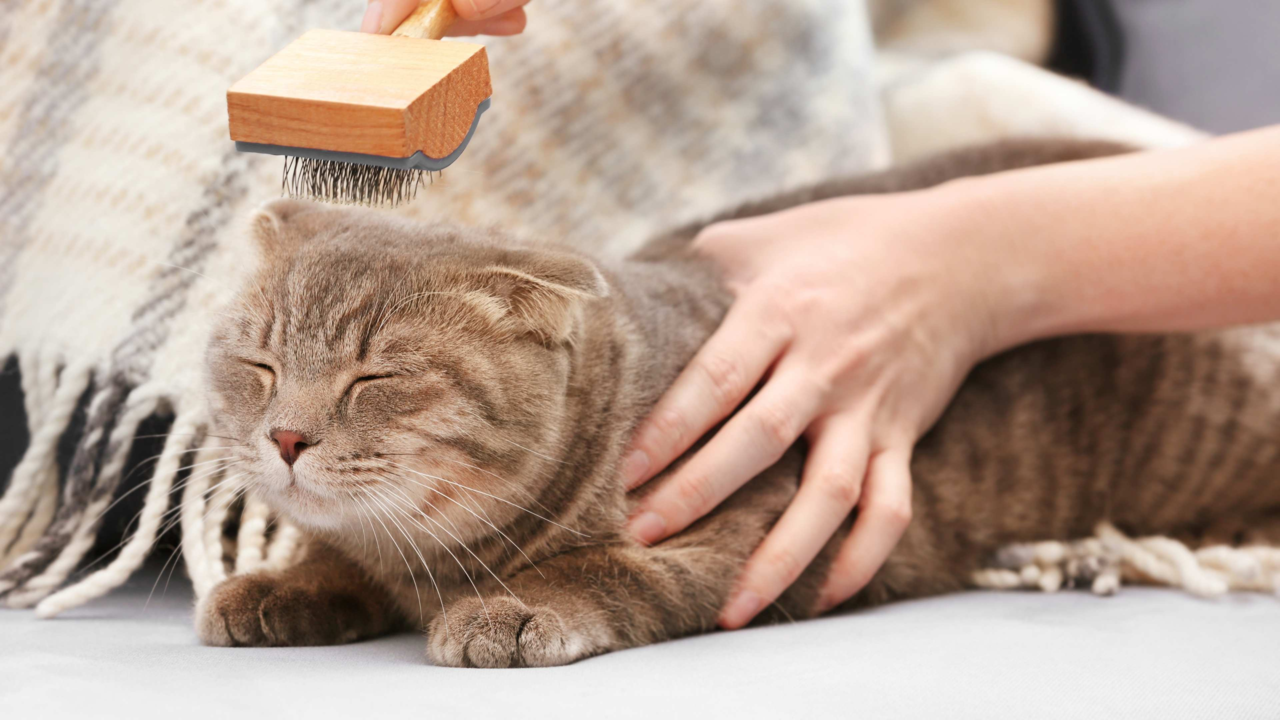
Credit: petdirect.co.nz
Brushing Techniques
Brushing your cat helps keep its coat clean and healthy. It also reduces shedding and hairballs.
Different cats need different brushing styles. Use the right tools and gentle motions for best care.
Selecting The Brush Type
Pick a brush that fits your cat’s fur type. A good brush removes loose hair and dirt.
- Slicker brushes work well for removing mats and loose fur.
- Bristle brushes help spread natural oils and shine the coat.
- Rubber brushes are gentle and good for sensitive skin.
- Comb brushes can help with tangles and mats.
Brushing Short-haired Cats
Short-haired cats need brushing once or twice a week. This keeps their coat smooth and clean.
Use a bristle or rubber brush. Brush gently in the direction of hair growth to avoid skin irritation.
Brushing Long-haired Cats
Long-haired cats need daily brushing. This stops mats and keeps the coat from tangling.
Use a slicker brush or wide-toothed comb. Brush in sections to cover all fur evenly and carefully.
Dealing With Mats And Tangles
Mats and tangles can hurt your cat if not handled gently. Use a comb or mat splitter to work them out.
- Hold the fur near the skin to avoid pulling and pain.
- Start from the edges of the mat and work slowly inward.
- Use pet-safe detangling spray for stubborn mats.
- Cut mats only if you cannot remove them with brushing.
Bathing Your Cat
Bathing your cat at home can help keep them clean and healthy. It also removes dirt, loose fur, and odors.
Many cats do not need frequent baths. Use baths only when necessary to avoid stress.
When To Bathe Your Cat
Bathe your cat only if they are very dirty or smelly. Cats usually clean themselves well.
Bath your cat if they get into something sticky or harmful. Also, bathe them if they have skin problems and your vet says so.
- Cat smells bad or is very dirty
- Cat gets sticky or oily substances on fur
- Vet recommends baths for skin issues
- Long-haired cats with matted fur
Preparing The Bath Area
Choose a small room with a sink or bathtub. Use a non-slip mat to keep your cat from slipping.
Gather all supplies before starting. This helps you stay calm and finish quickly.
- Cat shampoo made for pets
- Warm water
- Non-slip mat
- Towels for drying
- Brush or comb
- Cup or sprayer for rinsing
Step-by-step Bathing Guide
Brush your cat gently before the bath to remove loose fur. This reduces shedding during the bath.
Use warm water to wet your cat slowly. Avoid the head and ears to keep water out.
- Wet the cat’s body with warm water
- Apply small amounts of cat shampoo
- Gently lather the fur, avoiding eyes and ears
- Rinse thoroughly with clean water
- Use a cup or sprayer to rinse well
Keep talking softly to your cat to keep them calm. Move gently and avoid sudden motions.
Drying Your Cat Safely
Wrap your cat in a soft towel right after the bath. Pat the fur dry without rubbing hard.
Use a hairdryer on low and cool settings if your cat allows it. Keep the dryer far from the skin.
- Towel dry gently
- Use hairdryer on low, cool setting if needed
- Keep dryer moving and not too close
- Brush fur after drying to remove tangles

Credit: justcatsclinic.com
Nail Care
Grooming your cat’s nails at home keeps them healthy and prevents damage. Regular nail care stops scratching on furniture and skin.
Learning the right way to trim nails helps your cat stay calm and safe during grooming.
Choosing The Right Clippers
Pick clippers made for cats or small pets. These have sharp blades and a comfortable grip. Avoid using human nail clippers because they can split the nails.
Scissor-style clippers work well for thick nails. Guillotine clippers are good for thin nails and easy to handle.
- Look for sharp, small blades
- Choose a non-slip handle for safety
- Check if the clipper has a safety guard
- Avoid using dull or rusted clippers
Trimming Tips And Techniques
Trim only the sharp tips of your cat’s nails. Avoid cutting the pink part called the quick. Cutting the quick causes pain and bleeding.
Hold the paw gently and press the pad to extend the nails. Cut a small bit at a time. Stop if you see the quick or if the cat pulls away.
- Use a calm voice to soothe your cat
- Trim nails in a well-lit room
- Keep styptic powder nearby in case of bleeding
- Reward your cat with treats after trimming
Handling A Nervous Cat
Stay calm and patient if your cat feels scared. Let your cat sniff the clippers before starting. Use slow, gentle movements to avoid startling them.
If your cat resists, try trimming one or two nails at a time. Take breaks between attempts. Wrapping your cat in a towel can help keep them still.
- Speak softly and offer treats
- Use a towel to gently hold your cat
- Trim nails after a nap when your cat is relaxed
- Ask for help if needed to hold your cat safely
Cleaning Ears And Eyes
Grooming your cat at home is important for its health. Cleaning the ears and eyes helps prevent infections. You can do this safely with the right methods.
Regular checks and gentle cleaning keep your cat comfortable. Learn how to clean ears and eyes the right way.
Safe Ear Cleaning Methods
Use a soft cloth or cotton ball to clean your cat’s ears. Avoid using cotton swabs inside the ear canal. Only clean the outer parts you can see.
- Wash your hands before starting.
- Use a damp cloth or cotton ball with warm water or vet-approved cleaner.
- Gently wipe the outer ear and fold.
- Check for dirt, wax, or odor.
- Do not push anything deep into the ear.
- Stop if your cat shows signs of pain.
Removing Eye Discharge
Eye discharge is normal sometimes but cleaning it keeps your cat’s eyes healthy. Use a soft, damp cloth to wipe away any crust or dirt.
- Use a clean cloth for each eye to avoid spreading germs.
- Moisten the cloth with warm water.
- Gently wipe from the inner corner outward.
- Do not touch the eyeball directly.
- If discharge is thick or colored, contact a vet.
Signs Of Infection To Watch
| Sign | What to Look For |
| Ear Redness | Swelling or bright red skin inside the ear |
| Foul Smell | Bad odor coming from the ears |
| Eye Swelling | Puffy eyelids or redness around the eyes |
| Discharge Color | Yellow, green, or bloody discharge from eyes or ears |
| Excess Scratching | Cat scratching ears or rubbing eyes often |

Credit: www.youtube.com
Dental Care At Home
Keeping your cat’s teeth clean helps them stay healthy. Good dental care stops bad breath and pain.
You can care for your cat’s teeth safely at home. Use simple tools and watch for problems early.
Brushing Your Cat’s Teeth
Brushing removes plaque and keeps teeth strong. Use a soft brush made for cats and special toothpaste.
- Choose a quiet place to brush your cat’s teeth.
- Let your cat smell the toothbrush and toothpaste first.
- Gently lift the lips and brush small circles on the teeth.
- Brush for about one minute, focusing on the outside of teeth.
- Reward your cat with praise or a small treat after brushing.
Using Dental Treats And Toys
Dental treats and toys help clean teeth by reducing plaque. They also make chewing fun for your cat.
- Choose treats designed to reduce tartar build-up.
- Offer toys that encourage chewing and help scrape teeth.
- Make sure treats are healthy and not too high in calories.
- Use these products as a helper, not a replacement for brushing.
Recognizing Dental Issues
Watch your cat for signs of dental problems. Early care can stop pain and infection.
| Sign | What to Do |
| Bad breath | Brush teeth more often, check for plaque |
| Red or swollen gums | Visit a vet for cleaning and treatment |
| Drooling or dropping food | Look for mouth pain, get professional help |
| Loose or broken teeth | See a vet immediately |
Maintaining A Grooming Routine
Grooming your cat regularly helps keep their coat clean and healthy. A routine also makes grooming easier for both you and your cat.
Building a grooming habit creates comfort and trust. Cats respond well to gentle and consistent care.
Setting A Schedule
Choose specific days and times for grooming sessions. Stick to the schedule to make grooming a normal part of your cat’s life.
Short and frequent sessions work best, especially for young or nervous cats. Regular brushing prevents mats and reduces shedding.
- Brush your cat 2-3 times a week
- Check ears and eyes weekly
- Trim nails every 2-3 weeks
- Schedule baths only when needed
Rewarding Your Cat
Use treats and praise to reward your cat after grooming. Rewards make your cat feel safe and happy.
Positive reinforcement helps your cat enjoy grooming time. Keep treats handy and use a soft voice to praise your cat.
- Offer a small treat after brushing
- Speak gently to calm your cat
- Give extra petting for good behavior
- Use favorite toys as a distraction
Adjusting Techniques As Needed
Watch your cat’s reactions during grooming. Change your approach if your cat seems stressed or uncomfortable.
Some cats prefer gentle strokes; others like brushing in one direction. Try different tools and methods to find what works best.
- Use a soft brush for sensitive skin
- Switch to a comb for thick fur
- Brush slowly and gently
- Take breaks if your cat gets restless
Frequently Asked Questions
How Often Should I Groom My Cat At Home?
Groom your cat at least once a week to prevent matting and reduce shedding. Long-haired cats may require more frequent grooming.
What Tools Do I Need To Groom My Cat?
Use a soft-bristle brush, a comb, nail clippers, and pet-safe wipes. These tools help maintain your cat’s coat and hygiene.
How Do I Safely Trim My Cat’s Nails?
Hold your cat gently and clip only the sharp tips of the nails. Avoid cutting the quick to prevent pain and bleeding.
Can Grooming Reduce My Cat’s Hairballs?
Yes, regular grooming removes loose fur, which helps minimize hairballs. Brushing your cat daily is especially effective for long-haired breeds.
Conclusion
Grooming your cat at home can be simple and rewarding. Regular brushing keeps their coat healthy and shiny. Trim their nails gently to avoid scratches. Clean their ears and check for any signs of infection. Bathing is not always needed, but when done, use cat-friendly shampoo.
Patience is key. Your cat might not enjoy it at first. Over time, it gets easier. Remember, grooming strengthens your bond with your cat. It also helps you spot health issues early. Your cat will feel comfortable and loved. Enjoy this special time together.