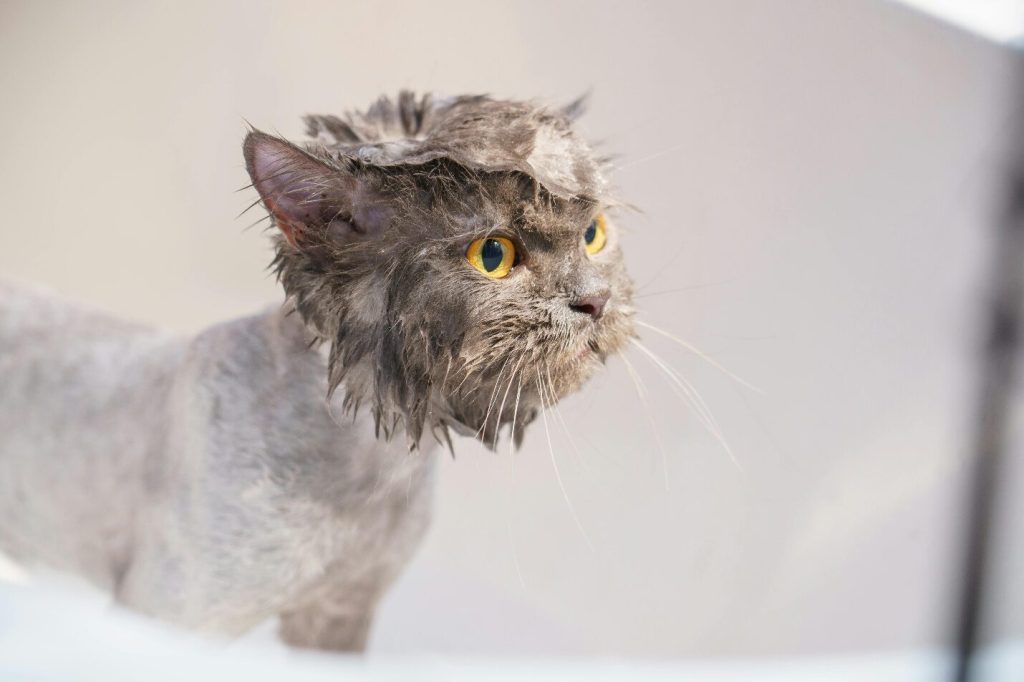
Are you wondering if your cat really needs grooming? You might think cats take care of themselves, but there’s more to it than just licking fur.
Grooming plays a key role in keeping your feline friend healthy and happy. If you want to avoid common problems like matting, hairballs, or skin issues, understanding the importance of grooming is a must. Keep reading to discover how simple grooming habits can make a big difference for your cat’s well-being—and how easy it is for you to help.
Why Grooming Matters
Grooming is important for cats to stay healthy and comfortable. It helps keep their fur clean and skin healthy.
Regular grooming also prevents problems that can cause pain or illness in cats.
Benefits For Cat Health
Grooming supports your cat’s overall health by removing dirt and loose fur. It also helps you spot signs of illness early.
- Reduces shedding around the house
- Prevents skin infections
- Improves blood circulation
- Strengthens the bond between you and your cat
Preventing Hairballs And Mats
Brushing your cat often stops hairballs and mats from forming. Hairballs happen when cats swallow loose hair.
| Problem | Cause | How Grooming Helps |
| Hairballs | Swallowed loose fur | Removes loose fur before swallowing |
| Mats | Tangled fur | Prevents tangles by brushing regularly |
Skin And Coat Care
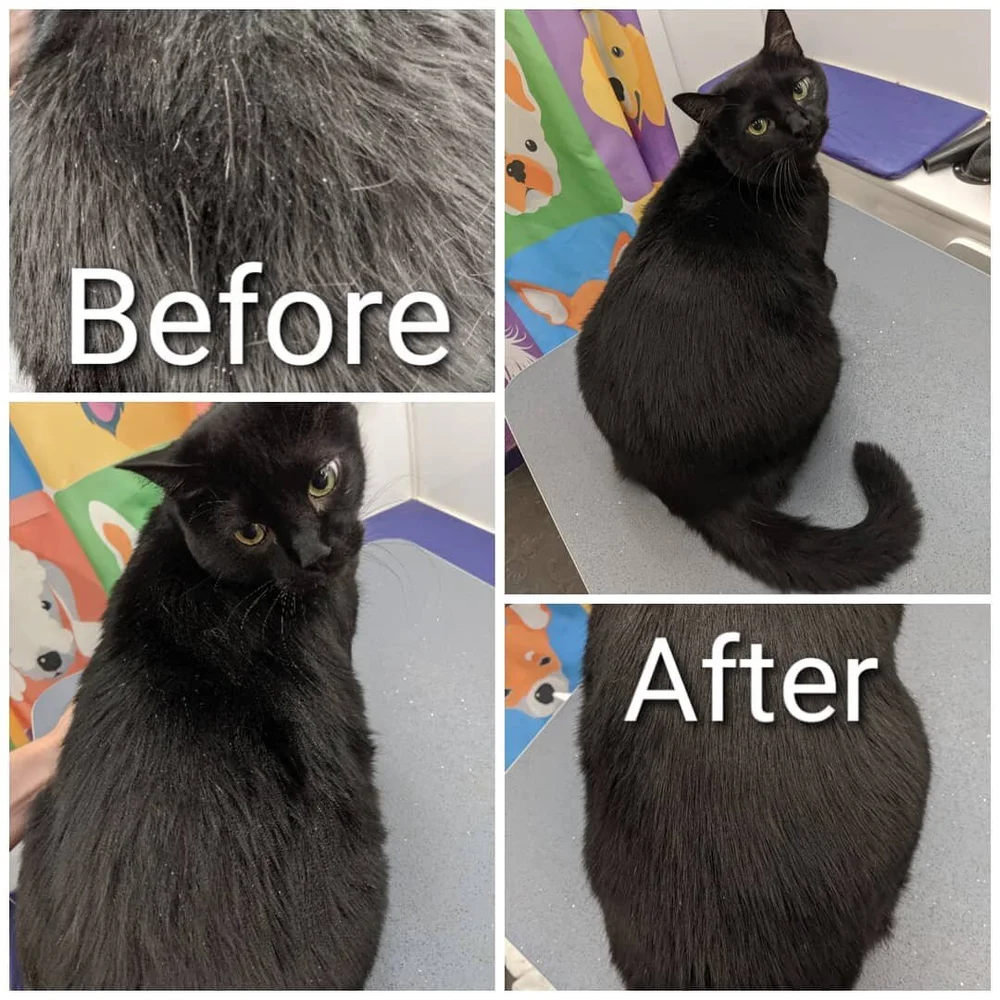
Grooming keeps your cat’s skin clean and healthy. It spreads natural oils in their coat for shine and softness.
- Removes dirt and debris
- Prevents dry, flaky skin
- Checks for fleas or ticks
- Helps spot skin problems early
Credit: www.squeakycleangrooming.com
Grooming Needs By Cat Type
Cats have different grooming needs based on their fur type. Grooming helps keep them clean and healthy. It also reduces hairballs and skin problems.
Understanding these needs helps you care better for your cat. Each type requires special attention to stay comfortable and happy.
Short-haired Cats
Short-haired cats need less grooming than other types. Their fur is easy to maintain and does not tangle often.
- Brush once a week to remove loose hair
- Check for fleas and skin issues regularly
- Use a soft brush to avoid skin irritation
- Bathing is rarely needed unless dirty
Long-haired Cats
Long-haired cats require daily grooming. Their fur can mat and tangle easily without care.
| Grooming Task | Frequency | Reason |
|---|---|---|
| Brushing | Daily | Prevent mats and tangles |
| Bathing | Monthly | Remove dirt and oils |
| Checking for knots | Daily | Keep fur smooth |
| Trimming fur | As needed | Avoid excessive length near eyes and paws |
Hairless Cats
Hairless cats need special grooming because they lack fur. Their skin can get oily and dirty quickly.
Basic hairless cat care tips:
- Wipe skin weekly with a damp cloth
- Use gentle, cat-safe wipes
- Bath every 1-2 weeks to remove oils
- Protect skin from sun with shade or clothing
- Keep nails trimmed to avoid scratches
Essential Grooming Tools
Caring for your cat means regular grooming. Good tools make this easier. The right tools keep your cat clean and healthy.
Each grooming tool has a special job. Knowing which tools to use helps you groom your cat well.
Brushes And Combs
Brushes and combs help remove loose fur and dirt. They stop mats and tangles in your cat’s coat. Choose a brush based on your cat’s fur type.
- Soft bristle brush for short-haired cats
- Wire pin brush for medium to long hair
- Wide-tooth comb to detangle knots
- Rubber brush to remove loose hair
Nail Clippers
Trimming your cat’s nails keeps them from scratching you and damaging furniture. Use nail clippers made for cats. They are safer and easier to handle.
| Type | Best For |
| Scissor-style clippers | Strong nails, precise cuts |
| Guillotine-style clippers | Small nails, easy to use |
| Nail grinders | Smooth edges after clipping |
Ear And Eye Care Supplies
Clean ears and eyes prevent infections. Use gentle supplies made for cats. Check regularly for dirt or redness.
Important supplies include:
- Soft cotton balls or pads for wiping
- Cat-safe ear cleaner solution
- Eye wipes or saline solution

Credit: www.purina.com
How To Groom Your Cat
Grooming helps keep your cat clean and healthy. It also strengthens your bond with your pet.
Regular grooming reduces hairballs and skin problems. Here are simple ways to groom your cat.
Brushing Techniques
Brush your cat gently to remove loose hair and dirt. Use a brush that suits your cat’s fur type.
Start brushing in the direction of hair growth. Be gentle around sensitive areas like the belly and face.
- Use a soft brush for short-haired cats
- Use a comb or slicker brush for long-haired cats
- Brush at least once a week
- Brush more often during shedding seasons
Bathing Tips
Most cats do not need frequent baths. Bathe your cat only if it is very dirty or has fleas.
Use lukewarm water and a cat-friendly shampoo. Avoid getting water in your cat’s ears and eyes.
- Brush your cat before the bath to remove loose hair
- Wet your cat slowly and gently
- Apply shampoo and massage lightly
- Rinse well to remove all soap
- Dry with a towel and keep your cat warm
Nail Trimming Steps
Trim your cat’s nails to prevent scratching and damage. Use sharp, small nail clippers made for cats.
Be careful not to cut the quick. The quick is the pink area inside the nail that has blood vessels.
- Hold your cat’s paw gently
- Press the pad to extend the nails
- Cut only the sharp tip of each nail
- If you see the quick, stop trimming
- Trim nails every 2-3 weeks
Signs Your Cat Needs Extra Care
Cats are usually good at grooming themselves. But sometimes, they need extra care from their owners. Recognizing the signs can help keep your cat healthy and happy.
Look for changes in your cat’s fur, skin, and behavior. These signs can show that your cat needs grooming help or a visit to the vet.
Excessive Shedding
Shedding is normal for cats, but too much can be a problem. Excessive shedding may cause bald spots or mats in their fur. It can also lead to more hair around your home.
- Look for large clumps of fur on your cat or furniture.
- Notice if your cat scratches more than usual.
- Check if your cat grooms less often or misses spots.
Skin Irritations
Skin problems can show up as redness, bumps, or scabs. Your cat might lick or scratch these areas a lot. These signs may mean allergies, parasites, or infections.
| Symptom | Possible Cause |
| Red, inflamed skin | Allergies or irritants |
| Scabs or crusts | Parasites like fleas |
| Dry, flaky patches | Infections or dry skin |
Behavioral Changes
Changes in behavior can mean your cat is not feeling well. Grooming habits may change, or your cat might hide more than usual.
Common behavioral signs include:
- Less grooming or over-grooming
- Increased scratching or biting
- Hiding or avoiding contact
- Changes in eating or sleeping patterns

Credit: www.reddit.com
When To Visit The Vet
Cats groom themselves most of the time. But sometimes they need extra care. Knowing when to visit the vet helps keep your cat healthy.
Some grooming issues show signs of illness. A vet can check if your cat needs treatment or special grooming help.
Professional Grooming Help
Some cats cannot groom well on their own. Older cats or very long-haired cats may need professional grooming. This keeps their fur clean and free from mats.
Visit the vet if your cat struggles to groom. The vet can suggest a professional groomer or give advice for at-home care.
Medical Issues Affecting Grooming
Health problems can stop cats from grooming. Pain, skin problems, or infections make grooming hard or painful for your cat.
Look for signs like bald spots, bad smell, or dirty fur. If you see these, take your cat to the vet for a checkup.
- Arthritis or joint pain makes grooming difficult
- Skin allergies cause itching and hair loss
- Dental problems reduce grooming due to mouth pain
- Parasites like fleas cause discomfort and fur damage
Frequently Asked Questions
Do Cats Need Regular Grooming At Home?
Yes, cats benefit from regular home grooming. It helps remove loose fur, reduces hairballs, and keeps their coat healthy. Brushing also strengthens your bond and allows you to check for skin issues or parasites.
How Often Should You Groom A Cat?
Most cats need grooming once or twice a week. Long-haired breeds may require daily brushing to prevent mats. Short-haired cats usually need less frequent grooming but still benefit from regular brushing.
Can Grooming Prevent Hairballs In Cats?
Yes, grooming reduces hairballs by removing loose fur before cats ingest it. Regular brushing minimizes shedding and helps keep their digestive system clear of fur clumps.
Is Professional Grooming Necessary For Cats?
Professional grooming can help with matted fur or difficult breeds. It also ensures thorough nail trimming and ear cleaning. However, most cats only need regular home grooming.
Conclusion
Cats need grooming to stay healthy and clean. Brushing helps remove loose fur and dirt. It also stops hairballs and matting. Regular grooming keeps their skin fresh and comfortable. Short-haired cats need less care but still benefit. Long-haired cats require more attention to avoid tangles.
Grooming also helps you check for health problems. Spending time grooming builds trust and bond. Make grooming a gentle, calm routine for your cat. Simple care can improve their life and happiness.