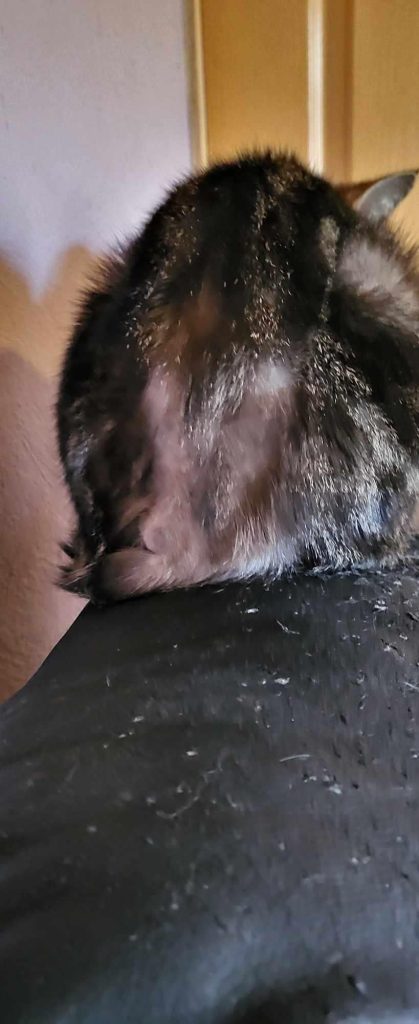
Is your cat licking or biting its fur so much that it’s causing bald spots or irritated skin? Over grooming can be a sign that your furry friend is stressed, uncomfortable, or dealing with health issues.
You want to help your cat feel better, but it’s hard to know where to start. Keep reading, because understanding why your cat overgrooms and learning simple steps to stop it can make a big difference in your pet’s happiness and health.
You’ll find practical tips you can use right away to bring comfort back to your cat’s life.
Causes Of Over Grooming
Over grooming in cats means they lick or scratch themselves too much. This can cause sores and hair loss. Understanding the causes helps you stop this behavior.
Many things can make a cat over groom. Some are physical problems, while others are related to feelings or habits.
Stress And Anxiety
Cats can feel stressed by changes at home or loud noises. Stress makes them lick or bite their fur to calm down.
New pets, moving, or being alone too much can cause anxiety. Over grooming is a way cats try to feel better.
Skin Allergies
Allergies cause itchy skin in cats. They lick or scratch to ease the itch. This can lead to over grooming.
Common allergens include certain foods, pollen, dust, or cleaning products. Allergies may cause redness and bumps.
Parasite Infestations
Parasites like fleas or mites make cats very itchy. Cats groom too much to try to get rid of these pests.
Even if you don’t see parasites, they can hide under fur. Over grooming often signals a parasite problem.
Medical Conditions
Some health issues cause pain or discomfort in cats. Arthritis or skin infections can make cats lick or chew their skin.
Hormone imbalances or nerve problems can also lead to over grooming. A vet check can find these causes.
Behavioral Issues
Some cats develop habits of over grooming without a clear cause. This can be a sign of boredom or frustration.
Behavioral over grooming needs patience and care to change. Giving toys and attention helps reduce this problem.

Credit: www.reddit.com
Recognizing Over Grooming Signs
Over grooming in cats can cause harm to their skin and fur. It is important to notice signs early. This helps you take care of your cat faster.
Watch your cat closely for changes in grooming habits. Look for physical signs and behavior changes that show stress or discomfort.
Bald Spots And Redness
One common sign of over grooming is bald spots on your cat’s skin. These spots appear when hair falls out from too much licking or biting.
Redness around these bald spots shows skin irritation. It means the skin is inflamed and possibly sore. Check areas like the belly, legs, and neck.
Excessive Licking Habits
Notice if your cat licks one spot for a long time. Normal grooming is quick and covers the whole body. Too much licking in one area shows a problem.
Excessive licking can cause wounds or scabs. Your cat might lick until the skin is raw or bleeding. This is a clear sign to watch for.
Changes In Behavior
Your cat’s behavior may change with over grooming. They might seem restless or anxious. Sometimes they hide or avoid playing as usual.
Look for signs like frequent scratching, pacing, or irritability. These behaviors can show stress or discomfort linked to grooming problems.
Skin Irritation Symptoms
Skin irritation from over grooming includes redness, swelling, and dry patches. The skin might feel hot or tender to touch. These signs show your cat needs help.
You may also see small sores, scabs, or crusts. These appear if the cat keeps licking or biting the irritated areas. Watch skin closely for these symptoms.
Environmental Adjustments
Over grooming in cats can be a sign of stress or discomfort. Changing your cat’s environment can help reduce this behavior.
Small adjustments to your home can make your cat feel safer and calmer. This helps stop over grooming.
Creating A Calm Space
Give your cat a quiet place to relax away from noise and activity. A calm space lowers stress and helps prevent over grooming.
Use soft bedding and keep the area clean. Make sure your cat can hide if it wants to feel safe.
Providing Enrichment Activities
Keeping your cat busy with toys and activities reduces boredom. Bored cats often groom too much.
Offer a mix of toys, scratching posts, and climbing spaces to keep your cat interested and active.
- Interactive toys like feather wands or laser pointers
- Scratching posts or pads for nail care
- Cat trees or shelves for climbing and exploring
Maintaining A Consistent Routine
Cats feel safer with a regular daily schedule. Consistent feeding and playtimes reduce anxiety.
Stick to the same times for meals, play, and quiet time. This helps your cat feel more secure.
Reducing Triggers
Identify things that cause your cat stress or discomfort. Removing these triggers helps stop over grooming.
Common triggers include loud noises, other pets, or changes in the home. Watch your cat’s behavior closely.
- Keep loud noises low or use white noise
- Separate your cat from other aggressive pets
- Limit changes to your home environment

Credit: www.reddit.com
Diet And Nutrition Tips
Over grooming in cats can come from diet issues. What your cat eats affects their skin and fur health.
Giving the right nutrients helps reduce itching and licking. This guide covers key diet tips to help your cat.
Identifying Food Allergies
Food allergies often cause cats to over groom. Signs include redness, itching, and hair loss.
- Watch for sudden changes in skin or fur
- Try a limited ingredient diet to spot triggers
- Consult your vet for allergy tests
- Keep a food diary to track reactions
Including Omega Fatty Acids
Omega fatty acids help keep your cat’s skin healthy. They reduce inflammation and dryness.
| Type | Source | Benefit |
| Omega-3 | Fish oil, flaxseed | Reduces inflammation |
| Omega-6 | Chicken fat, sunflower oil | Improves skin barrier |
Hydration Importance
Hydration keeps the skin soft and stops dryness. Dry skin makes cats lick more.
- Provide fresh water daily
- Use water fountains to encourage drinking
- Feed wet food to increase moisture intake
- Avoid too much dry food
Medical Treatments
Over grooming in cats can cause skin damage and hair loss. Medical treatments help find and fix health problems that cause this behavior.
Proper care often starts with a vet’s examination. Medicines and parasite control may be needed to stop over grooming.
Veterinary Diagnosis
A vet checks your cat to find why it over grooms. They look for skin diseases, allergies, or pain. Tests may include skin scrapings or blood work.
Diagnosis helps the vet choose the best treatment. Some causes need medical care, not just behavior changes.
Medications And Topicals
Vets may prescribe medicines to reduce itching or inflammation. These include steroids or antihistamines. Topical creams or sprays can soothe the skin.
Antibiotics treat infections if your cat’s skin is hurt. Follow the vet’s instructions carefully for best results.
- Steroids reduce swelling and itching
- Antihistamines help with allergies
- Antibiotics fight skin infections
- Topical creams soothe irritated skin
Parasite Control
Parasites like fleas or mites cause itching and over grooming. Your vet will check for these pests during the exam.
Using flea control products and cleaning your cat’s environment helps stop parasites. This reduces your cat’s urge to groom too much.
- Flea collars or spot-on treatments
- Regular vacuuming and washing bedding
- Medicated shampoos to kill mites
Behavioral Interventions
Over grooming in cats can be a sign of stress or boredom. Behavioral changes can help reduce this habit.
Using positive methods encourages your cat to feel calm and safe. This helps stop over grooming over time.
Positive Reinforcement
Reward your cat when it shows calm behavior. This teaches your cat to associate good feelings with not grooming too much.
Use treats, praise, or petting to reward your cat. Do this right after your cat stops over grooming.
- Give a small treat when your cat is relaxed
- Use a gentle voice to praise calm behavior
- Offer petting or playtime as a reward
Redirecting Attention
Distract your cat from grooming by offering toys or activities. This helps keep their mind busy and calm.
Try different toys to find what your cat likes. Play sessions can reduce stress and stop excessive grooming.
- Use wand toys to encourage active play
- Offer puzzle feeders to stimulate the mind
- Provide scratching posts to satisfy natural urges
Using Pheromone Products
Pheromone products mimic natural cat scents that make cats feel safe. These can help reduce anxiety and over grooming.
Use diffusers or sprays in areas your cat likes. These products support a calm environment for your cat.
- Plug-in diffusers release calming pheromones
- Sprays can be applied to bedding or favorite spots
- Use products regularly for best results
When To Seek Professional Help
Over grooming in cats can cause problems if it lasts too long. Sometimes, it is hard to stop your cat from licking or biting itself. You may need help from a vet or animal expert.
Knowing when to get professional advice is important. It helps your cat get the right care and feel better faster.
Persistent Symptoms
If your cat keeps over grooming for more than a week, this is a sign to seek help. Persistent grooming can mean there is an underlying problem.
Look for constant licking or biting that does not stop even after trying home remedies. This can cause pain or discomfort for your cat.
- More than 7 days of constant grooming
- Repeated licking or biting same area
- No improvement with basic care
Severe Skin Damage
Severe skin damage is a clear sign to see a vet. Your cat’s skin may be red, raw, or bleeding from over grooming.
Open wounds or hair loss can lead to infections if left untreated. A professional can check and treat the skin properly.
- Bleeding or open sores
- Heavy hair loss in spots
- Red and swollen skin areas
- Scabs or crusts on skin
Emotional Distress Signs
Emotional stress can cause cats to over groom. If your cat shows signs of anxiety or fear, get help.
Changes in behavior, like hiding or aggression, may mean your cat needs support from a vet or behaviorist.
- Hiding or avoiding people
- Sudden aggression or irritability
- Loss of appetite or energy
- Excessive vocalizing or restlessness

Credit: www.reddit.com
Frequently Asked Questions
Why Is My Cat Over Grooming Itself?
Cats over groom due to stress, allergies, or skin issues. It can also signal boredom or pain. Identifying the cause helps in providing proper care and treatment to stop over grooming effectively.
How Can I Reduce My Cat’s Stress To Stop Over Grooming?
Create a calm environment with regular playtime and interaction. Use pheromone diffusers or calming sprays to ease anxiety. Reducing stress often decreases over grooming behavior significantly.
What Home Remedies Help Prevent Cat Over Grooming?
Regular brushing removes loose hair and soothes your cat. Provide enrichment toys and hideouts to reduce boredom. Consult a vet before trying any home remedies to ensure safety.
When Should I See A Vet About My Cat’s Grooming?
Visit a vet if over grooming causes hair loss, sores, or infections. Persistent or worsening behavior needs professional diagnosis and treatment. Early intervention improves recovery chances.
Conclusion
Helping your cat stop over grooming requires patience and love. Identify stressors in their environment. A calming routine can greatly help. Consult your vet for professional advice. They may recommend safe treatments. Always provide a peaceful space for your cat.
Toys and interactive playtime can distract them. This encourages healthy behaviors. Remember, your pet’s well-being is crucial. Keep an eye on their habits. Take small steps each day. Your efforts will pay off. A happy cat is a joy to have.
Stay observant and supportive. Your furry friend will thank you.