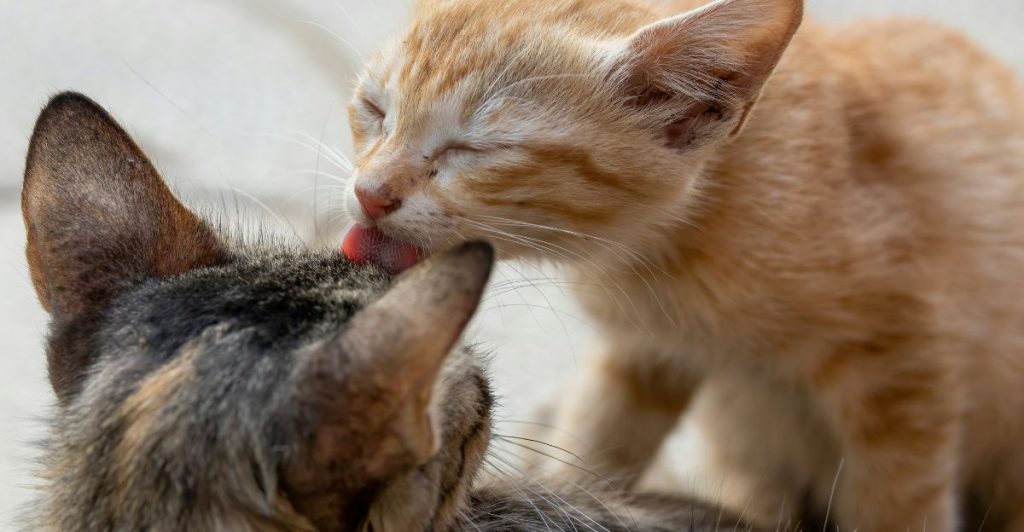
Have you ever watched your cat grooming itself and wondered if there’s more to it than just cleanliness? You might be surprised to learn that grooming can be a way your cat shows dominance.
Understanding this behavior can change how you see your furry friend’s actions and strengthen your bond. Keep reading to discover what your cat’s grooming really means and how it affects their place in the home.
Credit: www.petscare.com
Cat Grooming Behavior
Grooming is an important part of a cat’s daily routine. Cats clean themselves to stay healthy and comfortable.
Some people wonder if grooming shows dominance among cats. Let’s explore what grooming means and how cats use it.
Types Of Grooming In Cats
Cats groom themselves and others in different ways. Grooming helps with cleaning and social bonding.
Self-grooming is when cats lick their own fur. Social grooming is when cats lick each other.
- Self-grooming:Cats use their tongue to clean dirt and loose fur.
- Allogrooming:Cats lick other cats to build trust and friendship.
- Mutual grooming:Two cats groom each other to strengthen their bond.
Frequency And Patterns
Cats groom many times a day. Grooming keeps their fur clean and skin healthy.
Patterns of grooming depend on the cat’s mood, health, and social group. Dominance can sometimes affect grooming order.
- Cats groom more after eating or waking up.
- Dominant cats may groom first or control grooming sessions.
- Grooming helps calm cats and reduce stress.
Social Dynamics In Cats
Cats live in groups with social rules. These rules help keep peace and order. Grooming is one way cats interact.
Understanding grooming shows how cats build bonds and show rank. It is more than just cleaning.
Hierarchy And Dominance
Cats form a social hierarchy to organize their group. Some cats lead, and others follow. Dominant cats often control space and resources.
- Dominant cats may eat first and choose resting spots.
- Lower-ranked cats avoid conflicts by yielding space.
- Hierarchy reduces fights and stress in the group.
- Grooming can show who is higher or lower in rank.
Role Of Grooming In Social Bonds
Grooming helps cats build trust and comfort. Cats lick each other to clean and show care. It strengthens friendships.
| Grooming Type | Meaning |
| Allogrooming | Mutual grooming to build bonds |
| Dominant Grooming Subordinate | Shows control and care |
| Subordinate Grooming Dominant | Shows respect and submission |
| Self Grooming | Personal hygiene and stress relief |
Grooming As A Dominance Signal
Cats groom themselves and others often. This behavior might show more than cleanliness. Some experts think grooming can be a way cats show dominance.
Understanding grooming helps us learn how cats interact. It can reveal social roles and relationships in a group.
Evidence Supporting Dominance Theory
Some studies show dominant cats groom others more than they get groomed. This might mean grooming is a way to control or lead the group.
Dominant cats often start grooming sessions. They may also groom more sensitive spots on others, which could be a sign of authority.
- Dominant cats initiate grooming frequently
- They groom others more than they get groomed
- Grooming targets sensitive areas like the head and neck
- Submissive cats accept grooming without returning it
Contradictory Observations
Not all grooming fits the dominance idea. Sometimes, cats groom each other to build trust and friendship instead of showing power.
Some cats groom equally, without clear leaders. This shows grooming can be about bonding, not just control.
- Grooming can strengthen social bonds
- Mutual grooming is common among friends
- Some cats groom less dominant or equal peers
- Grooming sometimes happens after play or rest
Other Reasons Cats Groom Each Other
Cats often groom each other for reasons beyond dominance. This behavior helps them in different ways.
Understanding why cats groom each other can help you read their social signals better.
Stress Relief And Comfort
Grooming helps cats relax and feel safe. When cats lick each other, it can lower their stress levels.
This act can comfort shy or nervous cats, making them feel part of a group.
Health And Hygiene
Grooming helps cats keep clean, especially in spots hard to reach alone. It removes dirt and loose fur.
- Clears debris from fur
- Reduces parasites like fleas
- Helps with wound cleaning
- Maintains healthy skin
Affection And Trust
Grooming shows strong bonds between cats. It is a way to share affection and build trust.
| Behavior | Meaning |
|---|---|
| Mutual grooming | Close friendship and trust |
| One-sided grooming | Respect and acceptance |
| Grooming kittens | Care and protection |
Interpreting Grooming In Multi-cat Households
Grooming is a common behavior among cats, especially in homes with many cats. It helps keep them clean and builds social bonds.
In multi-cat households, grooming can also show social order. Watching how cats groom each other reveals their relationships.
Behavioral Cues To Watch
Look for signs that show comfort or stress during grooming. Cats that groom calmly usually trust each other.
- Relaxed body posture and soft eyes mean peaceful grooming.
- Tail flicking or ears turned back can signal irritation.
- One cat pushing another away shows discomfort.
- Repeated licking in one spot might show stress or dominance.
When Grooming Becomes Aggressive
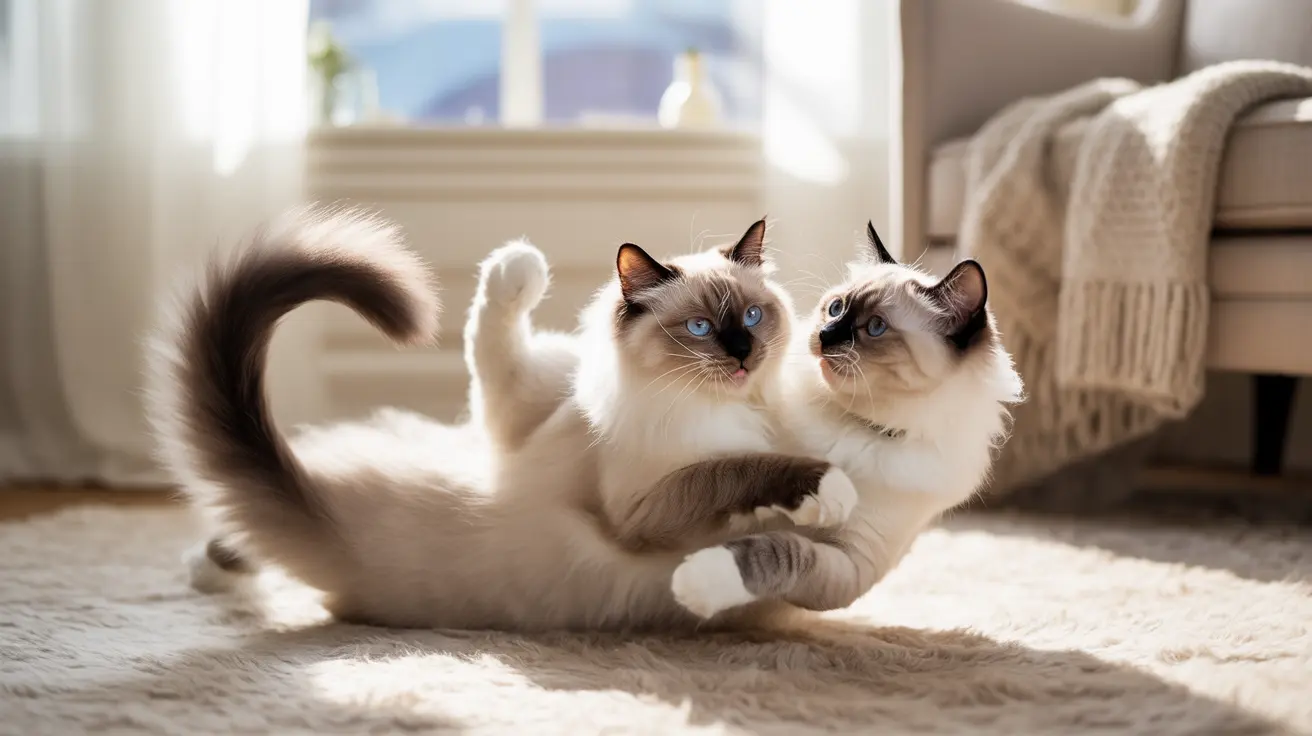
Aggressive grooming happens if one cat wants control. It may cause fear or fights in the group.
| Sign | Meaning | Action |
|---|---|---|
| Biting or scratching | Dominance or anger | Separate cats and watch closely |
| Forced grooming | One cat controls another | Provide safe spaces for each cat |
| Hissing or growling | Stress or warning | Reduce group tension and give breaks |
| Stiff body and wide eyes | Fear or discomfort | Observe and intervene if needed |
Credit: basepaws.com
Expert Insights On Cat Grooming
Cat grooming is more than just a way to stay clean. It can show how cats feel about each other.
Some people think grooming means one cat wants to control the other. Experts share their views on this idea.
Veterinarian Perspectives
Veterinarians see grooming as a normal and healthy behavior. It helps cats keep their fur clean and skin healthy.
They say grooming can also reduce stress and build bonds. But it does not always mean one cat is dominant over another.
- Grooming keeps cats clean and healthy
- It helps lower stress levels
- Grooming can strengthen social bonds
- Not always a sign of dominance
Animal Behaviorist Findings
Animal behaviorists study how cats use grooming to communicate. They see it as a way to show trust and friendship.
Sometimes, grooming may show a mild form of dominance. One cat might groom another to show care or control.
- Grooming shows trust and friendship
- It can signal mild dominance
- One cat may groom to show care
- Grooming is part of cat communication

Credit: www.reddit.com
Frequently Asked Questions
Is Grooming A Sign Of Dominance In Cats?
Grooming in cats can indicate social hierarchy but is not solely about dominance. Cats groom to bond, show affection, and establish trust. Dominant cats may groom submissive ones to reinforce status, but grooming also serves hygienic and comforting purposes within feline groups.
Why Do Cats Groom Each Other Frequently?
Cats groom each other to strengthen social bonds and reduce tension. This behavior, called allogrooming, promotes group cohesion and trust. It helps cats communicate friendliness and maintain peaceful relationships, especially in multi-cat households or colonies.
Can Grooming Indicate Stress Or Anxiety In Cats?
Yes, excessive grooming can signal stress or anxiety in cats. When cats feel uneasy, they may over-groom as a coping mechanism. Watching for bald spots or skin irritation can help identify if grooming is related to stress.
How Does Grooming Affect Cat Social Structure?
Grooming helps establish and maintain social order among cats. Dominant cats often groom subordinates to assert authority. It also reinforces alliances and reduces aggression, creating a balanced and peaceful social environment.
Conclusion
Understanding cat grooming can unravel their behavior mysteries. Cats groom for many reasons. Not just dominance. They might groom to bond or relax. Each cat is unique. Observing their habits helps decode their actions. Building a strong bond with your cat is key.
Spending time together improves understanding. Cats communicate in subtle ways. Paying attention to their grooming habits reveals a lot. It’s a small step to understand them better. Engage with your feline friend. Enjoy the journey of discovery.