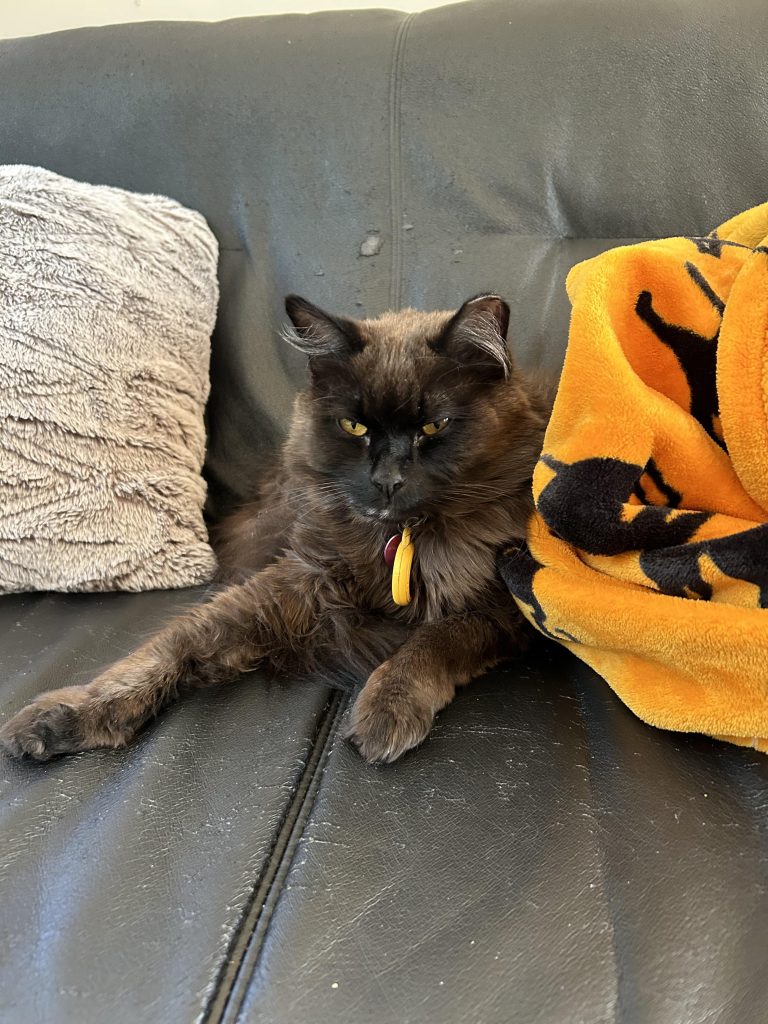
Are you thinking about adopting a cat as an Emotional Support Animal (ESA) but don’t know where to start? Understanding how cat adoption works with ESA status can make the process easier and more rewarding for you.
This guide will walk you through everything you need to know—from choosing the right cat to the important steps that make your new furry friend a certified part of your support system. Keep reading to discover how adopting a cat as an ESA can bring comfort and joy into your life, and how to do it the right way.
Esa Basics
Many people find comfort in pets during hard times. Emotional Support Animals (ESAs) help with mental health needs.
Cats can be ESAs because they provide calm and companionship. Understanding how ESA cat adoption works is important.
What Is An Emotional Support Animal
An Emotional Support Animal helps a person with emotional or mental disabilities. The animal offers comfort through its presence.
Unlike service animals, ESAs do not need special training. They support mental well-being by reducing stress and anxiety.
Benefits Of Esa Cats
ESA cats bring many benefits to their owners. They help lower feelings of loneliness and improve mood.
- Provide companionship and reduce isolation
- Help calm anxiety and stress
- Offer a routine through daily care
- Improve overall mental health and happiness

Credit: my.americanservicepets.com
Adoption Process
Adopting a cat as an Emotional Support Animal (ESA) helps provide comfort and companionship. The process involves finding the right shelter, selecting a suitable cat, and preparing your home for your new friend.
This guide explains how to adopt a cat for ESA use and what steps you need to follow.
Finding Esa-friendly Shelters
Look for shelters that understand ESA needs. Some shelters list pets that are good for emotional support. Contact local animal rescues or check online databases for ESA-friendly cats.
- Search for shelters with ESA policies
- Ask if they have cats used as emotional support animals
- Check if adoption counselors know about ESA requirements
- Visit shelters to meet potential ESA cats
Choosing The Right Cat For Esa
Not all cats suit ESA roles. Choose a cat with a calm and friendly nature. The cat should be comfortable around people and adapt well to new environments.
| Trait | Why It Matters |
| Calm Temperament | Reduces stress for the owner |
| Friendly Behavior | Supports social interaction |
| Low Noise | Prevents causing anxiety |
| Good Health | Ensures long-term support |
Preparing Your Home
Make your home safe and welcoming for your ESA cat. Prepare a space with all essentials before the cat arrives.
Home Preparation Checklist
- Set up a quiet resting area
- Provide clean food and water bowls
- Buy a litter box and place it in a private spot
- Keep toys and scratching posts handy
- Ensure no harmful plants or items are accessible
Esa Documentation
Adopting a cat as an Emotional Support Animal (ESA) needs proper documentation. This paperwork helps prove your cat’s role in your emotional well-being.
Understanding ESA documentation ensures you follow legal rules and protect your rights as a pet owner.
Getting An Esa Letter
An ESA letter is a document from a licensed mental health professional. It states you need an emotional support animal for your health.
This letter must include the professional’s details and explain how the cat helps your condition.
- Must be on the professional’s official letterhead
- Include the date the letter was issued
- State your need for an ESA clearly
- Signed by a licensed therapist, psychiatrist, or psychologist
Legal Rights For Esa Owners
ESA owners have specific rights under federal law. These laws allow you to keep your cat in housing and travel without extra fees.
Knowing these rights helps you avoid problems with landlords and airlines.
- ESA cats are allowed in no-pet housing
- Housing providers cannot charge pet fees for ESAs
- Airlines may allow ESAs on flights with proper documentation
- You must provide an ESA letter when requested
Registering Your Esa Cat
Registering your ESA cat is optional but can help organize your documents. It creates a record linking your cat to your ESA status.
Registration may include an ID card or certificate, which some landlords or airlines accept as proof.
- Choose a reputable ESA registration service
- Keep copies of your ESA letter and registration
- Use registration documents when proving your ESA status
- Remember registration does not replace the ESA letter

Credit: www.reddit.com
Caring For Esa Cats
Emotional Support Animals (ESA) cats need special care to support their owners well. Taking care of these cats helps them stay happy and healthy.
Good care improves the bond between the cat and the owner. It also helps the cat provide comfort effectively.
Daily Care Tips
Daily care keeps ESA cats healthy and calm. Feeding them on time and giving fresh water is important.
Make sure to clean their litter box every day. Regular brushing helps reduce shedding and keeps their coat clean.
- Feed a balanced diet twice a day
- Provide fresh water always
- Clean litter box daily
- Brush fur regularly
- Give a quiet and safe space
Managing Cat Behavior
Understanding ESA cat behavior helps in managing stress and anxiety. Cats may show signs like hiding or meowing loudly.
Use gentle voice and slow movements to calm your cat. Playtime can reduce their stress and improve mood.
- Observe body language for stress signs
- Speak softly and move slowly
- Provide toys for play and exercise
- Respect their need for quiet time
- Reward calm behavior with treats
Health And Veterinary Needs
Regular vet visits keep ESA cats healthy. Vaccinations and flea control protect them from diseases.
Watch for changes in eating, drinking, or litter habits. These may show health problems early.
- Schedule yearly vet check-ups
- Keep vaccinations up to date
- Use flea and tick prevention
- Monitor food and water intake
- Check litter box habits daily
Traveling With Esa Cats
Traveling with an Emotional Support Animal (ESA) cat needs extra care and planning.
You must understand rules and prepare well to make the trip smooth for you and your cat.
Airline Policies
Each airline has its own rules for ESA cats. Check the airline’s policy before booking.
- Most require an ESA letter from a licensed professional.
- Some airlines allow cats to travel in the cabin if in a carrier.
- There may be size and weight limits for ESA cats in cabins.
- Booking in advance can secure space for your cat.
- Fees and documentation rules vary by airline and destination.
Travel Preparation
Prepare your ESA cat and yourself before the trip to reduce stress.
| Task | Details |
| Visit Vet | Get health check and vaccinations. |
| Gather Documents | ESA letter, vaccination records, ID tags. |
| Choose Carrier | Comfortable, well-ventilated, fits airline rules. |
| Pack Supplies | Food, water, litter, toys, cleaning bags. |
| Acclimate Cat | Let cat get used to the carrier before travel. |
Accommodation Tips
Find places that accept ESA cats and make your stay comfortable.
- Call ahead to confirm pet policies.
- Bring familiar items like a blanket or toy.
- Choose quiet rooms away from busy areas.
- Keep the cat’s routine as normal as possible.
- Use a secure carrier or leash when outside the room.

Credit: www.petfinder.com
Common Challenges
Adopting a cat as an Emotional Support Animal (ESA) brings joy and comfort. Still, it comes with some challenges. These challenges affect daily life and the adoption process.
Understanding these issues helps prepare new owners. It also makes caring for an ESA cat easier and more rewarding.
Dealing With Housing Restrictions
Many landlords limit or forbid pets in their properties. Even with ESA rights, some places have strict rules. This can make it hard to find suitable housing.
- Some landlords ask for ESA documentation.
- Others require pet deposits or fees.
- Not all housing accepts cats, even ESAs.
- It may take longer to find pet-friendly homes.
Handling Public Reactions
People often do not understand ESA cats. This can cause unwanted attention or questions in public places. Owners must be ready to explain calmly and clearly.
| Situation | Common Reaction | Helpful Response |
| In a store | Curious looks | Explain the cat helps with emotional support |
| At work | Questions about ESA rights | Share official ESA documentation if needed |
| On public transport | Concerns about allergies | Respect others and follow rules |
Addressing Emotional Needs
ESA cats have special emotional needs. They require patience and love to stay calm and happy. Owners must notice signs of stress or anxiety in their pets.
- Give your cat a quiet, safe space.
- Spend time playing and bonding daily.
- Keep a routine for feeding and care.
- Watch for changes in behavior or mood.
- Consult a vet for health or behavior issues.
Success Stories
Adopting a cat as an Emotional Support Animal (ESA) changes many lives. People find comfort and calm through their new pets. These stories show how ESA cats help their owners feel better.
Each adoption journey is unique. The bond between a cat and its owner grows strong and brings joy. Here are some real-life experiences and tips from ESA owners.
Real-life Adoption Experiences
Sarah adopted a shy cat named Luna. Luna helped Sarah reduce her anxiety. Every day, Luna’s presence made Sarah feel safe and less alone.
John found his ESA, Max, at a shelter. Max’s calm nature helped John deal with PTSD. John says Max listens without judging and gives him peace.
- Luna helped Sarah feel less anxious
- Max supported John through PTSD
- Both cats provide daily comfort and calm
Tips From Esa Owners
Many ESA owners say patience is key. Cats need time to adjust to new homes. Giving your cat space helps build trust over time.
Routine helps both the cat and owner. Regular feeding and playtime create a stable environment. This routine helps cats feel safe.
- Be patient and gentle with your cat
- Keep a regular feeding and play schedule
- Spend quiet time together to strengthen your bond
Frequently Asked Questions
What Is Esa Cat Adoption Process?
ESA cat adoption involves selecting a cat that qualifies as an emotional support animal. You must have a valid ESA letter from a licensed mental health professional. The adoption process includes meeting shelter requirements and ensuring the cat suits your emotional needs.
Can Any Cat Be An Esa?
Not every cat qualifies as an ESA. The cat should provide comfort and emotional support. Your mental health professional will recommend a cat based on your emotional needs. Temperament and behavior play key roles in this selection.
How Do I Get An Esa Letter For Cat Adoption?
You must consult a licensed mental health professional. They assess your mental health and determine if an ESA is beneficial. After evaluation, they issue a formal ESA letter necessary for adopting a cat as an emotional support animal.
Are There Legal Protections For Esa Cats?
Yes, ESA cats have legal protections under the Fair Housing Act. This law allows you to keep your ESA cat in housing with pet restrictions. However, ESAs do not have public access rights like service animals.
Conclusion
Adopting a cat as an ESA can be rewarding. Cats offer comfort and companionship. They help improve emotional health and well-being. The adoption process involves a few simple steps. First, find a reputable shelter or rescue. Then, meet and bond with a suitable cat.
Complete necessary paperwork and pay the adoption fee. Ensure your home is ready for your new friend. Enjoy the love and support they bring into your life. Many find joy and peace with a furry companion. Explore this fulfilling journey today.