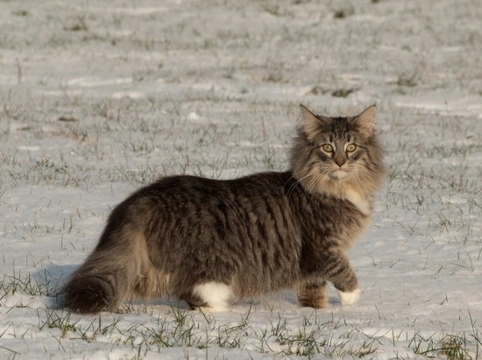
Have you ever wondered which cat breed is the biggest? If you’re curious about giant felines that can fill a room with their presence, you’re in the right place.
Knowing the largest cat breeds can help you decide if one fits your lifestyle or simply satisfy your fascination with these impressive animals. Keep reading to discover which cats stand out not just for their size, but also for their unique personalities and charm.
Your next favorite big cat might be just a few paragraphs away!

Credit: worldanimalfoundation.org
Largest Cat Breeds
Some cats grow bigger than others. Their size can amaze many cat lovers. This article shows five of the largest cat breeds.
Learn about their unique features and what makes them stand out in size and beauty.
Maine Coon
The Maine Coon is one of the biggest domestic cat breeds. They have long, thick fur and bushy tails. Males can weigh up to 18 pounds. Their friendly nature makes them great pets.
Savannah Cat
Savannah cats are tall and slim. They are a mix of domestic cats and wild servals. These cats can reach up to 20 inches in height. They are known for their spotted coats and long legs.
Norwegian Forest Cat
This breed has a thick double coat to survive cold climates. Norwegian Forest Cats are muscular and large. They weigh between 13 and 22 pounds. Their strong claws help them climb trees easily.
Ragdoll
Ragdolls are soft and large cats. They can weigh up to 20 pounds. Their name comes from their relaxed nature. They often go limp when held, like a ragdoll toy.
Siberian Cat
Siberian cats have thick fur to protect them from cold weather. They are strong and agile. These cats weigh between 15 and 20 pounds. Their playful personality is a charm for many owners.
| Breed | Average Weight (lbs) | Height (inches) | Distinctive Features |
| Maine Coon | 13 – 18 | 10 – 16 | Long fur, bushy tail |
| Savannah Cat | 12 – 25 | 14 – 20 | Spotted coat, long legs |
| Norwegian Forest Cat | 13 – 22 | 10 – 16 | Thick double coat, strong claws |
| Ragdoll | 15 – 20 | 12 – 16 | Soft fur, relaxed nature |
| Siberian Cat | 15 – 20 | 11 – 16 | Thick fur, strong and agile |

Credit: worldanimalfoundation.org
Physical Traits Of Giant Cats
Giant cat breeds are known for their impressive size and unique looks. They stand out from regular cats due to their large physical traits.
This article highlights key features like size, body structure, and coat colors of the biggest cat breeds.
Size And Weight
The biggest cat breeds can weigh over 20 pounds. Some males reach up to 30 pounds or more.
- Maine Coon: 13–18 pounds on average, up to 25 pounds for males
- Siberian: 15–20 pounds, with some males heavier
- Norwegian Forest Cat: 13–22 pounds
- Ragdoll: 15–20 pounds
Body Structure
Giant cats have strong, muscular bodies. Their large bones support their heavy weight.
| Breed | Body Type | Notable Features |
| Maine Coon | Long and rectangular | Broad chest, strong legs |
| Siberian | Compact and muscular | Rounded paws, thick neck |
| Norwegian Forest Cat | Robust and sturdy | Strong hind legs, bushy tail |
| Ragdoll | Large and heavy | Floppy when held, thick muscles |
Coat And Colors
Giant cats usually have thick, dense fur to protect them from cold climates. Their colors vary widely.
- Long, flowing fur
- Water-resistant outer layer
- Undercoat for warmth
- Varied colors like brown, black, white, and gray
Temperament Of Large Cat Breeds
Large cat breeds are known not only for their size but also for their unique temperaments. Understanding their personality helps owners provide the best care.
This guide covers personality traits, social behavior, and activity levels of big cats to help you learn about their nature.
Personality Traits
Big cat breeds often have calm and gentle personalities. They tend to be affectionate and enjoy quiet time with their owners.
- Calm and patient
- Loyal and loving
- Quiet but curious
- Sometimes stubborn
- Enjoy close bonds with family
Social Behavior
These cats usually like social interaction but prefer a small circle of people. They can be shy around strangers.
| Behavior | Description |
| With family | Friendly and affectionate |
| With strangers | Reserved and cautious |
| With other pets | Usually tolerant but needs slow introduction |
| Alone time | Enjoys quiet moments to rest |
Activity Levels
Large cats have moderate activity needs. They like to play but also value their rest periods throughout the day.
Here is a simple breakdown of typical activity times for large cat breeds:
- Morning play sessions
- Midday rest
- Afternoon exploration
- Evening relaxation
Care Tips For Giant Cats
Giant cats need special care to stay healthy and happy. Their size affects how you feed and exercise them.
Understanding their diet, activity, and health helps you give the best care possible.
Diet And Nutrition
Large cats need a diet rich in protein and fat to support their size. Balanced meals keep them strong.
- Feed high-quality cat food made for large breeds
- Offer multiple small meals daily
- Include wet food to improve hydration
- Avoid overfeeding to prevent obesity
- Provide fresh water at all times
Exercise Needs
Giant cats need regular exercise to stay fit. Playtime helps keep their muscles strong and joints healthy.
| Type of Exercise | Recommended Time |
| Interactive play (toys, laser pointers) | 15-20 minutes daily |
| Climbing and scratching posts | Available all day |
| Short outdoor walks (if safe) | 10-15 minutes |
Health Concerns
Giant cats face health risks like joint problems and heart disease. Regular checkups help catch issues early.
- Watch for signs of arthritis or stiffness
- Keep vaccinations up to date
- Check for breathing difficulties
- Maintain a healthy weight
- Schedule yearly vet exams
Choosing The Right Giant Cat
Giant cat breeds are amazing pets. They need special care because of their size.
Learning about their needs helps you choose the best cat for your home.
Living Space Considerations
Big cats need more space to move and play. Small homes may not be suitable.
Make sure you have room for a large cat bed, toys, and scratching posts.
- Clear enough floor space for walking and stretching
- Strong furniture to support their weight
- Safe places to climb and rest
Compatibility With Family
Giant cats often have calm and friendly personalities. They can get along well with kids.
Some breeds like Maine Coons are patient and social. Others may need quiet homes.
- Check if family members have allergies
- Teach kids how to handle large cats gently
- Consider other pets and their reactions
Adoption And Breeder Options
Look for reputable breeders or adoption centers. They provide healthy giant cats.
Ask about the cat’s health history and care needs before adopting or buying.
- Visit the breeder or shelter in person
- Check for proper vaccinations and health checks
- Ask about the cat’s temperament and social skills

Credit: www.moneycontrol.com
Frequently Asked Questions
What Cat Breed Is Considered The Largest In Size?
The Maine Coon is widely recognized as the largest domestic cat breed. Adult males can weigh up to 18 pounds or more, with a muscular build and long fur. Their size, friendly nature, and tufted ears make them popular among cat lovers.
How Big Do Maine Coon Cats Usually Grow?
Maine Coons typically grow to 10-16 inches tall and 30-40 inches long, including their tail. Males are generally larger than females. Their weight ranges from 10 to 25 pounds, making them the biggest domestic cats in both length and mass.
Are Savannah Cats Bigger Than Maine Coons?
Savannah cats are also large and can be taller than Maine Coons. However, they are usually leaner and less heavy. While a Savannah’s height can exceed a Maine Coon’s, the Maine Coon is generally bulkier, holding the title for the biggest overall breed.
Do Big Cat Breeds Require Special Care?
Yes, larger cat breeds need more space, a balanced diet, and regular grooming. Their long fur, especially in Maine Coons, requires frequent brushing to prevent matting. They also benefit from interactive play to maintain their health and prevent obesity.
Conclusion
Exploring the biggest cat breeds can be exciting. Maine Coons, Savannahs, and Ragdolls top the list. Each breed has unique traits and personalities. These gentle giants need space and attention. Their size might be intimidating, but their hearts are warm.
Choosing the right breed depends on your lifestyle and preferences. Consider their care needs and your living space. Big cats can bring immense joy and companionship. They are loyal and loving pets. Remember to research and prepare before adopting. Enjoy the journey of discovering your perfect feline friend.
Happy cat hunting!