Have you ever wondered what the term “Big Cat” really means? Whether you’re a wildlife enthusiast or just curious, understanding what makes these majestic animals special can change the way you see the natural world.
You’ll discover the true identity of the Big Cat, why they capture our imagination, and what sets them apart from other creatures. Keep reading—your next fascinating insight about these powerful animals is just ahead.
Big Cat Species
Big cats are large wild cats found in many parts of the world. They are known for their strength, speed, and hunting skills.
These animals play an important role in their ecosystems. Let’s explore some common big cat species.
Lions
Lions live mainly in Africa and some parts of Asia. They live in groups called prides. Male lions have a large mane of hair.
Lions are known as the “king of the jungle” because of their powerful build and loud roar.
Tigers
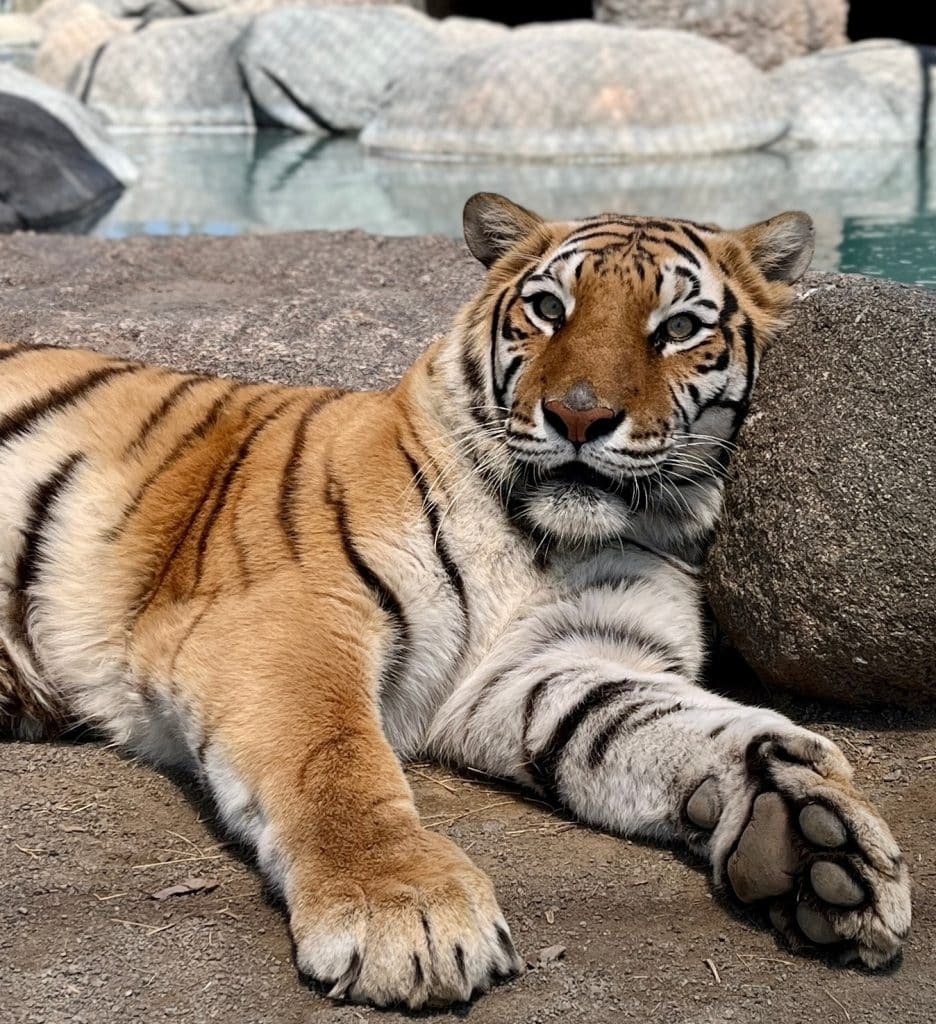
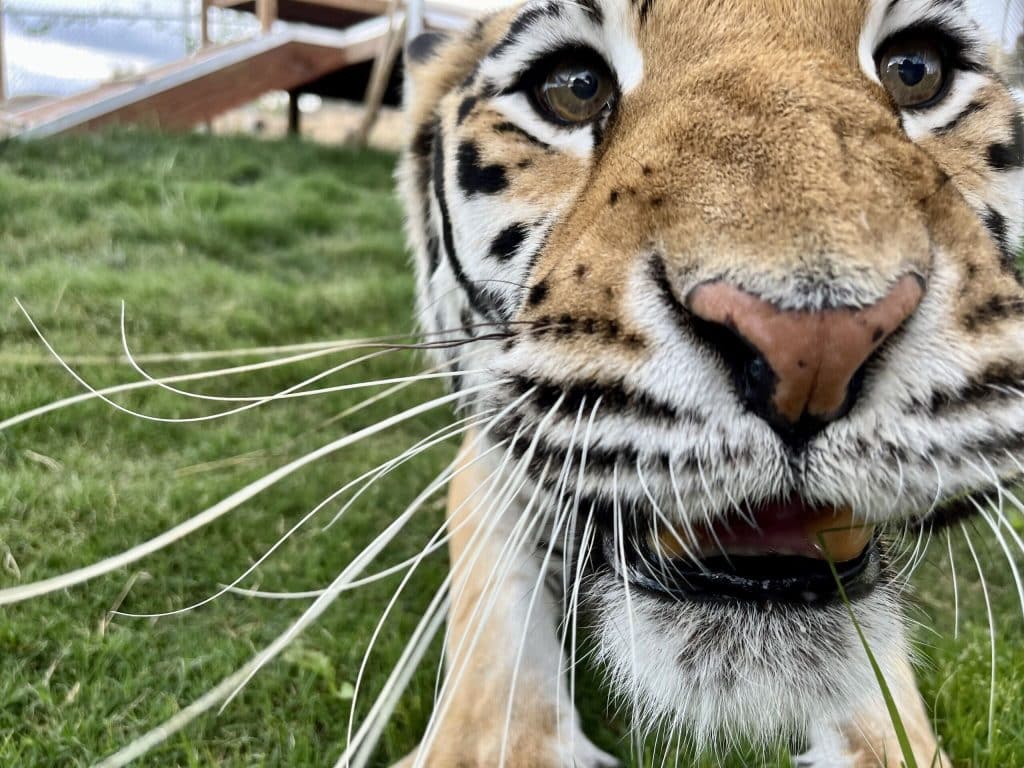
Tigers are the largest big cats. They are found in Asia, mostly in forests. Tigers have striped fur that helps them hide.
They are strong hunters and usually live alone. Tigers are excellent swimmers too.
Leopards
Leopards are found in Africa and Asia. They have spotted coats that help them blend into trees and grass.
Leopards are very good climbers. They often carry their prey up trees to keep it safe.
Jaguars
Jaguars live in the Americas, mainly in rainforests. They have a strong body and a spotted coat. Jaguars are great swimmers.
They are powerful hunters and can bite through turtle shells and bones.
Cheetahs
Cheetahs are the fastest land animals. They live in Africa and parts of Iran. Their slim body helps them run very fast.
Cheetahs have black spots and tear marks on their face. They use speed to catch prey in open areas.
Snow Leopards
Snow leopards live in cold mountain areas in Asia. They have thick fur and long tails for balance. Their spotted coat blends with rocks.
They are shy and hard to see. Snow leopards are good jumpers and hunters in steep terrain.
Cougars
Cougars, also called mountain lions, live in North and South America. They have a plain tan coat and long tail.
Cougars are strong and can jump far. They hunt deer and small animals at night.
Credit: www.lionstigersandbears.org
Physical Characteristics
Big cats are large wild cats known for their strength and beauty. Their physical traits help them survive in the wild.
These traits include size, coat patterns, and special hunting features. Each helps big cats live and hunt well.
Size And Weight
Big cats vary in size but are all much larger than smaller wild cats. They have strong muscles and heavy bodies.
Male big cats usually weigh more than females. Tigers are the largest, while leopards are smaller but still strong.
- Tigers: 220 to 660 pounds
- Lions: 330 to 550 pounds
- Leopards: 66 to 176 pounds
- Jaguars: 100 to 250 pounds
Coat Patterns And Colors
Big cats have different coat colors and patterns. These help them hide in their natural homes.
Some have stripes, others have spots. These designs break their body shape and make hunting easier.
- Tigers have orange coats with black stripes
- Lions usually have plain tan coats
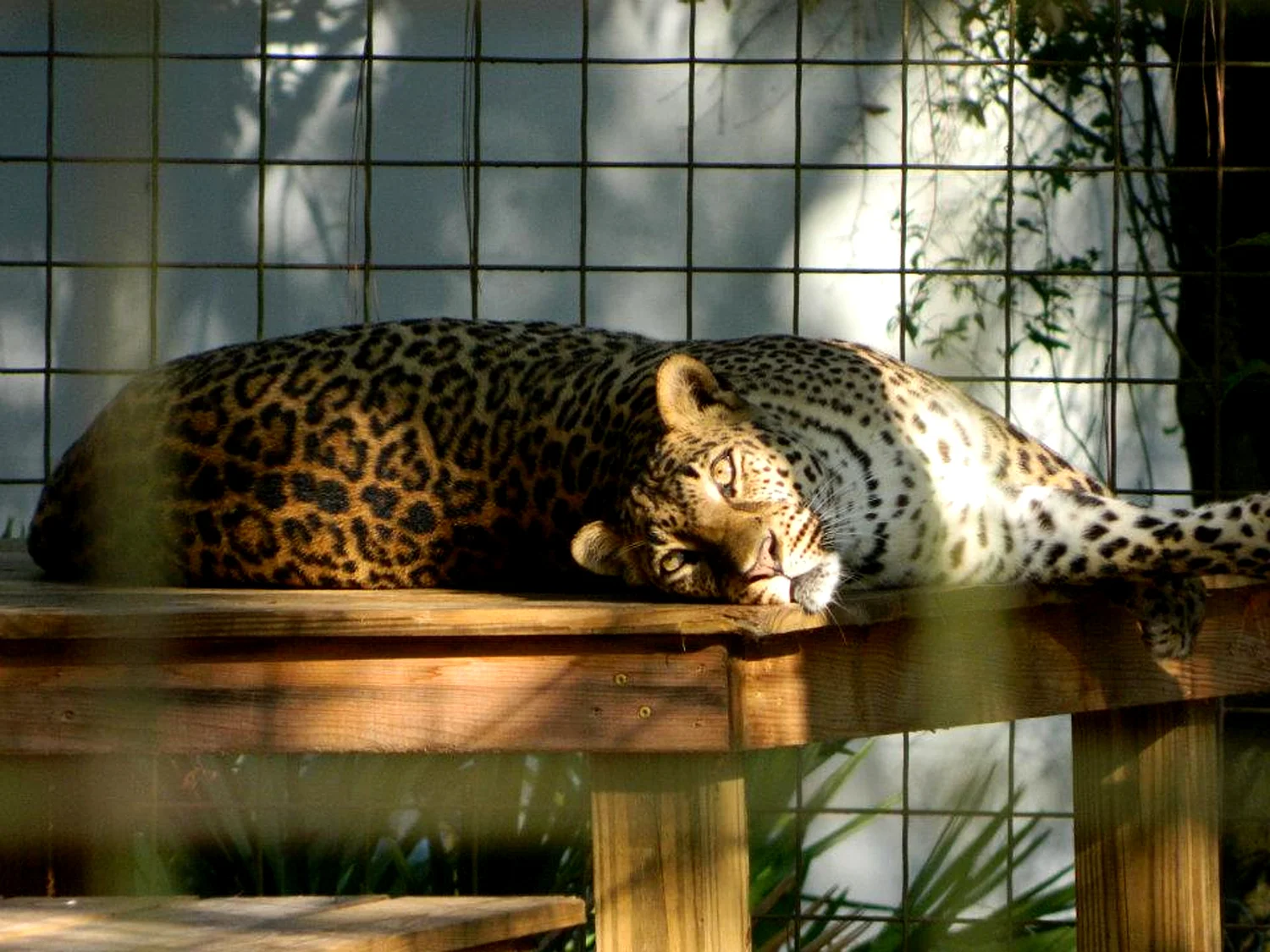
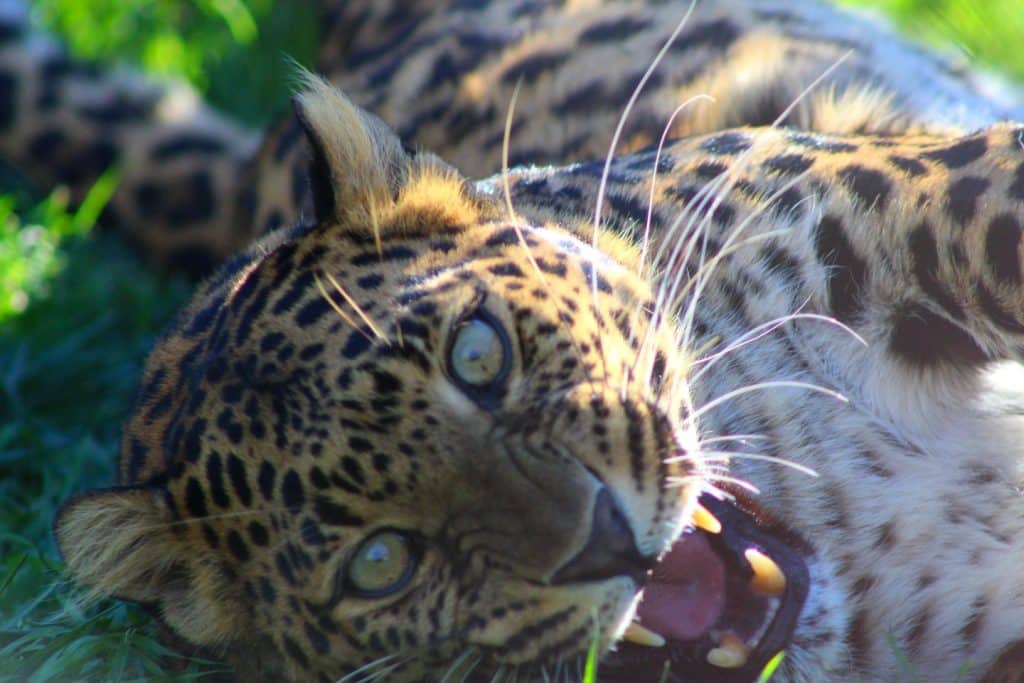
- Leopards have yellow coats with black spots
- Jaguars have larger spots with smaller spots inside
Adaptations For Hunting
Big cats have special body parts for hunting. Their sharp teeth and strong jaws help catch prey.
They have powerful legs to run fast and jump high. Their eyes work well in low light for night hunting.
- Sharp retractable claws for gripping prey
- Strong muscles for quick speed and power
- Excellent night vision to see in the dark
- Whiskers to sense nearby objects
Behavior And Hunting
Big cats are strong and skilled hunters. They use their senses and strength to catch prey. Their behavior helps them survive in the wild.
Each big cat species has unique habits. These habits affect how they hunt and live with others.
Hunting Techniques
Big cats hunt mostly at night or early morning. They use stealth to get close to prey. They wait quietly and then pounce quickly.
Different big cats use different strategies. Some stalk slowly, while others chase fast animals. They use their sharp claws and teeth to catch food.
- Stalking quietly before attacking
- Using speed to chase prey
- Ambushing from hiding spots
- Climbing trees to surprise prey
Territorial Habits
Big cats mark their territory with scent marks and scratches. This warns other cats to stay away. They protect their space from rivals.
Territory size depends on the animal’s food needs. Males usually have larger areas than females. They patrol often to keep control.
- Marking territory with urine and scratches
- Patrolling area to check for intruders
- Defending territory from other big cats
- Adjusting territory size based on food supply
Social Structures
Most big cats live alone except mothers with cubs. They come together only to mate. Cubs stay with their mother until they can hunt.
Some species, like lions, live in groups called prides. Prides help protect territory and young. Social living makes hunting and defense easier.
- Solitary life for most big cats
- Mothers care for cubs alone
- Lions live in groups called prides
- Groups help with hunting and protection
Credit: www.whyanimalsdothething.com
Habitats And Distribution
Big cats live in many places around the world. Their homes depend on food, water, and shelter.
These cats have adapted to different environments. They can be found from flat lands to high mountains.
Savannas And Grasslands
Big cats like lions and cheetahs live in savannas and grasslands. These areas have tall grasses and few trees.
- Open spaces help big cats spot prey from far away.
- Grass provides cover for stalking.
- Water sources attract both prey and predators.
- These habitats face threats from farming and droughts.
Forests And Mountains
Some big cats, like tigers and snow leopards, live in forests and mountains. These areas are dense and cooler.
| Big Cat | Habitat | Climate |
| Tiger | Tropical and temperate forests | Warm to cool |
| Snow Leopard | High mountains | Cold and dry |
| Jaguar | Rainforests | Hot and humid |
Range Across Continents
Big cats live on many continents. Each species has a unique range.
- Africa:Lions mainly live here in savannas and woodlands.
- Asia:Tigers roam forests and grasslands from India to Russia.
- Americas:Jaguars live in rainforests and wetlands in Central and South America.
- Europe:Some big cats once lived here but now are very rare or gone.
Conservation Status
Big cats are large wild cats like lions, tigers, leopards, and jaguars. Many big cats face threats that put their survival at risk.
Scientists watch big cats closely to understand how many live in the wild. They use this information to protect them better.
Threats To Survival
Big cats lose their homes when forests and grasslands disappear. Humans also hunt them for their fur and body parts.
Climate change changes the places big cats live. It makes finding food and water harder for them.
- Habitat loss from farming and cities
- Poaching for illegal trade
- Conflict with people and livestock
- Climate change effects
Conservation Efforts
Many groups work to save big cats. They protect habitats and stop illegal hunting.
People teach local communities how to live with big cats safely. This helps reduce conflicts and saves cats.
- Protecting natural habitats
- Anti-poaching patrols
- Education and community programs
- Research and monitoring of big cat populations
Role Of Wildlife Reserves
Wildlife reserves give big cats safe places to live and hunt. These areas help keep their populations stable.
Reserves also help scientists study big cats. They learn how to protect these animals better over time.
- Provide protected habitat
- Limit human activities harmful to wildlife
- Support breeding and population growth
- Serve as education and research centers
Cultural Significance
Big cats hold an important place in many cultures worldwide. They are often seen as powerful and majestic animals.
These animals appear in stories, art, and traditions. People respect and fear them at the same time.
Mythology And Symbolism
Big cats often symbolize strength, courage, and leadership in myths. They appear as gods, spirits, or protectors in many cultures.
For example, lions represent royalty and bravery in African and European stories. Tigers are seen as symbols of power and protection in Asia.
- Lion: courage, royalty, protection
- Tiger: power, strength, guardian spirits
- Leopard: agility, stealth, nobility
Representation In Media
Big cats appear often in books, movies, and cartoons. They are shown as fierce hunters or wise leaders.
Films use big cats to tell stories about survival, family, and nature. These animals attract attention and show wild beauty.
- Movies show lions as kings of the jungle
- Cartoons use tigers for playful or strong characters
- Documentaries teach about big cats and their habitats
Human-wildlife Interaction
People have lived near big cats for centuries. This created respect and fear between humans and animals.
Big cats face danger because of habitat loss and hunting. Many groups work to protect them and keep nature safe.
- Big cats help balance ecosystems
- Humans sometimes protect or hunt big cats
- Conservation efforts aim to save big cat populations
Credit: www.lionstigersandbears.org
Frequently Asked Questions
What Defines A Big Cat Species?
Big cats are large wild cats belonging to the Panthera genus. They include lions, tigers, leopards, and jaguars. These cats have powerful builds, sharp claws, and strong jaws, making them apex predators in their habitats. Their size and strength distinguish them from smaller wild cats.
Where Do Big Cats Typically Live?
Big cats inhabit diverse regions worldwide. Lions prefer African savannas, while tigers live mainly in Asian forests. Leopards adapt to various habitats, from grasslands to mountains. Jaguars are native to Central and South America. Each species thrives in environments that support their hunting and survival needs.
How Do Big Cats Hunt And Kill Prey?
Big cats use stealth, strength, and speed to catch prey. They stalk silently, get close, and pounce swiftly. Their sharp claws and strong jaws help immobilize and kill prey quickly. Most big cats hunt alone, relying on camouflage and patience to succeed in their hunt.
Are Big Cats Endangered Or Threatened?
Many big cat species face threats like habitat loss and poaching. Tigers and leopards are listed as endangered or vulnerable. Conservation efforts aim to protect their populations and habitats. Maintaining biodiversity is crucial for the survival of these majestic predators in the wild.
Conclusion
Big cats captivate with their power and grace. These majestic animals roam diverse habitats worldwide. From lions on African plains to tigers in Asian forests, each species is unique. They face threats like habitat loss and poaching. Our understanding and protection are vital.
These magnificent creatures need our support. By learning more, we can help preserve their future. Let’s admire and protect these incredible big cats. Their survival depends on our actions today. So, cherish and safeguard these awe-inspiring animals for future generations.