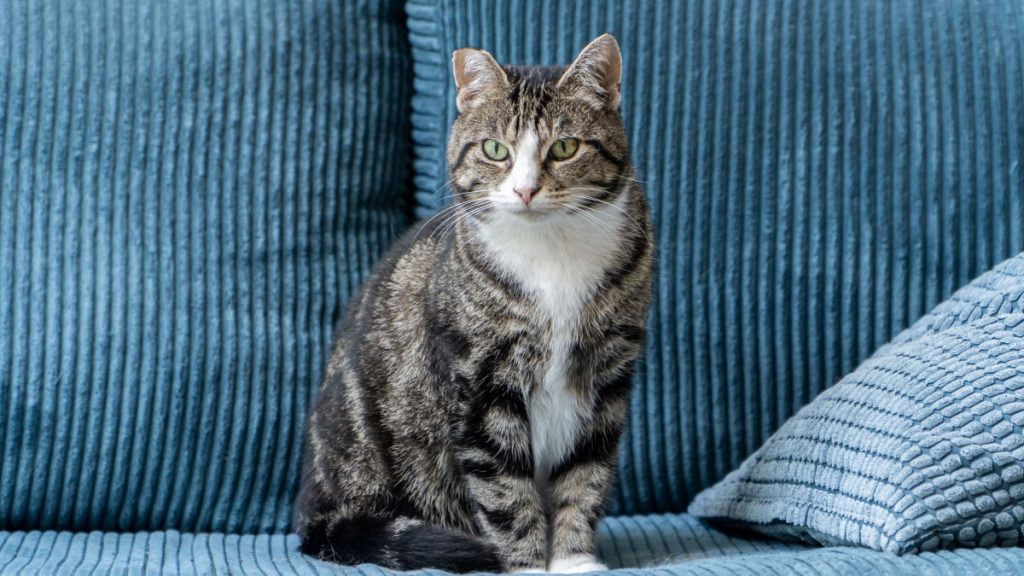
Is your cat scratching up the furniture or knocking things off the shelves? You’re not alone, and it can be really frustrating.
But don’t worry—there are simple ways to stop those bad behaviors before they become a big problem. Imagine a home where your cat behaves well, and you can relax without constant worry. You’ll discover easy and effective tips to gently guide your cat toward better habits.
Keep reading, and you’ll find out how to make your home peaceful again while keeping your furry friend happy.
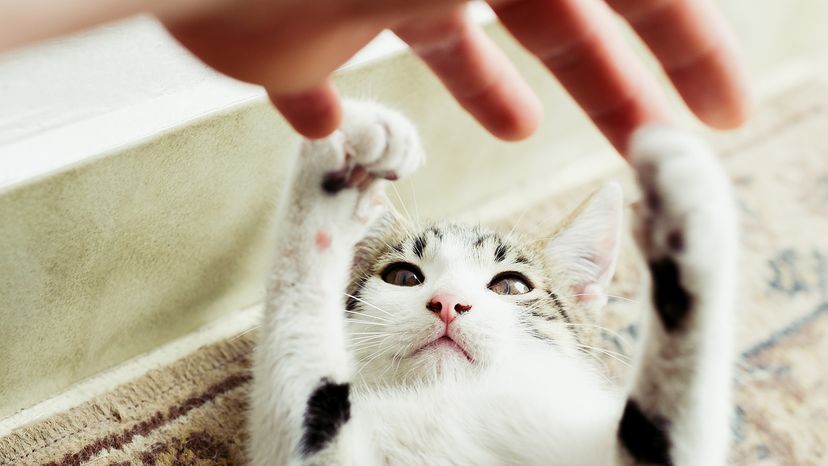
Credit: animals.howstuffworks.com
Common Bad Cat Behaviors
Cats show behaviors that owners may find difficult. These actions can damage property or cause stress. Understanding these behaviors helps find solutions.
This guide covers common bad cat behaviors and tips to handle them. Focus on scratching, aggression, litter box problems, and loud meowing.
Scratching Furniture
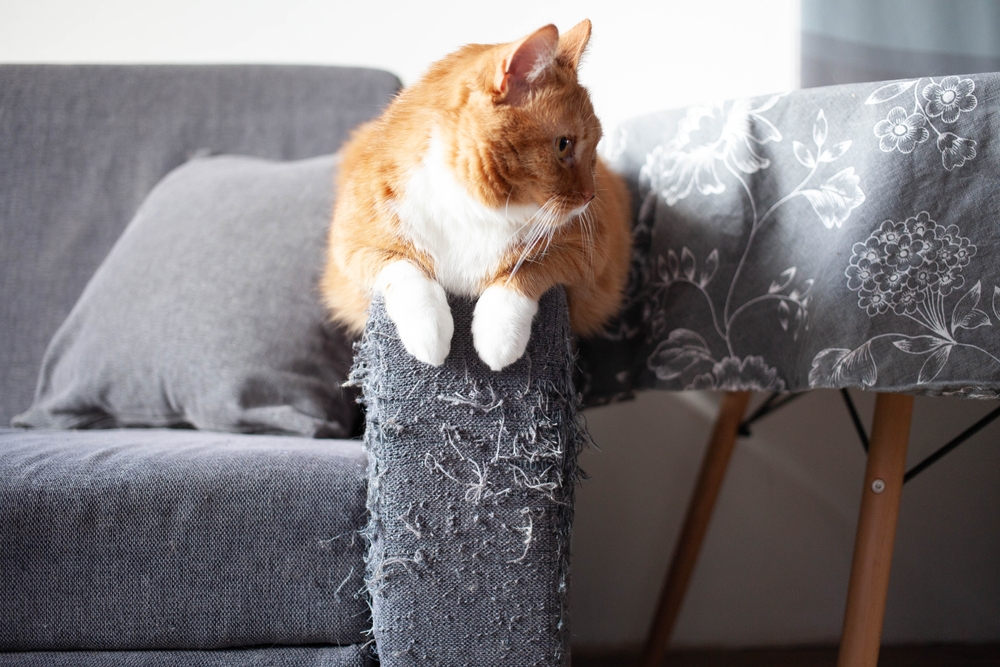
Cats scratch to mark territory and keep claws sharp. Furniture often becomes a target, causing damage.
- Provide scratching posts made of cardboard or sisal.
- Place posts near favorite scratching spots.
- Use cat-safe deterrent sprays on furniture.
- Trim your cat’s nails regularly.
- Reward your cat when it uses the scratching post.
Aggression Towards People
Some cats show aggression by biting or scratching. This can result from fear, pain, or stress.
| Cause | Signs | Solution |
| Fear | Hissing, hiding | Give space, gentle talk |
| Pain | Avoids touch, growling | Visit vet for check-up |
| Overstimulation | Sudden bites | Stop play early |
Litter Box Issues
Cats may stop using the litter box due to health or cleanliness problems. This causes accidents around the house.
Keep the litter box clean and in a quiet place. Use unscented litter and scoop daily. If problems continue, check with a vet.
Excessive Meowing
Some cats meow loudly or often. This may mean they want attention, food, or feel lonely.
- Ignore meows for attention to avoid reward.
- Feed your cat on a set schedule.
- Spend time playing or petting your cat daily.
- Check health if meowing is new or unusual.
Reasons Behind Bad Behavior
Cats can show bad behavior for many reasons. Understanding these reasons helps you fix the problems.
Paying attention to your cat’s actions can reveal what causes the trouble.
Boredom And Lack Of Stimulation
Cats need play and exercise to stay happy. Without enough activity, they may act out.
Bored cats may scratch furniture or bite to get attention.
- Provide toys to keep cats busy
- Play with your cat daily
- Offer climbing spaces or scratching posts
Stress And Anxiety
Changes in the home or loud noises can make cats nervous. Stress causes unwanted behaviors.
Signs include hiding, aggression, or urinating outside the litter box.
- Keep a calm environment
- Use calming pheromone sprays
- Give your cat a quiet space
Health Problems
Pain or sickness can cause cats to behave badly. They may be less friendly or more aggressive.
Watch for changes in eating, drinking, or bathroom habits.
- Visit a vet if behavior changes suddenly
- Keep up with regular health check-ups
- Follow vet advice for treatment
Territorial Instincts
Cats mark their space to feel safe. They may scratch or spray to protect their territory.
New pets or changes can trigger territorial behavior.
- Provide separate spaces for each pet
- Use scratching posts for marking
- Clean areas where cats spray or scratch
Preventive Measures
Bad cat behavior can cause stress for both cats and their owners. Preventing these problems is easier than fixing them later.
Using simple preventive steps helps keep your cat happy and well-behaved. These measures create a good environment for your pet.
Providing Adequate Playtime
Cats need regular play to use their energy in a good way. Playtime stops boredom and reduces bad habits.
Use toys like balls, feather wands, or laser pointers. Play with your cat daily for at least 15 minutes.
- Helps prevent scratching furniture
- Reduces aggressive behavior
- Strengthens your bond with your cat
Creating A Safe Environment
Keep your home safe and calm for your cat. Remove items that can hurt them or cause stress.
Provide scratching posts and cozy resting places. Cats feel more relaxed in a secure space.
- Hide wires and small objects
- Place litter boxes in quiet areas
- Use soft lighting and reduce loud noises
Regular Health Checks
Healthy cats behave better. Take your cat to the vet for regular checkups.
Watch for signs like changes in eating, sleeping, or litter habits. These can show health problems early.
- Vaccinations keep your cat safe
- Treat parasites to avoid itching
- Dental care prevents pain and bad breath
Using Deterrent Tools
Some tools help stop bad behaviors without hurting your cat. Use them to guide your cat gently.
Try items like double-sided tape or motion-activated sprays to protect furniture and plants.
- Place tape on furniture to stop scratching
- Use scents cats dislike, like citrus or lavender
- Provide alternatives like cat trees or mats

Credit: www.amazon.com
Training Techniques That Work
Training your cat helps stop bad behavior. Good techniques make learning easier for your cat.
Use simple and clear methods. Be patient and consistent to see results.
Positive Reinforcement
Reward your cat when it behaves well. This helps your cat learn what is right.
Use treats, petting, or praise as rewards. Give them right after good behavior.
- Give treats for using the scratching post
- Praise when your cat uses the litter box
- Offer petting after gentle play
Redirecting Attention
Stop bad behavior by giving your cat a toy or activity. This shifts their focus.
Offer a toy when your cat scratches furniture. Play with them to use energy well.
- Use feather toys to distract from bad habits
- Provide scratching posts as alternatives
- Engage in regular play sessions
Consistent Routine
Cats learn better with regular schedules. Feed and play at the same times daily.
Consistency reduces stress and confusion. Your cat will know what to expect.
- Feed meals at set times
- Play in the same daily periods
- Keep litter box clean regularly
Ignoring Unwanted Behavior
Do not give attention to bad behavior. Cats often want to get a reaction.
Ignore actions like meowing for food or scratching furniture. Wait for good behavior.
- Do not shout or punish loudly
- Turn away or leave the room
- Reward calm and quiet moments
Products To Help Control Behavior
Cats can sometimes show unwanted behaviors. Using specific products can guide them to act better. These tools help keep your home peaceful and your cat happy.
Below are some helpful items that can reduce bad habits and encourage good ones. Each product targets a different behavior problem.
Scratch Posts And Pads
Scratching is natural for cats, but it can damage furniture. Scratch posts and pads give cats a place to scratch safely. Place them near favorite spots or damaged areas.
Choose posts with different textures to find what your cat likes best. Some have sisal rope, cardboard, or carpet surfaces.
Calming Sprays And Diffusers
Calming sprays and diffusers release scents that reduce stress in cats. These products can help during changes like moving or new pets. Use them in rooms where your cat spends time.
- Sprays can be used on bedding or furniture
- Diffusers plug into outlets for continuous release
- Safe for cats and easy to use
- Help reduce scratching, spraying, and hiding
Interactive Toys
Toys keep cats busy and distracted from bad behavior. Interactive toys move or make noise to catch your cat’s attention. These toys help burn energy and reduce boredom.
| Toy Type | Benefit |
| Laser pointers | Encourage chasing and exercise |
| Feather wands | Stimulate hunting instincts |
| Battery-operated mice | Keep cats entertained alone |
| Puzzle feeders | Engage brain and slow eating |
Noise Deterrents
Noise deterrents stop cats from repeating bad actions. These devices create sounds that cats dislike but are safe. Use them near areas your cat should avoid.
- Ultrasonic sound emitters that only cats hear
- Motion-activated noise makers
- Can be used near furniture or doors
- Help teach cats to stay away from off-limit spots
Credit: justcatsclinic.com
When To Seek Professional Help
Bad cat behavior can be stressful for both you and your pet. Sometimes, simple changes are not enough to fix these problems. Knowing when to get help is important.
Professional advice can guide you to better solutions. Experts understand cat behavior and health deeply. They can offer the right support at the right time.
Behavioral Specialists
Behavioral specialists study animal habits and feelings. They help identify the cause of bad actions. You might need them if your cat shows strong fear, aggression, or stress.
- Your cat attacks people or other pets often.
- Scratching or biting furniture destroys your home.
- House soiling happens even after training.
- Your cat hides or cries all the time.
- Simple training does not change the behavior.
Veterinary Consultation
Sometimes, health problems cause bad behavior. A vet can check if pain or illness is the reason. Cats may act out if they feel unwell or stressed by medical issues.
| Signs to See a Vet | Possible Causes |
| Sudden aggression | Pain or neurological problems |
| Frequent urination outside litter box | Urinary tract infection |
| Loss of appetite | Digestive issues or stress |
| Excessive grooming | Allergies or skin problems |
| Changes in sleeping patterns | Health or anxiety issues |
Training Classes
Training classes help cats learn good habits. They also teach owners how to handle bad behavior. Classes are useful if your cat needs guidance and social skills.
Benefits of Training Classes:
- Learn positive reinforcement techniques
- Improve communication with your cat
- Reduce stress and anxiety behaviors
- Meet other cat owners and share tips
- Get support from professionals
Frequently Asked Questions
How Can I Stop My Cat From Scratching Furniture?
Provide scratching posts and use deterrent sprays on furniture. Trim your cat’s nails regularly. Reward good scratching behavior with treats and praise to encourage positive habits.
Why Does My Cat Exhibit Bad Behavior Suddenly?
Sudden bad behavior can indicate stress, illness, or changes in the environment. Consult a vet to rule out health issues and maintain a consistent routine.
What Are Effective Ways To Train A Misbehaving Cat?
Use positive reinforcement, such as treats and praise, to reward good behavior. Avoid punishment and redirect unwanted actions with toys or distractions.
How Do I Prevent My Cat From Biting Or Scratching People?
Teach gentle play by stopping interaction immediately after biting or scratching. Provide plenty of toys and avoid rough play that encourages aggression.
Conclusion
Understanding cat behavior helps in managing your pet effectively. Consistency is key. Reward good behavior. Use toys and attention as positive reinforcement. Avoid shouting or physical punishment. Cats need patience and time. Observe their patterns closely. Make changes gradually. Adjust your approach based on their reactions.
Ensure they feel safe and loved. A calm environment encourages good behavior. Seek professional advice if problems persist. With understanding and care, you can improve their behavior. Enjoy a happier relationship with your feline friend.