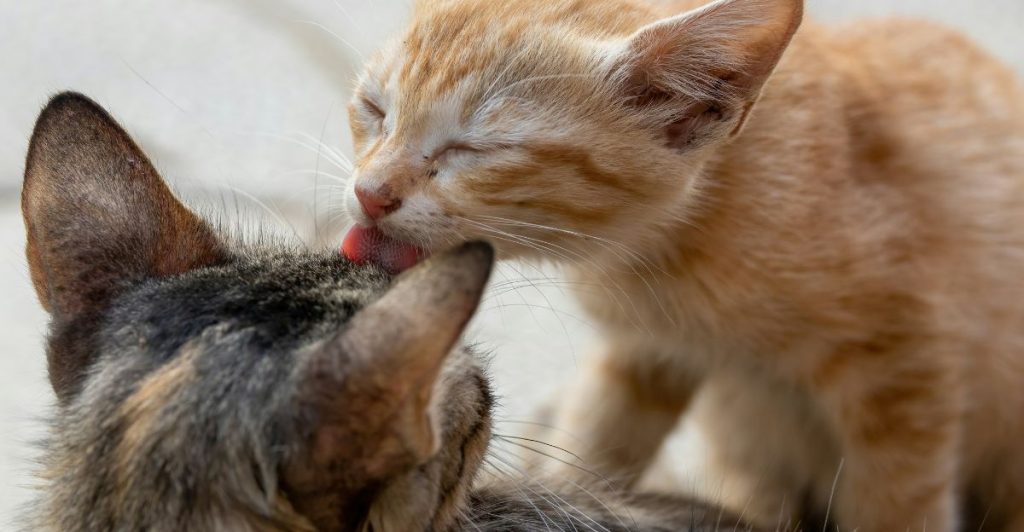
Have you ever watched cats sitting close together, gently licking each other’s fur? It’s a heartwarming sight that makes you wonder—why do cats groom each other?
If you’re curious about what this behavior means for your furry friends, you’re in the right place. Understanding why cats groom each other can reveal a lot about their emotions, bonds, and health. Keep reading, and you’ll discover surprising reasons behind this common yet fascinating habit that could change how you see your cats forever.
Why Cats Groom
Cats groom themselves and each other to stay clean and healthy. Grooming helps remove dirt and loose fur.
It also helps cats cool down and relax. Grooming is an important part of their daily routine.
Benefits Of Grooming
Grooming keeps a cat’s fur soft and shiny. It stops mats and tangles from forming in the fur.
When cats groom each other, it builds trust and friendship. It helps them feel calm and safe.
- Removes dirt and loose hair
- Reduces stress and anxiety
- Strengthens social bonds between cats
- Helps control parasites like fleas
Self-grooming Habits
Cats use their tongues to clean themselves. Their rough tongues help remove dirt and loose fur.
They lick their paws and rub their faces to clean hard-to-reach areas. Grooming happens many times each day.
- Licking fur to remove dirt and loose hair
- Cleaning paws and face carefully
- Stretching and grooming to stay flexible
- Using grooming to calm down and relax
What Is Allogrooming
Allogrooming is when cats groom each other. It is a social behavior. Cats use licking and nibbling to clean one another.
This grooming helps cats bond and build trust. It also keeps them clean and free of pests.
Social Grooming Explained
Social grooming, or allogrooming, is more than cleaning. Cats use it to show friendship and reduce stress. It helps keep peace in groups.
- Strengthens bonds between cats
- Calms anxious or stressed cats
- Helps share scents for group identity
- Reduces fights by showing affection
Common Grooming Partners
Cats often groom close friends or family. Mothers groom their kittens to clean and comfort them. Adult cats may groom their mates or siblings.
| Type of Partner | Reason for Grooming |
| Mother and Kitten | Cleaning and bonding |
| Mates | Strengthen relationship |
| Siblings | Maintain peace and friendship |
| Group Members | Share scent and social status |
Reasons Cats Groom Each Other
Cats often groom each other by licking fur and cleaning hard-to-reach spots. This behavior is called allogrooming.
Grooming helps cats connect and feel safe. It is a natural way they show care and trust.
Strengthening Bonds
Cats groom each other to build strong friendships. This shared activity creates a sense of belonging.
It shows that cats trust each other and enjoy spending time together. Grooming helps keep their relationship close.
Reducing Stress
Grooming lowers stress and anxiety in cats. It helps calm their minds and bodies.
When cats clean each other, they feel safe and relaxed. This reduces tension in their group.
Establishing Hierarchy
Grooming can show social ranking within a group of cats. Higher-ranked cats often groom lower-ranked ones.
This behavior helps keep order and peace among cats. It shows who leads and who follows.
Credit: basepaws.com
How Cats Groom Each Other
Cats often groom each other as a way to bond and show affection. This behavior is called allogrooming.
It helps keep their fur clean and strengthens their social ties within a group.
Techniques Used
Cats use their tongues and teeth to groom each other. Their tongues feel rough because of tiny hooks called papillae.
- They lick the fur to remove dirt and loose hair.
- Gentle nibbling helps untangle knots and remove pests.
- They use their paws to clean hard-to-reach spots after licking.
- Some cats rub their heads and cheeks together as a bonding gesture.
Favorite Spots To Groom
Cats prefer to groom areas that are hard for themselves to reach. These spots are often sensitive and important for comfort.
| Spot | Reason |
| Head and Neck | Hard for cats to reach with their tongues |
| Behind the Ears | Common place for dirt and fleas |
| Base of the Tail | Often itchy or hard to reach |
| Chin and Cheeks | Areas that carry scent glands |
When Cats Refuse To Groom
Cats usually groom themselves and each other to stay clean. Grooming also helps them bond and feel safe.
Sometimes, cats stop grooming or refuse to groom each other. This can be a sign of a problem or stress.
Signs Of Discomfort
A cat may refuse to groom if it feels pain or stress. Watch for signs that show discomfort.
Common signs include changes in behavior or body language.
- Avoiding touch or petting
- Hiding or staying alone
- Growling or hissing when approached
- Stiff or tense posture
- Less movement or playing
Possible Health Issues
Cats may stop grooming because of health problems. Pain or illness can make grooming hard or uncomfortable.
Some health issues to watch for include:
- Skin infections or wounds
- Arthritis or joint pain
- Dental problems
- Parasites like fleas
- Obesity that limits movement
Impact On Cat Relationships
Cats often groom each other, and this behavior affects their relationships. Grooming helps cats connect and show care.
It is not just about cleaning. Grooming builds strong bonds between cats living together.
Building Trust
When cats groom each other, they show trust. This act means they feel safe and comfortable.
Grooming helps cats relax and feel close. It can make shy cats more open to friends.
- Grooming shows friendship
- It reduces stress
- It creates a calm environment
Resolving Conflicts
Cats may groom each other after a fight. This helps solve problems and calm down tensions.
Grooming signals forgiveness and peace. It can stop fights from getting worse.
- Grooming repairs relationships
- It lowers aggression
- It supports group harmony
Tips To Encourage Grooming
Cats often groom each other to build bonds and keep clean. Encouraging this behavior helps keep your cats happy and healthy. Creating the right setting and careful introductions are key to success.
Below are helpful tips on how to support grooming between cats in your home.
Creating A Comfortable Environment
Cats groom more when they feel safe and relaxed. A calm space reduces stress and invites friendly interactions.
- Provide quiet areas with soft bedding.
- Keep litter boxes and food bowls separate to lower tension.
- Use cat pheromone diffusers to create a soothing atmosphere.
- Offer plenty of vertical spaces like shelves or cat trees.
- Maintain a regular routine for feeding and playtime.
Introducing New Cats
Proper introductions help cats accept each other and start grooming together. Take your time and watch their body language closely.
| Introduction Step | What to Do |
| Separate Spaces | Keep cats in different rooms at first with their own food and litter. |
| Scent Exchange | Swap bedding so cats get used to each other’s smell. |
| Short Meetings | Let cats see each other through a barrier briefly. |
| Supervised Interaction | Allow short, calm face-to-face meetings with close monitoring. |
| Increase Time | Gradually extend meetings if cats stay relaxed and calm. |

Credit: www.reddit.com

Credit: www.youtube.com
Frequently Asked Questions
Why Do Cats Groom Each Other?
Cats groom each other to strengthen social bonds and show affection. This behavior, called allogrooming, also helps them clean hard-to-reach areas and reduce stress. It promotes group harmony and trust among cats.
How Often Do Cats Groom Each Other?
Cats groom each other several times a day, especially in close social groups. Grooming frequency depends on their relationship and comfort level. It is common in bonded cats like siblings or cats living together.
Does Mutual Grooming Benefit Cats’ Health?
Yes, mutual grooming helps remove dirt, parasites, and loose fur. It also reduces stress and improves overall hygiene. This behavior supports cats’ physical and emotional well-being.
Can Cats Groom Each Other If They Are Not Related?
Yes, cats can groom each other even if unrelated, as a sign of friendship or trust. Grooming helps build social bonds and eases tension between unfamiliar cats over time.
Conclusion
Cats grooming each other shows their strong bond and trust. This behavior is natural and comforting. It helps in maintaining their hygiene too. Grooming each other strengthens their friendship. Cats feel more relaxed and loved. It also reduces stress and anxiety.
Owners can observe this behavior at home. It’s a sign of a happy cat family. By understanding this, you can appreciate your cats more. Their actions speak louder than words. They show love in their own way. So, next time you see cats grooming, remember they are caring for each other deeply.
A special connection indeed.