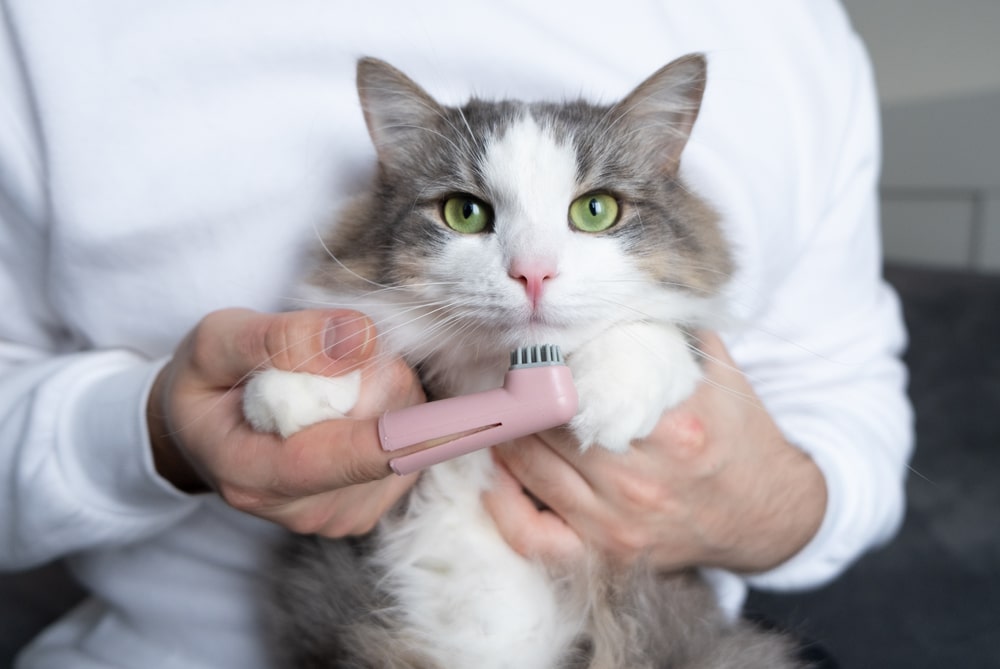
Grooming your cat isn’t just about keeping them looking good—it’s a way to boost their health and strengthen the bond you share. But how do you groom your cat without stressing them out or missing important steps?
Whether your furry friend has short hair or a thick coat, knowing the right techniques can make all the difference. Keep reading, and you’ll discover simple, effective tips that will make grooming easier for both you and your cat. Your pet will thank you with purrs and playful cuddles!
Benefits Of Regular Grooming
Grooming your cat regularly helps keep it healthy and happy. It also keeps your home cleaner by reducing loose fur. Taking time to groom is good for both you and your pet.
Regular grooming prevents problems and builds trust between you and your cat. Here are some key benefits of making grooming a habit.
Health Improvements
Brushing your cat removes dirt and dead skin. It also helps spot fleas, ticks, and skin problems early. Grooming improves blood flow and keeps the coat shiny.
- Removes loose hair and dirt
- Detects skin issues early
- Prevents matting and tangles
- Stimulates blood circulation
- Keeps coat healthy and shiny
Bonding With Your Cat
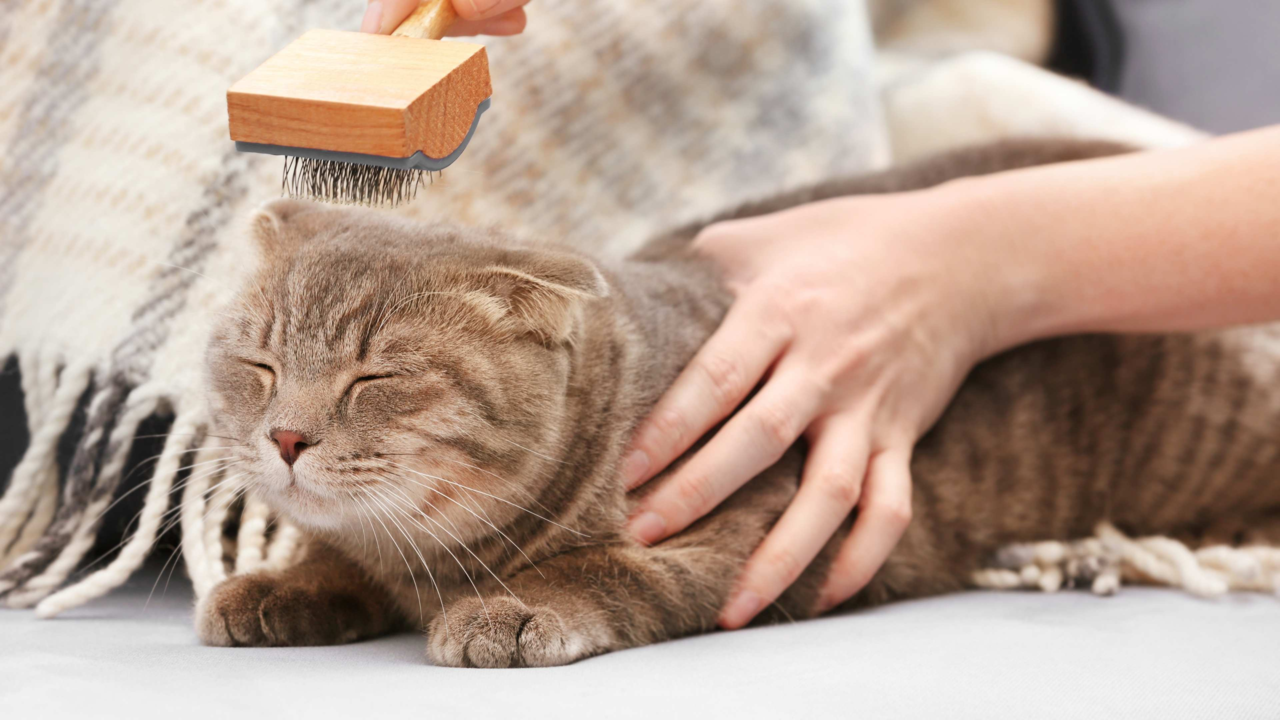
Grooming is a quiet time to connect with your cat. It helps your cat feel safe and loved. This shared time builds trust and reduces stress for both of you.
Try to:
- Choose a calm, quiet place
- Speak softly during grooming
- Use gentle strokes and brushes
- Give treats to reward good behavior
Reducing Shedding
Regular grooming cuts down on loose hair. This means less hair on your clothes and furniture. It also helps prevent hairballs that can upset your cat’s stomach.
| Grooming Frequency | Shedding Reduction |
| Daily | High |
| 2-3 times a week | Moderate |
| Once a week | Low |
Credit: petdirect.co.nz
Essential Grooming Tools
Grooming your cat keeps it healthy and comfortable. Using the right tools makes grooming easier and safer.
Different tools help with brushing, trimming nails, and cleaning ears and eyes. Each tool has a special purpose.
Brushes And Combs
Brushes and combs remove loose fur and dirt from your cat’s coat. They also prevent hairballs and matting.
Choose a brush or comb based on your cat’s fur type. Short-haired cats need different tools than long-haired cats.
- Slicker brushes remove tangles and loose fur.
- Bristle brushes smooth the coat and add shine.
- Wide-tooth combs help with thick or matted fur.
Nail Clippers
Nail clippers keep your cat’s claws at a safe length. Long nails can scratch people and damage furniture.
Use clippers made for cats. They fit the small, curved shape of cat nails. Trim nails carefully to avoid hurting your cat.
- Guillotine clippers have a hole for the nail and a blade that cuts.
- Scissor clippers look like small scissors but are strong.
- Electric nail grinders smooth nails instead of cutting.
Ear And Eye Care Supplies
Cleaning your cat’s ears and eyes helps prevent infections. Use gentle supplies made for pets.
Soft cloths and cotton balls are good for wiping. Special ear cleaners keep ears clean and fresh. Use eye wipes to clear dirt and discharge.
- Ear cleaner solution for safe ear cleaning.
- Soft cotton balls or pads for wiping ears and eyes.
- Pet-safe eye wipes to remove debris around the eyes.
Brushing Techniques For Different Fur Types
Grooming your cat keeps its coat clean and healthy. Different fur types need different brushing methods. Use the right tools and techniques for best results.
Regular brushing reduces hairballs and prevents skin problems. It also strengthens your bond with your cat.
Short-haired Cats
Short-haired cats have sleek coats that need less brushing. Use a soft bristle brush or rubber mitt. Brush in the direction of hair growth to remove loose fur and dirt.
- Brush two to three times a week
- Use gentle strokes to avoid skin irritation
- Focus on areas behind ears and under the chin
- Check for fleas or skin problems during brushing
Long-haired Cats
Long-haired cats need daily brushing to prevent tangles. Use a wide-toothed comb first, then a slicker brush to smooth the coat. Be gentle near sensitive areas.
| Tool | Purpose | How to Use |
|---|---|---|
| Wide-toothed comb | Remove large tangles | Comb slowly through fur in sections |
| Slicker brush | Smooth coat and remove loose hair | Brush gently following hair direction |
| Pin brush | Final smoothing and shine | Brush lightly over entire coat |
Dealing With Mats And Tangles
Mats and tangles cause discomfort and skin issues. Use patience and proper tools to remove them. Avoid pulling hard to keep your cat calm.
- Hold the fur close to the skin to reduce pulling
- Use a detangling spray if needed
- Work on small sections one at a time
- Use a mat splitter or dematting comb carefully
- If mats are too tight, consult a groomer or vet
Bathing Your Cat Safely
Bathing a cat can be tricky but is sometimes needed. It helps keep your cat clean and healthy.
This guide shows when to bathe your cat, how to do it step-by-step, and how to dry your cat safely.
When To Bathe
Most cats clean themselves well and rarely need baths. Bathe your cat only if:
- Your cat got into something sticky or smelly
- Your cat has fleas or skin problems (ask your vet)
- Your cat has long fur that gets dirty easily
- Your cat is very old or sick and cannot clean itself
Step-by-step Bathing Guide
- Brush your cat to remove loose fur and knots
- Fill a sink or tub with warm water, about 3 inches deep
- Place a rubber mat inside to prevent slipping
- Gently wet your cat with a cup or sprayer
- Use a small amount of cat-safe shampoo and lather carefully
- Avoid the cat’s face, ears, and eyes
- Rinse your cat thoroughly with warm water
- Wrap your cat in a towel to keep warm
Drying Tips
| Drying Method | Tips |
|---|---|
| Towel Dry | Use a soft towel and gently pat your cat dry. Avoid rubbing hard. |
| Hair Dryer | Use on low heat and low speed. Keep the dryer far from fur to avoid burns. |
| Natural Air Dry | Keep your cat in a warm room until fully dry. Avoid cold drafts. |
Always stay calm and speak softly to your cat during and after the bath. This helps reduce stress.
Trimming Nails Without Stress
Trimming your cat’s nails can be tough. Many cats do not like their paws touched. Doing this calmly helps keep your cat relaxed.
With patience and the right steps, nail trimming can be easier for both you and your cat.
Preparing Your Cat
Start by choosing a quiet place. Make sure your cat feels safe. You can pet your cat gently to help it relax before you begin.
- Handle your cat’s paws daily to get it used to touch.
- Use soft voices and calm movements.
- Have treats ready for positive reward.
- Pick a time when your cat is calm or sleepy.
Proper Nail Cutting Method
Use a sharp cat nail clipper. Hold the paw gently and press to show the nail. Cut only the tip, avoiding the pink quick inside.
| Tool | Purpose |
|---|---|
| Cat nail clipper | Cut nails cleanly and safely |
| Styptic powder | Stop bleeding if nail is cut too short |
| Soft towel | Wrap cat if needed to keep still |
Handling Difficult Cats
Some cats resist nail trimming. Stay calm and take breaks if your cat is stressed. Try wrapping your cat in a towel for safety.
Tips for difficult cats:
- Ask a helper to gently hold the cat.
- Trim one or two nails at a time.
- Use treats to reward good behavior.
- Speak softly and move slowly.
- If needed, consult a vet or groomer.
Cleaning Ears And Eyes
Grooming your cat includes cleaning their ears and eyes. This helps keep them healthy and comfortable. Dirt and wax can build up and cause problems.
Regular cleaning prevents infections and irritation. Use gentle methods to avoid hurting your cat.
Signs Of Issues
Watch for signs that your cat’s ears or eyes need attention. Early spotting can help avoid serious problems.
- Redness or swelling around the ears or eyes
- Discharge that is yellow, green, or has a bad smell
- Frequent scratching or pawing at ears or eyes
- Visible dirt or wax buildup inside the ears
- Squinting or blinking more than usual
- Head shaking or tilting
Safe Cleaning Practices
Use soft materials and safe products to clean your cat’s ears and eyes. Be gentle and calm to keep your cat comfortable.
- Use a clean, damp cloth or cotton ball for the eyes
- Use a vet-approved ear cleaner for the ears
- Clean only the outer ear canal, not deep inside
- Wipe away dirt carefully without pressing hard
- Hold your cat steady but gently during cleaning
- Stop if your cat shows pain or discomfort
- Consult a vet if you see signs of infection
Creating A Grooming Routine
Grooming your cat keeps it healthy and happy. A regular routine helps your cat feel comfortable.
Start slowly and be gentle. This builds trust and makes grooming easier over time.
Frequency Recommendations
How often you groom depends on your cat’s fur type. Short-haired cats need less grooming.
Long-haired cats need daily brushing to avoid mats and tangles. Check their coat often.
- Short-haired cats: groom once a week
- Long-haired cats: groom every day or every other day
- Older or sick cats: groom more often for comfort
Making Grooming Enjoyable
Use treats and soft voices to help your cat relax. Praise your cat during and after grooming.
Choose a quiet place with good light. Stop if your cat shows signs of stress and try again later.
- Brush gently to avoid hurting your cat
- Use combs and brushes suitable for your cat’s fur
- Take short breaks if your cat gets restless
- Offer treats to reward calm behavior

Credit: www.youtube.com
When To Seek Professional Help
Grooming your cat can be easy at home most days. Some situations need a professional groomer’s skill. Knowing when to get help protects your cat’s health and comfort.
Look for signs that you cannot handle safely or effectively. A groomer has the right tools and experience for tricky grooming tasks.
Recognizing Grooming Challenges
Some grooming problems require expert care. Watch for these challenges that mean it is time to call a professional:
- Matted fur that is tight and painful
- Excessive shedding or hair loss
- Skin wounds or infections
- Very long or thick nails
- Unusual behavior or stress during grooming
If your cat shows signs of pain or fear during grooming, a professional can help make the process safer and calmer.
Choosing A Groomer
Pick a groomer who knows how to handle cats gently and carefully. Check if they offer these services and qualities:
| Service | What to Look For |
| Experience | Years working with cats and good reviews |
| Safety | Use of calm methods and clean tools |
| Special Needs | Ability to groom cats with health or behavior issues |
| Comfort | Quiet, clean, and cat-friendly environment |
Ask about pricing and appointment times. A good groomer will answer questions and explain the process clearly.
Credit: tryfurgo.com
Frequently Asked Questions
How Often Should I Groom My Cat?
Groom your cat at least once a week to remove loose fur and dirt. Long-haired cats may need daily grooming. Regular grooming prevents matting and reduces shedding. It also helps monitor your cat’s skin health and detect any issues early.
What Tools Do I Need For Cat Grooming?
Use a soft-bristled brush for short hair and a comb for long hair. Nail clippers, grooming gloves, and pet-safe wipes are also helpful. Choose tools designed specifically for cats to ensure safety and comfort during grooming sessions.
How Do I Make Grooming Enjoyable For My Cat?
Create a calm environment and use gentle strokes while grooming. Offer treats and praise to build positive associations. Keep sessions short initially and gradually increase time as your cat gets comfortable. Patience and consistency are key to enjoyable grooming.
Can Grooming Reduce My Cat’s Shedding?
Yes, regular grooming removes loose fur and reduces shedding. Brushing helps prevent hairballs and keeps your cat’s coat healthy. Consistent grooming also distributes natural oils, promoting a shiny and smooth coat. This benefits both your cat and your home cleanliness.
Conclusion
Grooming your cat strengthens your bond. It keeps their coat healthy. Regular brushing reduces shedding and hairballs. Clean their ears and trim their nails. These steps prevent infections and discomfort. Bathing is rarely necessary but do so gently if needed.
Use cat-friendly products always. Pay attention to changes in their fur or skin. It may signal health issues. Make grooming a calm and enjoyable routine. It benefits both you and your cat. Happy grooming means a happy cat. Keep it simple and consistent.
Your feline friend deserves the best care.