Have you ever wondered why your cat suddenly starts purring, or why it hides when guests arrive? Understanding your cat’s behavior can feel like solving a mystery.
But once you learn the signs and signals your furry friend gives, you’ll build a stronger bond and create a happier home for both of you. You’ll discover simple ways to read your cat’s body language and moods. By the end, you’ll feel more confident in knowing what your cat really wants and needs.
Ready to unlock the secrets of your cat’s behavior? Let’s dive in.
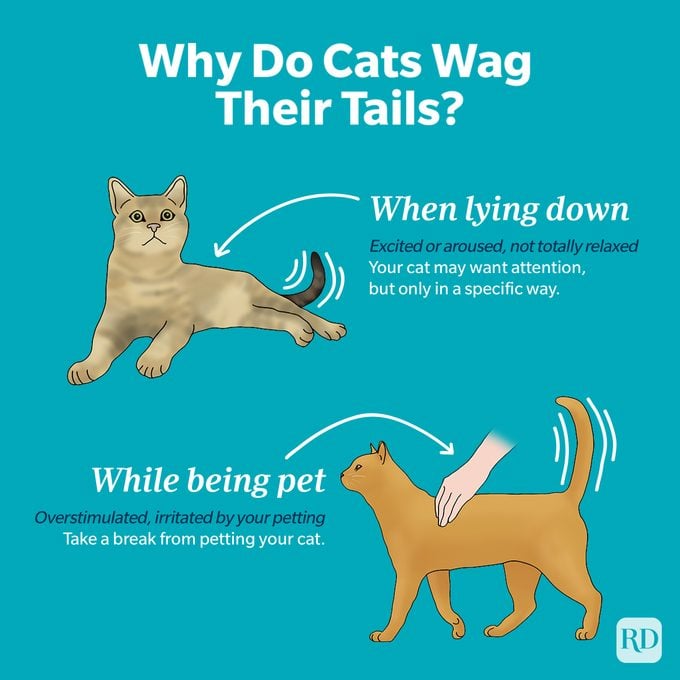
Credit: www.rd.com
Cat Body Language
Understanding cat body language helps you know what your cat feels. Cats use their body to share their mood and intentions.
Watching their body signals can improve your bond and keep your cat happy and safe.
Tail Signals
A cat’s tail shows many feelings. Its position and movement tell if the cat is happy, scared, or angry.
A high tail means the cat is confident and friendly. A low or tucked tail shows fear or submission.
- Tail straight up: Happy and confident
- Tail puffed up: Scared or threatened
- Tail twitching: Annoyed or focused
- Tail wrapped around another cat or you: Friendly and calm
Ear Positions
Cats move their ears to listen and to show feelings. The ear position tells a lot about their mood.
Forward ears mean the cat is interested or curious. Flattened ears show fear or anger.
- Ears forward: Alert and happy
- Ears sideways or “airplane” ears: Annoyed or cautious
- Ears flat against head: Scared or angry
- One ear back, one ear forward: Unsure or curious
Eye Contact
Eye contact is important in cat communication. Cats use their eyes to express trust or warning.
Slow blinking shows the cat feels safe and trusts you. Staring can be a challenge or fear sign.
- Slow blink: Relaxed and trusting
- Wide open eyes: Alert or scared
- Half-closed eyes: Content and calm
- Staring: Warning or challenge
Whisker Movements
Whiskers help cats sense the world and show emotions. Their position changes with the cat’s mood.
Whiskers pushed forward mean curiosity or excitement. Whiskers pulled back show fear or stress.
- Whiskers forward: Interested or hunting
- Whiskers relaxed: Calm and happy
- Whiskers pulled back: Scared or defensive
- Whiskers twitching: Excited or annoyed
Vocalizations And Their Meanings
Cats use many sounds to talk with people and other animals. Each sound has a special meaning. Learning these sounds helps us understand cats better.
This guide explains common cat sounds. You will learn why cats meow, purr, hiss, and growl.
Meowing Types
Cats meow to get attention or share feelings. Different meows mean different things.
- Short meow:A simple greeting or hello.
- Multiple meows:Excited or happy to see you.
- Long drawn-out meow:Requesting food or help.
- Low-pitched meow:Feeling annoyed or upset.
- Loud meow:Demanding immediate attention.
Purring Reasons
Purring is a soft sound cats make by vibrating their throat. It often shows contentment but can mean other things.
| Reason | Meaning |
| Contentment | Cat feels happy and relaxed. |
| Healing | Purring may help cats heal faster. |
| Stress | Cat uses purring to calm itself. |
| Pain | Sometimes cats purr when they feel pain. |
Hissing And Growling
Hissing and growling warn others to stay away. These sounds show fear or anger.
When you hear hissing or growling:
- Give the cat space and time to calm down.
- Do not try to touch or pick up the cat.
- Check for anything causing stress or pain.
- Speak softly to avoid making the cat more upset.
Common Cat Behaviors
Cats have many behaviors that help them communicate and stay healthy. Learning these behaviors helps you understand your cat better.
Some common cat actions show their feelings or natural instincts. Watching these can tell you what your cat needs.
Kneading And Scratching
Kneading is when cats push their paws in and out on soft surfaces. This shows comfort and helps them mark their space.
Scratching sharpens their claws and marks territory. It also helps stretch their muscles and relieve stress.
- Kneading means your cat feels safe and happy
- Scratching stops claws from growing too long
- Provide scratching posts to protect furniture
Hunting Instincts
Cats have strong hunting instincts even if they live indoors. They like to stalk, pounce, and chase moving things.
This behavior helps them stay active and sharp. It also satisfies their natural need to hunt small animals.
- Use toys that mimic prey to engage your cat
- Hunting play reduces boredom and stress
- Respect their need to chase and catch
Play Patterns
Cats play in short bursts with lots of energy. They like to pounce, bat, and chase toys or objects.
Play helps cats exercise and learn social skills. It also builds trust between you and your cat.
- Offer a variety of toys for different play styles
- Play at your cat’s pace to keep it fun
- Use playtime to bond and reduce stress
Social Interactions
Cats communicate in many ways. Understanding their social behavior helps you read their feelings.
Social interactions include how cats greet, mark territory, and bond with humans.
Greeting Rituals
Cats use special behaviors to say hello. They may rub their head or body on you.
Tail position and eye contact also show friendliness. A slow blink means trust.
- Rubbing heads or cheeks
- Slow blinking at you
- Tail held up straight
- Soft meowing or purring
Territorial Marking
Cats mark areas to show they belong there. This helps reduce conflicts with other cats.
They use scent glands on their face and paws to leave their smell on objects.
- Rubbing face on furniture or people
- Scratching to leave scent on surfaces
- Spraying small amounts of urine
- Leaving fur in certain spots
Bonding With Humans
Cats form strong bonds with their owners. They show affection in many small ways.
Playing, grooming, and sitting close are signs your cat feels safe and loved.
- Purring when near you
- Following you around the house
- Grooming or licking your skin
- Resting on your lap or next to you
Signs Of Stress And Anxiety
Cats can feel stress and anxiety just like people do. It is important to know the signs. This helps you keep your cat happy and healthy.
Stress can change how cats act. You might see new behaviors that seem unusual. Watching closely helps you understand what your cat needs.
Hiding Spots
One sign of stress is when cats hide more than usual. They look for quiet and safe places to feel secure. This can be under furniture or in small boxes.
Hiding helps cats avoid things that scare them. If your cat hides often, it might be feeling anxious or upset.
Aggressive Behavior
Stress can make cats act aggressive. They may hiss, scratch, or bite more. This is their way to protect themselves when they feel unsafe.
Watch for sudden changes in how your cat behaves around people or other pets. Aggression is a clear sign of anxiety.
Changes In Appetite
When cats feel stressed, they may eat less or more than usual. Some stop eating completely. Others may eat too fast or want extra food.
Changes in appetite can affect your cat’s health. Keep an eye on eating habits and talk to a vet if needed.

Credit: www.amazon.com
Tips To Build Trust
Understanding cat behavior helps you build a strong bond with your pet. Trust is key to a happy relationship.
Use simple ways to gain your cat’s trust. This guide shows easy tips to help you connect.
Respecting Boundaries
Cats need space and time to feel safe. Respect their limits and avoid forcing contact.
Watch their body language. Signs like tail flicking or ears back mean they want space.
- Let the cat approach you first
- Do not hold or pet if it resists
- Give them quiet areas to retreat
Positive Reinforcement
Reward good behavior with treats or gentle praise. This helps cats learn what you like.
Use small treats and soft voices. Avoid yelling or punishment as it breaks trust.
- Give treats after calm interactions
- Praise with soft words and petting
- Be patient and consistent
Creating A Safe Space
Cats feel secure in quiet, comfortable areas. Provide a cozy bed or hiding spot.
Keep their food, water, and litter box nearby. A safe space helps them relax and trust you.
- Choose a quiet corner for their bed
- Use soft blankets or cushions
- Place food and water close by
- Keep the area clean and calm
Credit: www.whiskas.com.ph
Frequently Asked Questions
What Are Common Signs Of Happy Cat Behavior?
Happy cats purr, knead, and gently blink their eyes. They also play actively and seek your attention often. These signs show comfort and trust in their environment and with you.
How Do Cats Communicate Their Mood?
Cats use body language like tail position, ear shape, and eye contact to express feelings. Vocalizations like meows and purrs also reveal moods. Understanding these cues helps you respond appropriately.
Why Do Cats Knead On Soft Surfaces?
Kneading is a comforting behavior from kittenhood. Cats do it to mark territory with scent glands and to show contentment. It often means your cat feels safe and relaxed.
What Does A Cat’s Tail Position Indicate?
A raised tail usually means a happy or confident cat. A low or tucked tail signals fear or anxiety. Tail flicking can indicate irritation or excitement. Observing tail movements helps decode their emotions.
Conclusion
Understanding cat behavior enriches your bond with your feline friend. Observing their actions gives insights into their world. Cats communicate through body language, meows, and purrs. Recognizing these signals helps in responding appropriately. Patience is key when learning about your cat.
Each cat has unique traits and needs. Respect their individuality and create a safe environment. With time, you’ll notice improved interactions. Enjoy the journey of getting to know your cat. Their quirks will surely bring joy. Remember, happy cats mean happy owners.
Keep learning and observing every day. Your cat will appreciate your efforts.