Is your cat peeing on your clothes and leaving you frustrated? You’re not alone, and this problem can feel overwhelming.
But don’t worry—there are simple, effective steps you can take to stop this behavior for good. Imagine opening your closet without worrying about unpleasant smells or stains. You’ll discover practical tips that work, helping you protect your clothes and keep your home fresh.
Keep reading, and you’ll learn exactly what to do to solve this messy problem once and for all.
Reasons Cats Pee On Clothes
Cats sometimes pee on clothes for different reasons. Understanding these reasons helps you stop this behavior.
Some causes come from health problems. Others relate to how cats feel or act.
Medical Issues
Health problems can make cats pee outside the litter box. Urinary tract infections and bladder stones are common causes. If your cat pees on clothes suddenly, see a vet.
Behavioral Causes
Sometimes cats pee on clothes because of behavior. They may dislike the litter box or feel bored. Poor litter box cleaning can cause this too.
- Avoid dirty litter boxes
- Provide enough litter boxes for multiple cats
- Use litter your cat likes
- Play with your cat to reduce boredom
Stress And Anxiety
Stress makes cats act out. Changes in the home or new pets can cause anxiety. Cats may pee on clothes to show stress or seek comfort.
Territorial Marking
| Marking Reason | Behavior Description |
|---|---|
| New cat in home | Cats pee on clothes to claim territory |
| Outside cats nearby | They mark to warn other cats |
| Stress from environment | Marking helps feel safe |
Credit: www.walmart.com
Immediate Steps To Take
Dealing with a cat peeing on clothes is frustrating. Acting fast helps stop bad habits.
Follow these steps to clean clothes, remove smells, and protect your space.
Clean Soiled Clothes Properly
Wash clothes quickly to prevent stains and odors. Use cold water first to avoid setting the stain.
- Rinse clothes with cold water.
- Use an enzyme-based detergent designed for pet stains.
- Wash on a heavy-duty cycle.
- Air dry to avoid heat setting any stains.
Remove Odors Completely
Odor removal stops cats from returning to the same spot. Use natural and safe products.
| Product | Use | Notes |
| White Vinegar | Spray or soak | Neutralizes ammonia smell |
| Baking Soda | Sprinkle on dry clothes | Absorbs odors |
| Enzyme Cleaner | Apply on affected areas | Breaks down urine molecules |
Isolate Affected Areas
Keep your cat away from dirty clothes and affected spots while you clean.
Try these tips to isolate clothes and areas:
- Use laundry baskets with lids.
- Close doors to bedrooms or closets.
- Place clean clothes in sealed bags.
- Offer your cat a clean litter box nearby.
Litter Box Solutions
Cats may pee on clothes if they dislike their litter box. Fixing the litter box can stop this behavior. Good litter box habits help cats feel safe and clean.
Focus on the litter type, box placement, cleanliness, and number of boxes. These changes help your cat use the litter box properly.
Choose The Right Litter
Cats prefer litter that feels soft and smells clean. Try different types to find what your cat likes best. Avoid scented litters if your cat seems sensitive.
- Clumping clay litter is easy to clean
- Natural litters like corn or wheat are gentle
- Avoid strong fragrances or dust
- Use fine-grained litter for comfort
Optimal Litter Box Placement
Place the litter box in a quiet and private spot. Avoid noisy or busy areas to help your cat feel safe. Keep the box away from food and water bowls.
- Choose a calm, low-traffic area
- Keep the box near where your cat spends time
- Avoid placing the box near loud machines
- Ensure easy access for your cat
Maintain Cleanliness
Clean the litter box daily to prevent odors and mess. Scoop waste and change litter regularly. A clean box encourages your cat to use it.
- Scoop waste at least once a day
- Change litter fully every 1-2 weeks
- Wash the box with soap and water when changing litter
- Remove any stuck litter or clumps
Provide Multiple Litter Boxes
Some cats need more than one litter box. This helps if you have many cats or a large home. Place boxes in different rooms for easy access.
- One box per cat, plus one extra
- Place boxes on different floors if possible
- Keep all boxes clean and accessible
- Monitor which boxes your cat prefers
Credit: www.walmart.com
Behavioral Adjustments
Cats sometimes pee on clothes because of stress or habit. Changing their behavior helps stop this problem.
Using gentle training and changes in the home can teach your cat better habits. Focus on positive methods.
Positive Reinforcement
Reward your cat when it uses the litter box. This encourages good behavior and builds trust.
- Give treats after litter box use
- Pet and praise your cat gently
- Play with your cat to reduce stress
- Use a calm voice to encourage them
Deterring Access To Clothes
Keep clothes out of your cat’s reach. This removes temptation and helps change habits.
Try these ideas to block access to clothes:
- Use closed hampers with lids
- Store clothes in drawers or closets
- Keep laundry rooms closed
- Place double-sided tape on laundry baskets
Create Comfortable Spaces
Your cat needs a safe, cozy place to relax. This lowers stress and reduces accidents.
| Feature | Benefit |
| Soft bed | Comfort and warmth |
| Quiet corner | Reduces anxiety |
| Cat toys | Keeps cat busy |
| Scratching post | Redirects unwanted behavior |
Health Checkups And Treatments
Cats that pee on clothes may have health issues. Checking their health helps find the cause.
Treatment can stop this behavior and keep your home clean. Let’s look at key health steps.
Visit The Veterinarian
Take your cat to the vet for a full exam. The vet checks for illness or pain that causes peeing.
Blood tests and urine tests help find hidden problems. Early checkups prevent bigger health issues.
Address Urinary Tract Infections
Urinary tract infections (UTIs) cause pain and urge to pee often. This can lead cats to pee outside the litter box.
- Signs include frequent urination and blood in urine
- UTIs need antibiotics from the vet
- Provide fresh water to help flush the infection
- Clean the litter box daily to encourage use
- Follow vet advice for medication and care
Consider Medications For Anxiety
Anxiety can make cats pee on clothes to mark territory or relieve stress. Medicines may help calm them.
| Medication Type | Purpose | Notes |
| Anti-anxiety drugs | Reduce stress | Use only if vet prescribes |
| Hormonal treatments | Balance mood | May take weeks to work |
| Natural supplements | Calm nerves | Check with vet before use |
Long-term Prevention Tips
Stopping your cat from peeing on clothes takes time and care. You need to change habits and the environment.
Long-term solutions help keep your clothes safe and make your cat feel comfortable.
Routine Cleaning Habits
Clean clothes and laundry areas often. This stops smells that attract cats to pee again.
Use pet-safe cleaners to remove urine smell. Avoid ammonia cleaners because they smell like urine to cats.
- Wash soiled clothes immediately in hot water
- Use enzymatic cleaners to break down urine scent
- Keep laundry baskets clean and closed
- Clean floors and surfaces near laundry areas regularly
Use Of Repellents
Repellents help keep your cat away from clothes. Use them safely around your home.
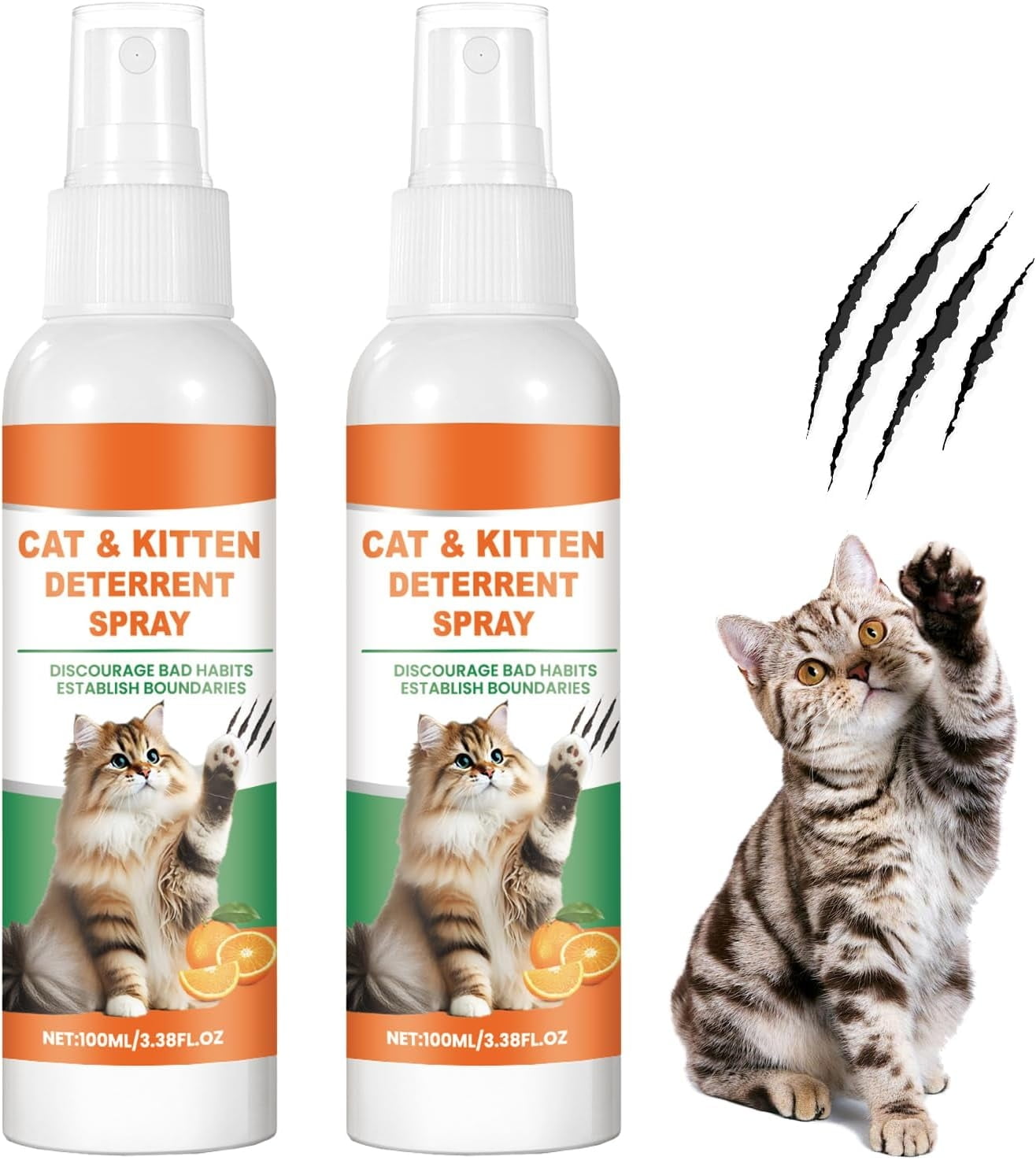
Try natural repellents like citrus or vinegar sprays. Cats dislike these smells and avoid those areas.
- Spray diluted vinegar on clothes or storage areas
- Use citrus peels or essential oils near laundry spots
- Try commercial cat repellents if natural ones do not work
- Reapply repellents often for best results
Environmental Enrichment
Give your cat toys and places to play. This lowers stress and stops unwanted peeing.
Make sure your cat has clean litter boxes. More boxes than cats can help prevent accidents.
- Provide scratching posts and interactive toys
- Offer high resting spots or cozy beds
- Keep litter boxes clean and in quiet places
- Add extra litter boxes in different rooms

Credit: www.reddit.com
Frequently Asked Questions
Why Is My Cat Peeing On Clothes?
Cats may pee on clothes due to stress, medical issues, or territory marking. Identifying the root cause is crucial. Consult a vet to rule out health problems. Provide a clean litter box and ensure it’s easily accessible. Reducing stressors and providing enrichment can also help prevent this behavior.
How Do I Stop My Cat From Peeing On Clothes?
First, clean soiled clothes thoroughly to remove any scent. Use an enzymatic cleaner for best results. Ensure your cat’s litter box is clean, accessible, and in a quiet location. Consider adding more litter boxes if you have multiple cats. Consult a veterinarian if the behavior persists.
What Can Deter My Cat From Peeing On Clothes?
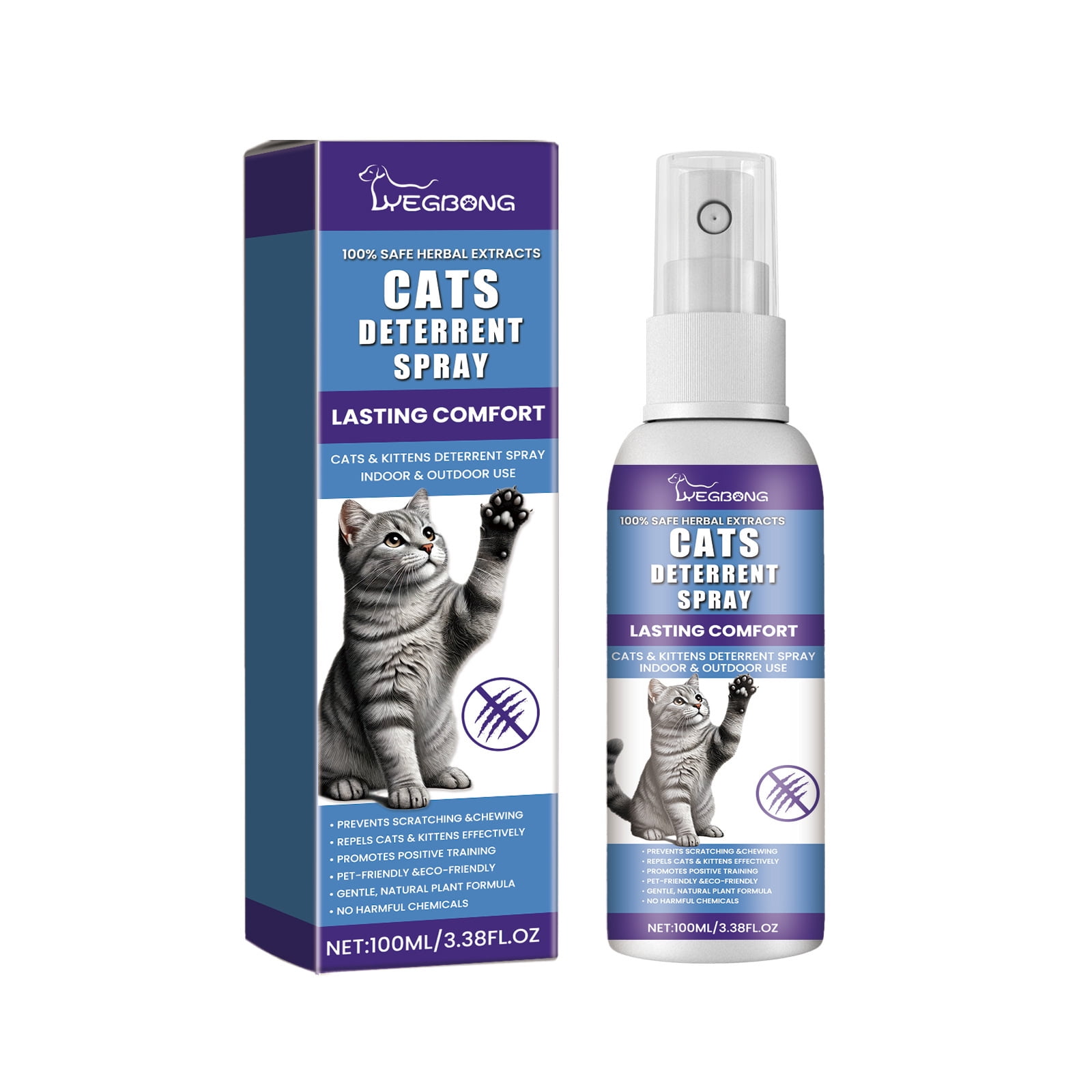
Use deterrent sprays on clothing and laundry areas. Provide adequate playtime and environmental enrichment to reduce stress. Ensure the litter box is clean and appealing. Maintain a consistent routine to minimize anxiety. If needed, consult a vet for further behavioral interventions.
Can Stress Cause Cats To Pee On Clothes?
Yes, stress can cause inappropriate urination in cats. Changes in the household, new pets, or environmental changes can trigger stress. Providing a stable environment, enrichment, and plenty of attention can help alleviate stress. Consult your vet if stress-related behaviors persist despite interventions.
Conclusion
Stopping your cat from peeing on clothes takes patience and care. Keep laundry out of reach and clean soiled areas well. Provide a clean, comfortable litter box in a quiet spot. Watch your cat’s health and habits closely. Small changes can make a big difference.
Your cat will feel happier and safer. Clothes stay fresh and clean. A calm home helps both you and your pet. Try these steps and see results soon.