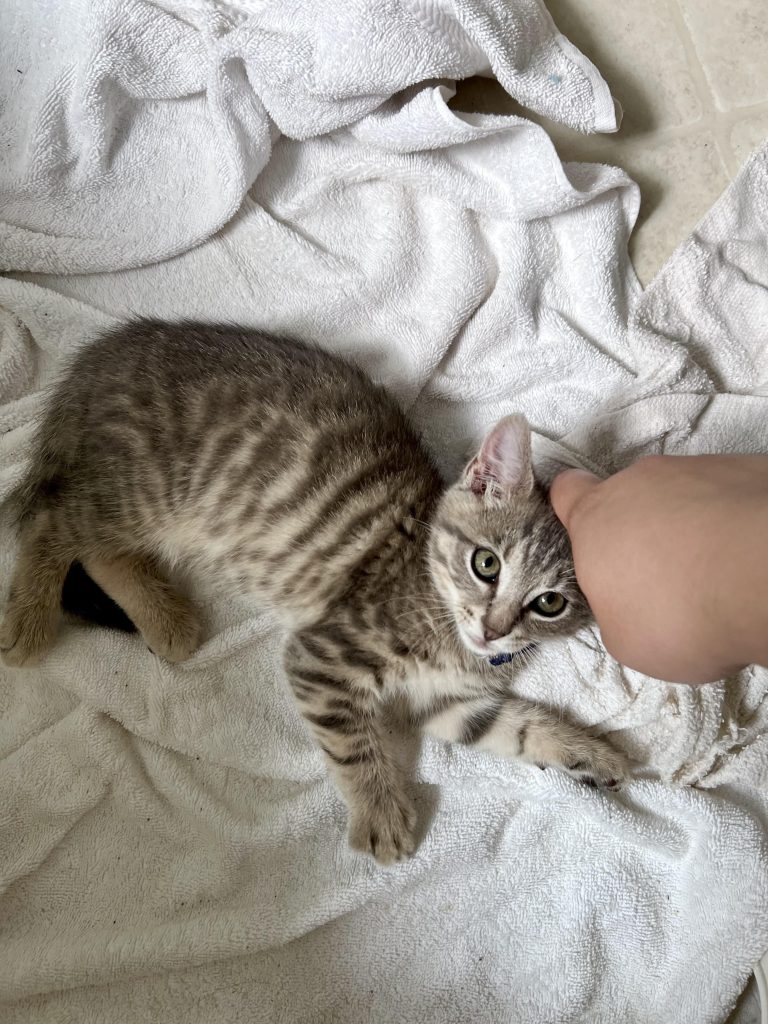
Have you ever looked at your cat and wondered, “What breed of cat is my cat?” You’re not alone. Knowing your cat’s breed can help you understand their behavior, health needs, and personality better.
Imagine being able to connect with your furry friend on a whole new level just by learning a little more about where they come from. You’ll discover simple ways to identify your cat’s breed and why it matters. Keep reading—you might be surprised by what you find out!
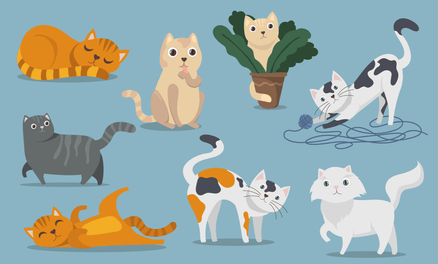
Credit: www.pawaii.com
Cat Breed Basics
Many cat owners wonder about their cat’s breed. Knowing the breed helps understand the cat’s personality and care needs.
Cats come in many breeds with different looks and traits. This guide covers common breeds and their features.
Common Cat Breeds
There are many popular cat breeds worldwide. Each breed has unique colors, sizes, and fur types.
- Siamese: Slim body, blue eyes, short coat
- Maine Coon: Large size, long fur, tufted ears
- Persian: Round face, flat nose, long hair
- Ragdoll: Big size, blue eyes, soft coat
- Bengal: Spotted or marbled coat, energetic
Breed Traits And Features
Each breed has traits that affect behavior and care. Knowing these helps meet your cat’s needs better.
Traits include coat type, size, personality, and health risks. Some cats need more grooming or exercise.
| Breed | Coat Type | Personality | Care Needs |
|---|---|---|---|
| Siamese | Short, smooth | Vocal, social | Low grooming |
| Maine Coon | Long, thick | Gentle, playful | Regular brushing |
| Persian | Long, dense | Calm, quiet | Daily grooming |
| Ragdoll | Medium, silky | Docile, friendly | Moderate grooming |
| Bengal | Short, spotted | Active, curious | Lots of play |

Credit: www.reddit.com
Physical Clues To Breed
Knowing your cat’s breed can be fun and helpful. Physical traits give clues about its breed. Look closely at coat, body, and eyes.
These features often show the breed or mix of breeds. Use them to guess what kind of cat you have.
Coat Patterns And Colors
Coat patterns and colors differ by breed. Some cats have stripes, spots, or solid colors. These patterns can help identify your cat’s type.
- Tabby:Stripes, swirls, or spots in colors like brown or gray.
- Calico:White with large orange and black patches.
- Solid:One color all over, such as black or white.
- Tortoiseshell:Mixed black and orange colors in a mottled pattern.
- Pointed:Darker colors on ears, face, paws, and tail with a lighter body.
Body Shape And Size
Body shape and size give strong clues about breed. Some cats are slim and long, others are round and stocky. Size also varies from small to large.
| Breed Type | Body Shape | Size |
| Siamese | Slender and long | Medium |
| Persian | Round and cobby | Medium to large |
| Maine Coon | Large and muscular | Large |
| British Shorthair | Compact and stocky | Medium to large |
Eye Shape And Color
Eyes vary by breed in shape and color. Round eyes or almond-shaped eyes can hint at breed. Eye color may be green, blue, gold, or copper.
Common eye shapes and colors by breed:
- Almond-shaped, blue eyes:Siamese cats
- Round, copper eyes:British Shorthair cats
- Large, round, green eyes:Russian Blue cats
- Round, gold eyes:Persian cats
Behavior And Personality
Understanding your cat’s behavior helps you learn more about its breed. Each breed has unique traits that show in how they act and feel.
Personality can vary a lot, but some common patterns help identify your cat’s breed. Let’s look at some key behavior areas.
Activity Levels
Some cats are very active and love to play all day. Others prefer to relax and nap most of the time.
For example, Siamese cats are often energetic and need lots of exercise. Persian cats tend to be calm and less active.
- High activity: playful, curious, likes climbing
- Moderate activity: enjoys play but also rests
- Low activity: calm, prefers quiet and naps
Social Tendencies
Some cat breeds love being around people and other pets. Others are shy and prefer to be alone.
Burmese cats usually enjoy company and follow their owners around. Russian Blue cats can be more reserved and independent.
- Highly social: loves attention and company
- Moderately social: enjoys people but needs alone time
- Independent: prefers solitude and quiet spaces
Vocalization Styles
Some cats are very vocal and like to meow or purr loudly. Others are quiet and only make sounds when needed.
Siamese cats are famous for being talkative. Scottish Folds tend to be soft-spoken and gentle.
- Talkative: frequent meows, loud purring
- Moderate: occasional meows, soft sounds
- Quiet: rare vocalizations, mostly silent

Credit: www.reddit.com
Using Technology For Identification
Technology makes it easier to find out what breed your cat is. You can use tools that look at your cat’s DNA or apps that analyze pictures.
These methods help you learn more about your cat’s background and traits. They are simple to use and give clear results.
Dna Testing Kits
DNA testing kits let you send a sample from your cat to a lab. The lab checks the genes to find the breed mix.
These kits often use a cheek swab to collect cells. After sending the sample, you get a report about your cat’s breed and health risks.
- Simple cheek swab collection
- Fast and detailed breed results
- Some kits include health information
- Useful for mixed-breed cats
Mobile Apps And Online Tools
Mobile apps and websites let you upload photos of your cat. They use technology to guess the breed by looking at the cat’s features.
These tools are easy to use and give quick answers. Some apps also offer care tips based on the breed they find.
- Upload photos for breed identification
- Use AI to analyze cat features
- Get fast breed guesses
- Receive care advice for identified breeds
Consulting Experts
Finding out what breed your cat belongs to can be tricky. Experts can help you identify your cat’s breed.
Talking to people who know cats well gives you the best chance to learn your cat’s breed.
Veterinarians’ Insights
Veterinarians see many cats and know how to spot breed traits. They can give clues based on your cat’s looks and behavior.
They may also suggest tests that help identify your cat’s breed or mix of breeds.
- Check your cat’s body shape and size
- Look at fur pattern and color
- Observe personality and habits
- Ask about breed tests or DNA kits
Cat Breeders And Enthusiasts
Cat breeders know many cat breeds and their traits. They can often tell your cat’s breed by appearance and history.
Cat enthusiasts may also help by sharing pictures and breed details. They enjoy learning about different breeds and can guide you.
- Show clear photos of your cat
- Describe your cat’s size and fur
- Share any known family background
- Join forums or groups about cats
Mix Breeds And Unique Cats
Many cats are not purebred but come from mixed breeds. These cats have traits from different types of cats. This makes each cat special and different.
Unique cats often have interesting looks and personalities. Learning about mixed breeds helps you appreciate your cat’s one-of-a-kind nature.
Common Mixed Breeds
Mixed breed cats often show features from several breeds. They can have short or long fur, different colors, and varied personalities.
- Domestic Shorthair: Most common mixed breed with short fur
- Domestic Longhair: Mixed cats with long, fluffy coats
- Tuxedo Cats: Black and white coloring in many mixed cats
- Calico Cats: Tri-color fur often seen in mixed breed females
Embracing Your Cat’s Uniqueness
Every mixed breed cat is unique. Their mix of traits makes them special pets. Celebrate what makes your cat different.
Focus on your cat’s personality and habits. These qualities are more important than breed labels. Your cat’s uniqueness brings joy and love.
Frequently Asked Questions
How Can I Identify My Cat’s Breed At Home?
Observe your cat’s size, fur pattern, and personality traits. Compare these with breed descriptions online or in books. Use cat breed identification apps or consult a vet for more accuracy.
What Are Common Traits To Distinguish Cat Breeds?
Look for coat length, color, eye shape, ear type, and body size. Behavioral traits like vocalization and activity levels also help identify breeds.
Can Mixed Breed Cats Have Identifiable Breed Features?
Yes, mixed breeds often show physical or personality traits from parent breeds. DNA tests can reveal specific breed mixes.
Is Dna Testing Accurate For Cat Breed Identification?
DNA tests provide reliable insights into your cat’s genetic background. They identify breed composition and potential health risks. It’s a useful tool for precise breed identification.
Conclusion
Identifying your cat’s breed can be a fun journey. Observe their traits closely. Each characteristic tells a story. Compare these traits with known breeds. Consult a vet or cat expert for more clarity. Online resources and communities can help too.
Share your findings with fellow cat lovers. Enjoy the bond with your unique feline friend. Remember, every cat is special. Their breed adds to their charm. Happy exploring!