Are you thinking about adding a furry friend to your home? Choosing the best breed of cat can feel overwhelming with so many adorable options out there.
But what if you could find the perfect match that fits your lifestyle, personality, and home environment? You’ll discover key insights that help you pick a cat breed that’s just right for you. Keep reading, and soon you’ll be one step closer to welcoming the ideal feline companion into your life.
Popular Cat Breeds
Choosing the best breed of cat depends on your lifestyle and preferences. Some breeds are more active, while others prefer calm environments.
Here are some popular cat breeds with their unique traits and characteristics.
Siamese Cats
Siamese cats are known for their striking blue eyes and short coat. They are very social and vocal cats.
They enjoy interaction and can be quite playful throughout their lives.
Maine Coon Cats
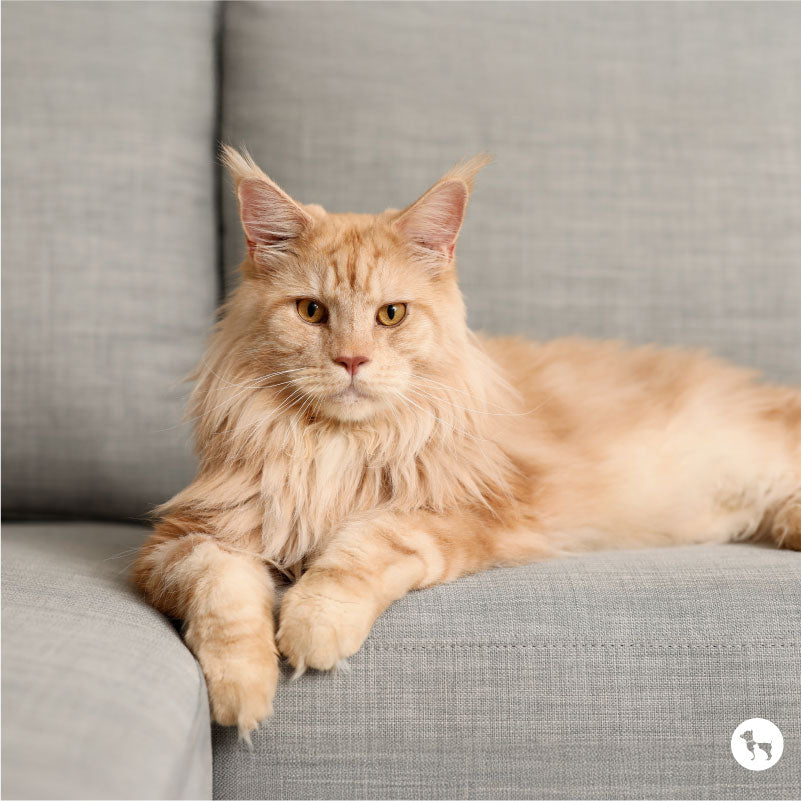
Maine Coons are one of the largest domestic cat breeds. They have long, thick fur and tufted ears.
- Gentle and friendly nature
- Good with children and other pets
- Adapt well to different environments
Persian Cats
Persian cats have long, luxurious coats and a calm personality. They enjoy quiet homes and gentle care.
Regular grooming is important to keep their fur healthy and free of mats.
Ragdoll Cats
Ragdolls are large and affectionate cats. They often go limp when held, which gives them their name.
| Trait | Description |
| Temperament | Calm and gentle |
| Coat | Soft and semi-long hair |
| Size | Large and muscular |
| Activity Level | Low to moderate |
Bengal Cats
Bengal cats have a wild appearance with spots and rosettes. They are very active and curious.
These cats need plenty of playtime and mental stimulation every day.

Credit: headsupfortails.com
Personality Traits
Choosing the best breed of cat depends on the personality you prefer. Cats show many different traits. Some love hugs and cuddles. Others enjoy playing or being alone.
Understanding these traits helps you find a cat that fits your lifestyle. This guide looks at affectionate, playful, independent, and vocal breeds.
Affectionate Breeds
Affectionate cats love to be near people. They enjoy sitting on laps and following you around. These breeds often make great companions and like to show love.
- Ragdoll: Known for being gentle and loving.
- Birman: Friendly and enjoys human contact.
- Scottish Fold: Calm and likes to snuggle.
- Siamese: Loyal and seeks attention.
Playful Breeds
Playful cats stay active and curious. They enjoy toys and games. These breeds keep you entertained with their energy and fun nature.
| Breed | Play Style | Energy Level |
| Bengal | Chasing toys, climbing | High |
| Abyssinian | Exploring, pouncing | High |
| Turkish Van | Water play, running | Medium |
| Oriental Shorthair | Interactive play | High |
Independent Breeds
Independent cats like to spend time alone. They do not demand much attention. These breeds are good for busy homes or people who want a low-maintenance pet.
- Russian Blue: Quiet and reserved, enjoys solitude.
- British Shorthair: Calm and easygoing.
- Chartreux: Independent but affectionate on their terms.
Vocal Breeds
Vocal cats use their voice often. They “talk” to you with meows and chirps. These breeds communicate well and express their needs loudly.
- Siamese: Very talkative and social.
- Burmese: Soft but frequent vocalizations.
- Oriental Shorthair: Loud and chatty.
- Balinese: Vocal and affectionate.
Grooming Needs
Different cat breeds need different grooming levels. Some cats take less time to care for. Others need daily brushing and attention.
Understanding grooming helps choose the best cat for your lifestyle. It keeps your cat healthy and happy.
Low Maintenance Cats
Low maintenance cats have short fur or no fur. They need little brushing and less cleaning. These cats are great for busy people.
- Sphynx: No fur, needs skin cleaning but no brushing.
- American Shorthair: Short coat, brushes once a week.
- British Shorthair: Thick but short fur, brushes twice a week.
- Bengal: Short coat, low shedding, brushes once a week.
High Maintenance Cats
High maintenance cats have long or thick fur. They need daily brushing to avoid tangles. Their grooming helps prevent hairballs and skin issues.
- Maine Coon: Long thick fur, daily brushing needed.
- Persian: Very long fur, needs daily combing and cleaning.
- Ragdoll: Long soft fur, daily brushing recommended.
- Siberian: Dense triple coat, daily grooming helps reduce shedding.
Health Considerations
Choosing the best breed of cat involves thinking about their health needs. Each breed has unique health traits. Understanding these can help you care better for your pet.
Knowing common health issues and lifespan helps you prepare for your cat’s future. It also guides you in choosing a breed that fits your lifestyle.
Common Health Issues
Different cat breeds face different health problems. Some breeds are prone to certain diseases. Regular check-ups can catch problems early.
- Persian cats often have breathing issues due to flat faces.
- Siamese cats may suffer from respiratory and dental problems.
- Maine Coons can develop hip dysplasia and heart disease.
- Bengal cats might have a higher risk of certain genetic disorders.
- Ragdolls can face heart and kidney problems.
Lifespan Expectations
Cat breeds vary in how long they live. A healthy lifestyle can extend a cat’s life. Knowing average lifespans helps set realistic care goals.
| Breed | Average Lifespan |
| Persian | 12 to 17 years |
| Siamese | 15 to 20 years |
| Maine Coon | 12 to 15 years |
| Bengal | 12 to 16 years |
| Ragdoll | 12 to 17 years |
Choosing The Right Cat
Choosing the best breed of cat depends on your lifestyle and home. Different cats suit different people.
Think about your daily routine and living space before picking a cat breed. This helps make a good match.
Lifestyle Matching
Your activity level affects the type of cat you should get. Some cats like to play a lot, while others prefer resting.
Busy people might like calm cats that enjoy quiet time. Active owners may want playful and energetic breeds.
- Calm breeds: British Shorthair, Persian
- Playful breeds: Abyssinian, Bengal
- Independent breeds: Russian Blue, Scottish Fold
Living Space Factors
Small homes need cats that do well in tight spaces. Some cats adapt better to apartments than others.
Larger homes allow cats to explore and play more. Consider the size of your home before choosing a breed.
- Good for small spaces: Siamese, Ragdoll
- Better for large homes: Maine Coon, Norwegian Forest Cat
- Adaptable breeds: Domestic Shorthair, Tonkinese
Allergy-friendly Breeds
Some people are allergic to cats. Certain breeds produce fewer allergens and cause less reaction.
Choosing allergy-friendly breeds helps sensitive owners enjoy a pet without health issues.
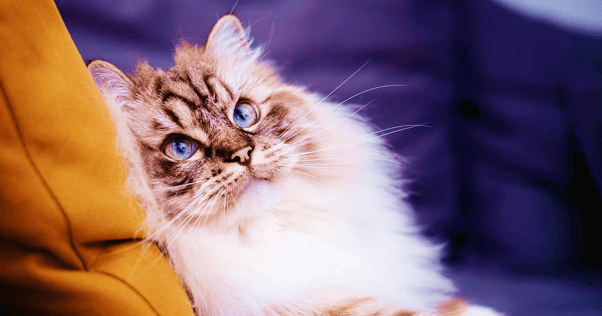
- Siberian: low allergen levels
- Balinese: less dander
- Devon Rex: short, fine coat
Credit: blog.feliway.com
Adopting Vs. Buying
Choosing the best breed of cat often leads to a big decision. People wonder if they should adopt or buy their new pet.
Both options have different effects on cats and owners. It is important to know the benefits and things to consider.
Benefits Of Adoption
Adopting a cat saves lives. Many cats in shelters need a home and care.
Adoption usually costs less than buying from a breeder. Shelters often include vaccinations and spaying or neutering.
- You help reduce homeless cat populations
- You give a loving home to a cat in need
- Costs are lower and include health care
- You can adopt many different breeds and mixes
Things To Consider When Buying
Buying a cat from a breeder may offer specific breeds with known traits. This suits people wanting certain looks or temperaments.
It is important to check the breeder’s reputation. Good breeders care about health, socialization, and breed standards.
- Breeders can provide pedigree and health history
- Costs are higher and vary by breed
- Some breeders may not follow ethical practices
- Buying from pet stores is often discouraged

Credit: headsupfortails.com
Frequently Asked Questions
What Factors Determine The Best Breed Of Cat?
The best cat breed depends on personality, grooming needs, activity level, and health. Consider your lifestyle and preferences.
Which Cat Breed Is Best For Families With Children?
Ragdolls and Maine Coons are gentle, playful, and patient. They adapt well to children and family life.
Are Hypoallergenic Cat Breeds The Best Choice For Allergies?
Yes, breeds like Siberian and Balinese produce fewer allergens. They are better for allergy sufferers but not completely allergen-free.
What Is The Most Popular Cat Breed Worldwide?
The Domestic Shorthair is the most popular due to its variety, adaptability, and easy care.
Conclusion
Choosing the best cat breed depends on your lifestyle. Each breed has unique traits. Some cats are playful, others calm. Think about your home space and family needs. Allergies? Consider hypoallergenic breeds. Time for grooming? Long-haired cats need care. Want a friendly cat?
Some breeds love company. Remember, every cat is special in its own way. Research and meet different breeds. Find a furry friend that matches your personality. Cats bring joy and companionship. Your perfect cat is out there, waiting for you.
Make a thoughtful choice for a happy home.